Reporting snapshot · 22 November 2026 (Asia/Karachi). The injured resident has not been named, Bahrain has not said what the industrial facility produced, and Iran's account of what its missiles hit has not been independently verified. The casualty account may be revised as hospitals release more information.
Bahrain’s Interior Ministry said on Sunday that a Pakistani resident was in critical condition after Iranian attacks on the kingdom the previous evening, one of two people injured as a civilian industrial facility caught fire and air defences intercepted several incoming waves.
The other injured person was a Bahraini citizen with disabilities, who was in stable condition, the ministry said. Both were receiving hospital treatment. The ministry did not name either person, say where in Bahrain the Pakistani resident lived, or specify what caused their injuries, Gulf Times reported.
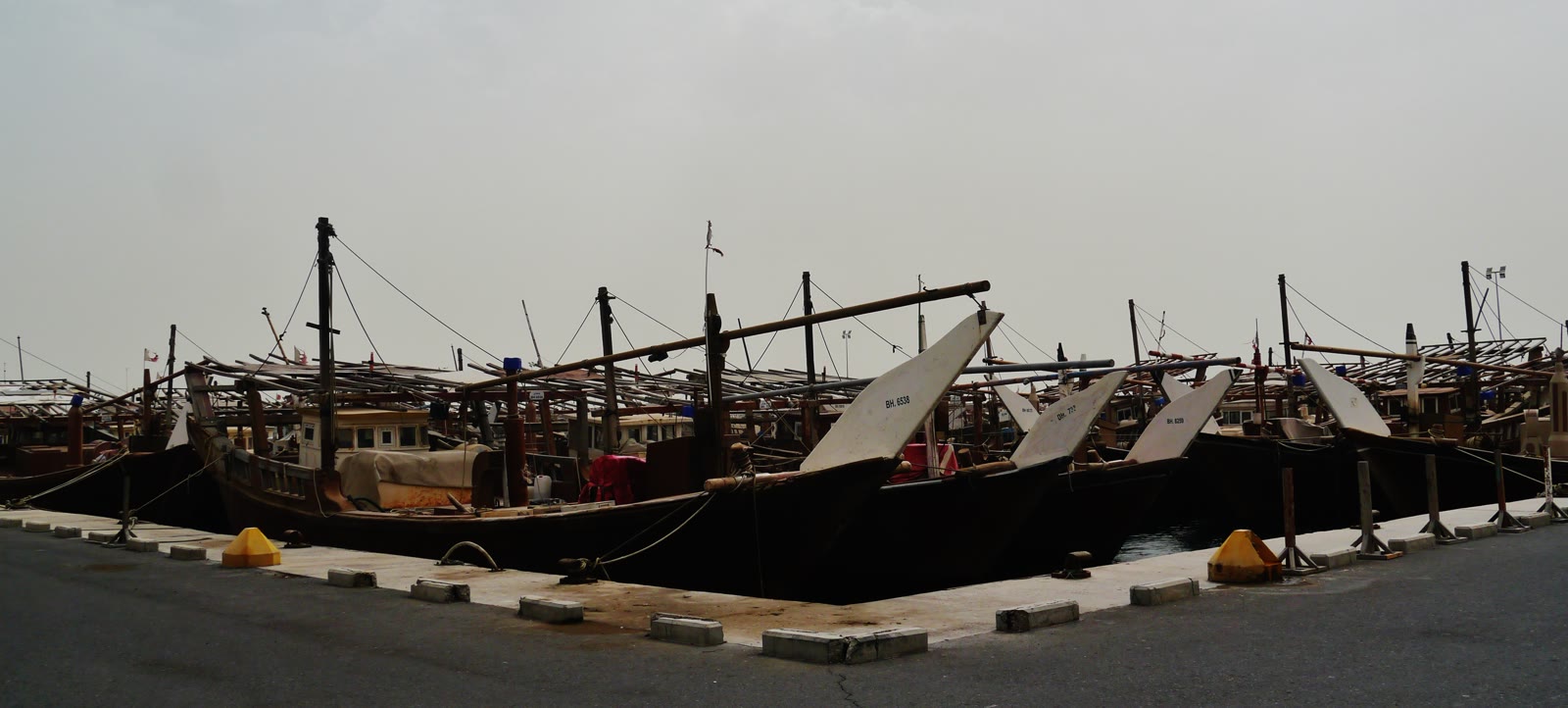
The attack hit a civilian industrial facility in Sitra, an industrial island off Manama, causing a fire that civil defence teams worked to contain, Al Jazeera reported. Bahrain’s defence force said it intercepted several Iranian aerial attacks late on Saturday. The interior ministry initially reported material damage but no injuries; Sunday’s statement revised that account.
The strike on Sitra’s industrial site
Iran’s Islamic Revolutionary Guard Corps said it had targeted US military positions at al-Riffa and Awali bases with missiles and drones, and that two US Patriot air-defence radars were hit. It described the operation as retaliation for US drone flights over Iranian airspace and an attack on a radar on Hengam Island, according to Al Jazeera.
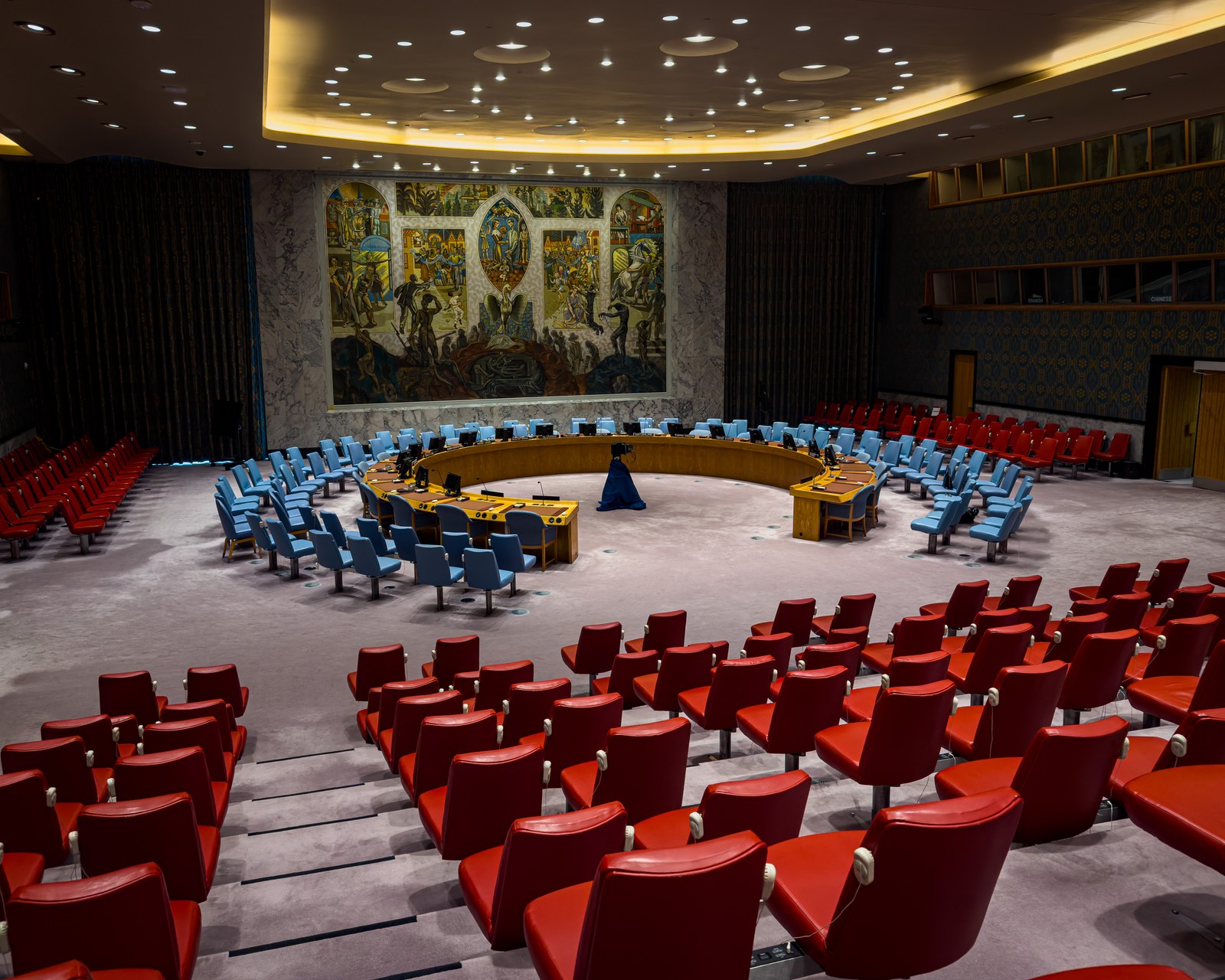
Bahrain rejected that framing. The foreign ministry said the facility was exclusively civilian and described the attack as a direct threat to civilian lives, a violation of Bahrain’s sovereignty and territorial integrity, the UN Charter and Security Council Resolution 2817. It called on the Security Council to take firm measures to compel Iran to implement the resolution, Gulf News reported.
Resolution 2817, adopted on 11 March 2026, condemned Iranian attacks on Gulf states and Jordan and demanded an immediate halt to hostilities and maritime interference, Al Jazeera reported. Bahrain also invoked Article 51 self-defence and the Gulf Cooperation Council’s joint defence agreement. GCC Secretary-General Jassim Mohamed AlBudaiwi expressed full solidarity with Bahrain and said the kingdom’s security was integral to the bloc’s. Jordan condemned the strike.
Iran’s account and the wider war
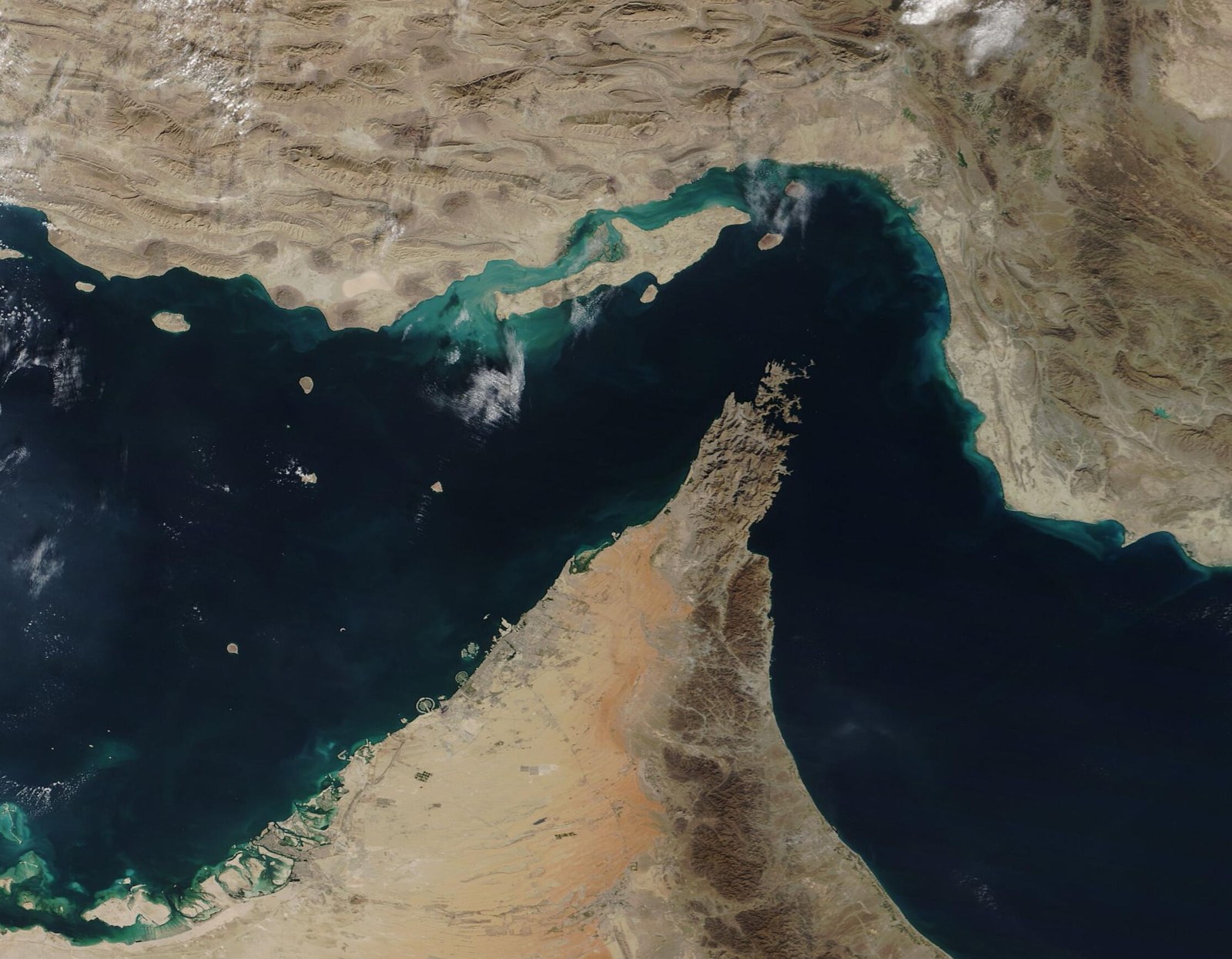
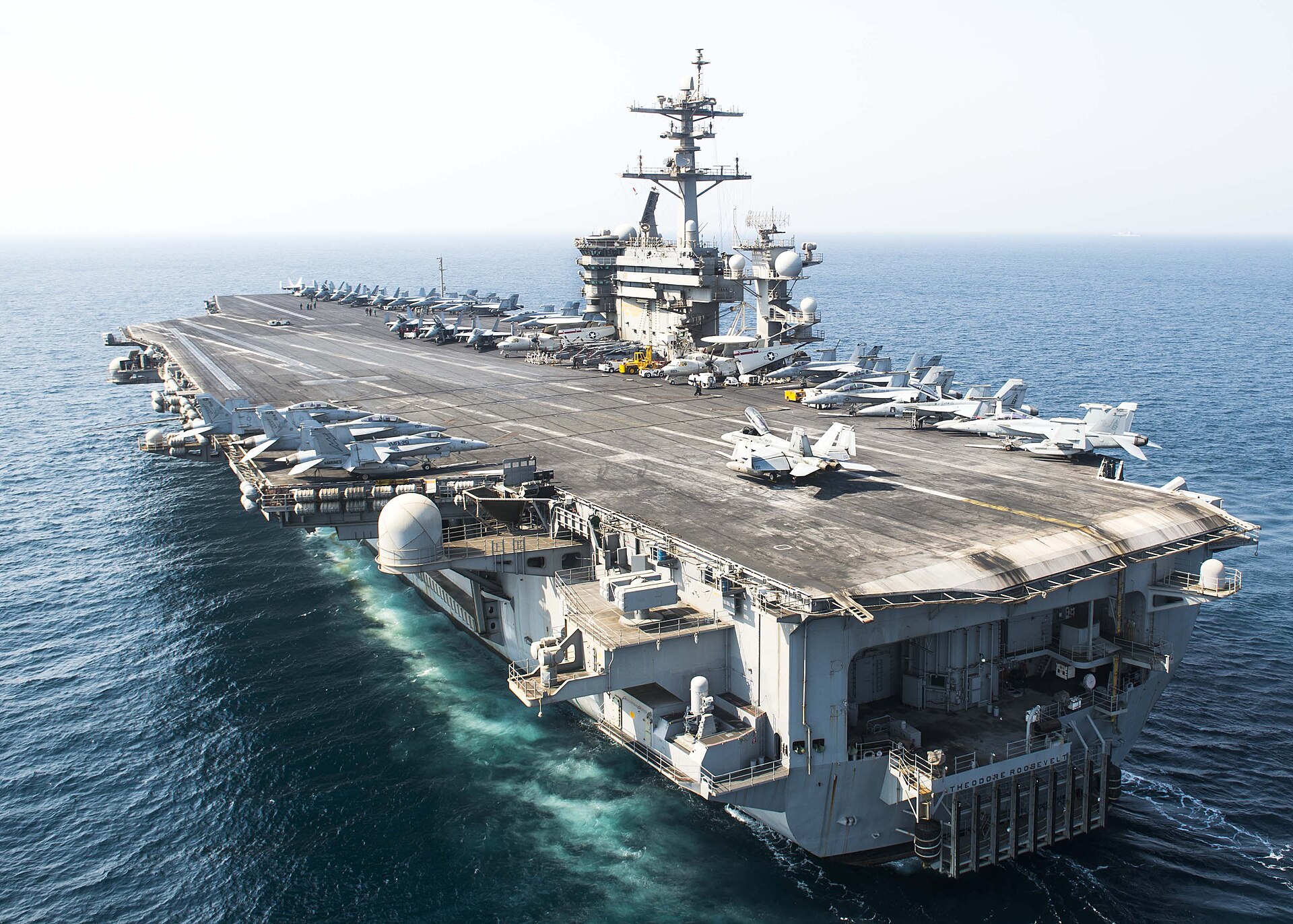
The IRGC’s statement fits a pattern that has held since the US-Israel war on Iran began in late February. Bahrain hosts the US Navy’s Fifth Fleet and has been attacked repeatedly, including four times in six days earlier this month, as KhabarWire reported. Iran has consistently described those operations as responses to US strikes and surveillance flights, while Bahrain and its Gulf allies say the targets have included civilian sites.
Saturday’s attack came as two tankers were struck by unidentified projectiles near Oman’s Khasab and Iran said a tanker had caught fire after hitting a mine in a restricted area, Al Jazeera reported. Shipping through the Strait of Hormuz remains contested, and the war-risk premiums that have raised Pakistan’s fuel import bill have not fallen back.
A Pakistani resident in critical condition
The injury gives Pakistan a direct consular stake in an exchange that has mostly been reported through its effect on shipping, energy prices and diplomacy. Pakistan’s Foreign Office had not issued a public statement on the case by Sunday evening, and Bahrain’s statement did not say whether the injured resident was a worker, a long-term resident or a visitor.
In the State Bank breakdown cited by KhabarWire, Bahrain sits inside the “other GCC” category that sent $369.5 million in October. The wider GCC supplied 54.8 per cent of Pakistan’s remittances in July-October, according to State Bank figures reported by KhabarWire. For households with relatives in the Gulf, the war’s risks are not only measured in fuel prices.
Pakistan’s mediation and the Gulf corridor
Pakistan has spent the war trying to keep a channel open between Washington and Tehran. Deputy Prime Minister and Foreign Minister Ishaq Dar said on Saturday that he expected a US-Iran agreement and pointed to December talks in Germany, even as the shooting continued. KhabarWire follows that diplomacy in its Pakistan, Iran and the US mediation hub.
The attack does not directly engage the Makkah Joint Defence Agreement, which binds Pakistan, Saudi Arabia and Turkiye rather than Bahrain. But it adds another civilian casualty to a war that Pakistan has argued can only be settled through a regional security arrangement. The more often Gulf states are hit, the harder it becomes for Islamabad to present itself as a neutral mediator while its citizens and workers are among those injured.
What Manama and Islamabad say next
The immediate questions are the condition of the injured Pakistani resident, whether Pakistan’s Foreign Office issues a statement or sends consular assistance, and whether the Security Council responds to Bahrain’s request. It is also unclear whether Iran will repeat attacks on Bahrain after this round, or whether the exchange remains part of the broader tit-for-tat between Tehran and Washington.
Bahrain has not named the facility that burned or said what it produced, and Iran has not acknowledged hitting a civilian site. Those gaps matter because the two sides are describing different targets: US radars in one account, a civilian industrial plant in the other. The next statements from Manama, Tehran and Islamabad will determine how far this particular injury travels beyond a hospital bed in Bahrain.