Reporting snapshot · 23 October 2026 (Asia/Karachi). The market prices below are retailer quotes gathered by The Express Tribune and Geo News, not a nationwide survey, and they vary by city, cylinder size and delivery arrangement. The status of LPG imports through Taftan is also contested: Pakistan announced the crossing had reopened on 20 October, but the 23 October report still linked the shortage to the closure. Prices and enforcement plans may change within days.
What happened
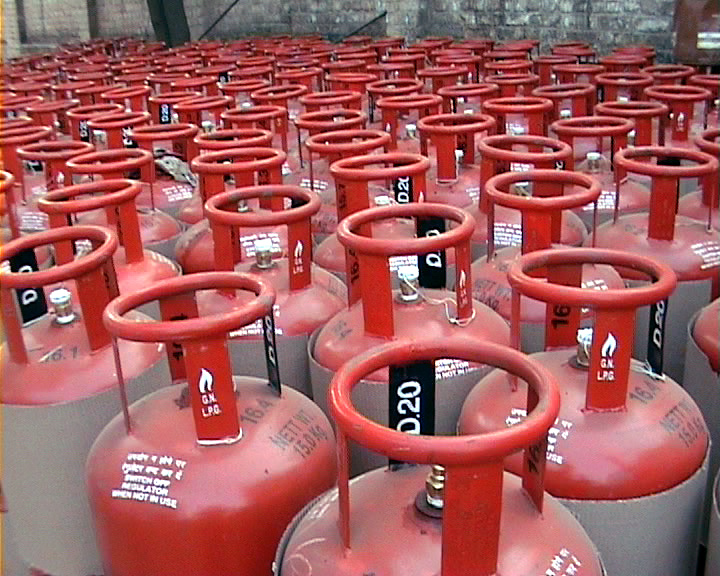
Liquefied petroleum gas (LPG) was being sold for as much as Rs750 a kilogram in northern Pakistan on 23 October, about 2.7 times the Rs279.34 a kilogram rate notified by the Oil and Gas Regulatory Authority (OGRA) for October, as the supply squeeze pushed household cylinder prices above Rs10,000. The price levels were reported by The Express Tribune, which cited an OGRA official and market checks in Lahore and Peshawar.
Retailers in Peshawar were charging about Rs600 a kilogram, while prices in several other markets were between Rs550 and Rs600, the newspaper reported. In the northern areas of Khyber Pakhtunkhwa, LPG had reached Rs750 a kilogram, and cylinder prices had exceeded Rs10,000.
The comparison with OGRA’s own rate is stark. The regulator’s October LPG notification sets the indigenous price at Rs279.34 a kilogram, or about Rs3,296 for an 11.8-kilogram domestic cylinder, the standard size cited by Geo News. The upper end of the retail range reported this week is more than double that official rate.
Why the gap has opened
The notified price is not being enforced at the counter. The Express Tribune reported on 23 October that OGRA had not launched a planned crackdown on companies and sellers accused of profiteering because officials feared enforcement could trigger strikes, disrupt supplies and aggravate the country’s energy crisis.
An OGRA spokesperson told the newspaper that work was under way to address the issue and acknowledged that the closure of the Taftan border had created difficulties, but said the situation would be brought under control soon.
The supply shock behind the prices is substantial. About 70 per cent of Pakistan’s LPG is imported, and about half of those imports came from Iran before the border disruption, according to OGRA sources cited by Geo News. Supplies from Oman and Iraq were also disrupted by the closure of the Strait of Hormuz, the same reporting said.
Petroleum Minister Ali Pervaiz Malik told Geo News on 21 October that Pakistan consumes around 6,500 to 7,000 tonnes of LPG a day, of which only 2,000 to 2,500 tonnes is produced locally. He said LPG should be priced between Rs400 and Rs425 a kilogram, and predicted that prices would begin to improve within two to three days.
Malik also said the government would import LPG itself and bring it into the system, and that it would pursue court stay orders that he said a small number of suppliers had used to keep charging above the notified rate. “Those overcharging for LPG will face action,” he said.
By 23 October, that improvement had not reached the market. The Express Tribune reported prices at Rs750 a kilogram in the north and cylinders above Rs10,000, and said the planned enforcement drive had still not begun.
Why it matters
LPG is the main cooking fuel for households without piped gas, and the squeeze is landing at the start of winter, when demand rises. In Khyber Pakhtunkhwa, consumers were already facing natural-gas shortages; The Express Tribune reported that some rural households had begun turning to firewood, pushing the price of a maund of wood up by Rs200 to Rs300 to between Rs1,600 and Rs1,800.
The gap between the notified and market price is regressive. A household buying a domestic cylinder at more than Rs10,000 pays roughly three times what an 11.8-kilogram refill would cost at OGRA’s rate. Families who cannot switch to electricity or piped gas absorb the difference, while the official price ceases to function as a consumer safeguard.
The LPG squeeze is separate from the petrol and diesel revision announced for 23 October, when petrol fell by Rs1.60 a litre and high-speed diesel rose by Rs1.64. LPG is not part of that daily petroleum pricing mechanism, and its retail market has its own monthly notification and enforcement problems.
The Taftan question
The government’s explanation points to the Pakistan-Iran border. Taftan was closed on 18 October, cutting off a route that had carried LPG and fresh produce. Field Marshal Asim Munir announced on 20 October that the border had reopened after talks in Tehran, but reports conflicted on whether commercial traffic had actually resumed.
The Express Tribune’s 23 October report still linked the LPG shortage to the Taftan closure. It did not say whether the crossing was physically open for LPG tankers, how much LPG had crossed since the announcement, or whether importers had resumed normal bookings. No updated LPG import volume was cited in that report.
That distinction matters. If the border is open and supplies are moving, current retail prices may reflect profiteering on older stock. If commercial flows have not recovered, the shortage could outlast the government’s two-to-three-day forecast and tighten further as winter demand rises.
What is still uncertain
Several parts of the picture remain unverified. The Rs750 figure and the Rs550 to Rs600 range are retailer prices gathered by one newspaper, not a nationwide survey. They vary by city, cylinder size and whether delivery is included.
The 70 per cent import share and the 50 per cent Iran share come from OGRA sources quoted by Geo News, not from a published import table cited in that report. The government has not said how much LPG it holds in reserve, how much its own imports will add, or when those cargoes will arrive.
Nor is it clear how the enforcement drive will work. The Express Tribune reported that officials feared a crackdown could trigger strikes and disrupt supply, which suggests the government is weighing consumer protection against the risk of making the shortage worse. The petroleum minister said stay orders were part of the problem; the status of those cases was not set out in the reporting.
OGRA’s next monthly LPG notification will be the next test. If the government raises the official rate to close the gap, households will pay more even if retailers stop overcharging. If it holds the rate and enforcement remains weak, the gap is likely to persist.
For now, the public record supports a narrow conclusion: LPG is trading far above the notified rate, the government has acknowledged the gap, and the measures it announced have not yet brought prices down.