What happened
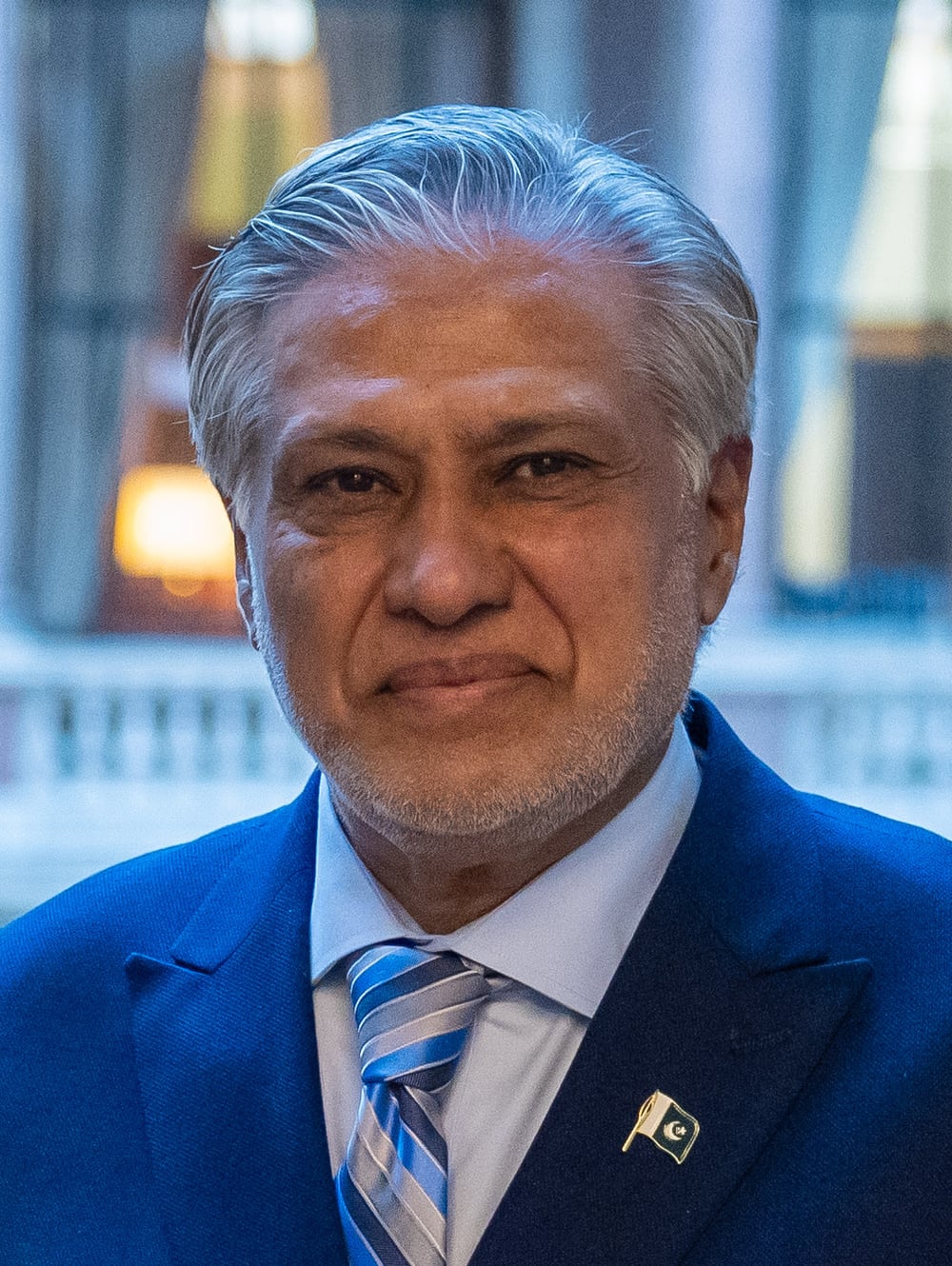
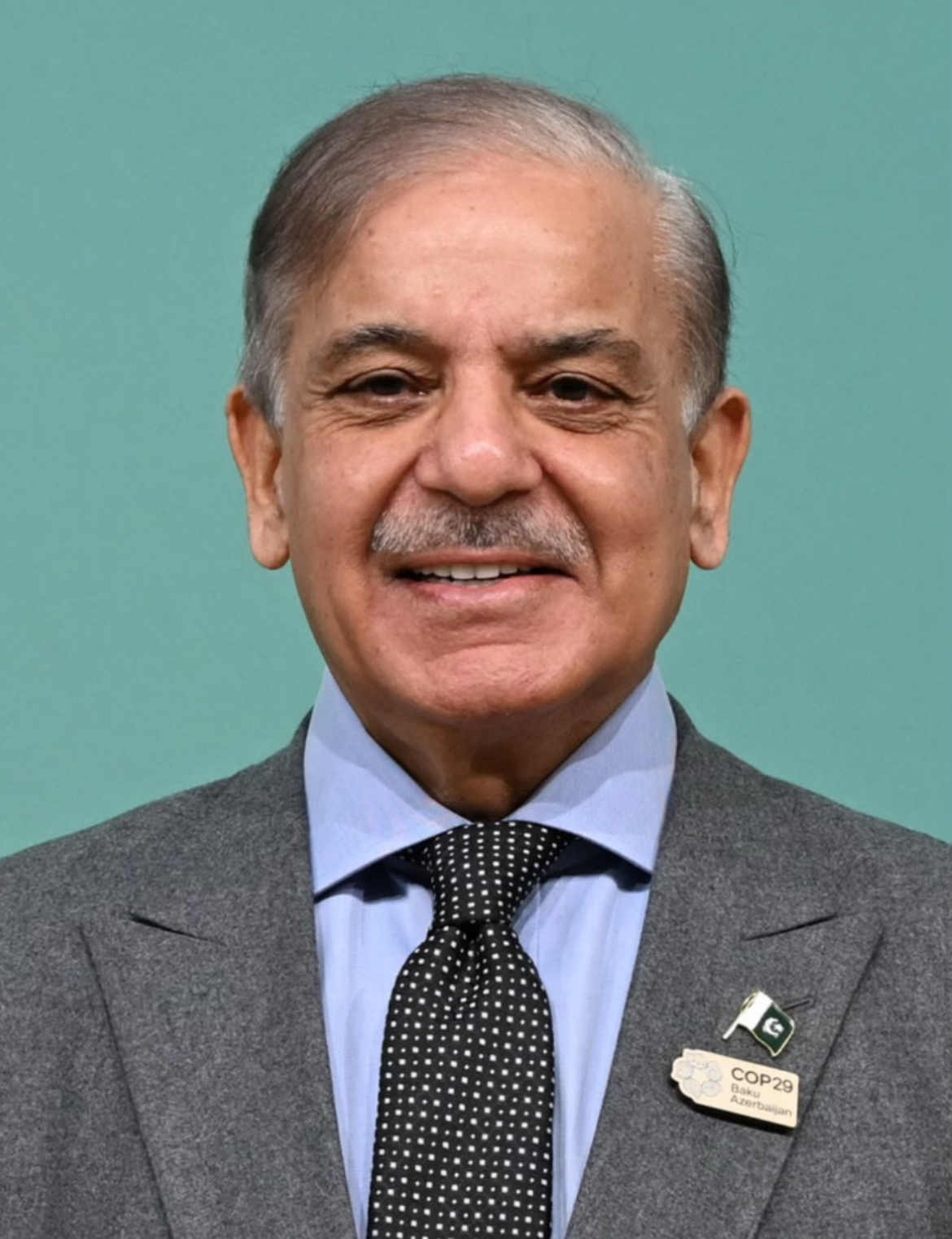
Pakistan congratulated Iran’s new Supreme Leader, Mojtaba Hosseini Khamenei, and stepped up regional diplomacy on 11 March 2026, as Prime Minister Shehbaz Sharif held a telephone call with Iranian President Masoud Pezeshkian and Deputy Prime Minister and Foreign Minister Ishaq Dar telephoned the foreign ministers of Kuwait and Bangladesh.
According to Pakistan Today, Shehbaz expressed concern over rising regional tensions and said diplomatic engagement and dialogue remained essential to peace, stability and de-escalation, urging all parties to exercise restraint and responsibility. He said Pakistan attached great importance to its historic, religious and cultural ties with Iran and wanted to strengthen bilateral cooperation. President Pezeshkian said Tehran wanted to deepen relations with Pakistan and briefed the prime minister on Iran’s perspective on recent developments. The two agreed to remain in close contact.
The outreach followed congratulations that President Asif Ali Zardari and Shehbaz sent to Mojtaba Khamenei after he assumed the leadership following the assassination of his father, Ayatollah Ali Khamenei, in US-Israeli strikes. Shehbaz said he hoped the new leadership would guide Iran towards peace, stability and prosperity, and Pakistan stood in solidarity with the Iranian people.
Dar, meanwhile, discussed the regional situation with Kuwait’s Foreign Minister Sheikh Jarrah Jaber Al-Ahmad Al-Sabah, expressing Pakistan’s solidarity with Kuwait after recent attacks, and with Bangladesh’s Foreign Minister Khalilur Rahman, with both sides voicing concern over the wider implications for regional stability. Dar also chaired a committee overseeing the government’s conservation and austerity measures, directing ministries to implement the plan, which includes the federal cabinet forgoing salaries and deductions for officials earning Rs300,000 or more a month.
Why it matters
The messages and calls show Pakistan trying to hold a careful line. It has condemned the strikes that killed Ayatollah Ali Khamenei and called for restraint without taking sides publicly, while maintaining close security ties with the United States and economic ties with Gulf Arab states. With a nearly 900-kilometre border with Iran and deep dependence on Gulf energy, Islamabad has a direct interest in preventing the war from spreading. Congratulating the new supreme leader is a diplomatic necessity for a neighbour, but it comes as Tehran trades missile and drone strikes with Israel and the United States and targets Gulf infrastructure.
What is still uncertain
It was not clear how Iran’s new leadership would respond to Pakistan’s calls for restraint, or whether the contacts would produce any concrete mediation. Pakistan Today reported that Iran launched fresh strikes on Israeli cities and Gulf infrastructure, including a Saudi oilfield, on 11 March, with explosions also reported in Doha. Pakistan’s public position remained one of urging de-escalation rather than proposing a specific peace plan.
Sources & reporting notes
This is a synthesis of published material, not eyewitness reporting. Sources were reviewed on 11 March 2026.
- Pakistan Today — "Pakistan intensifies diplomacy amid raging Middle East war"Published 11 March 2026 · Primary: the prime minister's call with President Pezeshkian, the congratulations to Mojtaba Khamenei, President Zardari's good wishes, Dar's calls with Kuwait and Bangladesh, the austerity committee meeting, and the day's Iranian strikes on Israel and Gulf infrastructure.
- The Express Tribune — "PM greets Iran's new supreme leader"Published 11 March 2026 · Supporting: the letters from President Zardari and Prime Minister Shehbaz to Mojtaba Khamenei, and Dar's separate calls with the foreign ministers of China, Saudi Arabia and Bahrain.