What happened
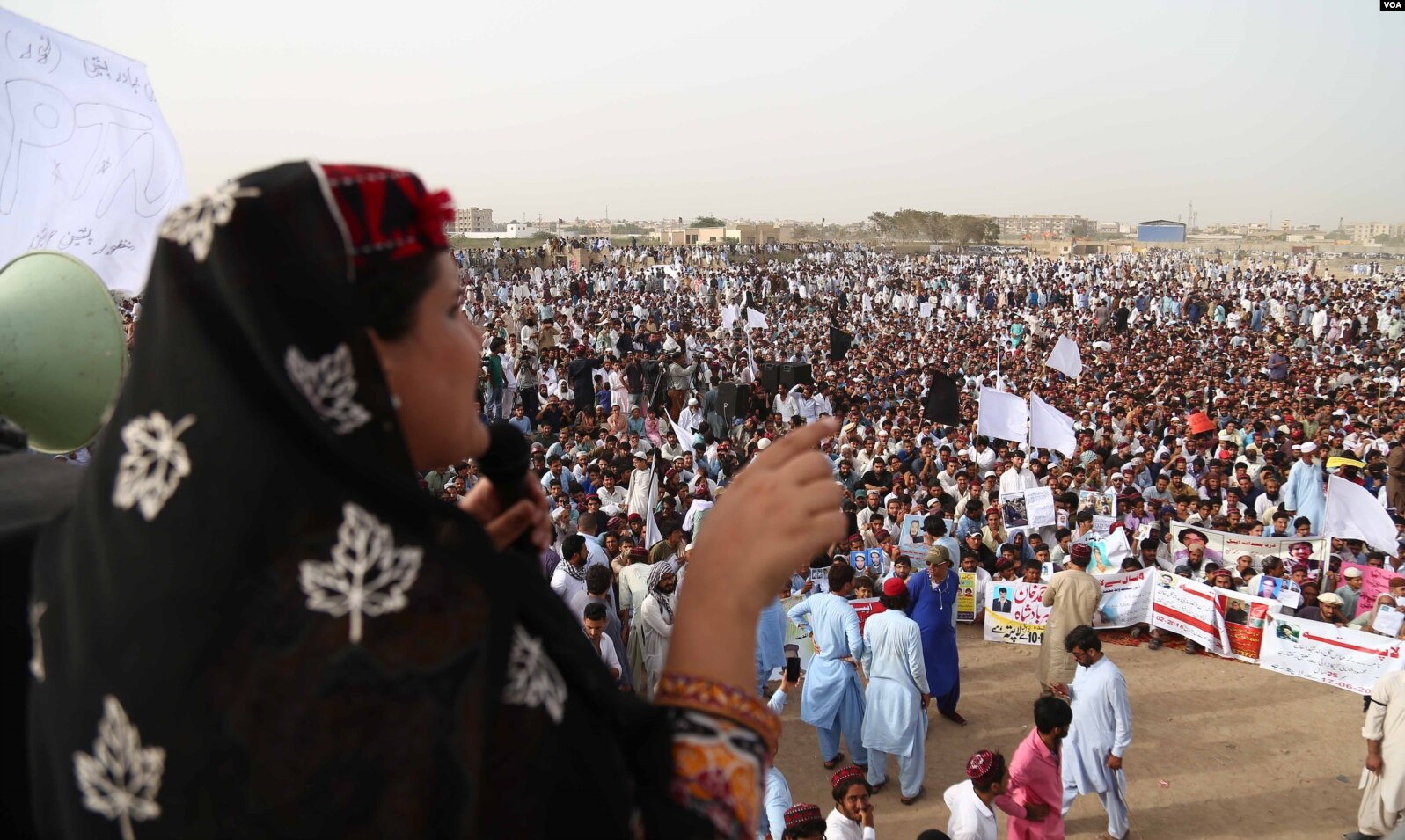
Twelve people were killed in countrywide Pakistani protests on Sunday, 1 March 2026, a day after Iranian Supreme Leader Ayatollah Ali Khamenei was killed in joint US-Israeli air strikes. Ten of the dead were protesters in Karachi and two were killed in Islamabad, according to Dawn correspondents reporting from multiple cities, with the toll disputed by authorities who put the Karachi figure at six.
The day’s most visible flashpoint was the US Consulate on Mai Kolachi Road in Karachi, where Shia protesters breached the security cordon, scaled the compound’s gate and damaged property before being pushed back by Rangers, police and special units firing tear gas and live rounds. Dawn reporters counted spent shell casings, charred motorcycles and the smell of gunpowder around the cordon into the evening; a forklift was eventually brought in to drop a shipping container across the Mai Kolachi side of the road to seal the entrance.
Interior Minister Mohsin Naqvi recorded a video appeal calling on Pakistanis to “stand with you, but please do not take the law into your hands. You may protest but peacefully.” Provincial governments moved separately: Punjab imposed Section 144 across the province for seven days, banning the carrying, display or brandishing of all weapons in public; Gilgit-Baltistan imposed an indefinite curfew in Skardu, with shops and markets shut in Gilgit, Hunza, Nagar, Shigar, Kharmang, Astore and Ghanche; rallies were also reported in Lahore, Dera Ismail Khan and other parts of Khyber Pakhtunkhwa.
The federal response
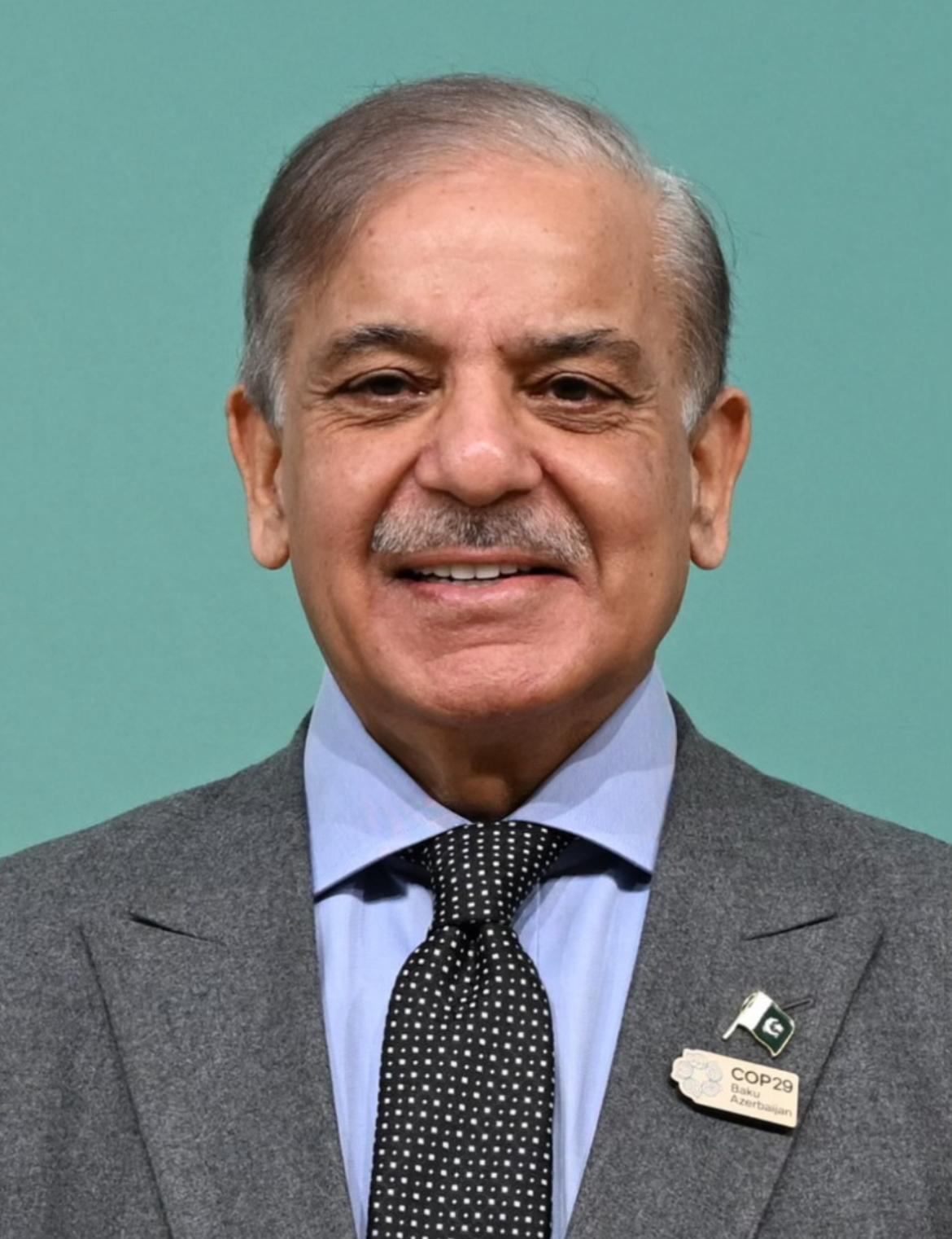
Prime Minister Shehbaz Sharif framed the killing in foreign-policy terms. In posts on X and a separate statement from the Prime Minister’s Office, he said Pakistan “joins the people of Iran in their hour of grief” and “expresses concern over the violation of the norms of international law. It is an age-old convention that the heads of state/government should not be targeted,” according to Geo News and Dawn. President Asif Ali Zardari issued a parallel statement calling the loss “deeply felt across the Muslim world.”
The premier used the day to expand Pakistan’s diplomatic outreach. According to the PMO, he spoke separately to Jordan’s King Abdullah II and Bahrain’s King Hamad bin Isa Al Khalifa, urging restraint and de-escalation after Iran struck several Gulf states in retaliation for the Khamenei killing. The Jordan call focused on the regional fallout; the Bahrain call focused on Iranian attacks on Gulf infrastructure.
What is still uncertain
The casualty figures are not settled. Dawn’s correspondents reported ten killed in Karachi and two in Islamabad on Sunday; the Sindh government statement put the Karachi toll at six and described the casualties as the result of a breach of the consulate perimeter. Several injured remained in hospital and the Edhi Foundation’s ambulance service reported at least one ambulance had been attacked during the protest. Section 144 in Punjab and the curfew in parts of Gilgit-Baltistan were in force at publication; it was not yet clear when the consulate perimeter would be reopened to staff or whether formal diplomatic protests had been filed.
Sources & reporting notes
This is a synthesis of published material, not eyewitness reporting. Sources were reviewed on 2026-03-02.
- Dawn — 10 dead in Karachi, 2 in Islamabad as protests erupt countrywide following Iran supreme leader's assassinationPublished 1 March 2026 · Multi-city casualty tally, US Consulate breach timeline, Section 144 imposition in Punjab, curfew in Gilgit-Baltistan, Interior Minister Naqvi's appeal.
- Geo News — PM Shehbaz terms Khamenei's martyrdom 'violation of international law'Published 1 March 2026 · Federal government response: PM's condemnation, President Zardari's parallel statement, and the premier's calls to Jordan's King Abdullah II and Bahrain's King Hamad bin Isa Al Khalifa.