Reporting snapshot · 30 October 2026 (Asia/Karachi). The bilateral meeting took place on 30 October and both foreign ministries have published their readouts, but the text of the disaster-management memorandum has not been released and neither government has confirmed that it was signed during the visit. The main limitation is that both announcements describe areas of cooperation rather than commitments: no trade, investment, visa or connectivity figure has been attached to any of them.
What happened
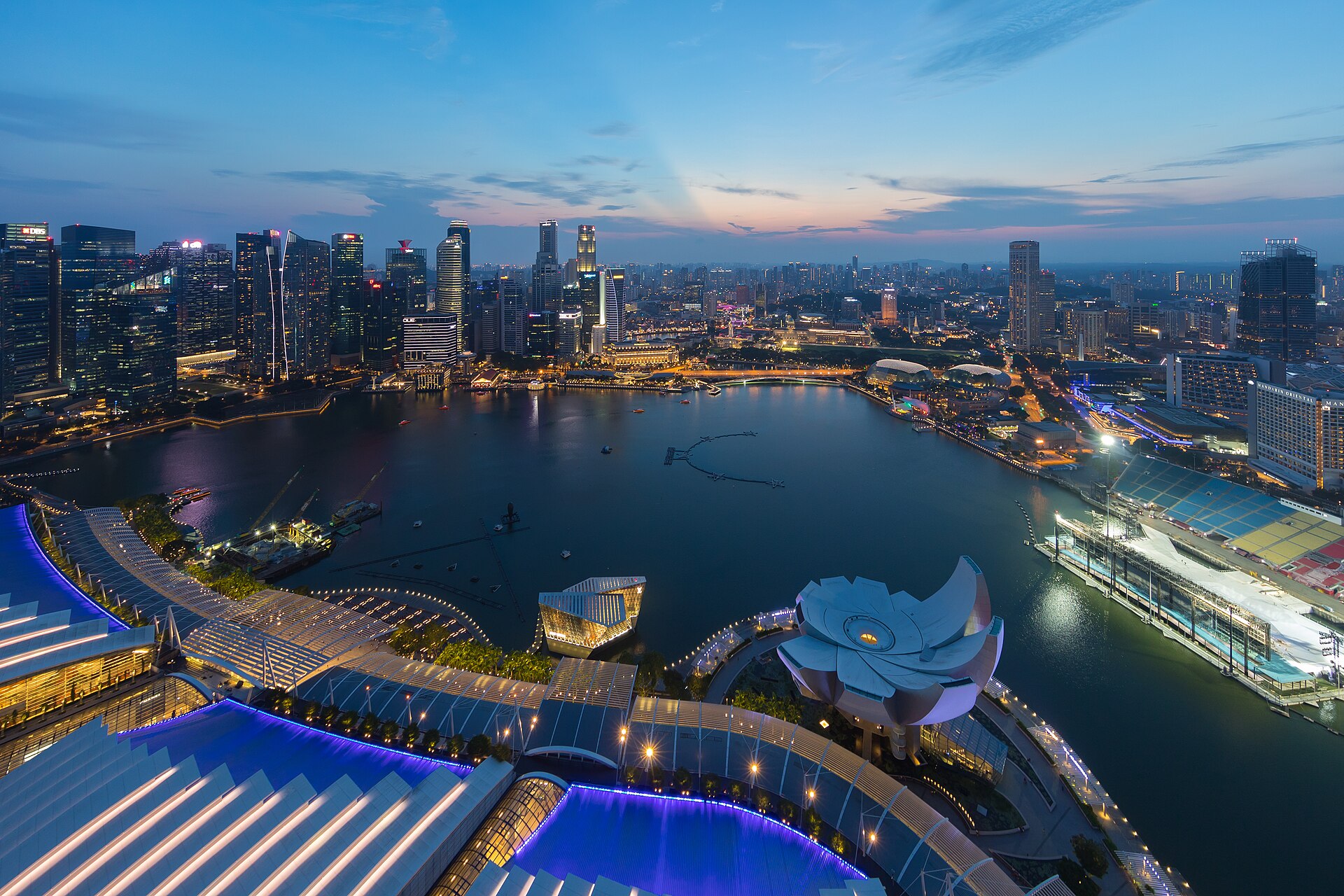
Singapore’s Foreign Minister Dr Vivian Balakrishnan met Deputy Prime Minister and Foreign Minister Senator Mohammad Ishaq Dar at the Ministry of Foreign Affairs in Islamabad on Friday, 30 October 2026, and led delegation-level talks with him, the Press Information Department recorded in its first release of the day. Balakrishnan had arrived in the city that morning and was received at the airport by the foreign ministry’s director general for East Asia Pacific, The Express Tribune reported, while Radio Pakistan said the visit would cover cooperation “in bilateral and multilateral domains”.
The foreign ministry said the two leaders would hold a bilateral meeting and lead delegation-level talks covering what it called the “entire spectrum” of Pakistan–Singapore relations, together with an exchange of views on regional and global developments. A second release recorded that the ministers “reviewed the longstanding and friendly relations” between the two countries as they mark 60 years of diplomatic relations, and that they discussed ways to enhance cooperation in trade, investment, connectivity and skills development while promoting business-to-business exchanges and people-to-people contacts.
The same release said the ministers also discussed cooperation at multilateral fora and “Pakistan’s enhanced engagement with ASEAN, particularly in the context of Singapore’s forthcoming Chairmanship in 2027”. On regional and global developments, the readout says Dar stressed the importance of “dialogue and diplomacy in resolving disputes and advancing lasting peace and stability”.
Why Singapore matters to Islamabad
The visit was timed around two markers. Singapore’s own Ministry of Foreign Affairs said in a statement on 29 October that the trip fell in the year marking the 60th anniversary of diplomatic relations and came ahead of Singapore taking the ASEAN chairmanship in 2027, and that it would open “new areas of cooperation, including disaster management, innovation and research, and education”. That statement also set out the schedule: a joint press conference, a lunch hosted by Dar, calls on Prime Minister Shehbaz Sharif and on Field Marshal Syed Asim Munir, and a visit to the National Center for Artificial Intelligence at the National University of Sciences and Technology.
What separates this visit from much of Dar’s October schedule is what it is about. His calls with the Iranian and Egyptian foreign ministers over the Organisation of Islamic Cooperation and the Houthi attacks on Saudi Arabia, covered earlier this month, belonged to the security lane. The difference shows in what the announcements contain. When Pakistan and Oman met at a joint ministerial commission on 14 October, the two sides published a list of six agreements covering visas, archives, information and broadcasting, telecommunications and news exchange. The Singapore readouts name sectors — trade, investment, connectivity, skills — but attach no text, no date and no number to any of them.
The disaster-management memorandum
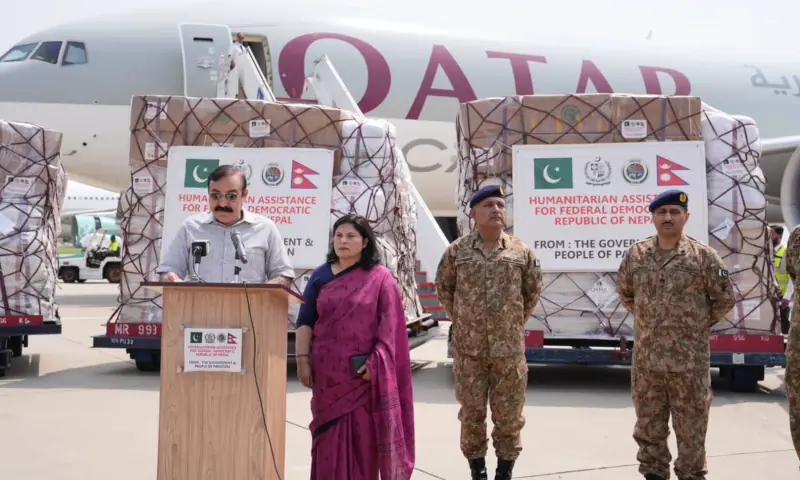
The one deliverable announced with a named signatory is an agreement between Pakistan’s National Disaster Management Authority and Singapore’s Civil Defence Force. The foreign ministry said a memorandum of understanding on cooperation in disaster management “will also be exchanged”, The Express Tribune reported, and Radio Pakistan said the same in its pre-visit announcement of 29 October.
The pairing is the point of the arrangement. It links Pakistan’s National Disaster Management Authority, which issues the flood and landslide warnings that have become a routine part of the monsoon news cycle, with Singapore’s Civil Defence Force. What the announcement does not say is what the memorandum would actually do: whether it covers training, equipment, command support or data sharing, how long it would run, and whether either side would commit money.
What is still uncertain
Three things are open. First, the status of the memorandum. Both announcements used future tense, and neither the Pakistani readouts nor Singapore’s statement confirms that the document was signed during the visit; no text has been published.
Second, whether the day’s other engagements happened as planned. The joint press conference, the lunch and the calls on the prime minister and the army chief were set out in Singapore’s statement before the visit, and neither government has reported on them.
Third, what Pakistan wants from a Singapore that leads ASEAN in 2027. The readout mentions ASEAN engagement but sets out no forum, no working group and no date, and neither published readout sets out a trade target, a visa arrangement or a named connectivity project. Singapore’s side of the account is equally general: the word “connectivity” appears in the Pakistani release without a route, a corridor or a cost attached to it.
For a reader tracking Pakistan’s regional outreach, the visit is best read as an anniversary visit that produced one named institutional link and a long list of intentions. Whether the intentions harden into deliverables before Singapore takes the ASEAN chairmanship next year is the open question.
What to watch
The next check is documentary rather than diplomatic: the text of the NDMA–SCDF memorandum, and any joint statement issued after the delegation talks. Those would show whether the disaster-management link has a defined scope and whether the wider economic language has been converted into a named programme. The 2027 chairmanship is a long runway, but the announcements made in Islamabad on 30 October are the baseline against which later moves will be judged.