What happened
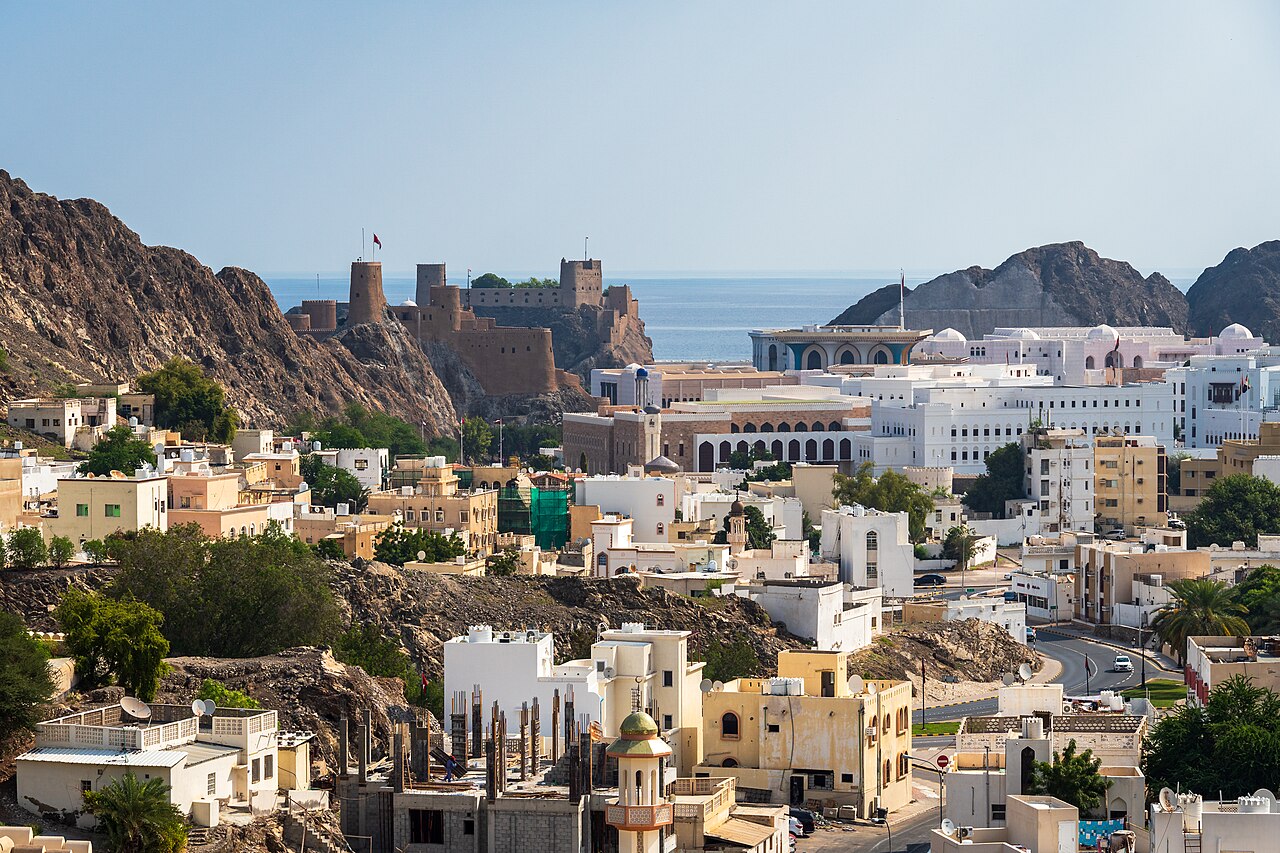
Pakistan and Oman are working toward designating Gwadar and Sohar as sister ports, a Pakistani official said, in a step meant to link the China-Pakistan Economic Corridor (CPEC) more directly with Gulf and Central Asian markets. Arab News reported on 10 September that Islamabad and Muscat were close to a maritime agreement, citing the official on Wednesday 9 September.
The move followed talks earlier that week between Gwadar Port Authority chairman Noor-ul-Haq Baloch and Oman’s consul general in Pakistan, Sami Abdullah Salim Al Khanjari. The two sides are considering developing the ports as “sister ports”, according to a Muscat Daily report republished by Hellenic Shipping News.
What has been said
Baloch told Arab News the process had run for three years, that the government had approved the memorandum of understanding and that some steps were still pending. He called Sohar and Salalah “natural partners” for Gwadar and said both sides wanted to speed up the process and sign this year.
Pakistan’s ambassador to Oman, Syed Naveed Safdar Bokhari, confirmed the talks, the Muscat Daily report said, saying connectivity was an area where both sides were engaging. The discussions also covered a possible direct air service between Gwadar and Oman by SalamAir using the new Gwadar International Airport, Omani investment in the Gwadar Free Zone in logistics, warehousing and fisheries, and cooperation on port management, dredging, digital operations and training. The report said the ministries were expected to work toward an MoU “in the coming weeks”.
Why it matters
Gwadar sits at the centre of CPEC and near the entrance to the Gulf, and Arab News said Pakistan wants it to become a regional trade and transshipment hub. KhabarWire reported on the advance of CPEC Phase II after the prime minister’s talks in Beijing in May.
The timing coincides with disruption to Gulf shipping from the US-Iran conflict, which has already pushed Pakistan to seek alternative fuel routes, as KhabarWire reported when Islamabad planned oil reserves and bonded storage to limit Hormuz risk. Baloch, however, said the initiative is a longer-term strategic vision and is not linked to the Strait of Hormuz disruption.
What remains unclear
A sister-port arrangement is typically a cooperation framework, not a commercial contract. Mohammed A. Rajpar, chairman of the Pakistan Ships Agents Association, told Arab News the real benefits would depend on the terms agreed by the two governments and port authorities. He listed knowledge exchange, joint training, shared commercial discounts for shipping lines and operational priority for each other’s vessels as the usual gains.
No signing date has been announced beyond the aim of finishing this year, and neither side has published the draft text or said what volumes of cargo might move between the two ports.