Reporting snapshot · 29 November 2026 (Asia/Karachi). Netanyahu's offer was a public statement rather than a signed arrangement, and Likud confirmed only that the two leaders would meet in Herzliya on Sunday morning; no coalition agreement existed when this account was published. The length of each turn in the proposed rotation, and whether the parties in Eisenkot's bloc will accept it, have not been published.
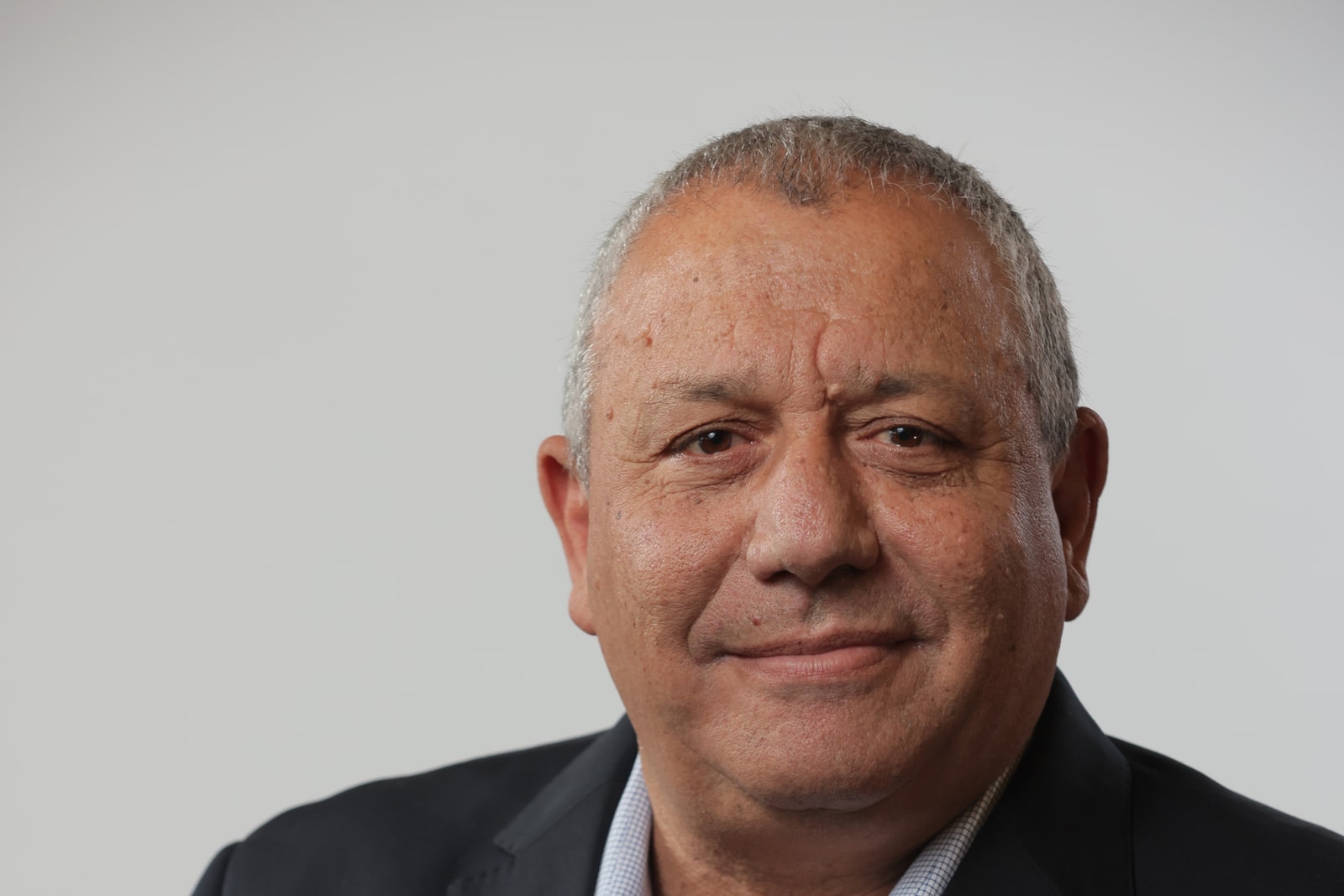
Benjamin Netanyahu said late on Saturday, 28 November, that he was willing to serve second in an Israeli government, offering to let Gadi Eisenkot, the opposition leader who has been trying to replace him, take the premiership first under a rotating unity arrangement. The statement reached Pakistan in the small hours of Sunday, and Netanyahu’s Likud party confirmed that the two men would meet at 10:00 local time on Sunday morning at a hotel in Herzliya, near Tel Aviv, to negotiate a coalition.
In a post on Saturday evening, Netanyahu said he would set aside his party’s standing claim that the largest party should lead the government, BBC News reported: “my responsibility as a leader obligates me to put everything aside, including the principle of the largest party”. He would serve at the start of the term as an “alternate prime minister”, Al Jazeera reported, with Eisenkot leading first. Netanyahu gave a reason for the concession: he was acting because of “the magnitude of the existential danger and the possibility that a government will be formed that does not have the capacity to deal with this danger”, BBC News reported — words read in Israel as a reference to the confrontation with Iran that has already drawn the region into open war.
Eisenkot answered the same night, inviting Netanyahu and his team to the Dan Accadia Hotel in Herzliya for “genuine and accelerated negotiations” and setting a test of his own: “If Likud is ready for genuine unity, I am prepared to see how serious it is over the next 24 hours”, BBC News reported. Likud then said the two had spoken and agreed to meet at 10:00 on Sunday morning, DW reported.
An offer, and what it leaves open
Nothing has been signed, and the statements disagree on how much the concession is worth. Al Jazeera’s account of the talks says the rotation would give Eisenkot the first two years and Netanyahu the final two, a term Netanyahu did not set out in his post. Yair Golan, leader of The Democrats party, rejected the offer outright, posting that “enough tricks and deceitful tactics” had been played and that it was time for “a government of change and rescue”. Naftali Bennett, who leads Beyachad inside Eisenkot’s bloc, took the opposite line: he had already said he favoured a unity government with Eisenkot serving first, and after Netanyahu’s post he said the Likud leader had made the right decision, BBC News reported.
Eisenkot’s own account of the preceding talks is that Likud had not negotiated: he said his side had sent a detailed proposal that the party had not answered, and had refused to put a single concrete proposal on the table, France 24 reported. Al Jazeera’s detailed account puts the number of meetings at five and records three proposals Eisenkot says were rejected: a state inquiry into the October 7 security failures, the removal of “extremists” from government, and a national service law applying to everyone. Likud’s offer, he said, was “the same government, the same partners, no change, no conscription law”.
The arithmetic behind the offer
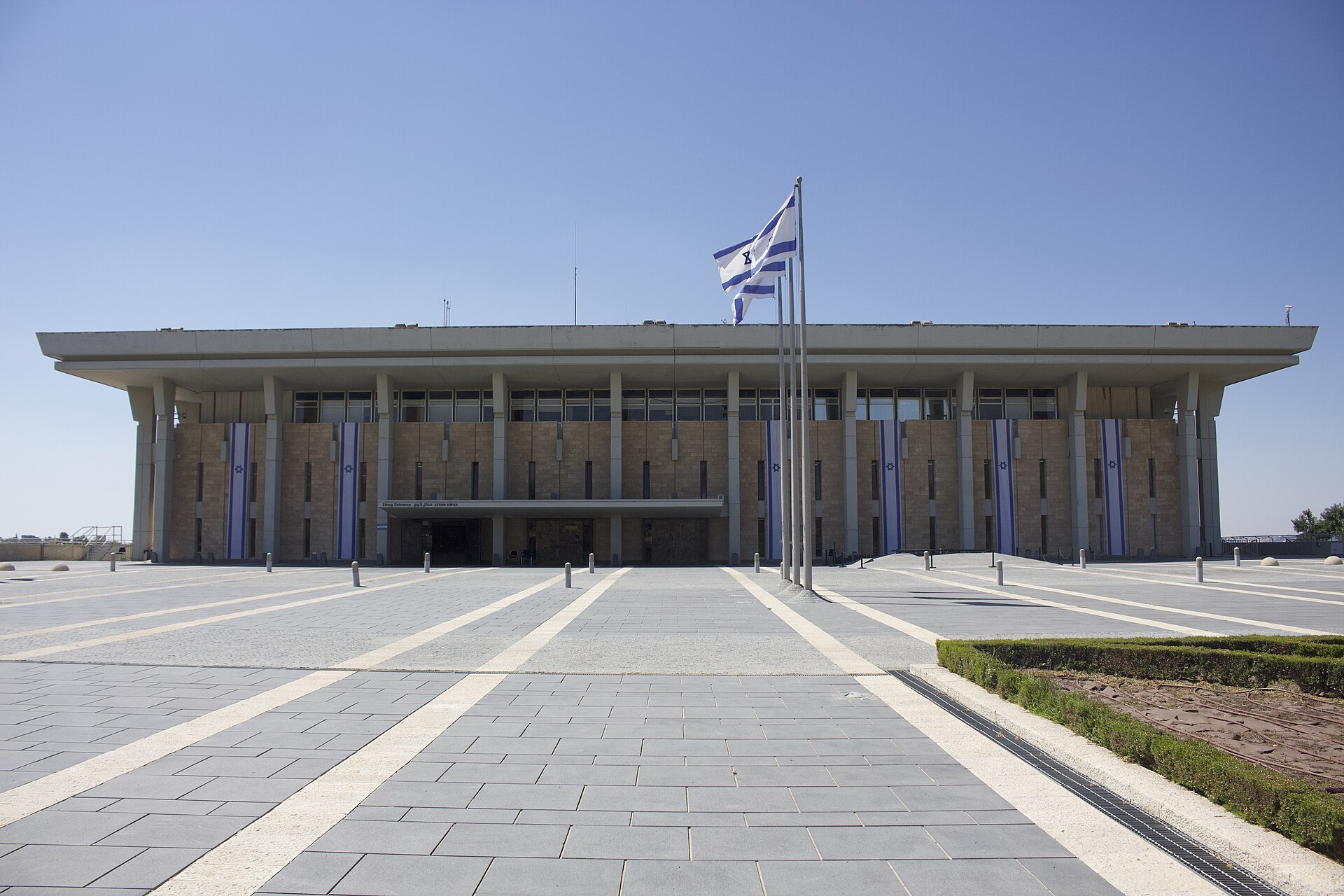
The offer is also the arithmetic. The 120-seat Knesset contains Likud’s 27 seats, the four-party opposition bloc’s 48 — Yashar’s 21, Beyachad’s 12, The Democrats’ eight and Yisrael Beiteinu’s seven — and 19 seats held by two Arab-led lists, the Joint List and the United Arab List, as BBC News set out. A government needs 61 seats. Eisenkot has so far signed only two coalition agreements, with Yisrael Beiteinu and The Democrats, which France 24 put at 36 lawmakers, far short of a majority.
That is why Netanyahu’s bloc matters: the rotation deal offers Eisenkot a route to a majority that does not depend on the Arab-led parties he has ruled out. The alternative route has narrowed too: Mansour Abbas, who chairs the Ra’am party, said on Israeli television that Hamas is a terrorist organisation, a designation Eisenkot had made a condition of joining any coalition, DW reported. Abbas stopped short of saying so explicitly, noting the consequences for relations with Palestinians in Gaza and the West Bank, but the step clears the way for his eight seats to move towards Eisenkot.
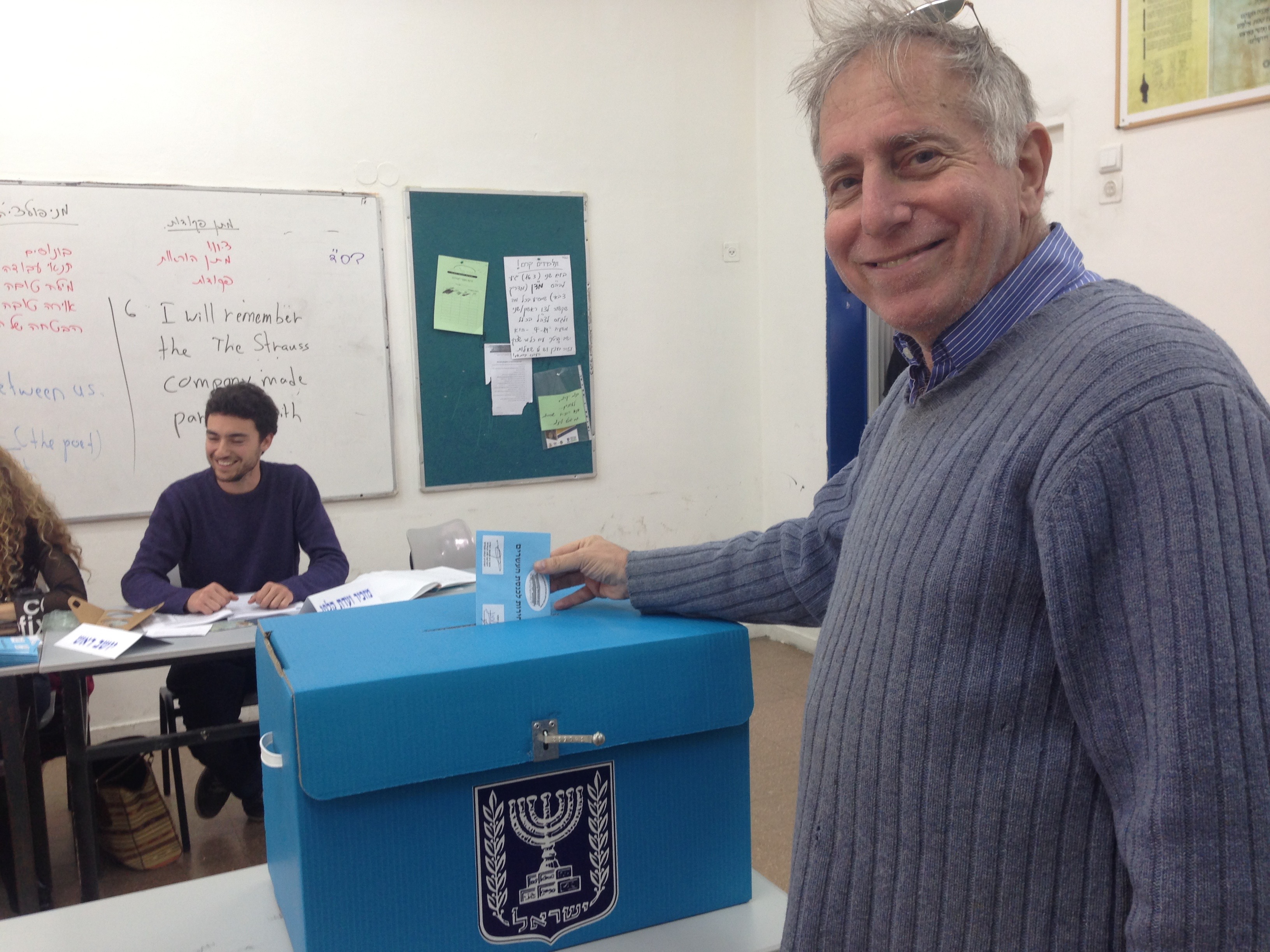
The seat count itself was the product of the October vote, which left both camps short, as KhabarWire reported. President Isaac Herzog gave Eisenkot the first attempt at forming a government on 8 November, a 28-day mandate expiring on 6 December and extendable once by 14 days, KhabarWire reported at the time.
Sunday’s meeting and the 6 December clock
Eisenkot has said he intends to announce a government by the official 6 December deadline without using the 14-day extension, France 24 reported. If he misses it, Herzog can hand the task to another member of the Knesset, including Netanyahu, with 28 days and no extension available, and a further election is the outcome if that fails, Al Jazeera said. The precedent is recent: after the April 2019 vote produced no majority, the Knesset was dissolved and two more elections followed before a unity deal was struck in March 2020.
Two things are already known about Sunday’s meeting. The Democrats, who won eight seats, suspended their talks with Eisenkot during the week in protest at the prospect of Likud remaining in government, Al Jazeera said. And Eisenkot has said publicly that Netanyahu’s strategy is to “run down the clock until the mandate expires”, Al Jazeera reported, adding “I do not intend to cooperate with such a charade”. Nour Odeh, reporting for Al Jazeera from Bethlehem in the occupied West Bank, read the invitation to immediate talks as an attempt to call Netanyahu’s bluff, to establish whether he wanted substance or simply time.
Where Pakistan stands
On the eve of the International Day of Solidarity with the Palestinian People, observed on 29 November, Pakistan’s prime minister, president and deputy prime minister set out the same position. Prime Minister Shehbaz Sharif said Pakistan remained “firmly committed to a just, lasting and comprehensive resolution of the Palestinian question”, and that the country had supported United Nations Security Council Resolution 2803 alongside seven other Arab and Islamic countries to advance the Comprehensive Plan to End the Gaza Conflict, the state news agency reported. He called for the ceasefire to be fully implemented and aid to reach Gaza without obstruction, rejected “any attempts at annexation, forced displacement or alteration of the demographic and geographic character of the Occupied Palestinian Territory”, and pressed for an independent, sovereign, viable and contiguous State of Palestine on the pre-June 1967 borders with Al-Quds Al-Sharif as its capital and full membership of the United Nations.
President Asif Ali Zardari tied that position to Pakistan’s own foundation, recalling that the March 1940 Lahore session of the All-India Muslim League passed a resolution in support of the rights of the Arabs of Palestine and that Muhammad Ali Jinnah championed their demands, APP reported. Deputy Prime Minister and Foreign Minister Ishaq Dar asked the international community to move beyond expressions of solidarity towards “concrete, coordinated and sustained action” to end Palestinian suffering, APP reported. Pakistan has already pressed Israel to implement the ceasefire, the Comprehensive Plan and Resolution 2803 in a joint statement this month, as KhabarWire reported.
What those messages do not do is comment on the Israeli coalition turn, and no Pakistani statement on the Israeli succession was published alongside them. The connection runs the other way: Netanyahu’s own justification was the threat he says only a united government can meet, and the region that threat comes from is the one Islamabad has spent months mediating. Whether a government in which Eisenkot serves first would change the shape of the Gaza ceasefire, the Board of Peace process or the confrontation with Tehran is not yet knowable, and Israel has no diplomatic relations with Pakistan that would make such a change a matter of courtesy. The two files are tracked in KhabarWire’s Israel election and government formation hub and its Pakistan and the Gaza ceasefire hub.