Election aftermath
Israel Election & Government Formation
Israel's 27 October 2026 election left Benjamin Netanyahu's right-wing and religious bloc with 53 seats and Gadi Eisenkot's opposition alliance with 48 in the 120-seat Knesset, while Arab-led parties won a record 19. Neither camp reached the 61 seats needed to govern. This hub follows the coalition arithmetic, President Isaac Herzog's mandate, the negotiations and the consequences for the war in Gaza, the Iran confrontation and Pakistan's diplomacy.
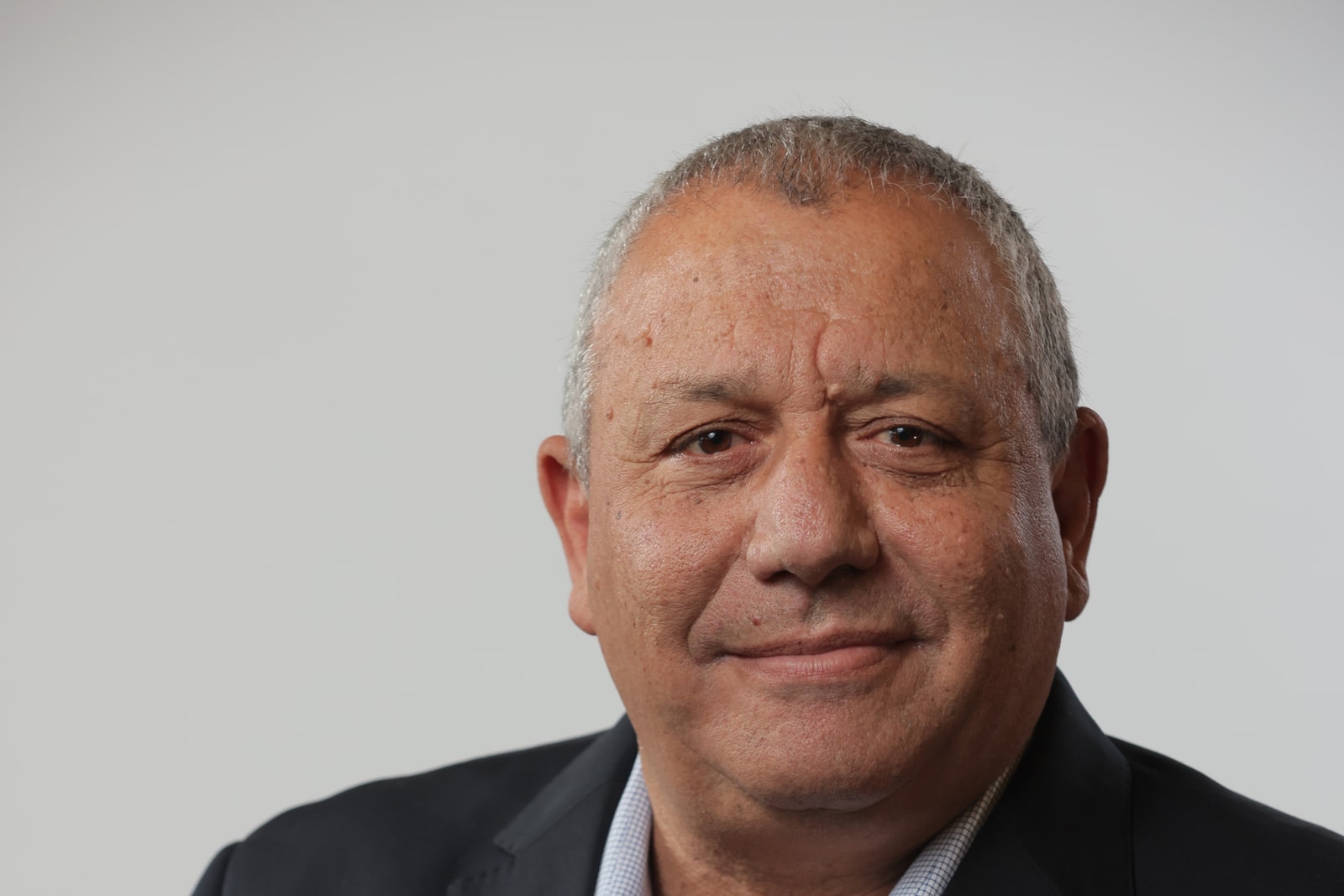
Latest development
8 November 2026Israel's Herzog taps Eisenkot to form government as Netanyahu fights to stay
President Isaac Herzog has tasked Gadi Eisenkot with forming Israel's next government after 67 lawmakers recommended him, leaving Benjamin Netanyahu to fight to stay in office.
Read the storyThe reporting trail
Newest first International — World / International — World
Israel's election leaves Netanyahu and Eisenkot deadlocked with no path to a majority
Netanyahu and Eisenkot's blocs are deadlocked in the 120-seat Knesset after Israel's 27 October vote, with Arab parties on track for a record 19 seats.
 International — World / International — World
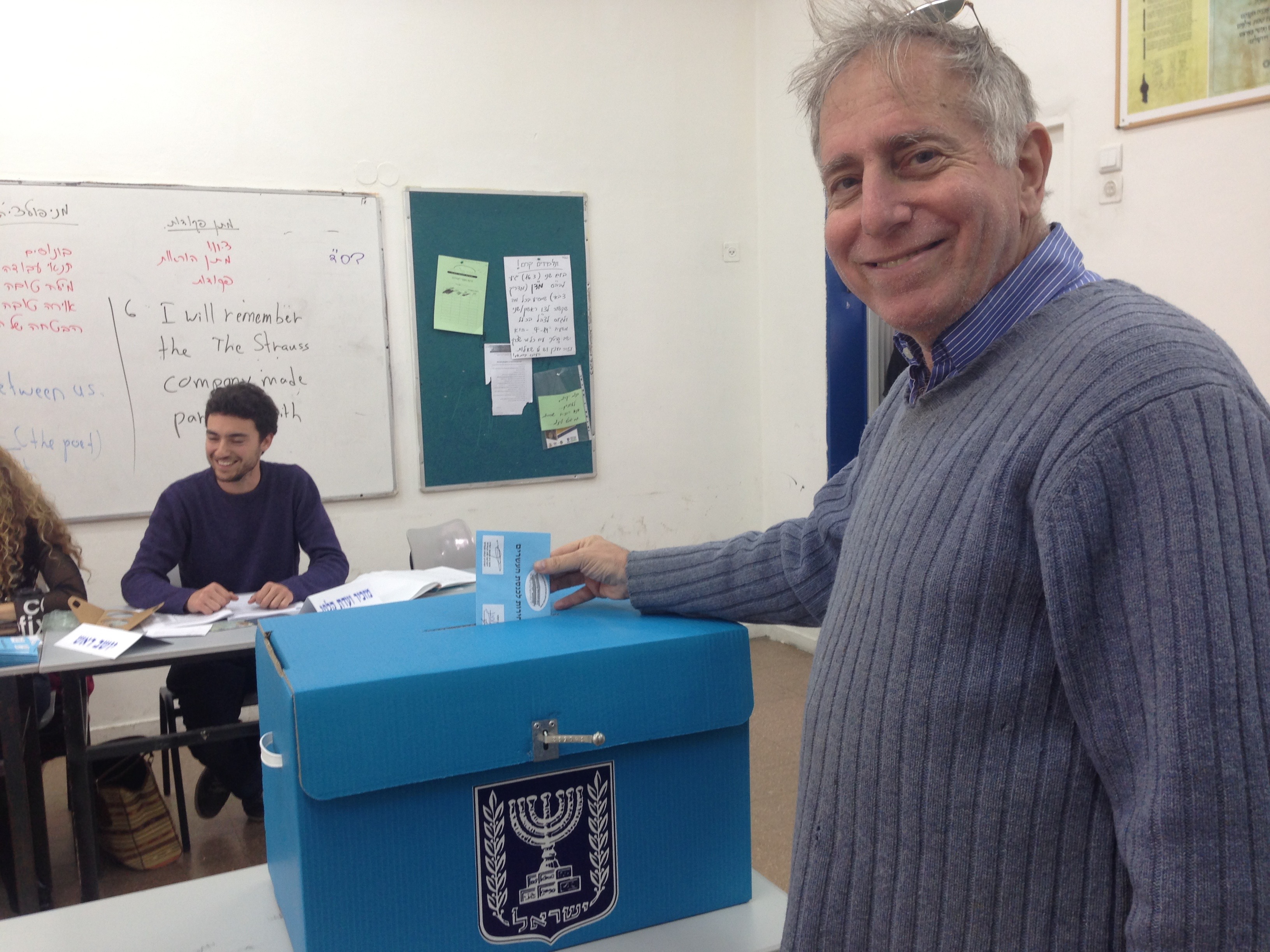
Israel votes on 27 October 2026: Netanyahu's survival, the Iran war and Pakistan's stakes
Israel votes on 27 October 2026 in its first election since the 7 October 2023 attacks, with neither bloc close to a majority. What the result would mean for Pakistan.