Reporting snapshot · 8 November 2026 (Asia/Karachi). Herzog's office says the formal mandate ceremony is scheduled for Sunday, and no coalition agreement has been published. The 28-day negotiating clock, the terms the Arab-led parties would demand for outside support and the intentions of the ultra-Orthodox parties are the main unknowns.
What happened
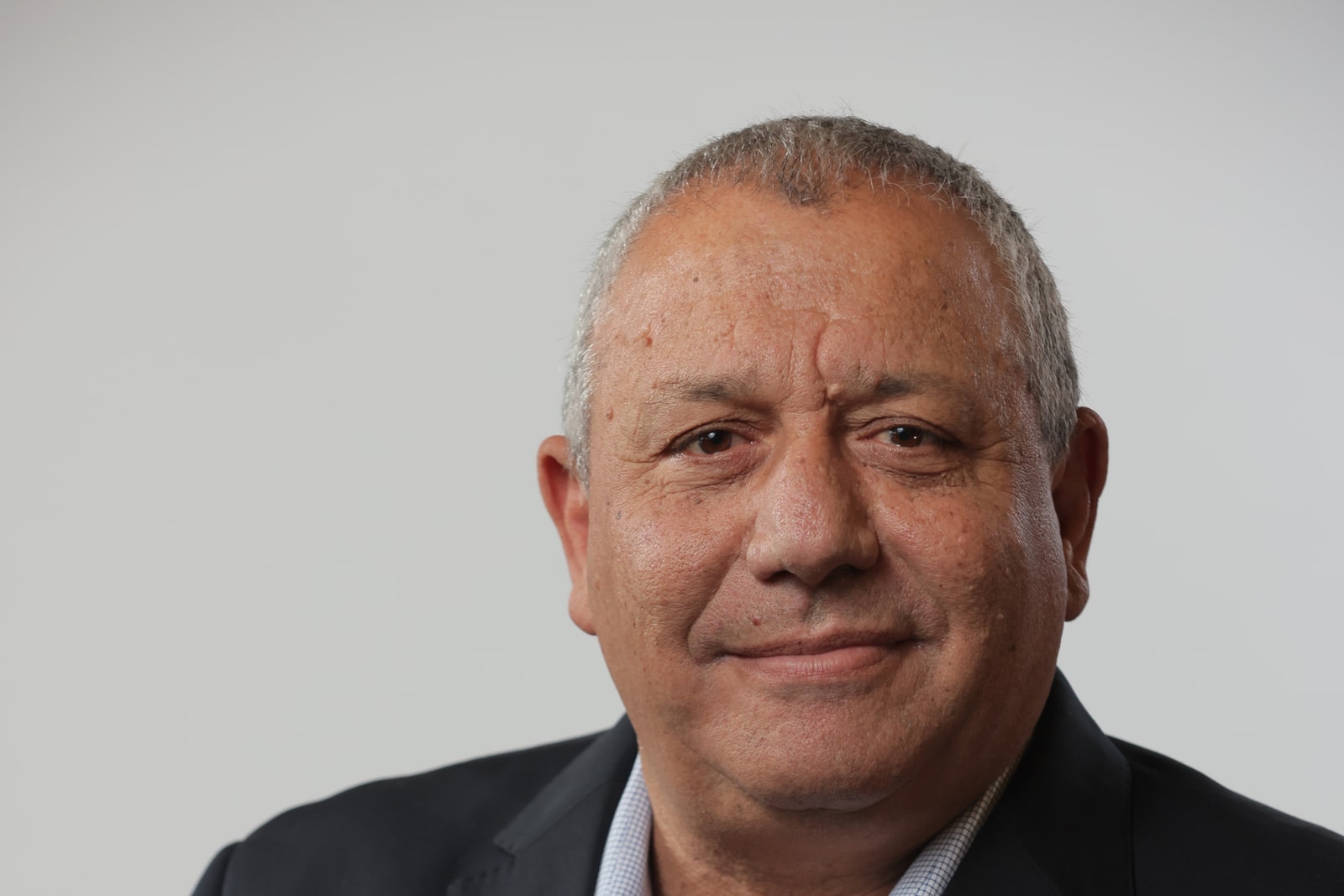
Israel’s President Isaac Herzog has chosen Gadi Eisenkot, the former military chief and leader of the Yashar party, to try to form the country’s next government, his office said, giving the opposition leader the first chance to replace Benjamin Netanyahu. The decision was announced late on Saturday, 7 November, and the formal mandate ceremony was scheduled for Sunday, 8 November, at the president’s residence in Jerusalem, The Guardian reported.
If Eisenkot succeeds, he would take over from Netanyahu, Israel’s longest-serving prime minister, the Guardian reported. Herzog’s office said he had informed both Eisenkot and Netanyahu of the decision after a week of consultations with the parties. Eisenkot received 67 recommendations for the premiership and Netanyahu 46, the office said, BBC News reported.
“Now is the time to form a national emergency government. I will do everything to ensure we are worthy,” Eisenkot said in his first reaction, according to the BBC.
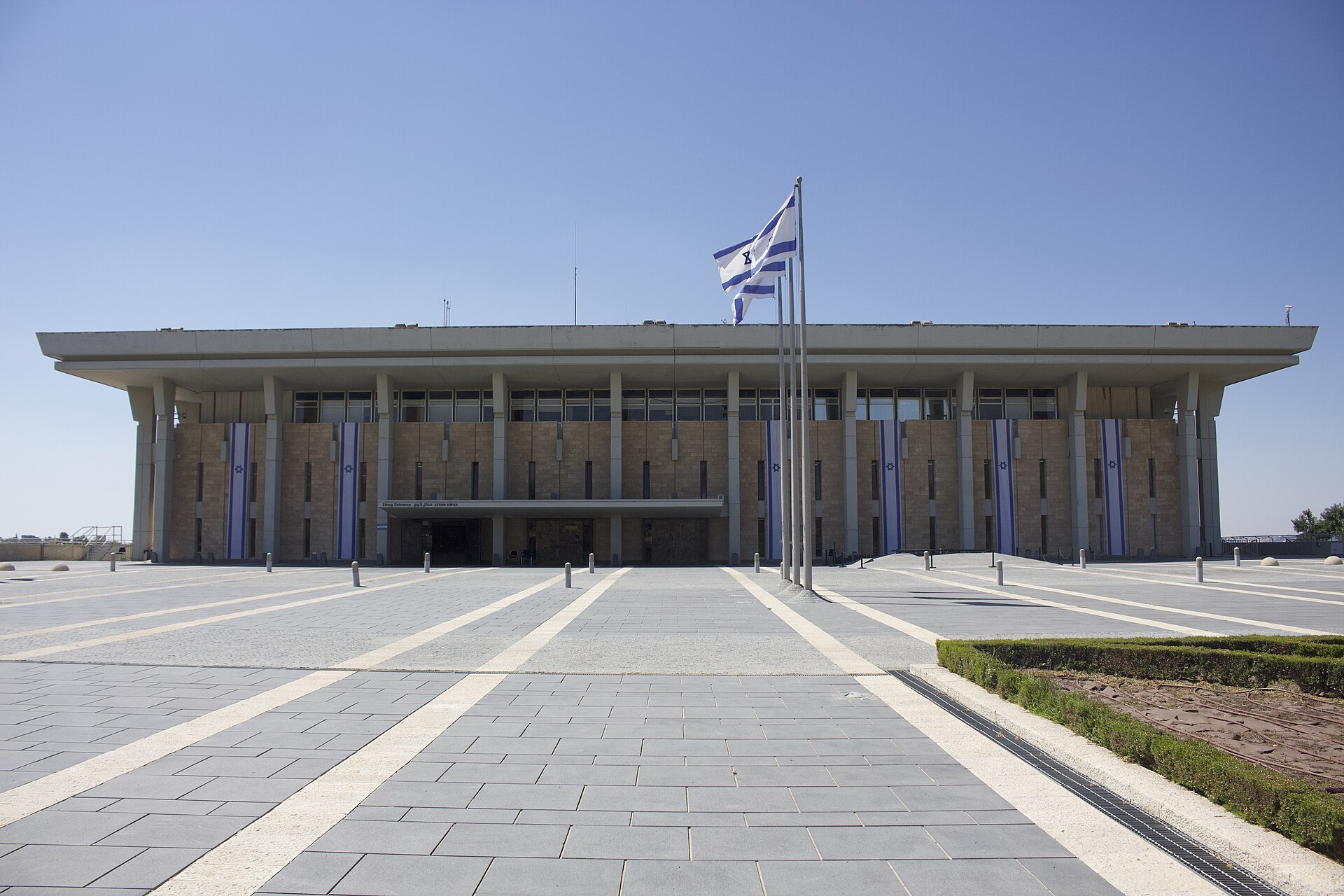
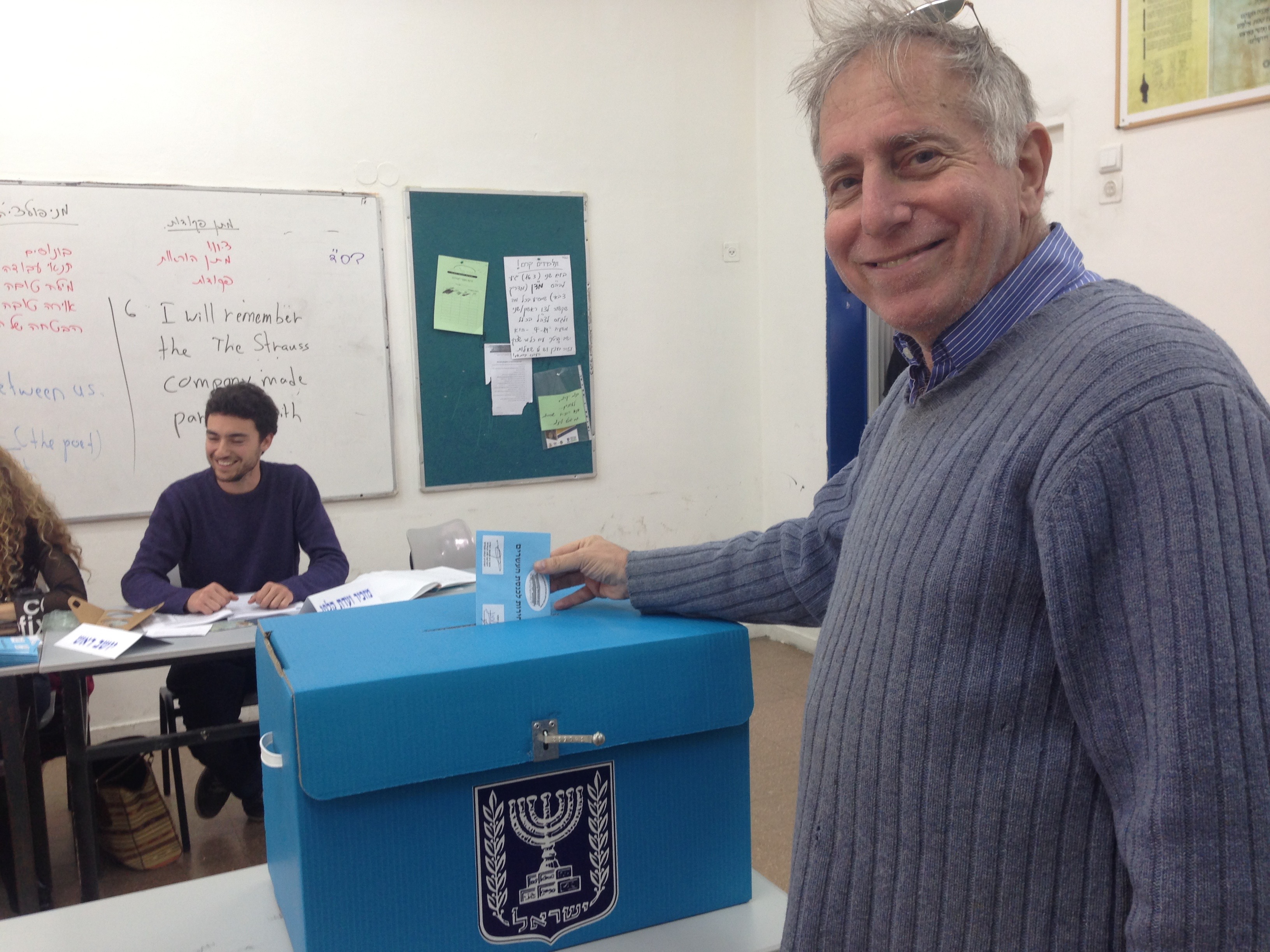
The mandate follows the 27 October election, which left Netanyahu’s right-wing and religious bloc with 53 seats and Eisenkot’s four-party opposition alliance with 48 in the 120-seat Knesset. Arab-led parties representing Palestinian citizens of Israel won a record 19 seats. Neither camp reached the 61 needed for a majority, as KhabarWire reported after the vote.
Herzog’s decision was not a surprise. Under Israeli practice, the president picks the candidate he believes has the best chance of building a coalition, and he is not bound to choose the leader of the largest party, the BBC explained. The 67 recommendations gave Eisenkot the clearer path, even though Netanyahu’s bloc won more seats.
The arithmetic of 61
Eisenkot now has 28 days to assemble a government, with a possible 14-day extension, the BBC reported. His route is narrow. The four-party alliance he leads has 48 seats; Netanyahu’s bloc has 53. The 19 Arab-led seats would be enough to put Eisenkot over the line, but he has ruled out forming a government with the Arab-led parties, Al Jazeera reported. That leaves a minority government that relies on their support from outside the coalition, or a deal with the two ultra-Orthodox parties, United Torah Judaism and Shas, which would give him exactly 61 seats if both joined, according to Al Jazeera.
Both paths are difficult. The Arab-led parties endorsed Eisenkot for the mandate but have not agreed to join a government. Ahmad Tibi, a senior member of the Joint List, told Al Jazeera that he expected Eisenkot to head a minority government “with external support from the Arab parties”, adding that the priority was to bring down “the government of Netanyahu, [Itamar] Ben-Gvir and [Bezalel] Smotrich”, Al Jazeera reported.
The ultra-Orthodox parties were part of Netanyahu’s bloc, and a deal with them would also be difficult, the BBC reported. Eisenkot could alternatively try a national unity government with Netanyahu, an arrangement with precedent: in 2020, after three deadlocked elections, Netanyahu and his centrist rival Benny Gantz agreed a power-sharing deal with a rotating premiership, the BBC noted.
Netanyahu warned that a government formed by the opposition bloc with support from Arab-led parties would “dismantle the state of Israel from within”, Al Jazeera reported. He remains caretaker prime minister while the talks run. If Eisenkot fails, Herzog can nominate another candidate; if that nominee also fails, a parliamentary majority can back a third candidate with a final 14 days. If no government is formed, Israel would hold another election within 90 days, Al Jazeera reported. Israel held five elections between 2019 and 2022 after similar deadlocks, the Guardian noted.
What it means for Netanyahu and the region
The mandate is a setback for Netanyahu, but not yet his removal. His bloc remains the largest in the Knesset with 53 seats, and he retains the caretaker role while Eisenkot negotiates. Netanyahu’s warning about a government reliant on Arab-led parties sets out the argument he is making against the alternative.
Eisenkot is not a neutral figure. He led the Israeli military from 2015 to 2019 and later served as an observer in Netanyahu’s war cabinet, Al Jazeera reported. He has said he opposes a Palestinian state while vowing to end Hamas’s rule in Gaza and destroy its military wing, and he has promised to crack down on extremist West Bank settlers, describing recent settler attacks as “Jewish terror”, the Guardian reported. Those positions matter for any government he leads.
The leadership contest comes against the wider US-Iran confrontation and the war in Gaza, both of which shape Pakistan’s diplomacy. Pakistan has been mediating between Washington and Tehran and has used the UN Security Council to argue for a diplomatic settlement, as KhabarWire reported. Whether Eisenkot would change Israel’s approach to the US-Iran talks is not yet clear. The Israel election and government formation hub tracks the coalition talks and their consequences.
What is still uncertain
The formal mandate ceremony was scheduled for Sunday, but the full text of the mandate letter has not been published, and no coalition agreement has been announced. The first real test is whether Eisenkot can convert the 67 recommendations into 61 seats in the Knesset.
Two routes remain open. The Arab-led parties could support a minority government from outside, but Eisenkot has said he will not bring them into the coalition; whether his own bloc would accept such an arrangement is unclear, the Guardian reported. The ultra-Orthodox parties could give him exactly 61 seats, but it is not clear whether they would leave Netanyahu’s bloc, and their terms are unknown.
Netanyahu’s next move is also uncertain. He could try to peel away defectors from Eisenkot’s bloc, or force another election. If the talks fail, Israel could be back at the polls within 90 days. For now, the only confirmed change is that Herzog has given Eisenkot the first attempt, not that Netanyahu has been replaced.