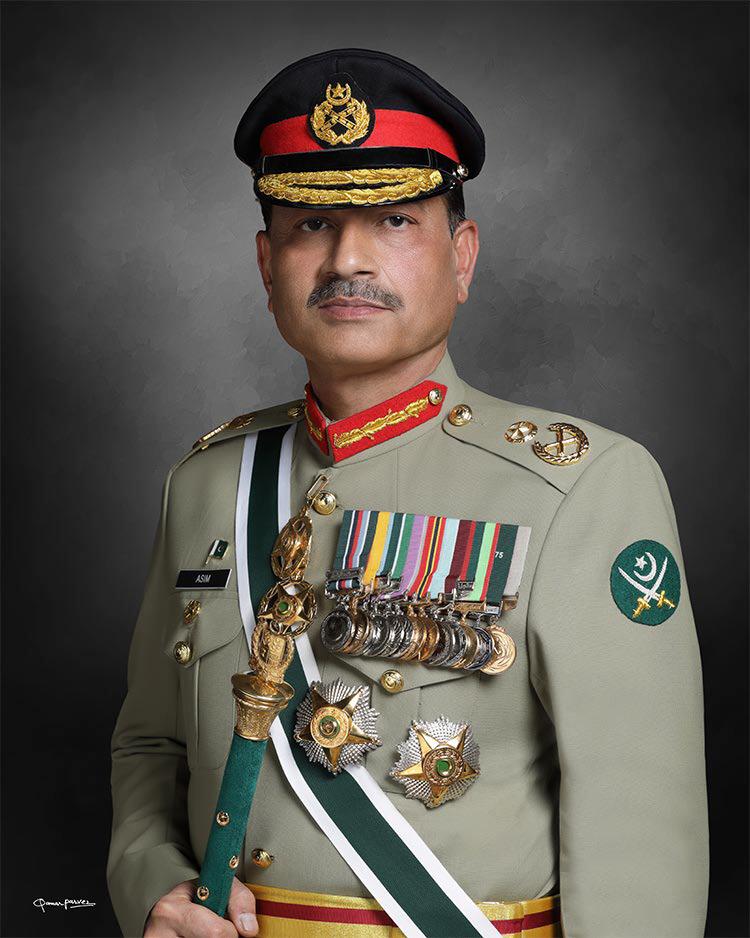
Reporting snapshot · 20 October 2026 (Asia/Karachi). Iran's Tasnim news agency reported that Field Marshal Asim Munir was due in Tehran on Tuesday for talks on the US-Iran standoff. The visit follows Interior Minister Mohsin Naqvi's Doha Global Security Forum speech on 19 October and DPM Ishaq Dar's [separate outreach to Iran's Araghchi and Egypt's Abdelatty](/blog/dar-regional-diplomacy-iranian-egyptian-fms-2026-10-19/) the previous Sunday. This is a synthesis of reported plans, not eyewitness coverage; the visit itself had not been formally confirmed by Pakistan's foreign office at the time of writing.
What happened
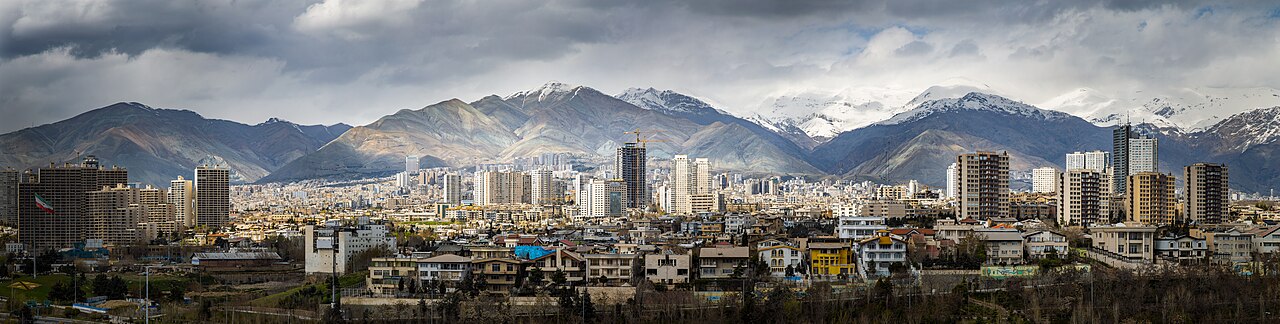
Iran’s Tasnim news agency reported on Monday evening that Pakistan’s Chief of Defence Forces (CDF) and Chief of the Army Staff (COAS) Field Marshal Syed Asim Munir was scheduled to travel to Tehran on Tuesday 20 October for talks on the US-Iran conflict and broader regional developments, Reuters and Geo News reported on 20 October.
Munir is expected to meet Iranian officials, including counterparts in the armed forces and political leadership, to discuss Pakistan’s “good offices” between Tehran and Washington and recent regional security developments. Tasnim said the visit built on the earlier 23 August Munir trip to Tehran and the reported September plan for another high-level delegation led by Interior Minister Mohsin Naqvi.
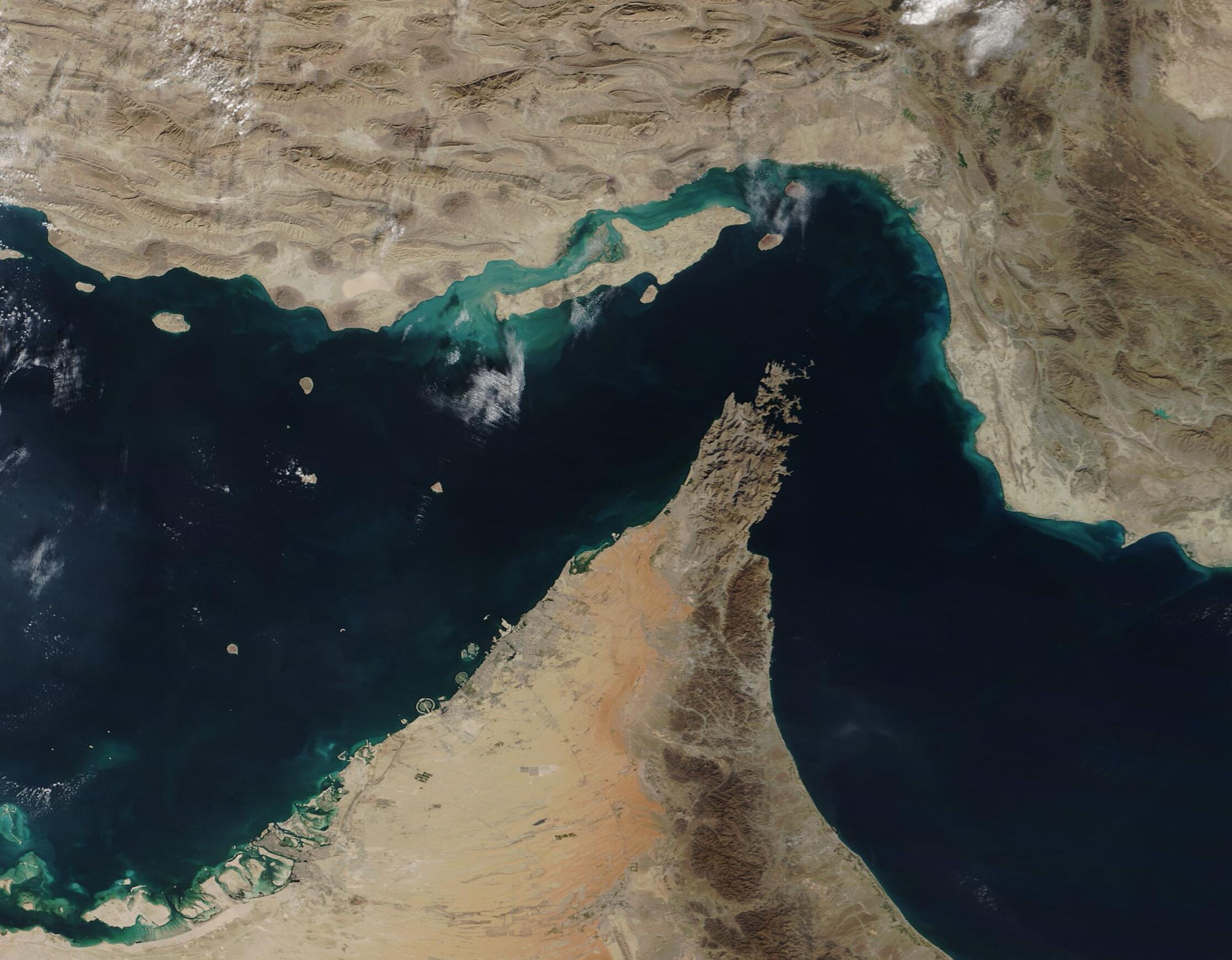
Pakistan has played a central mediating role since the start of the US-Israeli campaign against Iran in February, brokering the 8 April ceasefire, hosting direct US-Iran contact on 11–12 April and the 17 June signing of the Islamabad Memorandum of Understanding in Geneva. The MoU set a framework towards a permanent end to the war; subsequent talks broke down over security guarantees and freedom of navigation through the Strait of Hormuz.
Why this visit, why now
The trip comes at a sensitive moment in the wider regional picture. Three things have moved since Munir’s last Tehran visit in August.
The Houthi campaign against Saudi Arabia has escalated again, with strikes on King Khalid International Airport in Riyadh on 10 and 12 October and on a residential area in Najran on Saturday. Reuters, citing Tasnim, said Munir’s talks would also cover “broader regional developments” — a phrase that has consistently included the Houthi file.
Iran’s rhetoric has hardened. The IRGC said on Monday that seven major internet cables cross the Strait of Hormuz and warned of “new targets” if the war resumes; the same day, the IRGC claimed to have shot down a 54th US MQ-9 drone over the waterway. Iran’s foreign minister, Abbas Araghchi, told state media on Sunday that Tehran’s proposal to reopen Hormuz within seven days remained on the table if Washington met its conditions.
Pakistan’s diplomatic traffic on the file has run at a steady tempo in the 48 hours before Munir’s trip. On Sunday 18 October, DPM Dar spoke by phone first with Iran’s Araghchi and then with Egypt’s Badr Abdelatty, aligning Pakistan with Egypt on an explicit condemnation of Houthi attacks on Saudi Arabia. On Monday 19 October, Interior Minister Naqvi used his Doha speech to argue that lasting US-Iran peace required “patience, trust and continuous efforts” and praised Qatar’s co-mediation. The 20 October Munir visit is the third leg of that same outreach — the senior-most, on the security track rather than the foreign-ministerial one.
What the two sides are likely to discuss
The Tasnim summary frames the agenda as the US-Iran conflict and “broader regional developments”. Three sub-themes can be reconstructed from the public statements of the past week.
On the nuclear track, Iran has insisted its nuclear file be addressed separately from any deal on shipping. The IRGC said on Monday that US forces were “exhausted and worn out” and unable to launch a new conflict, while its spokesman said capabilities were now “at least 1.5 times greater” than before the February war. Those statements signal a low Iranian appetite to reopen concessions, and Munir is unlikely to push Tehran beyond what is already on the table.
On the shipping and Hormuz track, Iran’s seven-day reopening proposal has been on the table since the foreign minister’s late-September remarks. The 26 September report that Trump had rejected the seven-day plan and that his aides expected renewed bombing has not, in the event, been followed by a strike; Reuters reported on 4 October that Iran was tying any Hormuz reopening to seven conditions drawn from the original Islamabad MoU. The Pakistan-hosted track has consistently argued that a sequenced deal on navigation is the most realistic opening.
On the Houthi and regional security track, the alignment Dar struck with Abdelatty on Sunday — explicit condemnation of the Houthi strikes, with the R-4 grouping as the standing venue — gives Pakistan a more legible posture than the balancing act the foreign office held to on 17 October. Munir’s Tehran meeting is the venue in which that posture will be tested against Tehran’s response.
Why it matters for Pakistan
For Pakistan, the visit is as much about the bilateral with Iran as the wider file. Tehran is one of Pakistan’s two large neighbours to its west, and the Pakistan-Iran border has been its busiest line of diplomacy in 2026 — running from the August joint statement on border crossings to the 16 October de-escalation talks on the OIC sidelines in Baghdad and the 18 October closure of the Taftan crossing after FIA closed the immigration gate.
Sending the chief of defence forces rather than a foreign-ministry official signals how seriously Islamabad reads the moment, and tells Tehran that the security track is being kept deliberately distinct from the foreign-ministerial one. The Makkah Joint Defence Agreement — which obliges Pakistan, Saudi Arabia and Turkiye to treat an armed attack on one signatory as an attack on all — adds a domestic constraint on how openly Pakistan can carry an Iranian message on the Houthi file, and Munir’s presence in Tehran is one way to keep that balance while still engaging.
What is still uncertain
Pakistan’s foreign office had not, at the time of writing, formally confirmed Munir’s travel, and the full list of Iranian interlocutors had not been published. The Reuters and Geo News stories both rely on Tasnim for the date and agenda; Iran-aligned outlets sometimes preview visits that are subsequently scaled back.
The state of US-Iran talks is also unresolved. The last formal direct contact Reuters has confirmed was the 23 September three-hour meeting on the sidelines of the UN General Assembly in New York. Trump’s reported 26 September rejection of the seven-day Hormuz plan has not been followed by the renewed bombing his aides predicted, but the IRGC’s 19 October warnings of “new targets” point to a posture that could shift quickly.
It is unclear how Munir’s Tehran visit lines up with the diplomatic calendar of the Makkah pact. Saudi Arabia’s flagship investment conference was postponed from next week to 2027 on Monday following the Riyadh airport strikes, and the next R-4 ministerial meeting, agreed by Dar and Abdelatty on Sunday, has no fixed date.
Sources & reporting notes
This is a synthesis of reported plans, official statements and published reporting, not eyewitness coverage. The substance of the 20 October Munir visit to Tehran comes from Reuters via Geo News (which cites Tasnim) and The Express Tribune's same-day wire copy. The Naqvi Doha Global Security Forum speech, the Dar–Araghchi and Dar–Abdelatty phone calls, and the 17 October FO balancing-act briefing are covered in earlier KhabarWire articles. Pakistan's foreign office had not, at the time of writing, issued its own confirmation of the visit; the read-out here relies on Iranian and Pakistani media reports.
- Primary record — Geo News (Reuters wire), 20 October 2026: "CDF Munir set to visit Tehran today amid stalled US-Iran talks: report"20 October 2026 · Reuters-sourced report of the 20 October Munir Tehran trip, citing Tasnim for the agenda and a Pakistani official for the bilateral framing, and quoting Interior Minister Mohsin Naqvi's 19 October Doha Global Security Forum speech on US-Iran mediation.
- Independent source — The Express Tribune (Reuters / Anadolu Agency), 20 October 2026: "CDF Munir to visit Tehran for talks on US-Iran mediation: Iranian media"20 October 2026 · Reuters and Anadolu Agency wire copy carrying the same Tasnim announcement, with additional IRGC, Iranian foreign ministry and HSBC reporting on Hormuz and a Reuters note on the IRGC's claimed 19 October downing of a US MQ-9 drone.
- Independent source — Pakistan Today, 19 October 2026: "Naqvi says Pakistan 'never gave up' on US-Iran peace efforts"19 October 2026 · Pakistan-side coverage of Interior Minister Mohsin Naqvi's 19 October speech to the 8th Global Security Forum in Doha, which sets the public framing for the 20 October Munir visit.