What happened
Breaches in Nullah Deg and Bherr eroded the soil beneath railway bridges and forced Pakistan Railways to suspend all passenger and freight traffic on the Lahore–Faisalabad section via Shahdara and Sheikhupura, Dawn reported.
Lahore Divisional Superintendent Inam-ullah Khan said the railway had “no option but to suspend all passenger and freight train operations” after floodwater isolated the line at two bridges, including a major bridge near Qila Sattar Shah. He said engineering teams would begin rehabilitation work as soon as the floodwaters receded.
Which services are affected
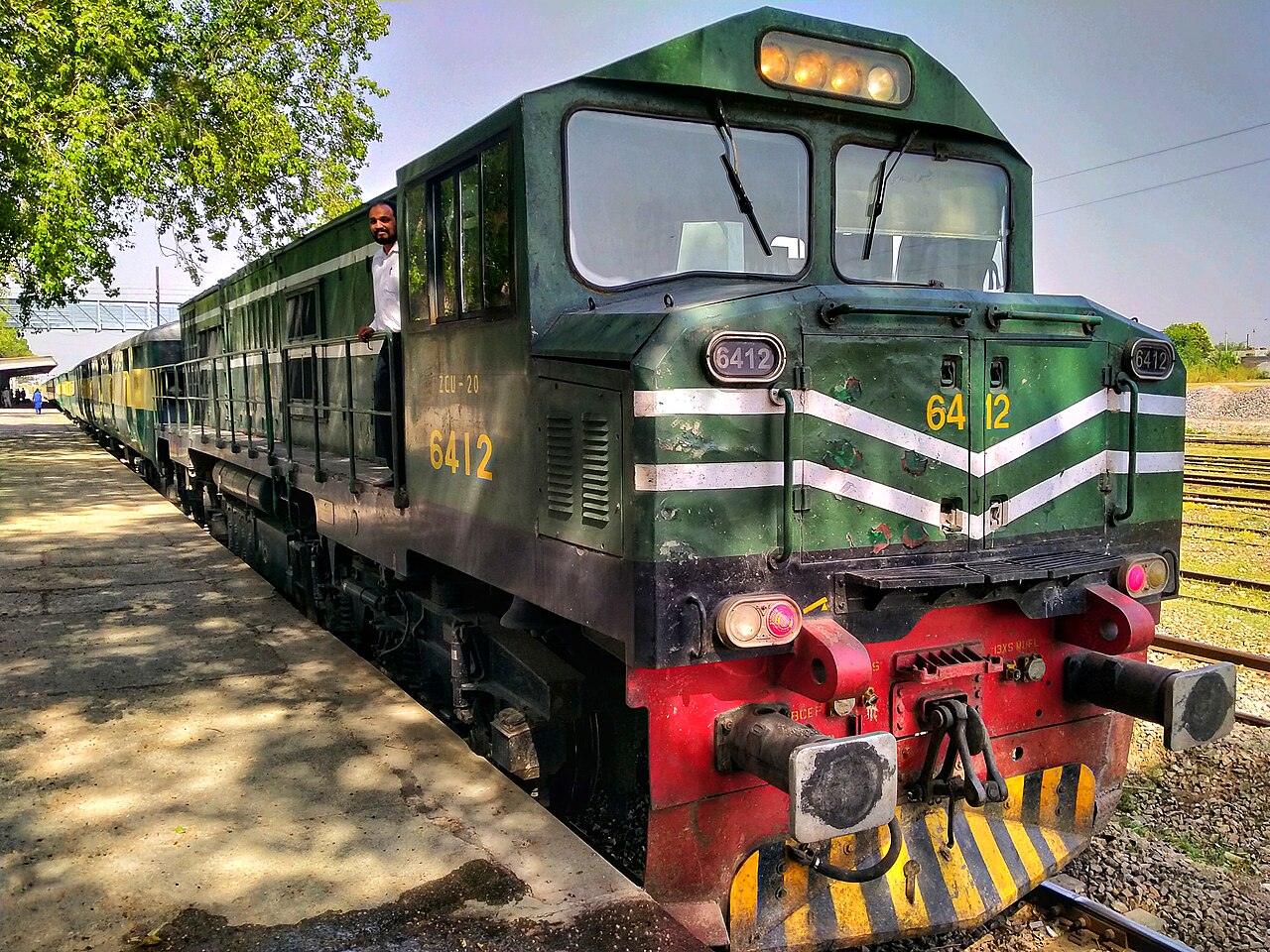
Pakistan Railways cancelled all departures from Lahore to Faisalabad as well as the Lahore–Karachi and Khanewal–Lahore services that run via Faisalabad. The Badr Express and Ghori Express, both of which operate between Lahore and Faisalabad, were cancelled, and passengers with confirmed reservations were told to claim full refunds.
Karachi-bound trains were diverted through Sahiwal and Khanewal. The Karakoram Express (42-Down) was to leave Lahore at its scheduled 3pm time via Sahiwal instead of Faisalabad, the Shalimar Express was also diverted via Sahiwal, and the Mianwali Express was rerouted through Wazirabad and Lala Musa.
Why it matters
The suspension hit a key freight and passenger corridor in the middle of the monsoon. Officials said the latest spell of heavy rain had disrupted railway operations on several routes originating from Lahore and Faisalabad, causing delays, diversions and cancellations, with engineering teams deployed to the damaged bridges.
River levels
The Flood Forecasting Division said the Ravi was in medium flood at the Sidhnai Headworks in Khanewal district, and warned that the Indus at Guddu could rise to medium flood. The Chenab was in low flood at the Khanki, Qadirabad and Trimmu headworks, while the Indus was in low flood at Tarbela, Kalabagh, Taunsa and Guddu, with a discharge of 323,884 cusecs recorded at Chacharan Sharif (Benazir Pul) in Rajanpur. Sukkur was expected to see low flood within 24 to 36 hours.
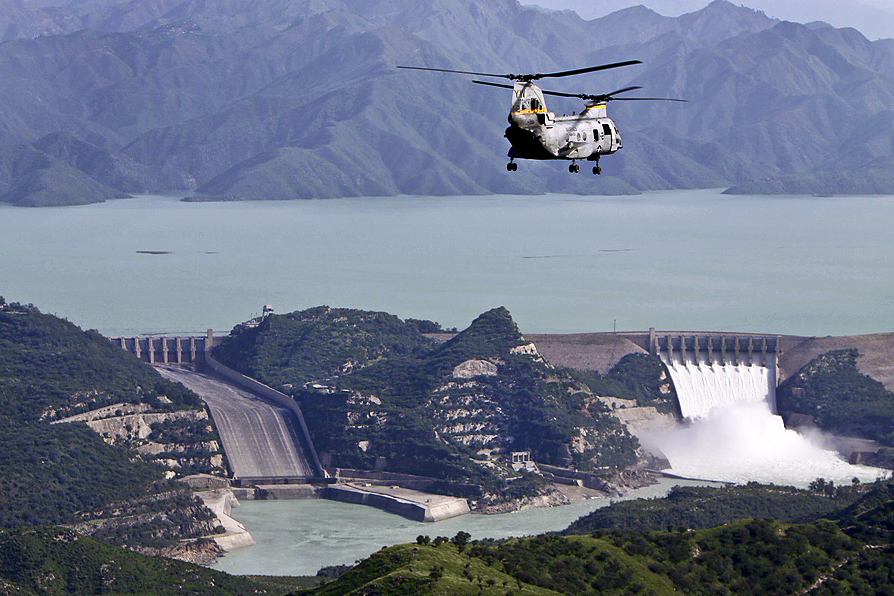
Heavy rain and flash floods pushed the Tarbela reservoir to 1,531.11 feet, 19 feet below its maximum conservation level of 1,550 feet. The level rose three feet in a day, with an inflow of 262,300 cusecs against an outflow of 181,300 cusecs. Live storage stood at 4.513 MAF, or 81 per cent of capacity.
The Met Office forecast isolated rain, wind and thunderstorms over the upper catchments of all major rivers, Islamabad, Kashmir and parts of Punjab, Khyber Pakhtunkhwa and Gilgit-Baltistan.
Sources & reporting notes
This is a summary of published reporting, not independent reporting. Details are as carried by the cited source, which was reviewed on 29 July 2026.
- Dawn — "Floodwaters sever rail link between Lahore, Faisalabad"28 July 2026 · The suspension of the Lahore–Faisalabad section, the cancelled and diverted services, and the river and reservoir levels.