What happened
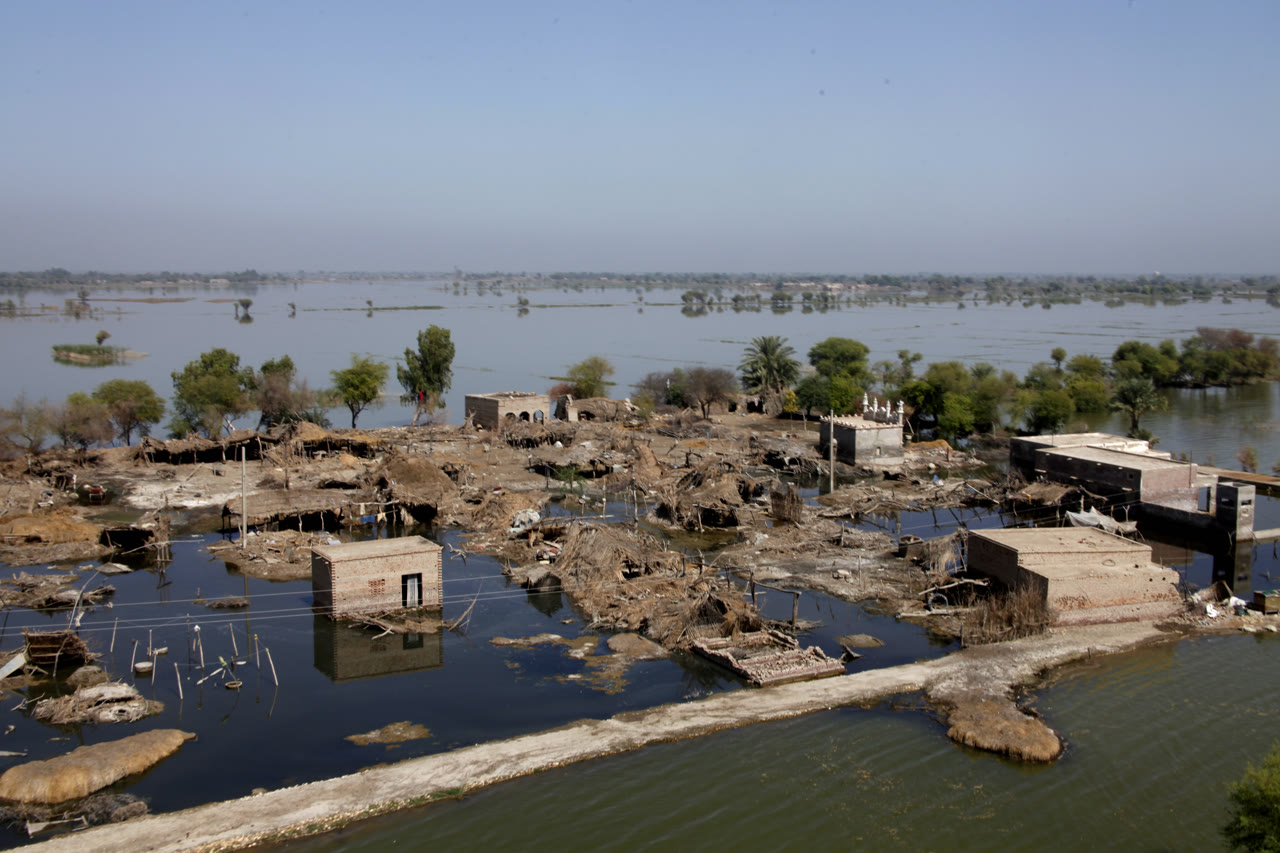
At least 72 people have died in monsoon-related incidents across Pakistan since late June, after a fresh burst of heavy rain killed nine more people in Punjab and 15 in Khyber Pakhtunkhwa over the previous 24 hours, disaster management officials said on Wednesday, 22 July 2026.
The National Disaster Management Authority (NDMA) said the toll, recorded since 26 June, was driven largely by collapsing buildings, flash flooding, lightning strikes, electrocution and drowning, Independent Pakistan reported.
Where the deaths occurred
Khyber Pakhtunkhwa has borne the brunt of the casualties, accounting for 41 of the deaths recorded so far, according to the NDMA’s situation report. Punjab recorded 19 deaths, Azad Kashmir seven and Balochistan five. The authority said 15 people were killed and two injured in Khyber Pakhtunkhwa in a single day, while a further nine died in Punjab over the same period.
Rescue 1122, Punjab’s emergency services agency, gave a fuller account of the damage in the province. “Nine people were killed and 38 others were injured across Punjab during the last 24 hours after walls and roofs collapsed due to rain and windstorms,” said Farooq Ahmad, a spokesman for the service. Since the start of this year’s monsoon season, at least 17 deaths have been recorded in Punjab alone, the provincial disaster authority said; 12 were caused by collapsing structures, two by lightning and three by electrocution.
Rivers rising
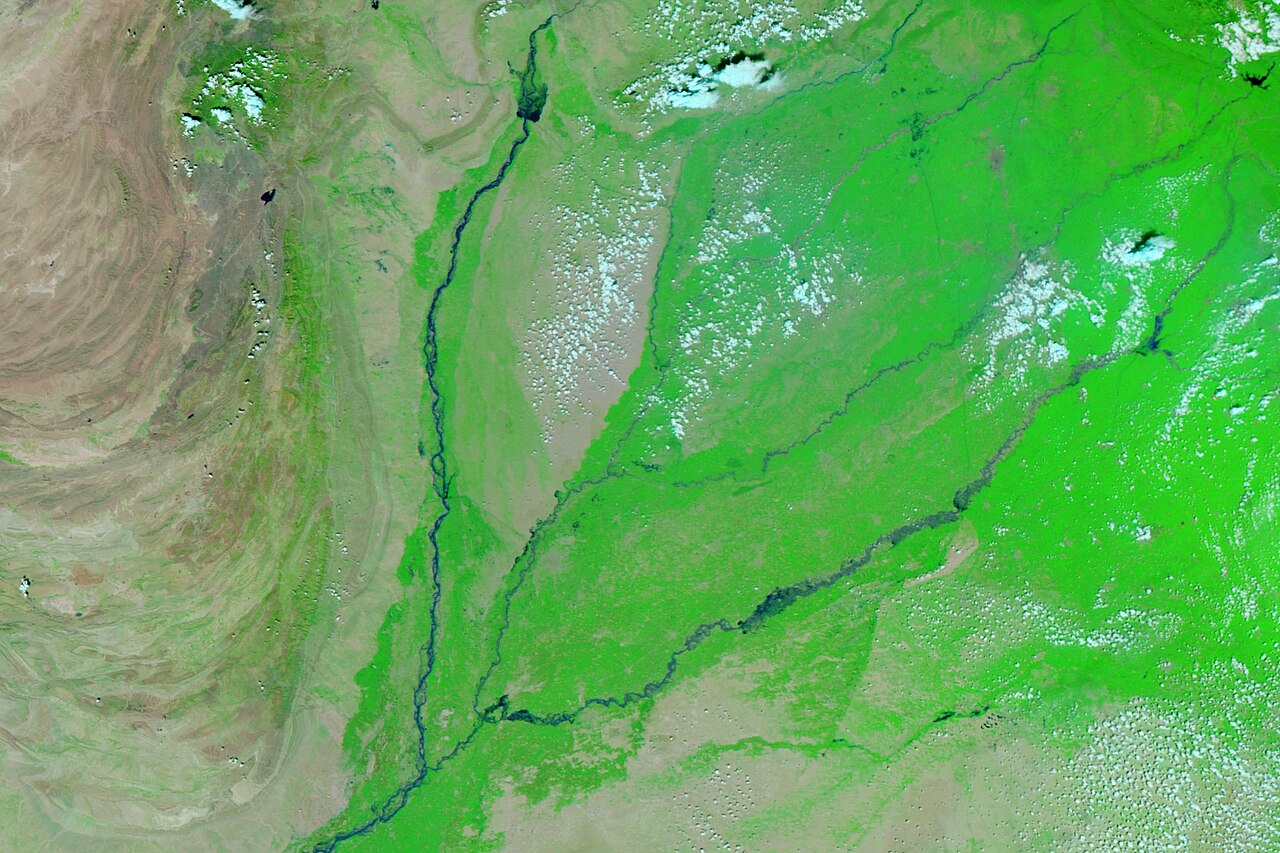
The rains have pushed water levels higher in several of Punjab’s major rivers. The Provincial Disaster Management Authority (PDMA) reported low-level flooding at Kalabagh and Chashma on the Indus, and at Marala and Qadirabad on the Chenab, while the Chenab was at medium-level flooding at Khanki.
Umar Abbas Meela, director general of the Punjab PDMA, said further rises were likely. “Due to rainfall in the upper catchment areas, there is a risk of further increase in river flows,” he said, urging people living close to riverbanks to move to higher ground without delay. He said flood relief camps had already been set up in vulnerable areas. Punjab Chief Minister Maryam Nawaz issued a similar warning, urging residents not to swim or bathe in canals, rivers or rainwater drains while the monsoon system remains active. The province had already issued a flood alert for the Tarbela area two days earlier.
Record rainfall
The heaviest rain fell in Gujranwala, where the Water and Sanitation Agency (Wasa) recorded 245mm over the past 24 hours — a new high for the city. Lahore received 123mm and Gujrat 95mm, Wasa said. Elsewhere in Punjab, the PDMA logged 139mm in Sialkot, 138mm in Mandi Bahauddin, 117mm in Narowal, 85mm in Hafizabad, 70mm in Chakwal, 64mm in Okara, 35mm in Jhang, 33mm in Layyah and 32mm in Jhelum.
Images circulating on social media showed the Shamsi Underpass in Gujranwala’s Civil Lines area submerged, blocking traffic. In Lahore, standing water built up in several areas. Wasa Lahore disputed suggestions that the city’s drainage network had been overwhelmed, saying no significant water accumulation was reported on most major roads and that it was running real-time monitoring from a monsoon control room. The director general of Wasa Punjab said crews were working across 41 districts and that rivers, dams and barrages were being monitored continuously.
What is still uncertain
The NDMA figures are cumulative for the season and may be revised as reports come in from districts. The cited reporting did not give an assessment of economic losses, and further deaths will depend on the strength of the monsoon system over the coming days.
Sources & reporting notes
This is a summary of published reporting, not independent reporting. Details are as carried by the cited source, which was reviewed on 22 July 2026.
- Independent Pakistan — "Pakistan monsoon death toll climbs to 72 as flooding threat grows across Punjab and Khyber Pakhtunkhwa"22 July 2026 · The NDMA toll and provincial breakdown, Rescue 1122 and PDMA figures, river levels, rainfall totals and official warnings.