What happened
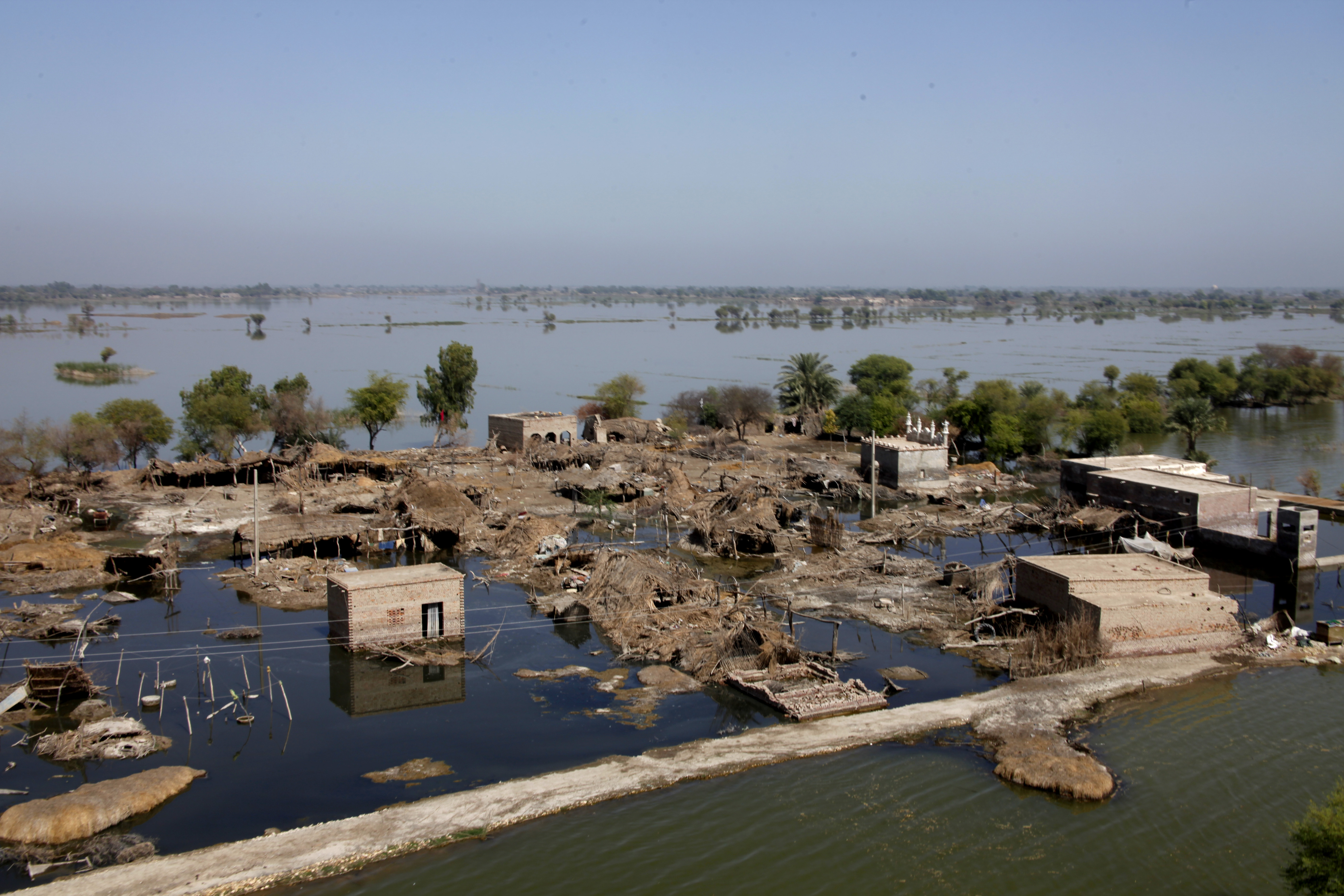
Pakistan’s flood forecasters warned on Friday that parts of Punjab and Sindh faced a risk of urban flooding as the River Indus ran at a medium flood level and the country’s main reservoirs continued to rise after heavy monsoon rain.
The Flood Forecasting Division said the Indus at Sukkur would remain at medium flood, while flows at Guddu were expected to recede from medium to low flood over the next 24 hours. It forecast that the Chenab at Marala, Khanki and Qadirabad could fluctuate between low and medium flood and might reach high flood at Marala during the period.
It also warned of flash flooding in the hill torrents of Dera Ghazi Khan, streams in Khyber Pakhtunkhwa and northern Balochistan, and urban flooding in Rawalpindi, Jhelum, Gujranwala, Sargodha, Mandi Bahauddin, Sialkot, Gujrat, Narowal, Lahore, Okara, Sahiwal and Faisalabad. In Sindh, it listed Badin, Hyderabad, Jamshoro, Khairpur, Matiari, Mirpurkhas, Sanghar, Shaheed Benazirabad, Sujawal, Tando Allahyar, Tando Muhammad Khan, Tharparkar, Thatta and Umerkot.
Reservoirs rise
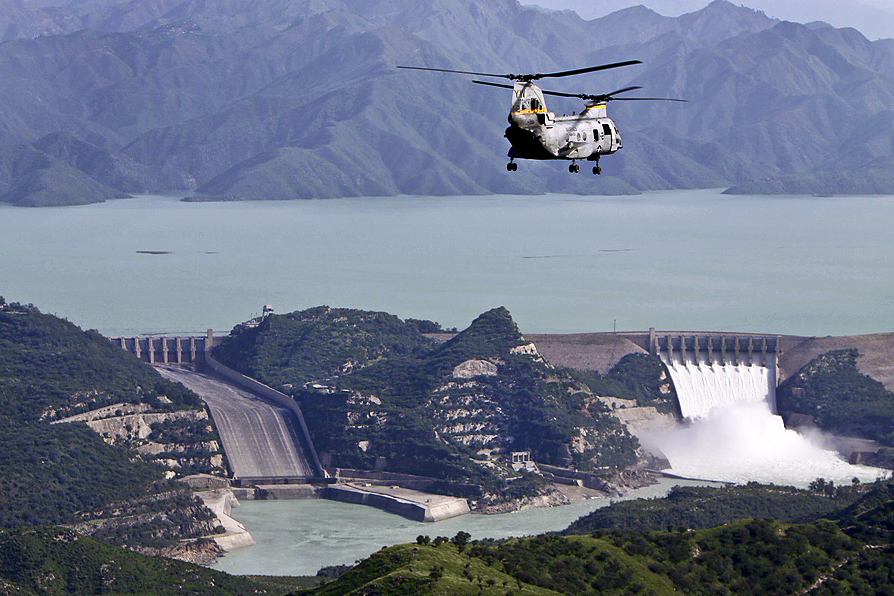
According to the Water and Power Development Authority, the water level at Tarbela dam on the Indus rose from 1,504.31 feet on 16 July to 1,537 feet on 31 July, a rise of 32.69 feet, leaving it 13 feet below its maximum conservation level of 1,550 feet.
The level at Chashma Lake rose to 648.50 feet on Friday from 646.80 feet on 16 July, and Mangla dam on the Jhelum rose from 1,173.20 feet to 1,195.55 feet against a maximum conservation level of 1,242 feet. Officials attributed the rise mainly to heavy rainfall in the reservoirs’ catchment areas, although snowmelt also contributes to filling Tarbela.
Why it matters
The Provincial Disaster Management Authority in Punjab said 45 people had died and 279 were injured in rain-related incidents during the current monsoon season. Of the deaths, 33 were caused by the collapse of mud and dilapidated buildings, six by drowning, four by electrocution and two by lightning strikes. It said the current spell of monsoon rain was expected to continue until 5 August and that its control room was monitoring the situation around the clock.
Separately, heavy rain on Friday inundated low-lying areas and main roads in Rawalpindi and Islamabad. The Rawalpindi district administration was put on alert after the Leh Nullah rose to 10 feet at Kattarian bridge, well below the 22-foot danger level. The Meteorological Department recorded 103 millimetres of rain at Kutchery Chowk in Rawalpindi and forecast more rain over the next 48 hours.
Sources & reporting notes
This is a summary of published reporting, not independent reporting. Details are as carried by the cited sources, which were reviewed on 1 August 2026.
- Dawn — "Parts of Punjab, Sindh face urban flooding risk"1 August 2026 · The flood forecast, reservoir levels, the Chenab outlook and Punjab's monsoon death toll.
- Dawn — "Heavy rain floods low-lying areas, roads in Rawalpindi, Islamabad"1 August 2026 · The Leh Nullah level in Rawalpindi, rainfall readings and the 48-hour forecast.