What happened
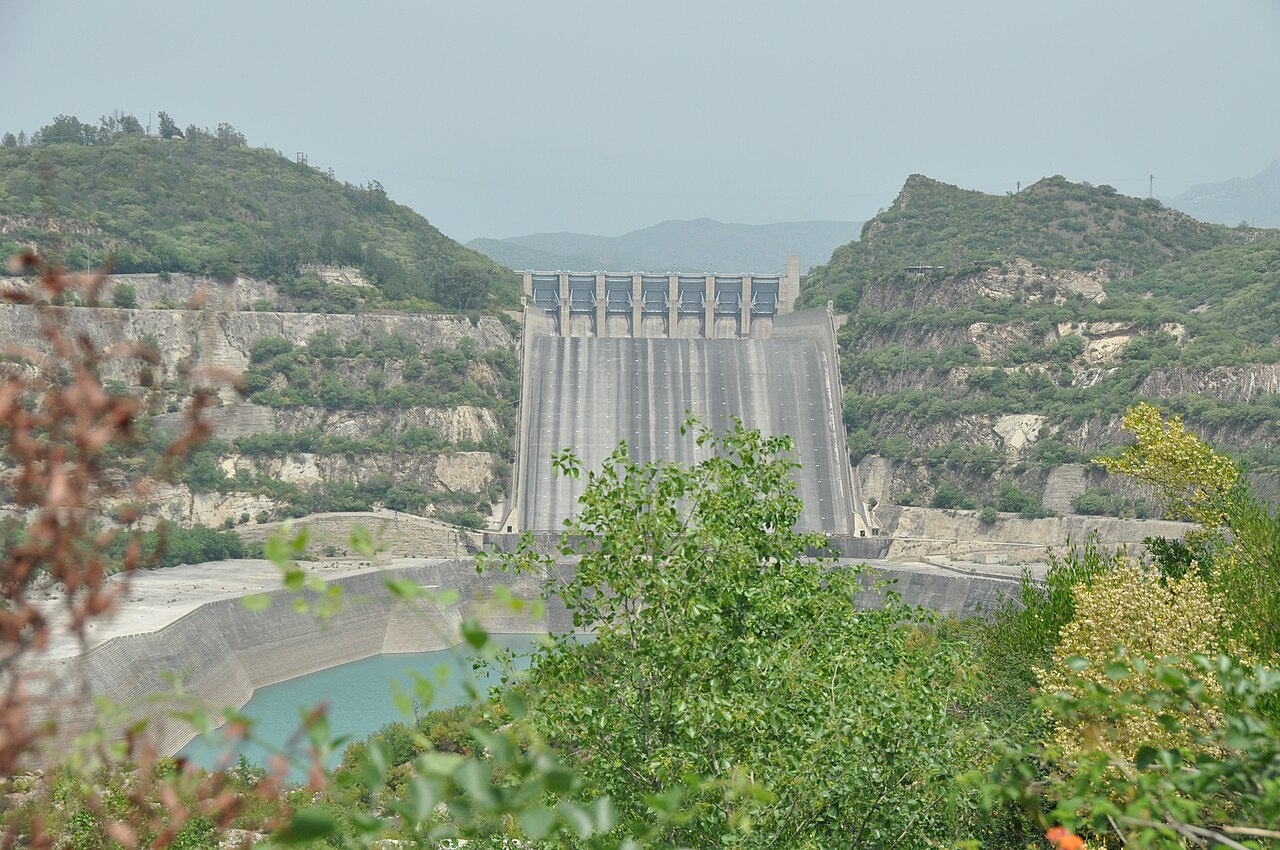
Water levels rose across Pakistan’s major rivers on Monday, 20 July 2026, as heavy monsoon rain and releases from upstream Indian dams increased inflows, prompting fresh flood alerts, the operation of Tarbela Dam’s spillways and heightened monitoring of the river system, The Express Tribune reported.
Officials attributed the rising levels to widespread monsoon rainfall and the opening of spillways at upstream Indian dams, Pakistan Today reported. Total combined river flow across the country reached about 454,000 cusecs. The Chenab was carrying around 130,000 cusecs, while the Indus recorded 232,000 cusecs at Tarbela, 243,000 at Kalabagh, 247,000 at Chashma, 210,000 at Taunsa, 164,000 at Guddu and 110,000 at Sukkur Barrage. The Jhelum recorded 57,000 cusecs at Mangla.
To manage the inflows, authorities operated the spillways at Tarbela Dam, which were opened at 4pm on Sunday and were due to be shut at noon on Monday. Officials said the reservoir would be kept at the maximum possible vacant capacity to absorb floodwater arriving from northern catchments. Total water storage in the country’s reservoirs stood at 6.1 million acre-feet.
What the forecasters said
According to the Flood Forecasting Division’s 6am update, low-level flooding persisted at Head Khanki and Head Qadirabad on the Chenab, while flows in the Indus, Jhelum, Ravi, Sutlej and Kabul rivers remained within normal limits at major gauging stations.
The division said Tarbela Dam’s level stood at 1,506.01 feet, equal to 58 per cent of storage capacity, compared with 80 per cent on the same date last year. Mangla Dam was at 1,175.85 feet, or 40 per cent capacity, against 50 per cent a year earlier.
Over the previous 24 hours, the highest readings were on the Chenab, where Head Marala received 178,467 cusecs, Head Khanki 169,146 cusecs and Head Qadirabad 157,156 cusecs, all in the medium flood range. The Jhelum at Mangla recorded 70,000 cusecs. The division warned that Head Marala, Head Khanki and Head Qadirabad could see medium to high flooding over the next 24 hours, while low to medium flooding was expected at Mangla on the Jhelum and low-level flooding at Tarbela, Kalabagh and Chashma on the Indus.
The National Disaster Management Authority issued a nationwide advisory covering 19 to 23 July, warning of river flooding, flash floods, urban flooding and landslides from an active monsoon system coupled with a strong westerly disturbance, Pakistan Observer reported. It said the heaviest rain was expected in Gilgit-Baltistan, Khyber Pakhtunkhwa, Azad Jammu and Kashmir and upper Punjab, and cautioned that releases from India’s Ranjit Sagar (Thein), Pong and Bhakra dams could raise flows in the Ravi and Sutlej.
Monsoon rain also brought rain-related deaths, landslides and transport disruption in Khyber district, Azad Kashmir and the Hazara region, Pakistan Today reported. The Punjab Disaster Management Authority said flows were normal at most barrages but that the water level was expected to rise in the province’s rivers by 24 July, with urban flooding possible in Lahore, Gujranwala, Sialkot, Sargodha, Okara, Sahiwal, Bahawalnagar and Rawalpindi, UrduPoint reported.
Authorities urged the public to avoid unnecessary travel and to stay away from rivers, streams and flood-prone locations. The advisory followed a national monsoon warning issued on 18 July.
Why it matters
The releases came even though both of Pakistan’s main reservoirs were holding less water than at the same point in 2025, underlining that the immediate risk is the pace of upstream inflows rather than storage levels. With more rain forecast, the coming days were expected to test barrages and embankments along the Chenab and upper Indus.
What is still uncertain
The reports did not specify how much rain had fallen in the catchments, how long the Tarbela spillways would remain in operation, or whether India would release additional water from its dams. The flow and reservoir figures are as reported by Pakistani officials.
Sources & reporting notes
This is a summary of published reporting, not independent reporting. Details are as carried by the cited sources, which were reviewed on 20 July 2026.
- The Express Tribune — "Major rivers swell amid fresh flood alerts"20–21 July 2026 · River flows, the Tarbela spillway operation and reservoir levels.
- Pakistan Today — "River flows rise as monsoon rains prompt fresh flood warnings"21 July 2026 · Combined flows, the 24-hour gauging readings and the Flood Forecasting Division warnings.
- Pakistan Observer — "NDMA warns of river flooding, urban flood risk until July 23"20 July 2026 · The National Disaster Management Authority advisory and the areas at risk.
- UrduPoint / APP — "Water Flow Normal In Most Rivers Of Punjab, Urban Flooding Alert Issued"20 July 2026 · The Punjab Disaster Management Authority assessment and urban flooding alert.
.jpg)