What happened
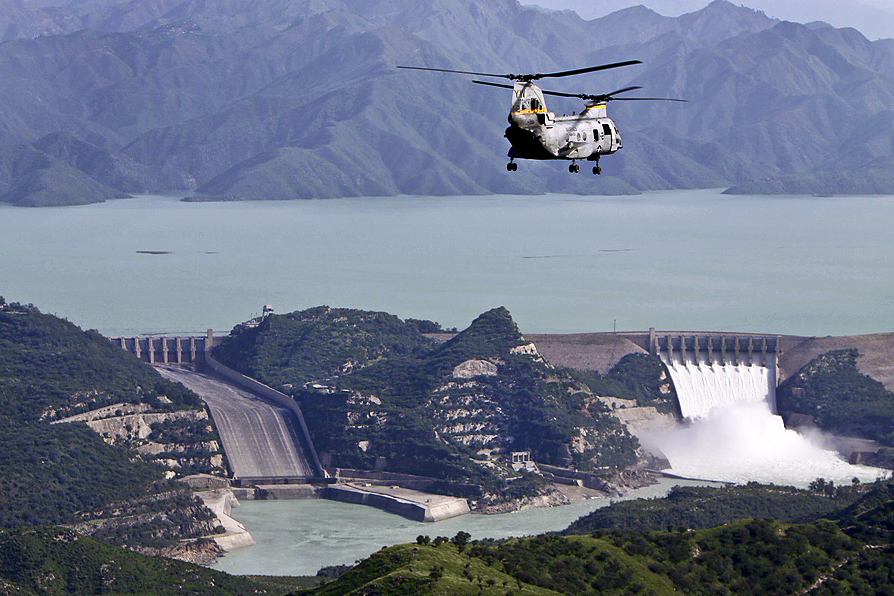
Pakistan’s death toll from the fourth spell of heavy monsoon rains has risen to 136, with 418 people injured, the National Disaster Management Authority (NDMA) said on Monday as it warned of escalating flood dangers across several river systems until 4 August.
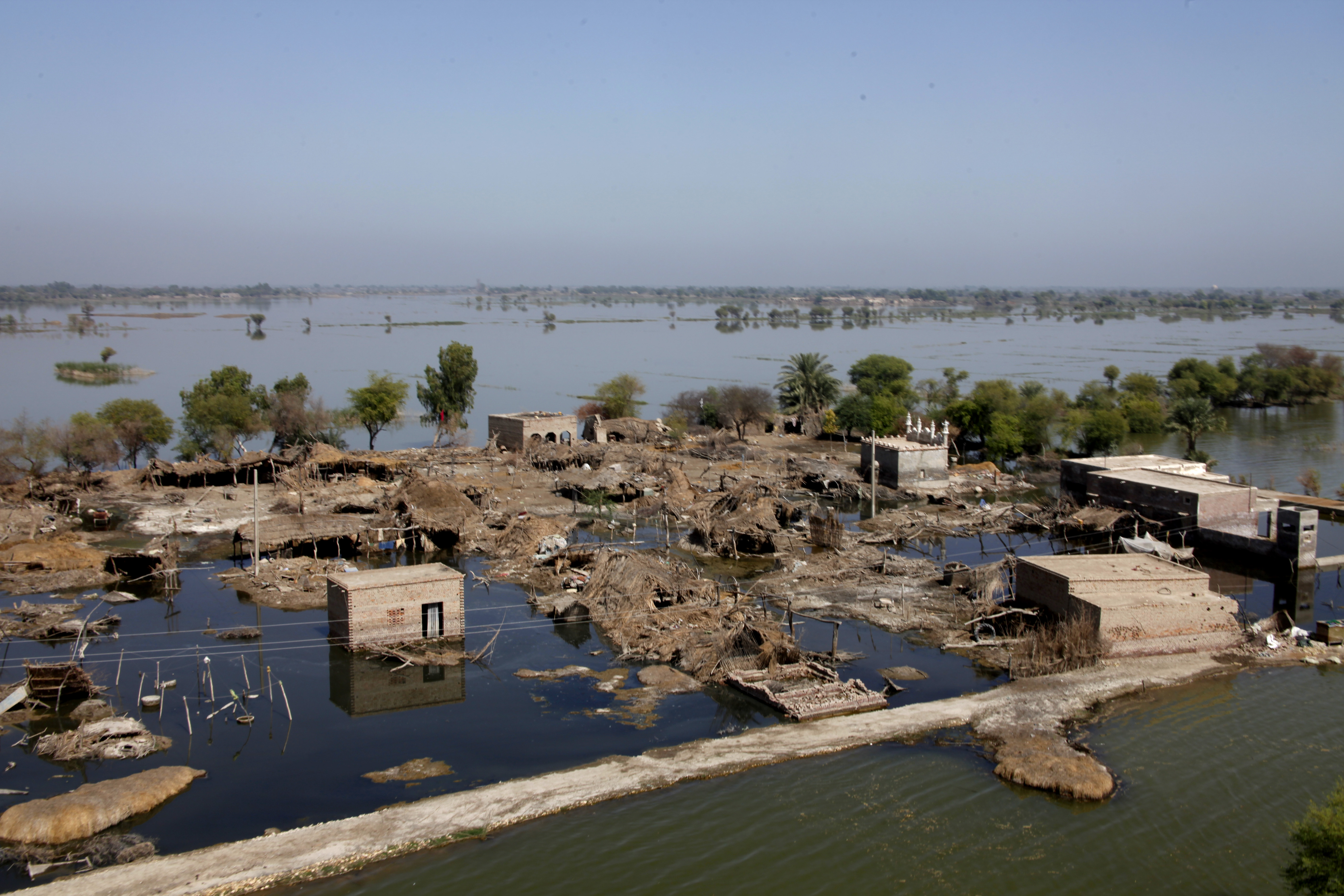
The authority said riverine, flash-flood and urban flooding risks were intensifying in Punjab, Sindh, Khyber Pakhtunkhwa and Balochistan. Homes have been destroyed, roads washed away and crops damaged, and rescue teams have been evacuating stranded families and providing emergency shelter to those displaced.
Where the water is rising
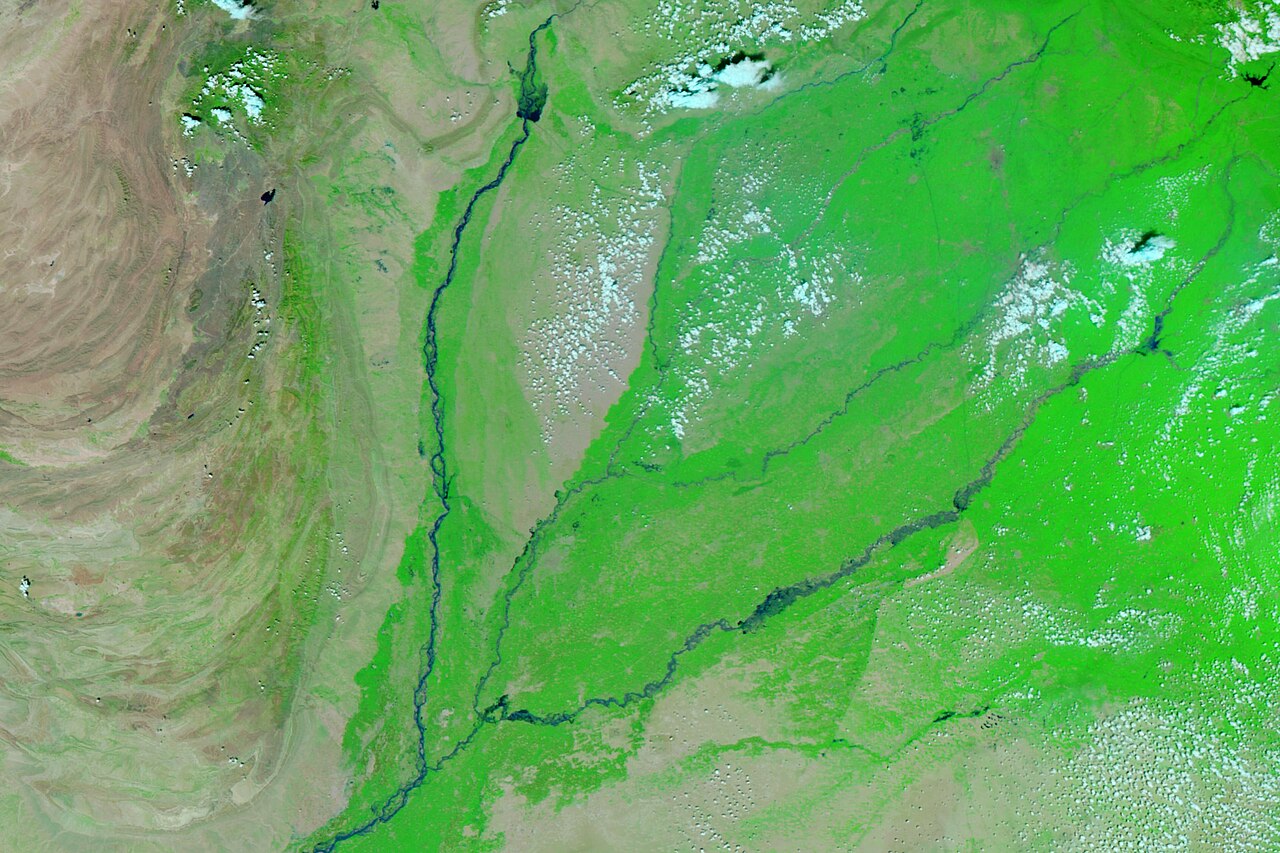
The NDMA reported high-level flooding on the Lehri river at Head Gogi and medium-level flooding on Nullah Palkhu at Wazirabad. It said low-level flooding continued to threaten communities at Kalabagh, Chashma, Guddu and Sukkur along the Indus river, and at Head Nari on the Nari river.
It warned that high-level flows were expected at Marala on the Chenab river, while Khanki and Qadirabad could see low- to medium-level flows. Water levels were also likely to rise in the Jhelum, Ravi and Kabul rivers and their tributaries in the coming days, it said, adding that streams linked to the Jhelum, Chenab and Ravi could run at medium to high flows while conditions in the Ravi and Sutlej would depend on releases from Indian reservoirs.
The authority also warned of possible flash floods in the hill torrents of Dera Ghazi Khan and Rajanpur, as well as seasonal streams in central and southern Khyber Pakhtunkhwa and northern Balochistan. It said low-lying urban areas in Rawalpindi, Jhelum, Gujranwala, Lahore, Faisalabad, Peshawar, Mardan, Nowshera, Hyderabad, Badin, Thatta and other parts of Sindh faced the risk of significant water accumulation.
Residents near the affected waterways were advised to remain vigilant and to follow evacuation orders if conditions worsened. The NDMA urged citizens to avoid unnecessary travel to flood-prone areas, not to cross floodwaters on foot or by vehicle, and to check forecasts and road conditions before setting out.
Government response
The Emergency Response Committee set up by the Prime Minister held its 10th daily review meeting on the monsoon situation, chaired by Planning Minister Ahsan Iqbal by video link from the National Emergencies Operation Centre. Officials were briefed on the weather outlook, casualty figures, infrastructure damage and relief operations, and the committee directed all agencies to maintain maximum preparedness. Deputy commissioners in vulnerable districts were said to have been alerted for emergency response.
Why it matters
The fourth spell has compounded a monsoon season that has already caused widespread displacement and damage across Pakistan. With more rain forecast and several rivers still rising, the authorities are bracing for further flooding in the coming days.
Sources & reporting notes
This is a summary of published reporting, not independent reporting. Details are as carried by the cited source, which was reviewed on 3 August 2026.
- WE News English — "Death Toll Rises to 136 as Fourth Spell of Rains Wreaks Havoc Across Pakistan"3 August 2026 · The casualty figures, the NDMA warnings for each river system and city, the public advisories and the prime ministerial emergency committee meeting.