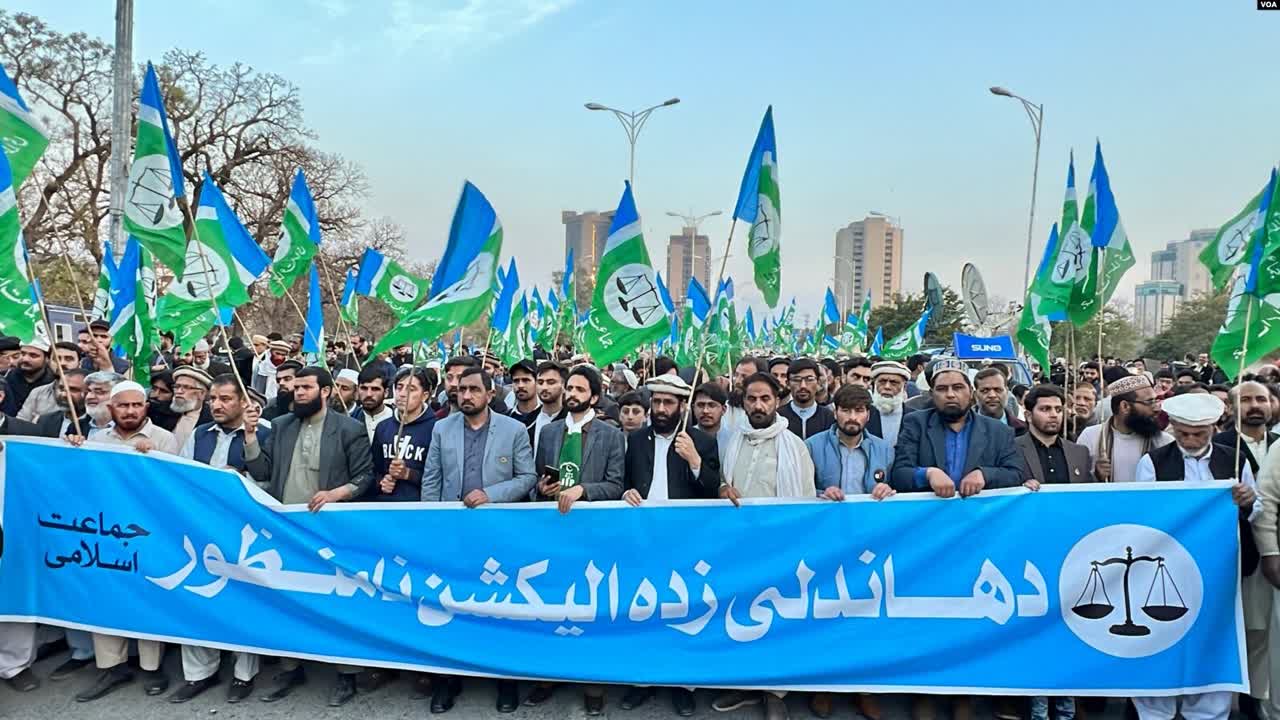
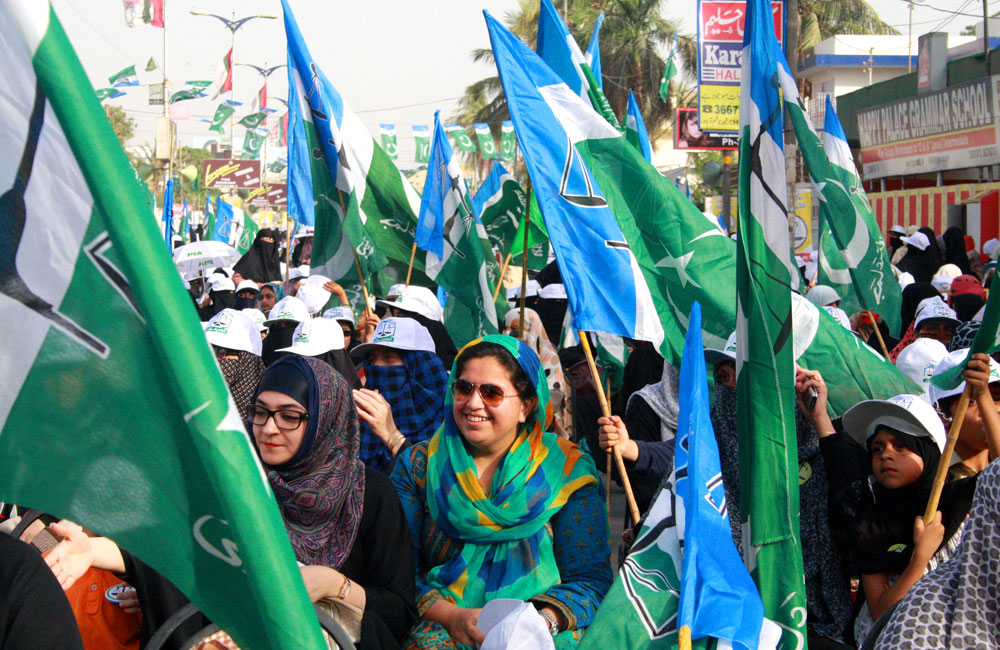
Reporting snapshot · 20 September 2026. Jamaat-e-Islami (JI) began its long march towards Islamabad from Karachi on Sunday, as announced, after a fifth round of talks with the government ended on Saturday without an agreement. The party had said the train march would leave Karachi on 20 September and reach Islamabad on 23-24 September. This article is a dated snapshot of the march's commencement; the scale of participation and the exact progress of the caravans were still developing when it was prepared.
What happened
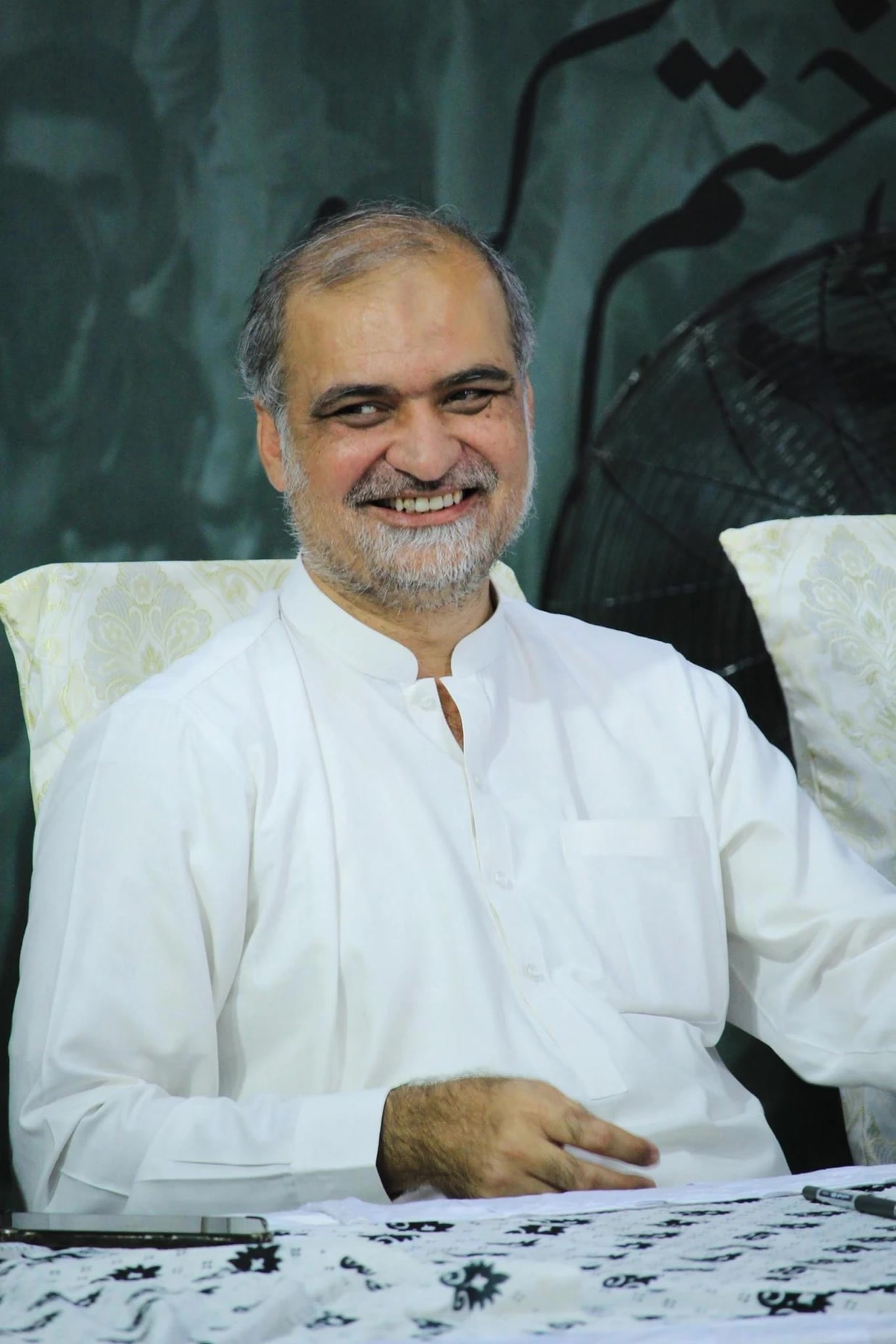
Jamaat-e-Islami (JI) began its “super long march” towards Islamabad from Karachi on Sunday, 20 September 2026, after the party and the government failed to reach an agreement in a fifth round of talks held the previous day. Party chief Hafiz Naeemur Rehman was scheduled to lead the opening stage, a train journey from Karachi Cantonment station, after addressing a public gathering there, according to the party’s announced programme.
The commencement followed the party’s announcement that its 35-day sit-in outside the Sindh Governor House in Karachi was being wound up, with the campaign shifting to the march on the capital. JI has made the abolition of the petroleum levy its central demand, arguing that targeted relief packages do not address the burden of fuel taxes on consumers.
The march is the culmination of a protest movement that began with sit-ins in provincial capitals on 16 August and has included a nationwide strike call, road blockades and dozens of demonstrations. It coincides within the same week with Pakistan Tehreek-e-Insaf’s (PTI) planned march to Islamabad on 27 September, creating a security and administrative challenge for the federal government.
The failed fifth round of talks
The final attempt to avert the march broke down on Saturday, 19 September. The fifth round of talks between the government and JI was held at the party’s Mansoorah headquarters in Lahore and ended without a breakthrough, with the government delegation asking the party to postpone the march because of security concerns.
The government team included Planning Minister Ahsan Iqbal, Senator Rana Sanaullah and Punjab Minister Khawaja Salman Rafique, while JI was represented by Deputy Emir Liaquat Baloch, acting Secretary General Nazir Ahmad Janjua, Special Assistant Umair Idrees, Lahore Emir Ziauddin Ansari and Information Secretary Shakeel Ahmed Tarabi. Government representatives said practical steps would be taken soon to provide relief to the public, and cited pressure from the International Monetary Fund, saying an IMF delegation was expected to visit Pakistan shortly.
Baloch said the long march would remain necessary until the petroleum levy was abolished, and that the party expected concrete action from the government, warning that protests would continue otherwise. The talks, which began on 7 September, have now produced several rounds without agreement. Rehman had previously said negotiations would only move forward if the government presented a formal and serious proposal for eliminating the levy, and he rejected the government’s fuel relief package as insufficient, arguing that the levy itself should be removed to provide broader relief.
The route and the plan
JI’s announced schedule for the march, finalised at a press conference on 18 September, begins with a train journey from Karachi. According to the party’s programme, supporters gathered at Karachi Cantt station, where Rehman was to address them before the Rehman Baba Express was due to depart around midday. Participants were to be welcomed at railway stations including Hyderabad, Tando Adam, Nawabshah and Mehrabpur, with a public gathering planned in Rohri, Sukkur, in the evening.
The party said the caravan would travel towards Multan on the second day, before moving by road towards Lahore and then Islamabad. JI has said the march would reach Islamabad on 23 and 24 September, with people arriving from all four directions from 20 September. The party has said it does not intend to block roads, and Rehman has promised the mobilisation would remain peaceful while warning the government not to obstruct it. JI has also said it would not obstruct the Medical and Dental College Admission Test (MDCAT), which was being held on the same day the march began.
The party has framed the march as a response to the petroleum levy and rising fuel and electricity prices, which it says are driving up transport costs and the prices of essential goods. Alongside abolishing the levy, Rehman has proposed a reduction in interest rates as another measure to ease economic pressure.
The levy dispute
The petroleum levy has been the flashpoint of JI’s campaign for more than a month. The federal government imposes substantial taxes and duties on fuel; according to figures cited in reporting this month, petrol carries around Rs114 per litre in taxes and duties, including the levy, while diesel carries around Rs100 per litre, with a small climate support charge on both fuels. JI’s demand is to abolish the levy outright rather than offset it with targeted relief.
The government has responded with a fuel relief scheme announced on 13 September, offering a discount on petrol for motorcycles, three-wheelers and cars with engines up to 800cc. JI has rejected the package as a substitute for the levy’s abolition, with Rehman describing it as nominal and saying relief given “as charity” was not a right. The government has also reintroduced austerity and fuel-conservation measures, including reduced fuel allocations for official vehicles, as elevated oil prices — driven by Middle East tensions — strain public finances.
What is still uncertain
The march had begun as scheduled on Sunday, but the scale of participation, the condition of the convoy routes, and the response of authorities remained open questions when this article was prepared. The government had asked JI to postpone the march over security concerns, and Interior Minister Mohsin Naqvi has said law enforcement had been given rules of engagement and that legal means would be used against anyone violating an Islamabad High Court order that bars parties from occupying the capital’s roads.
Whether the government offers a substantive concession in the coming days, how the march is received en route, and whether JI’s mobilisation converges with PTI’s planned 27 September march will determine the scale of the challenge in Islamabad. JI has said the movement will continue until its demand is met, and has warned that failure to address it could lead to a wider campaign. This is a dated snapshot of a developing situation, not a live tracker.
Sources & reporting notes
This is a synthesis of published material, not eyewitness reporting. Sources were reviewed on 20 September 2026. The march's commencement is confirmed by the party's announced schedule and by independent reporting on 19-20 September; exact crowd numbers were not yet independently verified when this article was written.
- The News International — JI to launch train march against petroleum levy tomorrow19 September 2026 · Independent report of the party's announcement of the 20 September train march, the Karachi sit-in background, the route via Landhi and Drigh Road, and JI's demand for the levy's abolition.
- Pakistan Today — Govt-JI talks fail to break deadlock as Islamabad march goes ahead19 September 2026 · Independent report of the fifth round of talks, the government's request to postpone the march, the IMF context, and the announced route and schedule.
- The Express Tribune — Government, JI talks end without breakthrough on long march19 September 2026 · Independent report of the talks, the delegations, Rehman's rejection of the relief package, the proposed interest-rate cut, and the march schedule.
- Geo News — JI's long march to reach Islamabad on Sept 23-24, says Hafiz Naeem18 September 2026 · Independent report of Rehman's press conference: the 23-24 September arrival, the 20 September start, the no-road-block pledge and the MDCAT assurance.