Reporting snapshot · 27 October 2026 (Asia/Karachi). The meeting took place and both sides spoke afterwards, but no relief package, written outcome or timetable has been published, and the government's own account of what it offered has not been put on the record. The main limitation is that the government's side of the conversation currently rests on what Jamaat-e-Islami's chief told reporters afterwards.
What the meeting produced
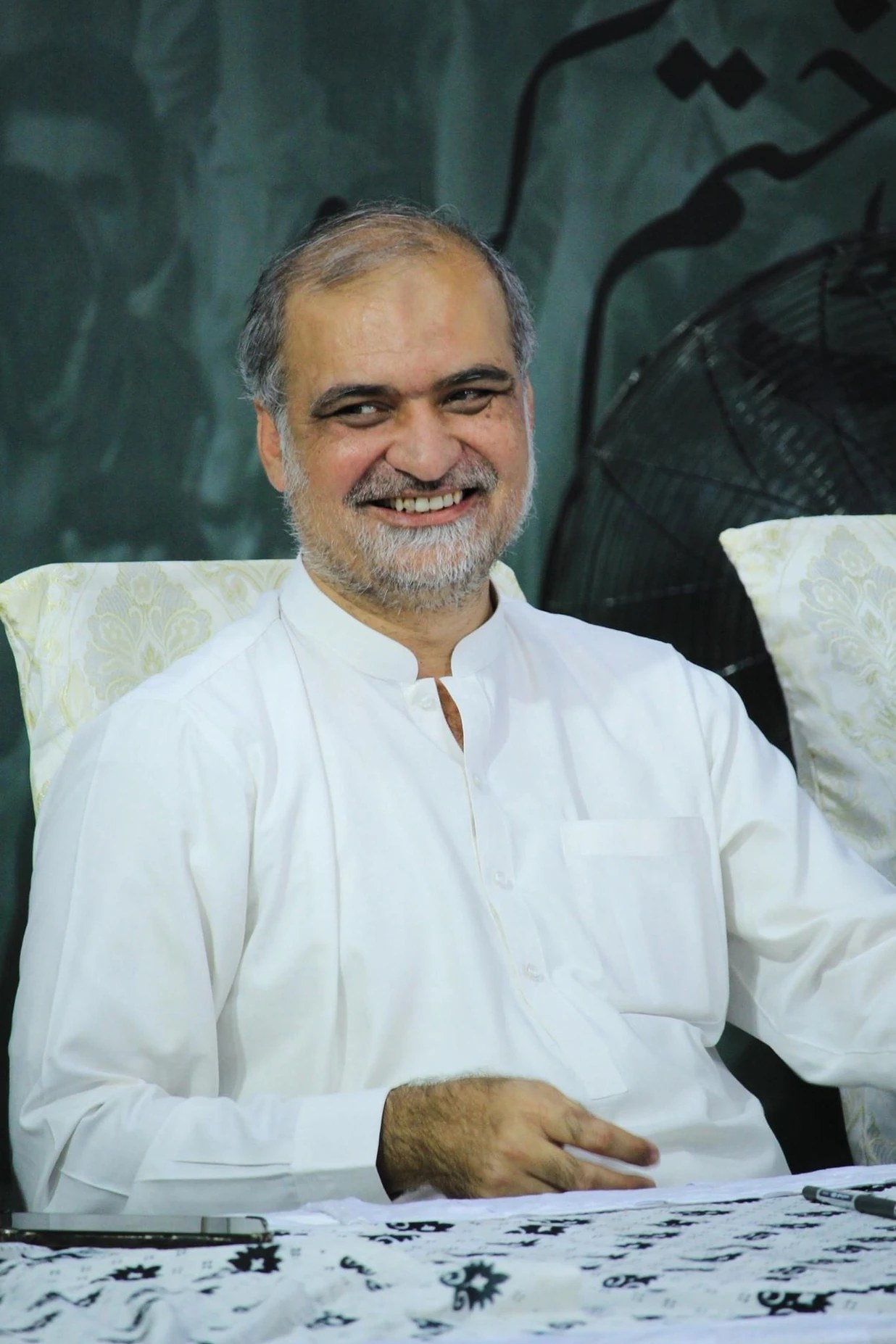
Jamaat-e-Islami chief Hafiz Naeemur Rehman met Prime Minister Shehbaz Sharif at the Prime Minister’s House in Islamabad on Tuesday, 27 October, and said afterwards that his party’s long march on the federal capital would go ahead in mid-November despite the meeting. Rehman told a press conference in Islamabad that the party would begin mobilising for the march nationwide while negotiations with the government continued, Dawn reported.
“We will not postpone our Islamabad march any longer. It will now take place in mid-November, and it certainly will take place,” Rehman said, according to Dawn, adding that if the government did not announce relief before the date, “we might have to sit on the road to talk.”
The party arrived at the Prime Minister’s House with a delegation that included Deputy Emir Liaquat Baloch, Deputy Secretary General Syed Farasat Shah and the party’s Islamabad emir Nasrullah Randhawa, Dawn reported. The government’s side of the meeting included Deputy Prime Minister Ishaq Dar, Senator Rana Sanaullah, Finance Minister Muhammad Aurangzeb and Minister of State for Finance Bilal Azhar Kayani, The Express Tribune reported. Rehman said afterward that Jamaat-e-Islami was forming a further committee of Baloch, Shah and Randhawa to handle the matter.
On the substance, the two sides did not close the gap that has defined the campaign since August. Asked about the meeting’s outcome, Rehman declined to call it inconclusive, Dawn reported, but set out where he said the difference lies: “We say eliminate the levy; they say we can move towards it phase by phase.” He said both sides had reached consensus on widening the scope of relief while disagreeing over “modalities” and “procedure.”
Two points of substance did emerge. The first was that the government had asked for more time. Rehman said the prime minister had sought another seven to 10 days to address the party’s demands, and that the two sides had agreed greater relief would be provided on petroleum products, Geo News reported. The second was that an offer was reportedly on the table and was rejected. Asked about a reported government offer to reduce the levies by Rs20 to Rs30, Rehman said “We cannot simply accept peanuts,” Dawn reported.
Rehman also tied the campaign’s pressure to the government’s September relief package for motorcycles, three-wheelers and cars with engines up to 800cc, saying: “If Jamaat-e-Islami was not protesting, do you think this relief package would have come?” He recalled that the government had raised the levy on petrol to Rs160 per litre from Rs105 in April before cutting it by Rs80 after criticism, Dawn reported.
The price the dispute is about
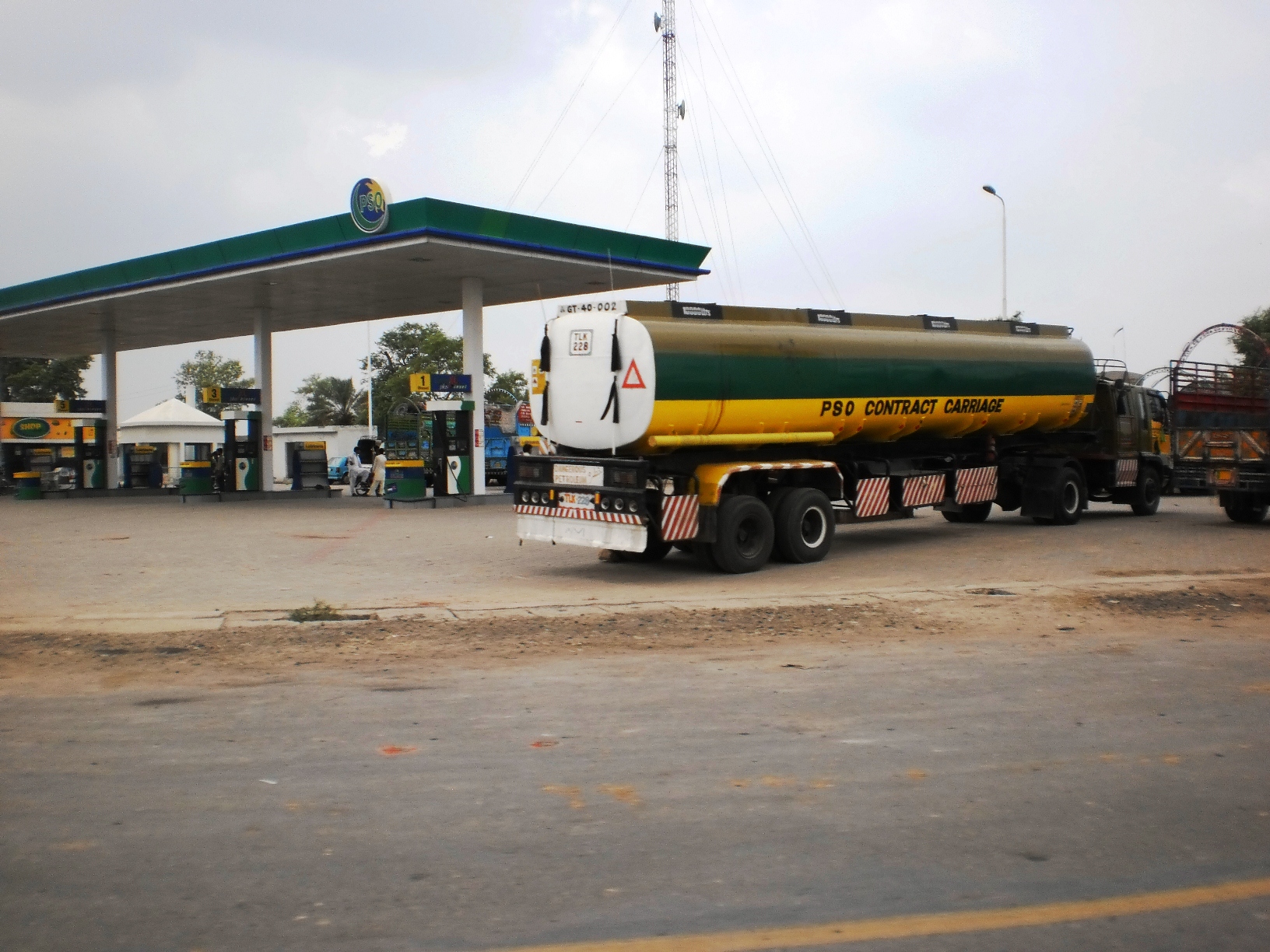
The stakes were visible in the pump prices that took effect the same day. The Petroleum Division raised petrol by Rs1.54 to Rs379.25 a litre and high-speed diesel by Rs2.16 to Rs395.82 for 27 October, The Express Tribune reported, with Profit by Pakistan Today carrying the same notification. The Oil and Gas Regulatory Authority published a price publication effective 27 October, OGRA’s own price-publications record shows. It was the second rise in three days, after diesel went up by Rs1.91 while petrol was held for 24 to 26 October, The Express Tribune reported.
How large the levy is remains contested. Rehman has said the government raised Rs1,567 billion in petroleum levy in a year, and that removing the levy and some other taxes would take Rs106 off a litre of petrol, Geo News reported. Both figures are the party’s. Rehman also said the government has told it that it is “stuck in the IMF programme” and cannot scrap the levy outright.
International costs have been moving against consumers at the same time. Brent crude rose 49 cents to $117.21 a barrel in Monday’s afternoon trade, The Express Tribune reported, near six-month highs on persistent attacks on Saudi oil infrastructure.
What changed, and what it means
The walk from the scheduled meeting to a set date is the substance of the day. KhabarWire reported on 22 October that the government’s and the party’s negotiating committees were due to meet on 23 October with the prime minister’s meeting expected but unconfirmed, and no agenda or document list published. A month earlier, on 22 September, Shehbaz had telephoned Rehman from abroad and asked the party to hold off its march from Karachi; the party suspended it at Multan but did not drop its demand, as The Express Tribune reported. The Jamaat-e-Islami petroleum levy campaign has run since sit-ins in the provincial capitals on 16 August, through a shutdown strike on 3 September and six proposals submitted on 7 September, to a fresh third phase of district sit-ins from 23 October.
What has changed is that the deferral has now been withdrawn rather than extended. Rehman said preparations for the march were complete and that further talks would run alongside mobilisation, Dawn reported. That converts the dispute from a sequence of meetings into a dated confrontation with a government deadline of seven to 10 days inside it — a window that ends well before mid-November.
For households, the arithmetic has not moved in the government’s favour in the meantime. The Rs100-a-litre relief scheme announced in mid-September covers motorcycles, three-wheelers and cars with engines up to 800cc for an estimated 11.8 million beneficiaries, and KhabarWire’s reporting on the scheme set out who qualifies and what the discount is worth. The government told parliament on 26 October that a further policy on subsidised fuel for vulnerable households would be finalised within days, Dawn reported.
What is still uncertain
No relief package, phased reduction schedule or written commitment has been published, and none was described in detail after the meeting. The government’s seven-to-ten-day request is known only through the party’s account of what the prime minister asked for; no official readout has been issued, so the terms of any phased approach are unknown.
The reported Rs20 to Rs30 reduction offer has not been confirmed by the government either. It was measured against the taxes and duties the government levies on petrol, which Dawn has put at about Rs114 a litre, with roughly Rs100 on diesel — so the offer Rehman dismissed as peanuts is a fraction of the total tax load on each litre.
Whether the two sides’ “consensus on expanding the scope of relief” becomes anything concrete before mid-November is the open question. Relief delivered in phases would not amount to abolition, which is what the party says it will accept, and the government’s own stated constraint has been the fiscal commitments in its International Monetary Fund programme. Prices are reset daily under the mechanism adopted on 17 July, so the pump price a household faces in the second week of November depends on a sequence of notifications that have not been made yet.
And the marches have not been shown to be inevitable. The party postponed its earlier long march at the prime minister’s request in September, and it has left the door open to more talks while keeping the date. What has been settled on 27 October is the date, not the confrontation.