Reporting snapshot · 18 September 2026. The Islamabad High Court's detailed written order and Interior Minister Mohsin Naqvi's press conference both date to 18 September. Pakistan Tehreek-e-Insaf had not announced its response when this article was published, and the enforcement picture before the planned 27 September march remains fluid.
What happened
The Islamabad High Court (IHC) issued a 37-page detailed written order on Friday, 18 September 2026, ruling that no political party, political leader, provincial government or public office holder has a lawful right to occupy public roads, highways, interchanges, toll plazas or buildings in the federal capital, or to hinder citizens’ movement and their access to trade, workplaces, medical facilities and schools. The order was issued on a petition filed by an Islamabad resident, Waqas Ahmed, against Pakistan Tehreek-e-Insaf’s (PTI) long march towards the capital planned for 27 September.
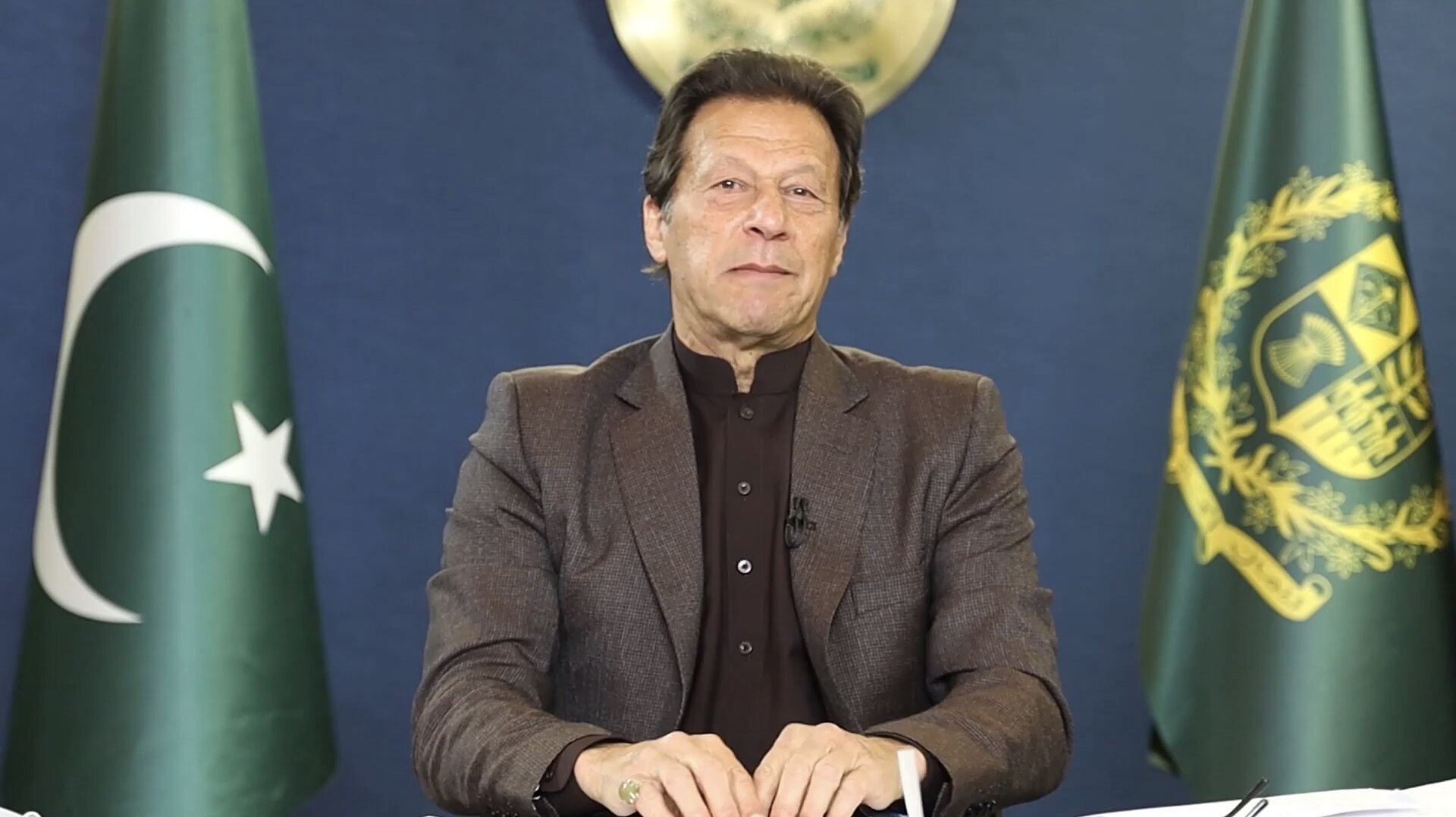
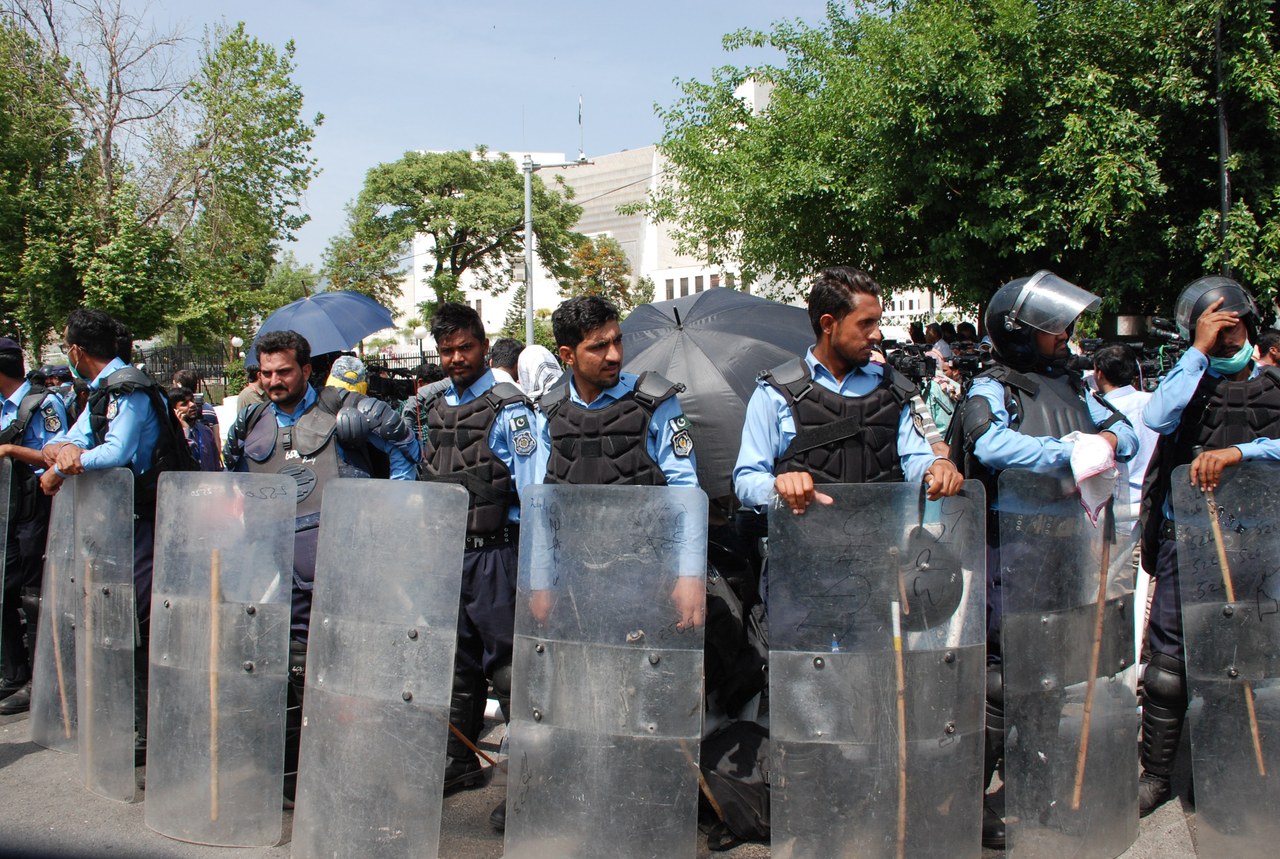
Hours later, Interior Minister Mohsin Naqvi, addressing reporters at the Jinnah Convention Centre in Islamabad alongside Minister of State for Interior Talal Chaudhry, said anyone attempting to march on the capital in violation of the judgment would first face contempt of court proceedings and would then be stopped “through any means possible”. He said law-enforcement personnel had been given clear “rules of engagement”, adding that there was “no scenario that if you fire on them, they will sit quietly”.
The detailed ruling
A larger IHC bench headed by Chief Justice Sardar Muhammad Sarfraz Dogar and comprising Justice Muhammad Azam Khan and Justice Muhammad Asif issued the written order on Friday, giving detailed reasons for the directions it first set out when it disposed of the petition on 14 September.
The judgment said no political party, leader, provincial government or public office holder had any lawful right to occupy public roads, highways, interchanges, toll plazas, buildings or similar places within, leading to or out of the Islamabad Capital Territory, or to obstruct citizens’ free movement, the pursuit of trade, business or a profession, or access to medical and educational institutions.
It declared that any person, natural or legal, whose activity results in a violation of the fundamental rights of citizens within the capital will be deemed to have violated the Constitution and will be liable for the consequences provided by law. The court separately ruled that aggression by one federating unit against another, or against the federation, in any form — including through a march or procession — is “unconstitutional, illegal and unlawful”, and that anyone organising, participating in or propagating such an activity would face the consequences set out in law and the Constitution. In its reasoning, the bench referred to PTI’s activities in Islamabad in May 2022 and November 2024, which it said had created a serious security and law-and-order situation.
The order directed provincial governments, including chief ministers, to ensure that no official vehicle, machinery or other government equipment is used to aid or facilitate people taking part in any march or procession towards the federal capital. It said no public servant may be compelled, coerced or induced to participate in such an event, and directed the authorities to establish helplines or other channels through which officials could report pressure from political leaders or office holders. Chief secretaries and inspectors general were told to start departmental action against any official who violates the order. The Islamabad administration and the Ministry of Interior were directed to ensure that no resident of the capital undertakes an activity that offends the constitutional rights of other citizens.
Naqvi’s enforcement warning
At his press conference on Friday, Naqvi said a detailed law-and-order meeting had been held to review the calls for protest in the coming days, with officers from provincial law-enforcement agencies in attendance. He said the IHC’s detailed judgment had left “no room” for an attempt to create unrest in the federal capital or any province, and that all agencies had been instructed that anyone coming out in violation of the court’s ruling would first face legal action in the form of contempt of court proceedings. “Secondly, we will stop them through any means possible,” he said.
Naqvi urged political leadership to hold protests in their own areas and cities, warning against plans to shut down the federal capital or enter another province to carry out attacks. He said there was a difference between political rallies and groups arriving “fully equipped” for confrontation, and argued that if there was any loss of life during the protests, the organisers who brought the crowds would be responsible.
He also tied the mobilisation to the security situation in Khyber Pakhtunkhwa, referring to Friday’s suicide blast at the Kohat police lines in which at least 16 people were killed. He said the country was fighting terrorism daily in the province, that 90 per cent of the government’s attention should go to countering it, and that it “does not suit” anyone to carry the funeral processions of martyrs while preparing for protests. He suggested the Khyber Pakhtunkhwa chief minister and cabinet should work as hard at fighting terrorists as at organising the long march.
Naqvi said preparations had been completed in consultation with all provinces and that federal and provincial agencies were ready, adding that “we will not allow any unrest and disorder to take place in Islamabad like in the past”. He framed the enforcement duty as institutional rather than personal: “This is the job of the interior minister, and not of Mohsin Naqvi.”
Background: how the case reached this point
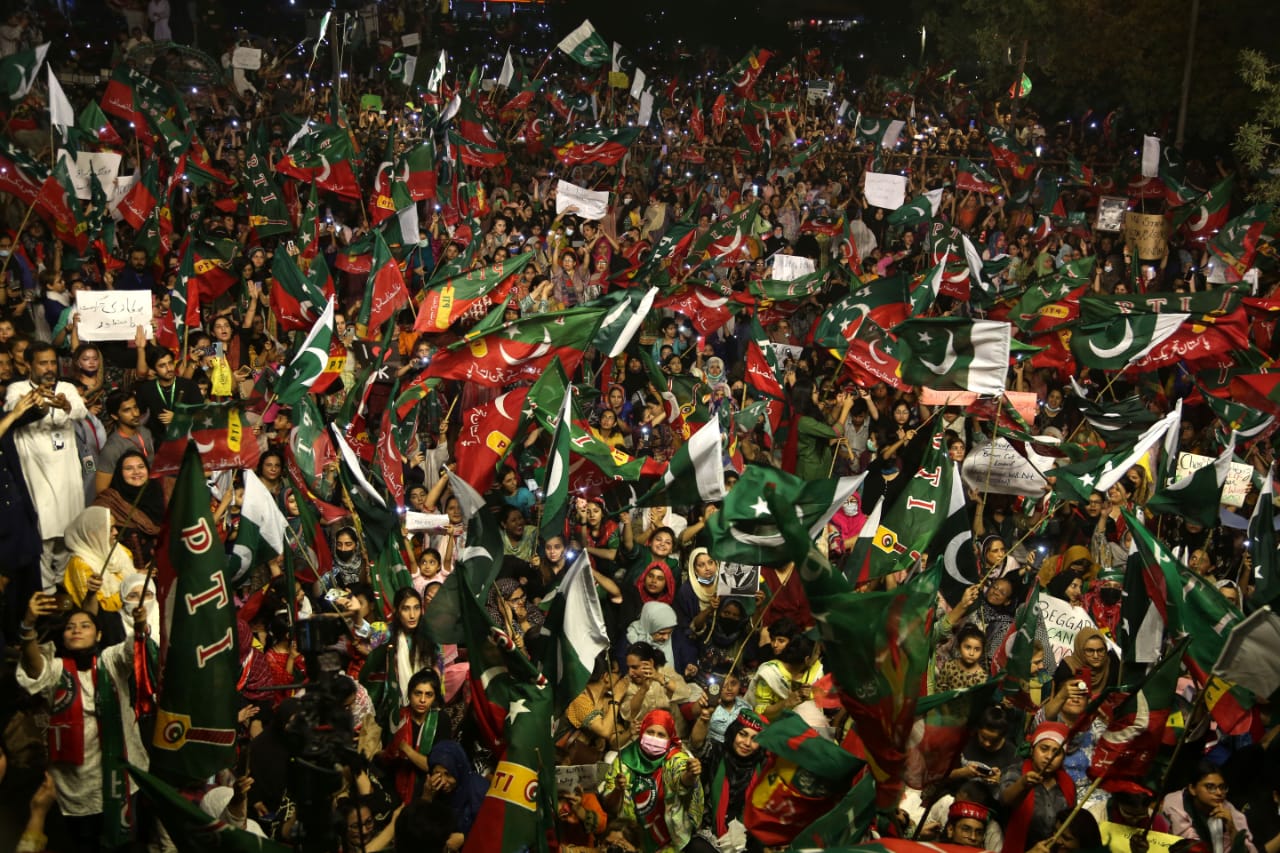
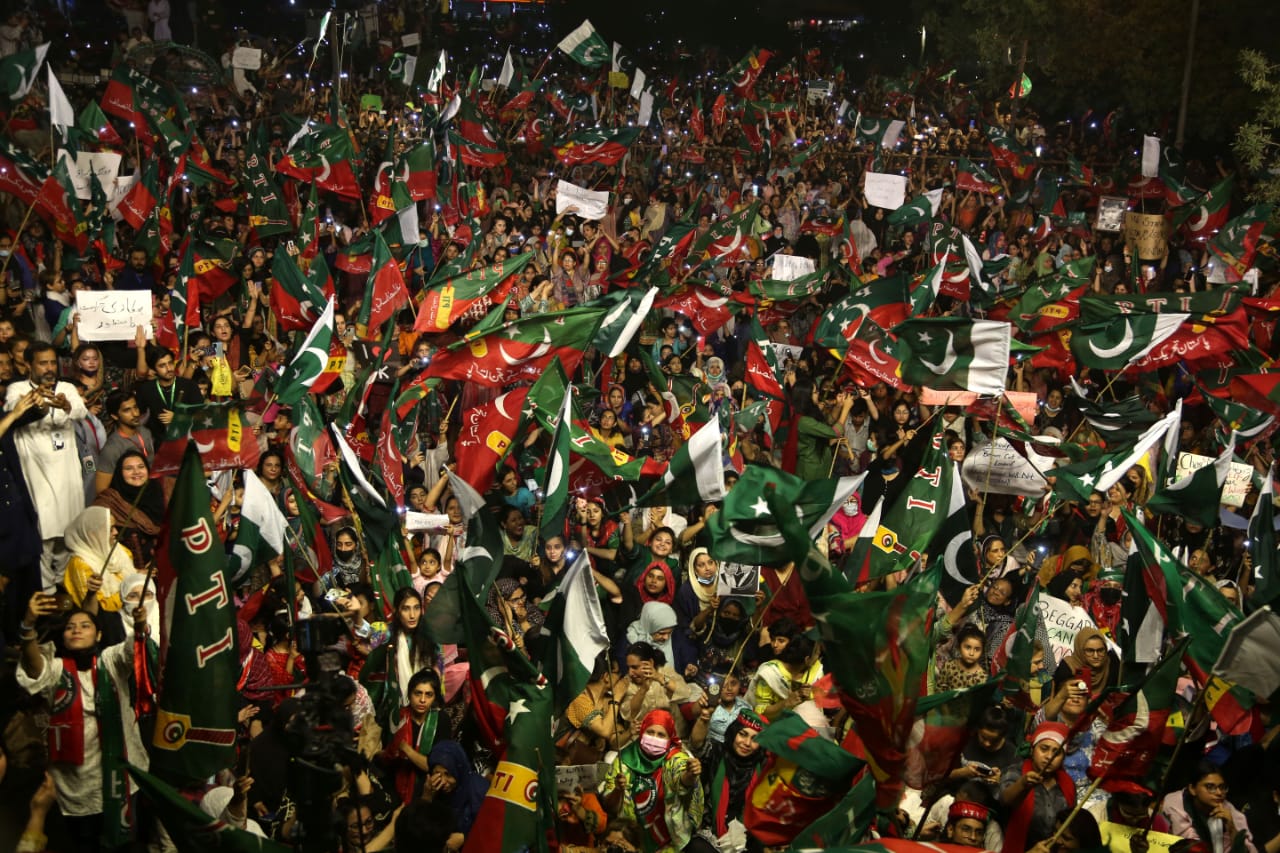
The case tracks a confrontation that has been building for more than a month. PTI announced on 8 August that it would hold a long march towards Islamabad on 27 September to demand Imran Khan’s release, saying the decision was taken with its allied parties and that the protest could last several days. Khan has been imprisoned since August 2023 on charges he and his party say are politically motivated.
Citizen Waqas Ahmed’s petition argued that the planned march could disrupt his business and relied on government machinery. On 14 September, a three-member bench disposed of the petition with directions that provincial governments not use public resources, officials, vehicles or machinery to facilitate any march, and that no government employee be forced to participate. It said detailed reasons would be recorded later — the 37-page order issued on Friday supplies those reasons.
Separately, in a related but distinct case, an Islamabad anti-terrorism court ordered in mid-September that the passports of 24 PTI leaders, including Khyber Pakhtunkhwa Chief Minister Sohail Afridi, Omar Ayub and Asad Qaiser, be blocked in connection with the violent protest of 26 November 2024, and issued arrest warrants for several PTI parliamentarians who failed to appear. The IHC judgment itself, in another IHC ruling this month affecting Khan and his wife, is part of a broader pattern of litigation around the jailed leader.
What is still uncertain
PTI had not announced a formal response to the detailed verdict or to Naqvi’s warning by the time this article was published. The ruling does not ban the march outright; it draws boundaries around the use of roads and state resources, and leaves the practical question of how provincial governments and the capital’s administration will enforce the order against a mass movement largely open. Whether the party proceeds with the 27 September date, whether the government invokes Section 144 or other emergency powers, and whether the court takes further action will only become clear in the coming days. The interior minister himself said he hoped “better sense will prevail” and that opposition leaders would review their decision, warning that the protests would harm the country, the economy and the provinces that support them.
Sources & reporting notes
This is a synthesis of published material, not eyewitness reporting. Sources were reviewed on 18 September 2026.
- Geo News — No political party has right to occupy public roads, IHC rules in PTI long march case18 September 2026 · Independent report of the 37-page IHC verdict, its bench, and the key directions.
- The Express Tribune — Naqvi warns of legal action against violators of IHC protest ruling18 September 2026 · Independent report of the interior minister's press conference, contempt threat and rules-of-engagement remarks.
- Radio Pakistan — No one will be allowed to march on Islamabad: Mohsin Naqvi18 September 2026 · Primary record of the Interior Ministry statement and the Kohat-related remarks.
- The News International — PTI Islamabad march: IHC directs CMs to ensure state machinery not used for protests15 September 2026 · Background on the 14 September short order, the court hearing, and the anti-terrorism court's passport order.