Reporting snapshot · 18 September 2026. Jamaat-e-Islami's emir laid out the finalised march plan at a press conference in Islamabad on 18 September, with caravans set to begin converging on the capital from 20 September. The government had not publicly announced a new concession beyond the fuel relief scheme and the latest petrol price cut when this article was published, and the march's exact scale and route remain to be seen.
What happened
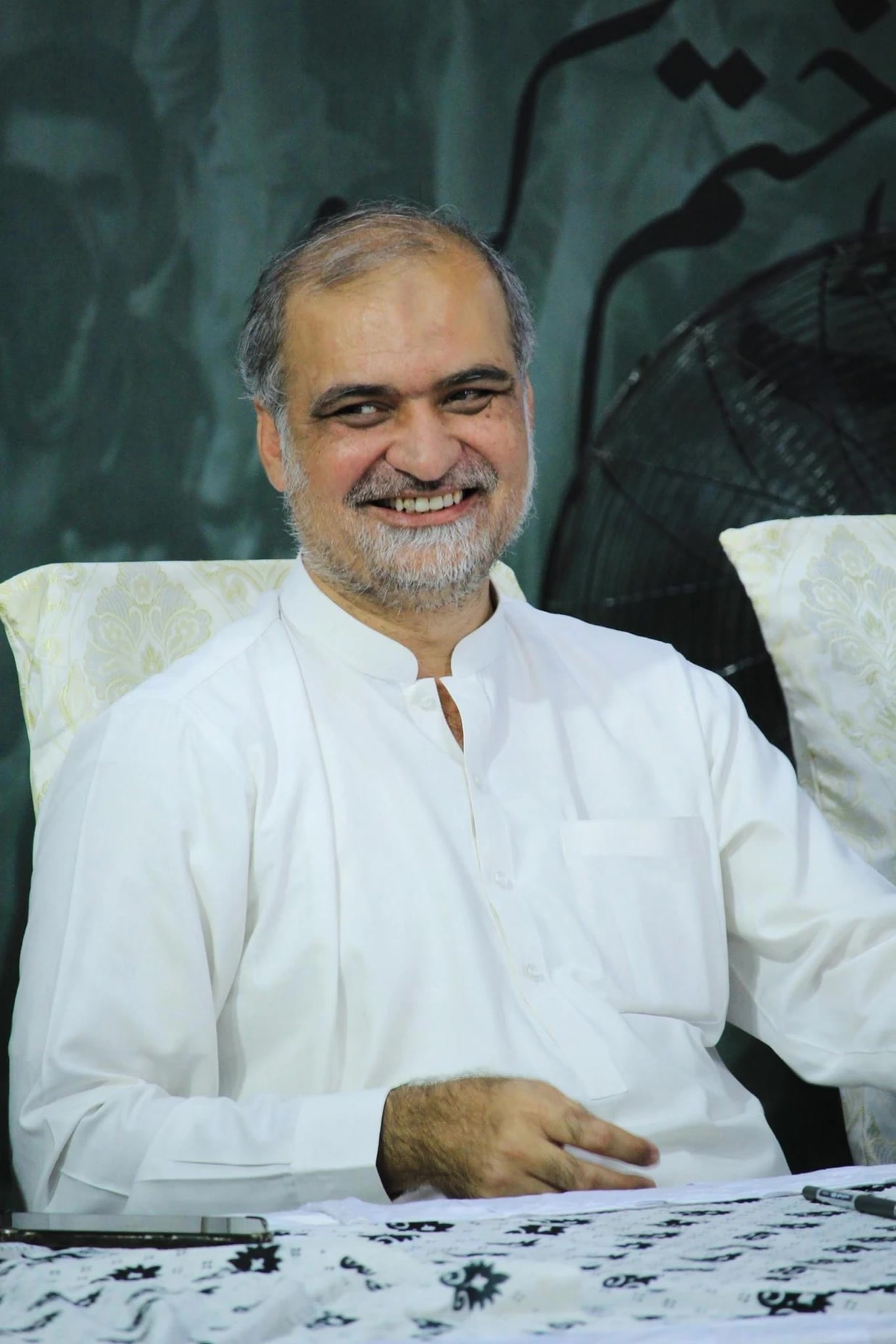
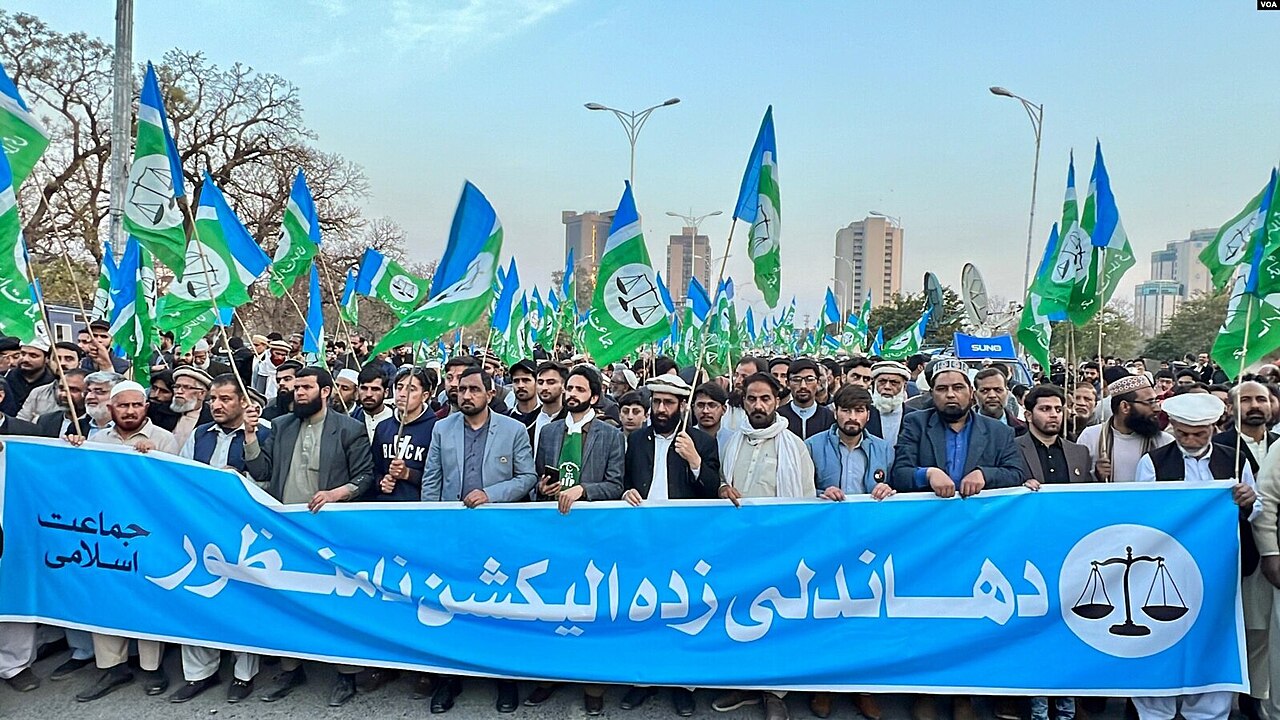
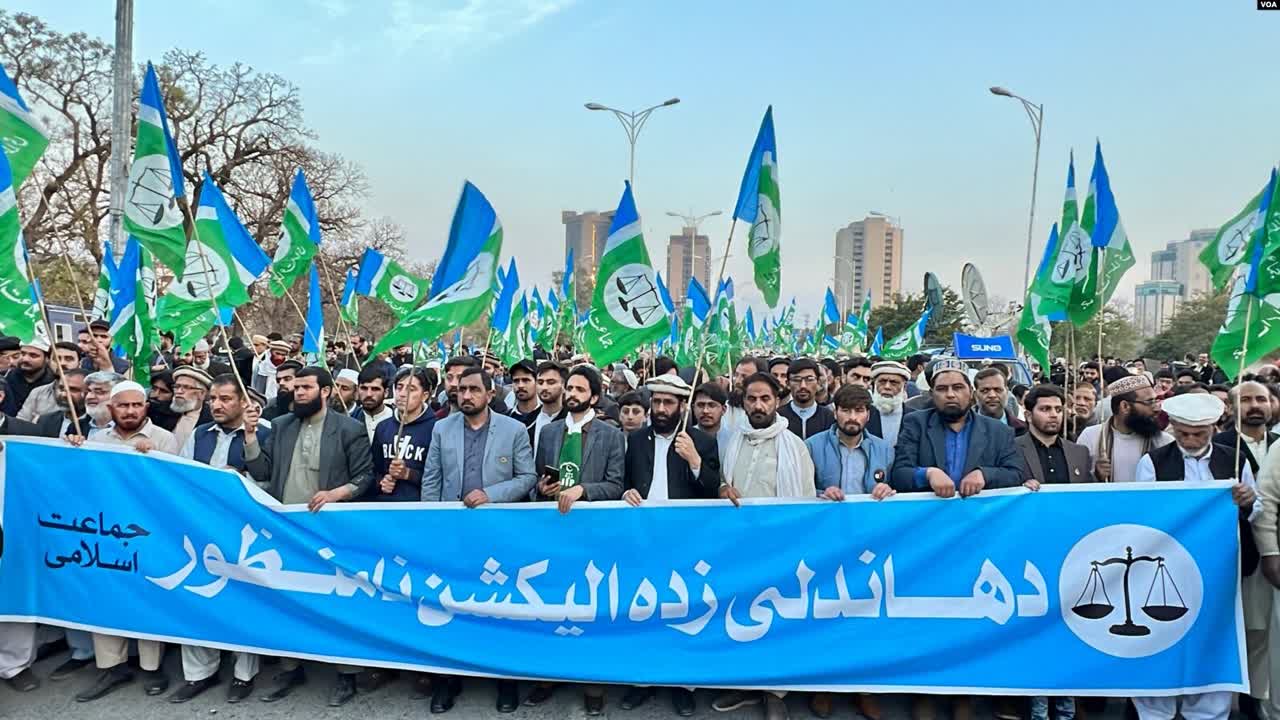
Jamaat-e-Islami (JI) chief Hafiz Naeemur Rehman has announced that the party’s long march against the petroleum levy will reach Islamabad on 23 and 24 September, with a train march departing Karachi on 20 September. Addressing a press conference in the federal capital on Friday, 18 September, Rehman said participants would begin arriving in Islamabad from all four directions from 20 September, and clarified that the party would not block roads. “We are coming to get relief, not to lay hands on anyone,” he said, adding that the government had been asked to grant permission for the protest.
Rehman reiterated that the party’s single central demand is the abolition of the petroleum levy, arguing that major political parties were not addressing the problems of ordinary Pakistanis. He said the government had agreed to demands during earlier negotiations but had not implemented them, and described the announced fuel relief package as insufficient. “If the government has any mechanism to provide relief, let us talk today,” he said.
The announcement came as the government cut the pump price of petrol by Rs1.65 per litre and high-speed diesel by 88 paisas per litre for 19-21 September, leaving petrol at Rs389.14 and diesel at Rs424.04, according to a Petroleum Division notification reported by The Express Tribune. Prime Minister Shehbaz Sharif also directed the immediate inclusion of 20-year-old motorcycles, rickshaws and Qingqi rickshaws in the Prime Minister Fuel Relief Scheme, extending eligibility to vehicles registered after 1 January 2006.
The finalised plan
The consultative meeting held at JI’s Mansoorah headquarters on Thursday considered two proposals, The Express Tribune reported, citing party sources. The first — a train march from Karachi — received greater support than the alternative of workers travelling directly to Islamabad on 20 September for a march and sit-in at D-Chowk. Under the preferred plan, the train march leaves Karachi on 20 September, reaches Lahore, and then moves to Islamabad via the Grand Trunk Road on 22 September, with workers from Kasur, Pakpattan, Multan and other parts of southern Punjab expected to reach Lahore before the convoy heads towards the capital.
Rehman told the press conference that a train march would leave Karachi on 20 September and that the march would reach Islamabad on 23 and 24 September. He said JI had sought permission from the government and maintained that the party did not intend to block roads during the mobilisation. The party’s spokesman separately outlined a day-by-day schedule reported by Pakistani television: a train journey from Karachi on 20 September reaching Multan on 21 September, road convoys from Multan to Lahore on 22 September, and a departure from Lahore for Islamabad via the Grand Trunk Road on 23 September.
The JI chief also sought to reassure candidates sitting the Medical and Dental College Admission Test (MDCAT), which falls on 20 September, saying the party wanted the examination to take place and that there would be no obstruction. Concerns had surfaced because the test coincides with the start of the march.
The levy dispute
The petroleum levy has been the flashpoint of JI’s campaign for more than a month. The party announced nationwide sit-ins in provincial capitals from 16 August and called a strike for 3 September, and has since held demonstrations at dozens of locations, including Lahore and Karachi. In early September, JI set a deadline for the levy’s withdrawal after negotiations with the government, and the party has maintained the charge should be abolished outright rather than offset by temporary relief.
Rehman said reducing the petroleum levy would have provided relief to everyone, and criticised the absence of relief on diesel, which he said drives the country’s economic activity. He said the government had collected more than its levy target. The federal government imposes substantial taxes and duties on fuel; the levy and related charges amount to about Rs80 per litre on petrol and Rs100 per litre on diesel, according to figures the party and officials have cited this month.
The government’s own response has centred on targeted relief. On 13 September, the prime minister announced a scheme offering a Rs100-per-litre discount on petrol for motorcycles, three-wheelers and cars with engines up to 800cc. Under the scheme, an estimated 11.8 million beneficiaries are covered — about 10 million two-wheeler users and 800,000 three-wheeler users receive relief on up to 20 litres of fuel per month, while another million owners of cars up to 800cc receive relief on up to 30 litres. The government estimated the monthly fiscal impact at Rs24.6 billion. JI has rejected the package as a substitute for the levy’s abolition, with Rehman saying relief given “as charity” was not a right.
Negotiations and the wider protest movement
The march follows four rounds of negotiations between JI and the government, which concluded most recently without agreement, with JI announcing that its planned Islamabad march would go ahead. Rehman said the party’s negotiations were continuing, but alleged that a lack of understanding, stubbornness and indifference among government advisers had left JI with no option but to continue its protest. He said JI had no interest in continuing the protests if the government provided relief through lower petroleum prices and a significant reduction in the levy.
The JI mobilisation is running alongside Pakistan Tehreek-e-Insaf’s (PTI) long march towards Islamabad on 27 September demanding Imran Khan’s release. Rehman said JI was in contact with PTI and had supported its protests, while PTI supporters had backed JI’s planned march. The two movements converge on the capital within the same week, a security and administrative challenge for the federal government, which has reintroduced austerity and fuel conservation measures — including reduced official fuel allocations and early business closing times — as Middle East tensions keep oil prices elevated.
What is still uncertain
JI’s plan is an announcement, not yet an accomplished march. The government had not publicly responded with a new concession beyond the relief scheme and the price cut when this article was published, and it is unclear whether permission for the demonstration will be formally granted. The party has said it will not block roads and will not obstruct the MDCAT examination, but the scale of participation, the condition of the convoy routes, and the possibility of countervailing restrictions by authorities remain open questions. Whether the government moves to phase down the levy — a step tied to its fiscal and IMF commitments — or holds its position into the march will determine whether the movement escalates or eases in the coming week.
Sources & reporting notes
This is a synthesis of published material, not eyewitness reporting. Sources were reviewed on 18 September 2026.
- Geo News — JI's long march to reach Islamabad on Sept 23-24, says Hafiz Naeem18 September 2026 · Independent report of the emir's press conference: arrival dates, train march, no-road-block pledge, MDCAT assurance and relief-package criticism.
- Pakistan Today — JI says Islamabad march will reach capital on September 23-2418 September 2026 · Independent report of the press conference, permission request, levy demand and fuel relief scheme details.
- The Express Tribune — JI weighs two plans for Islamabad march against petroleum levy17-18 September 2026 · Independent report of the Mansoorah consultative meeting, the two proposals, the train march route and sit-in background.
- The Express Tribune — Govt decreases petrol price by Rs1.65, HSD by 88 paisas till Sept 2118 September 2026 · Primary government notification report: price cut effective 19 September, fuel relief scheme inclusion directive and levy/tax figures.