Reporting snapshot · 12 November 2026 (Asia/Karachi). Nothing here is settled. Washington has not announced a decision on Tehran's terms, and Israeli officials have not publicly confirmed the reported order to prepare for possible attacks. Iran's seven conditions have never been published in full, and the fighting around the Gulf continued through Wednesday.
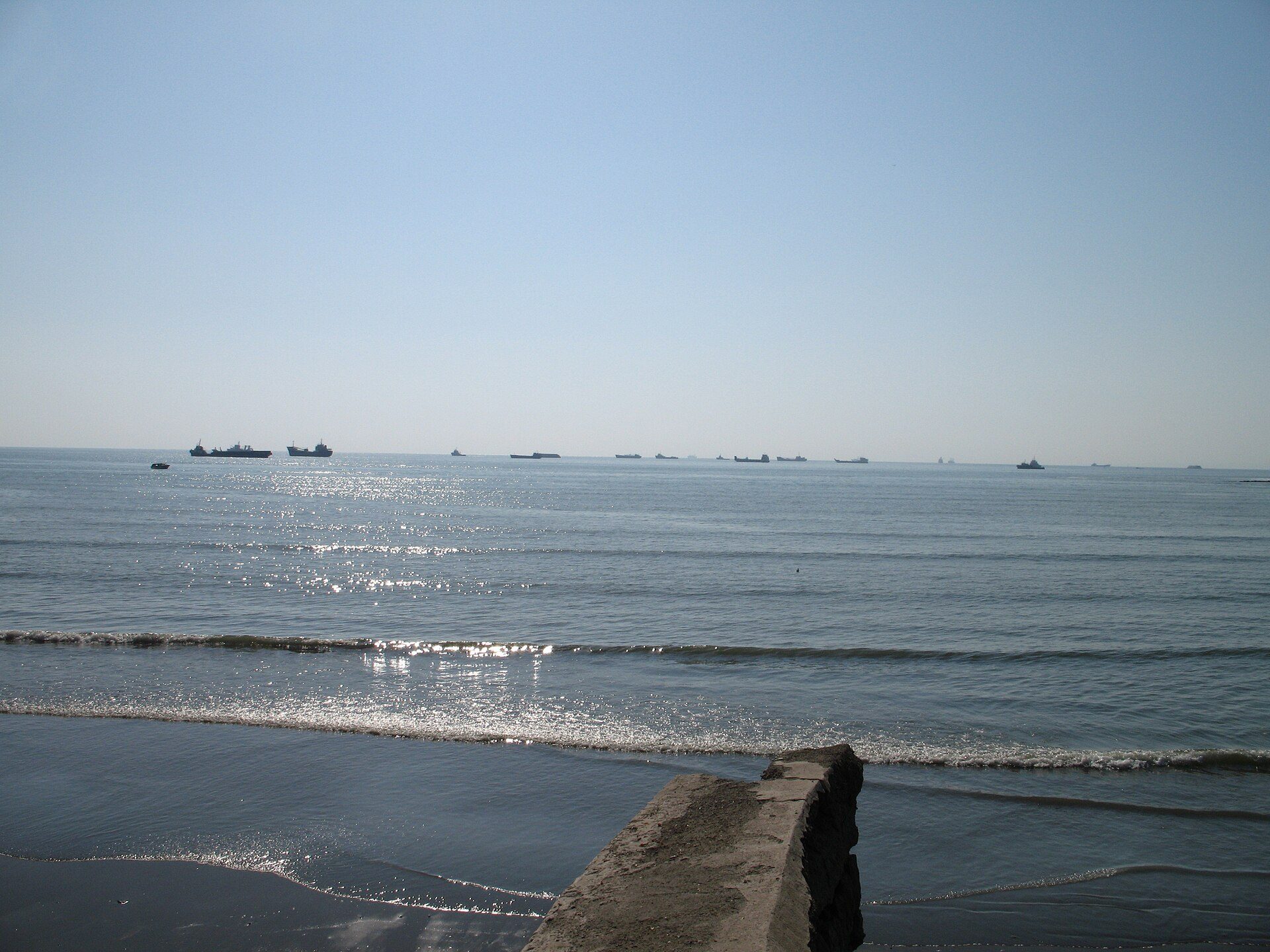
Tehran has rejected a United States proposal to move part of its highly enriched uranium stockpile to a third country, and Israel has ordered its military to step up preparations for a possible attack on Iran. The two moves leave the nuclear file that Pakistan and Qatar have spent months trying to reopen without an agreed path, in the ninth month of a war in which Iran has closed the Strait of Hormuz to commercial traffic.
Al Jazeera’s live coverage of 12 November reported both developments, and said that Tehran had warned it would expand the war beyond the region if it is attacked. The same report said Iran’s parliament speaker and lead negotiator Mohammad Bagher Ghalibaf had told the broadcaster that the United States must “make and announce” a decision on Tehran’s own proposal, after Iran turned down a US plan to transfer the country’s stockpile of 60 percent enriched uranium to a third country.
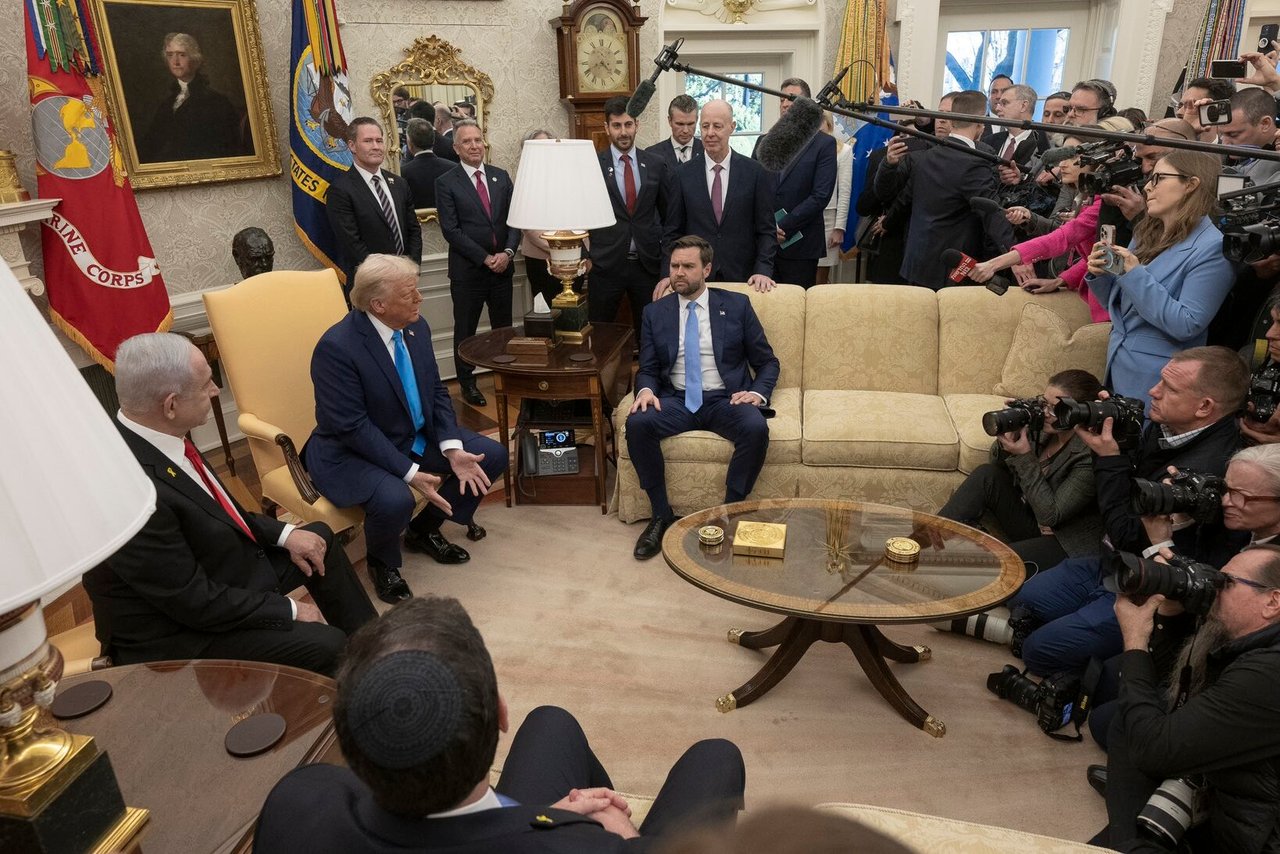
Washington’s own tone has been mixed. US Secretary of State Marco Rubio said in Paris on Tuesday that Washington was “open to diplomacy” and that “right now there is no need for major combat operations” because “the economic campaign is so devastating”, Al Jazeera reported. The same account recorded that the Qatari prime minister, Sheikh Mohammed bin Abdulrahman bin Jassim Al Thani, held talks with Trump at the White House before meeting the Saudi foreign minister and four European diplomats in Paris, where Group of Seven foreign ministers were gathering, to discuss the Iran crisis and its security and economic fallout.
The seven conditions, and the uranium Tehran will not move
Ghalibaf set out what Tehran wants in an exclusive interview with Al Jazeera published on 11 November: the lifting of the US naval blockade and sanctions, the release of frozen Iranian funds, an end to the fighting on all fronts, and an explicit announcement that the war is over. He said those demands formed part of the Islamabad memorandum of understanding signed in June, and that implementing them was a precondition for entering negotiations with Washington. “The ball is now in the American court,” he said, adding that a deal was possible if America limited itself to what had been agreed. The Express Tribune, which carried the same interview, quoted him saying Washington “must make a decision and announce it”.
On the material itself, Iran has closed the question. Security chief Mohsen Rezaei told Russia that not a particle of the highly enriched stockpile would leave the country, because it may be needed for planned nuclear-powered submarines, The Guardian reported. The Express Tribune reported the same position, that Iran would not allow its enriched material to leave the country, and added that the nuclear issue was not currently part of negotiations.
The mood inside Tehran is harder than the public line suggests. Mehdi Mohammadi, an adviser to Ghalibaf, wrote on his Telegram channel that Washington had proposed a timetable of about two weeks after which President Donald Trump would decide on military action, and that a limited American strike and an Iranian response were both being prepared, The Guardian reported. Mohammadi described Washington’s response to Tehran’s proposals for reopening the strait as “not only unsatisfactory but completely deceptive”, and said Iran had refused a request from US Vice-President JD Vance for a direct meeting with its negotiators before it answered the conditions. The Express Tribune also reported Rezaei threatening to strike US bases in Europe and beyond if American aircraft take off from them to attack Iran.
The Gulf front widens again
The pressure is not confined to the nuclear file. Saudi-led air defences intercepted three Houthi cruise missiles aimed at Riyadh and two drones heading towards Makkah and the kingdom’s southern regions on Wednesday, The Express Tribune reported. The Houthis denied targeting Makkah, saying they had struck a pumping station in the Yanbu region with a drone and fired three cruise missiles at Riyadh’s King Khalid International Airport. A strike on that airport last month killed 13 people and wounded more than 300.
Tehran is watching that front closely, and speaking as though it expects a role in it. On the fighting in Yemen, Ghalibaf said “no one should interfere” and that if both the government in Yemen and Saudi Arabia were to ask for Iran’s help, “we would certainly offer our assistance to help resolve their conflict”, Al Jazeera reported. Iran offered in October to facilitate Saudi-Houthi talks, the broadcaster noted.
The bill is now being counted. Allianz Trade estimated that physical damage across Gulf countries has exceeded $200 billion, with energy infrastructure accounting for much of it, and that the cumulative loss of economic output across the Gulf Cooperation Council will reach $790 billion by 2030, a 5.9 percent shortfall against the region’s pre-war growth path, The Express Tribune reported. Oil rose about 1 percent on Wednesday after the nuclear remarks, with Brent up $1.28 at $92.77 a barrel and West Texas Intermediate at $86.80, the same paper reported. The strait remains the pinch point: maritime monitoring firms reported at least 37 attacks on ships in and near the Strait of Hormuz in October, the highest monthly total since the war began, Al Jazeera reported.
What the standoff means in Islamabad
Pakistan has a direct interest in how this ends. The Express Tribune reported that efforts led by Qatar and Pakistan to end the conflict continue, and that Tehran’s conditions, which include the Islamabad memorandum of understanding, have drawn no announced response from Washington. Islamabad has pressed both sides to honour that memorandum, and the pressure on Iran is tightening on several fronts at once: Washington created Task Force Iron Gate on 8 November to cut Iran’s land supply routes, while the nuclear file itself has stalled.
The exposure runs through energy and trade. Pakistan’s own winter power costs have been climbing as OGRA raises the regasified liquefied natural gas price by up to 15.27 percent and the Power Division warns of a harder winter, and a strait that stays shut keeps that exposure open. Official documents that The Express Tribune reported on put the fall in Pakistan’s exports to Gulf countries at 32.3 percent between March and June 2026, from $980.6 million to $663.7 million. The same report’s figures for July to October do not reconcile with the percentage it publishes for that period, so it does not establish whether the fall continued at that rate.
There is a second front for Islamabad. Pakistan is a signatory to the Makkah defence pact with Saudi Arabia and Türkiye, Houthi strikes have hit inside Saudi Arabia, and an adviser to Iran’s supreme leader has warned Europe that any complicity in the US blockade would be “an act of war that will be etched in the nation’s historical memory”, The Guardian reported. Pakistan is also due to host a meeting of the pact’s committee in Islamabad this month.
The clock on Washington’s decision
Three things will decide whether the track survives. The first is whether Washington answers inside the roughly two-week window Mohammadi described. The second is whether Israel converts preparations into strikes. The third is whether Tehran’s conditions, which include the Islamabad memorandum, are met or softened.
For Pakistani readers the practical point is that the mediation effort Islamabad has made central to its foreign policy is now running against a deadline set in Washington and a military decision taken in Jerusalem, while the cost of the energy that passes through the Strait of Hormuz is still climbing.