Reporting snapshot · 25 May 2026. This report reflects statements and reporting published on 25 May 2026 and does not include later developments.
What happened
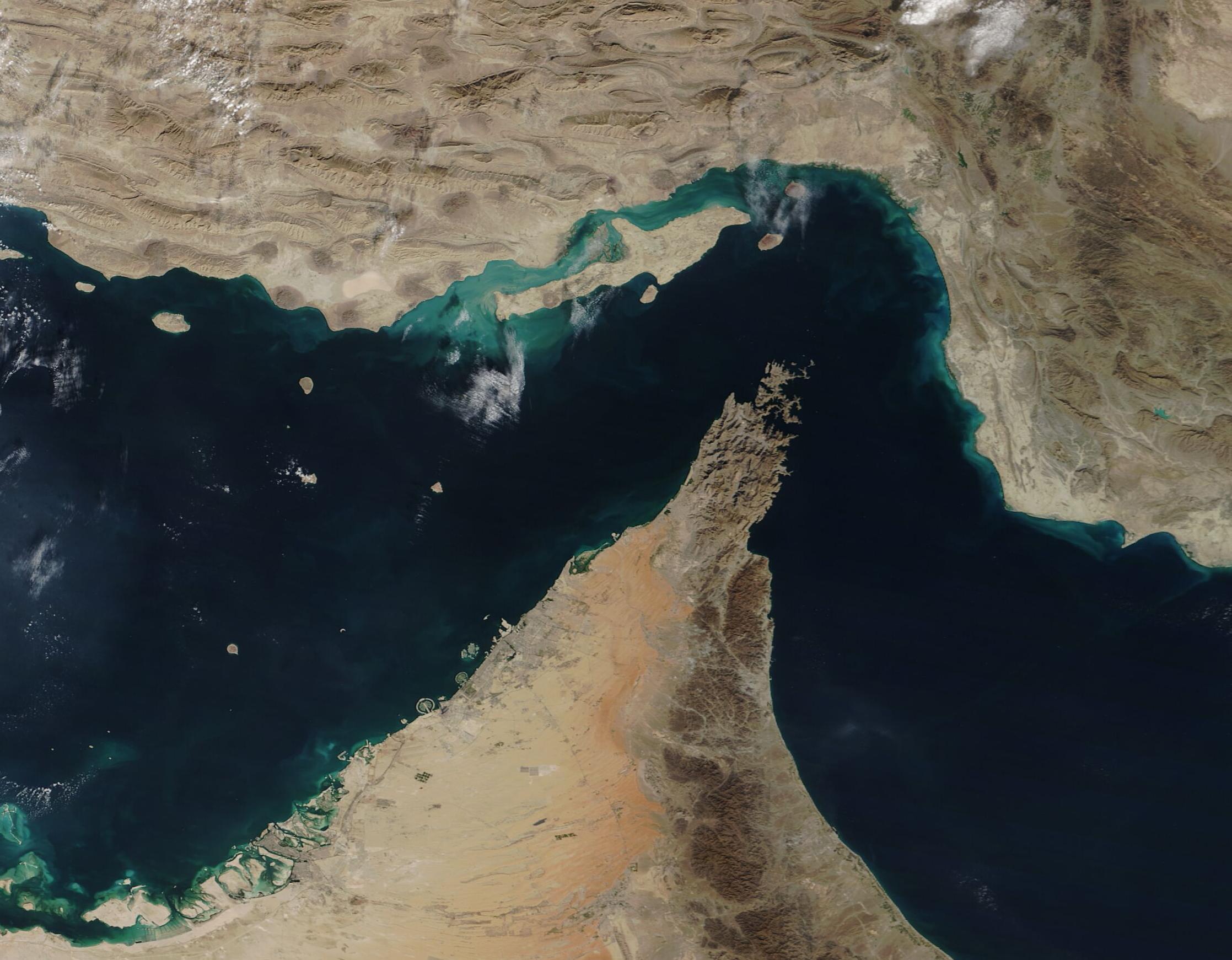
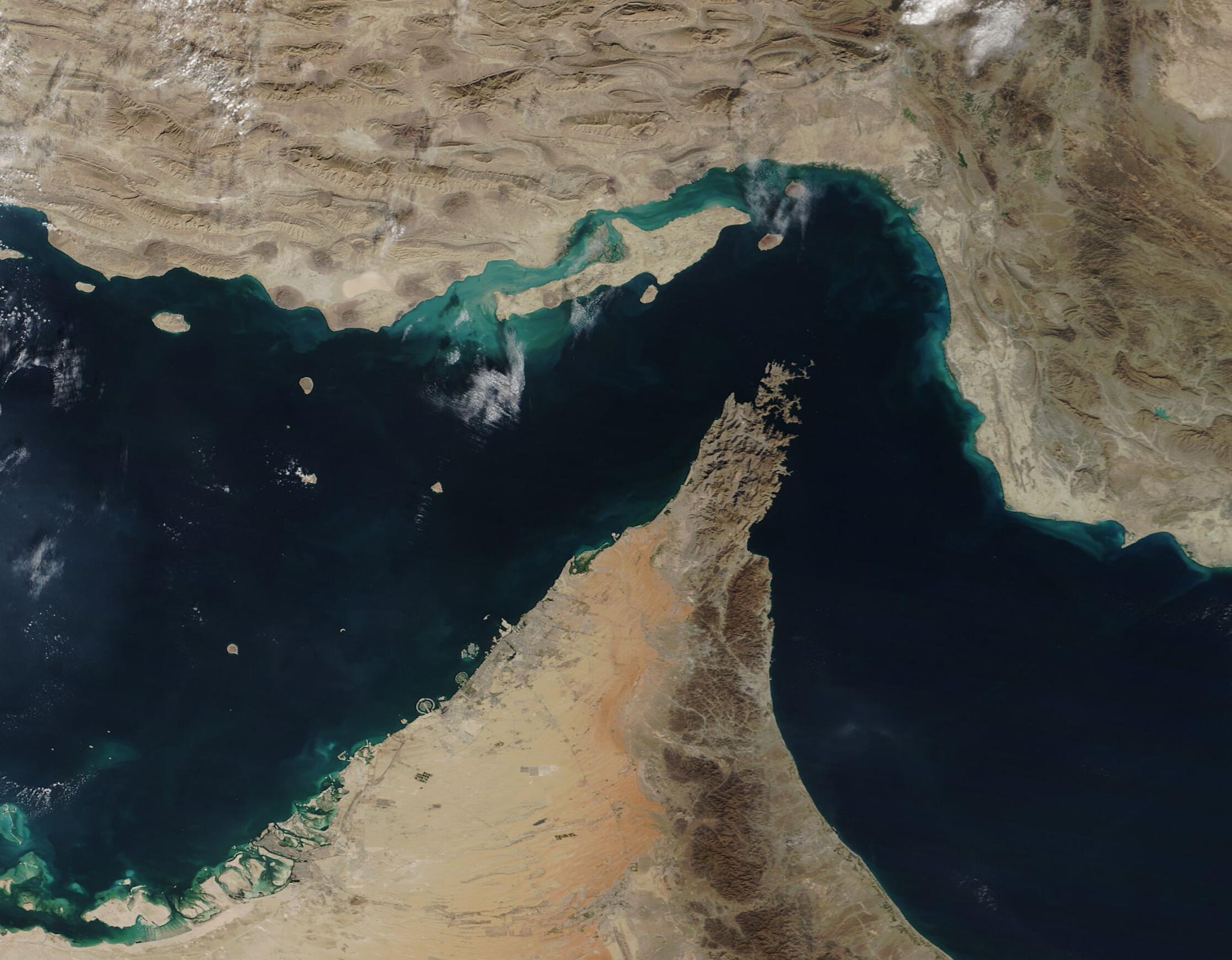
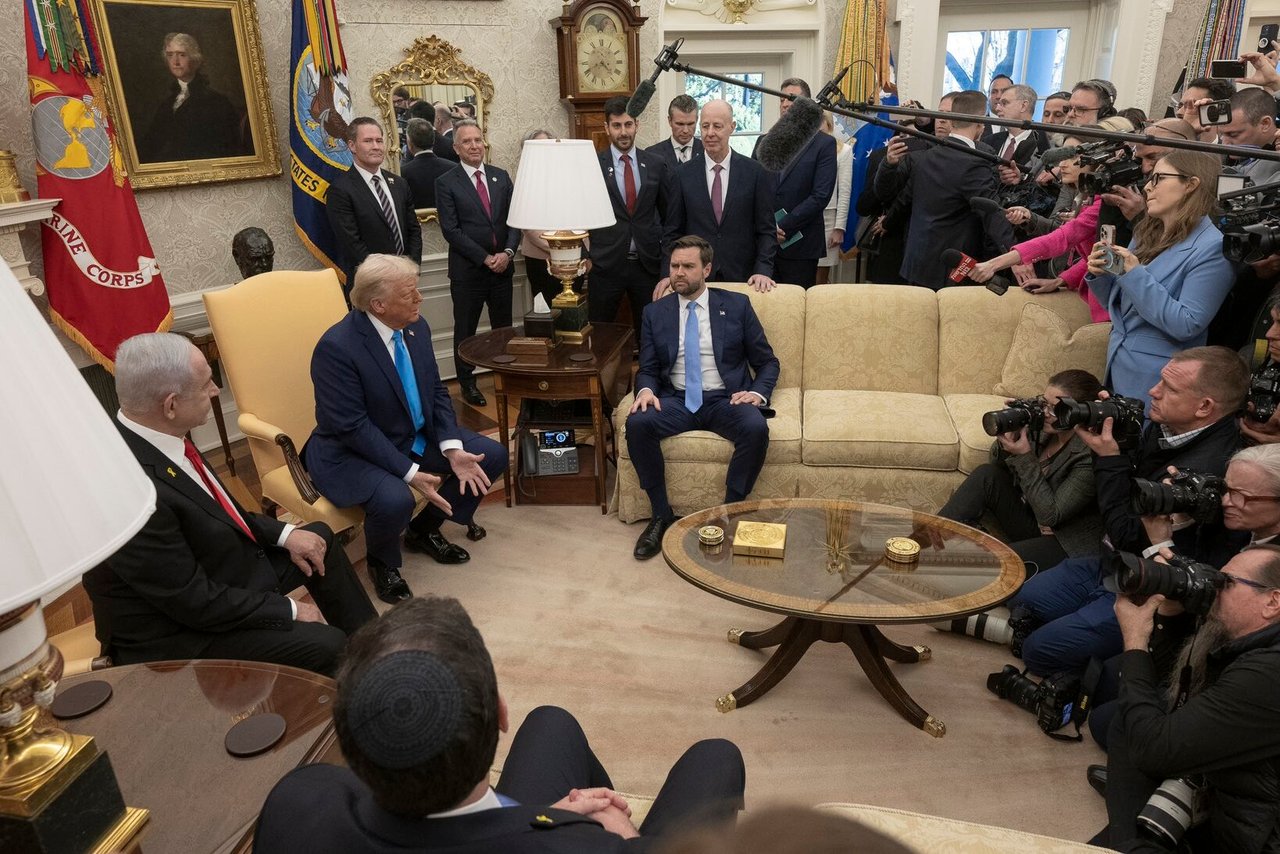
Israeli Prime Minister Benjamin Netanyahu raised objections to Pakistan’s involvement in the United States-mediated talks with Iran, asking Washington to move the negotiations to a venue outside Pakistan, according to Pakistani reporting on 25 May.
Times of Islamabad reported that Netanyahu conveyed to Washington that Pakistan’s opposition to Israel made it an unsuitable mediator, and that Israeli officials suggested alternative channels involving countries that have joined the Abraham Accords. The report said Netanyahu asked President Donald Trump to shift the talks to Geneva, Qatar or the United Arab Emirates. It also said US Senator Lindsey Graham, a Netanyahu ally, publicly questioned Pakistan’s credibility as a mediator, citing reports that Iran had parked military aircraft at Pakistani airbases, including Nur Khan near Rawalpindi, to protect assets during earlier tensions.
According to the report, Pakistani diplomatic sources rejected allegations of bias, saying Islamabad’s engagement aligned with its longstanding policy of supporting peaceful resolutions to conflicts affecting the Muslim world.
The objections surfaced amid a separate push reported by Axios and covered by India Today. It said Trump, on a weekend conference call with the leaders of Pakistan and several Arab states, urged more Muslim-majority countries to join the Abraham Accords, which normalise relations with Israel. India Today reported that the request was followed by what it described as pin-drop silence on the call before Trump asked whether participants were still present. Graham later warned Saudi Arabia, Pakistan and other states that had not normalised ties that refusing the path would carry “severe repercussions” for their relationship with Washington.
Why it matters
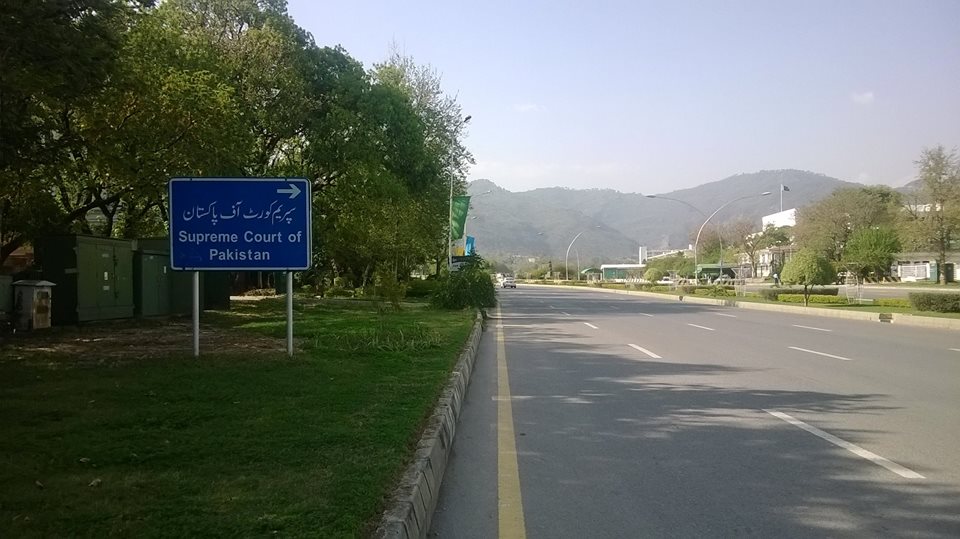
Pakistan has positioned itself as the main facilitator between Washington and Tehran, hosting the only direct talks of the war in April. The reported Israeli objection and the Abraham Accords pressure expose the competing expectations Islamabad faces: it maintains no formal diplomatic ties with Israel and has long backed the Palestinian cause, while it is simultaneously seeking to preserve its role as a mediator and its relations with the United States. Pakistan joined Trump’s Board of Peace for post-war Gaza governance earlier in 2026, a move that drew domestic criticism; the Foreign Office at the time dismissed any connection to the Abraham Accords.
What remains uncertain
Neither the Israeli government nor the White House had publicly confirmed the reported request to change the venue, and Pakistan’s Foreign Office had not issued a direct response to Graham’s remarks. It remained unclear whether the next round of talks would be held in Islamabad, as Pakistani officials had hoped, or elsewhere.
Sources & reporting notes
This is a summary of published reporting, not independent reporting. Sources reviewed on 2026-05-25.
- Times of Islamabad — "Israel Objects to Pakistan's Role in US-Iran Peace Negotiations"25 May 2026 · Reports Netanyahu's reservations, the suggested alternative venues and Lindsey Graham's criticism.
- India Today — "Pakistan Abraham Accords: Trump Israel push puts Pakistan in existential bind"25 May 2026 · Reports the Axios account of Trump's call and Graham's warning to Pakistan.