Reporting snapshot · 1 November 2026 (Asia/Karachi). Nothing has been decided: no bill has been voted on, the government has not approved a withdrawal, and Washington has not answered the letter the security chief says he read. The main limitation is that the debate is reaching the public through state television and Iranian news outlets, and the government's position has not been set out since June.
What Tehran’s security chief said
Speaking to Iranian state television on Saturday, 31 October, Mohsen Rezaei, the secretary of Iran’s Supreme National Security Council, said Iran was debating whether to keep its longstanding ban on nuclear weapons if hostilities resumed, with no decision taken to change the country’s nuclear doctrine. Reuters carried the remarks in the early hours of Sunday, 1 November, as Geo News’s live coverage of the conflict recorded.
Two more points came in the same remarks. There could be no talks on Iran’s nuclear programme unless Washington accepted Tehran’s demands, Rezaei said, and he described a change in the tone of US communications as a positive sign, the Associated Press reported. Vance has written to Rezaei to explore resuming talks; Rezaei said he had read the letter but had not answered it.
The remarks closed a day that ran in two directions. Iran’s foreign minister, Abbas Araghchi, confirmed a negotiation channel and named Qatari and Pakistani mediators, as KhabarWire reported on the Doha round. Iranian negotiators met mediators in Doha on Saturday after more than 12 hours of talks in Tehran the day before, in contacts coordinated with Washington, Reuters reported. Meanwhile the office of the supreme leader, Mojtaba Khamenei, ordered the armed forces to prepare for “an immediate and effective response, without geographical restriction”, Al Jazeera reported. Secretary of State Marco Rubio said President Trump “has not yet made a decision” about resuming military action against Iran, Reuters reported.
Ten bills and a debate that has moved into the open
The nuclear argument is not new, but it has moved into official politics. On Saturday, Iranian legislator Mahmoud Nabavian wrote that “now that we have paid the heavy costs of war and sanctions, it is time for the Iranian nation to withdraw from the NPT treaty and change the nuclear doctrine”, Al Jazeera reported.
In parliament, Ebrahim Rezaei — a member of the National Security and Foreign Policy Committee, not the security chief — said ten proposals to withdraw from the treaty had been registered and that withdrawal was under consideration, according to the Fars news agency. Mohammad Javad Haj Ali Akbari, a politician and scholar, called for a review of the doctrine in a Friday sermon, describing the demand as a “national demand” rather than a passing reaction, state broadcaster IRIB reported. The hardline Paydari Front asked parliament to withdraw on 24 October, and Tasnim has reported calls for withdrawal while accusing the IAEA of drifting towards the US and Israeli positions.
Iran’s official position has not moved. Foreign Ministry spokesman Esmaeil Baghaei said in June that lawmakers were preparing a withdrawal bill and that “in light of recent developments, we will take an appropriate decision”. Withdrawal would not automatically mean a nuclear weapon, the government’s position on not seeking nuclear arms is unchanged, and President Masoud Pezeshkian has said Tehran’s policies still follow the religious edict against weapons of mass destruction issued by the late Supreme Leader Ali Khamenei.
What leaving the treaty would actually do
Iran signed the NPT in 1968 and ratified it in 1970 as a non-nuclear-weapon state; it is one of 191 parties. One article allows a country to withdraw with three months’ notice if it decides that extraordinary events have jeopardised its supreme interests. Deutsche Welle’s assessment notes that the treaty does not require Security Council approval for a withdrawal, only notification of the Council, and that the three-month clock would give Israel, the United States and other governments time to reassess Tehran’s intentions. One expert quoted by DW said a withdrawal “would almost certainly be seen internationally as a signal that Iran intends either to keep open the option of developing nuclear weapons or to move toward doing so”, raising pressure and the risk of military action.
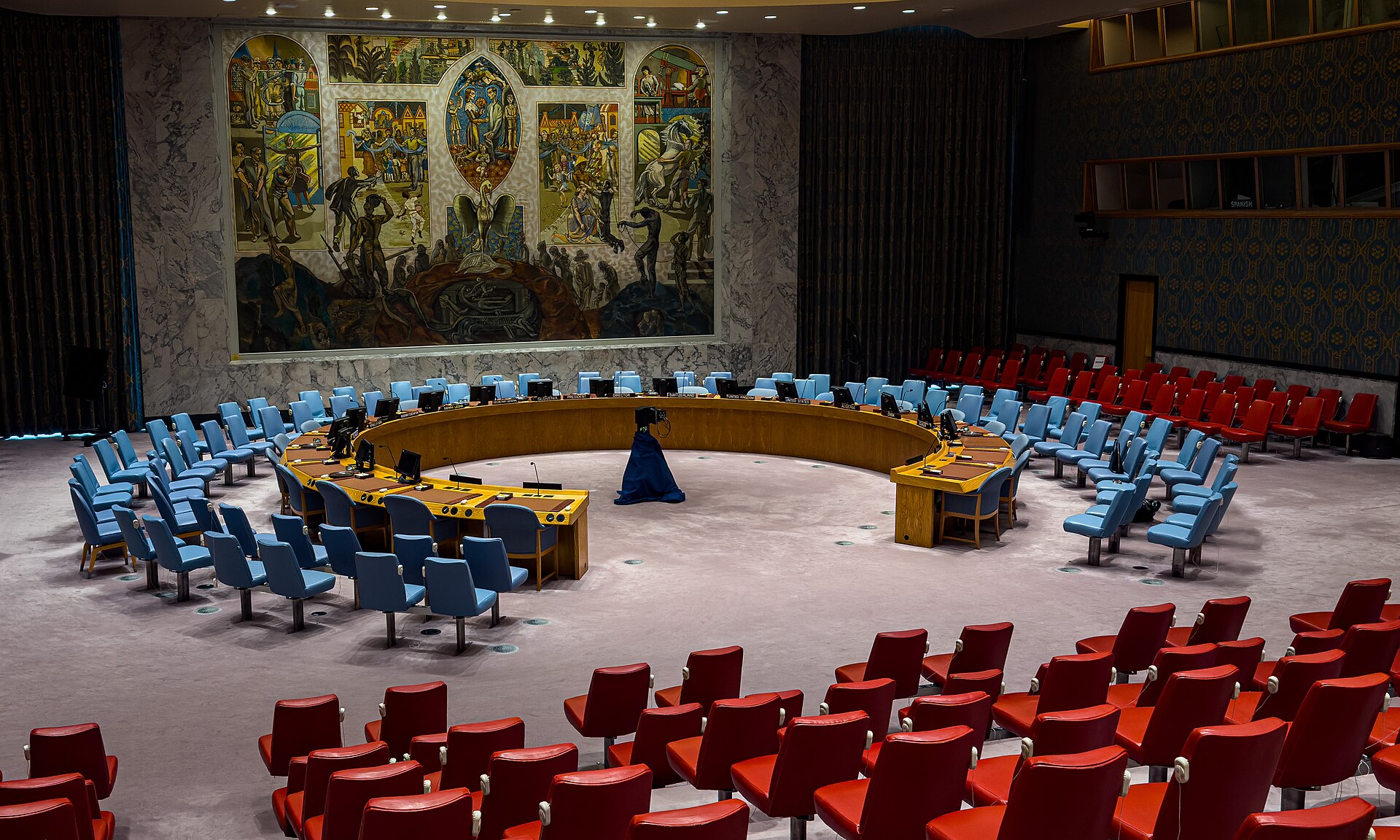
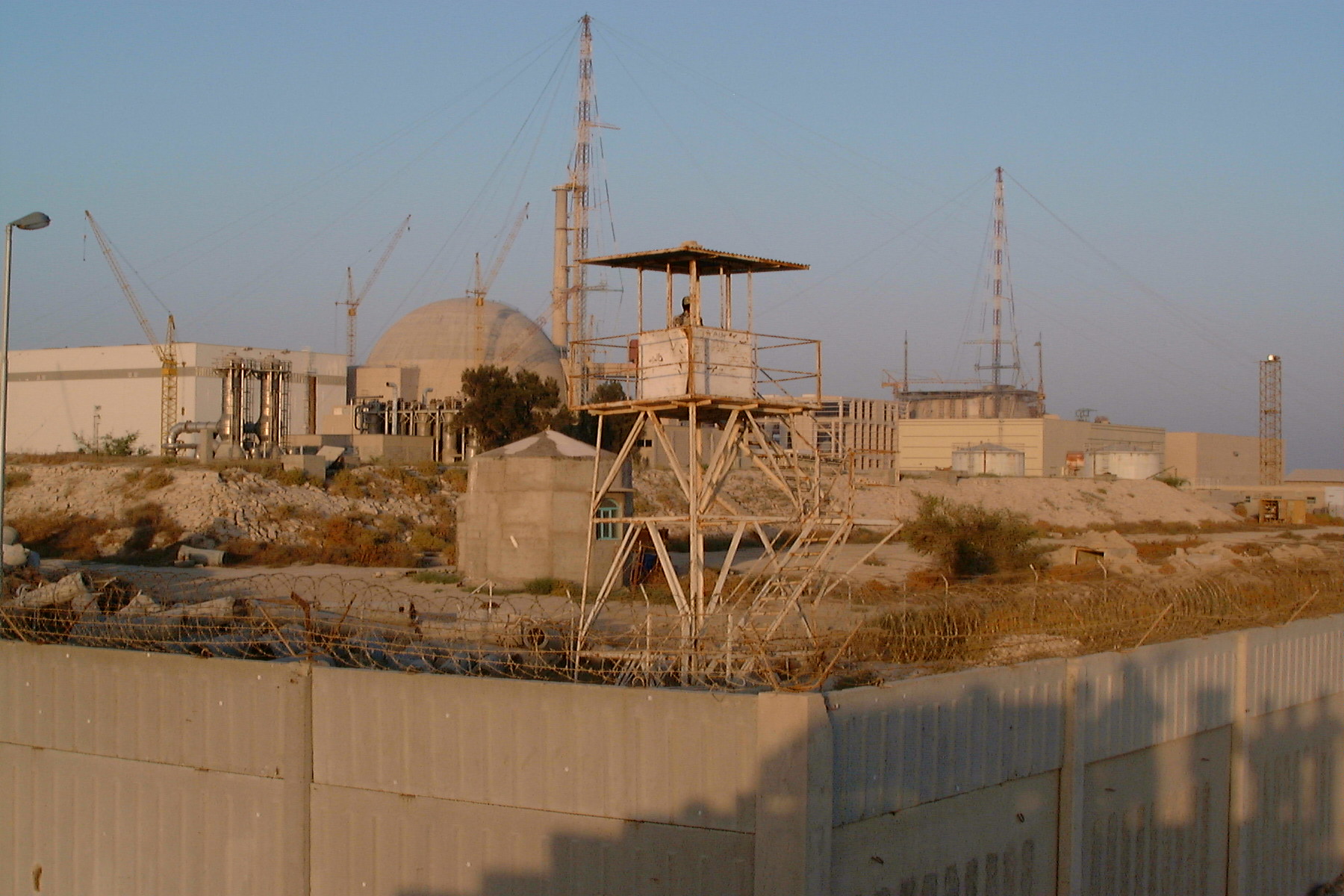
The verification gap matters most. The IAEA has not had access to key sites since the June 2025 strikes on Fordow, Natanz and Isfahan. When Rafael Grossi briefed the Security Council on 27 October he said the agency still could not confirm that none of Iran’s safeguarded nuclear material had been diverted, pointing to a declared stock of 440kg of highly enriched uranium, and that inspectors were working at Bushehr, the one site where the agency still had access, UN News reported. An IAEA Board of Governors resolution last month expressed “grave concerns” about Iran’s “continued noncompliance” with its obligations, and Tehran has called it baseless and politically motivated.
What it means for Pakistan
The debate lands directly on the channel Islamabad is trying to keep open. Washington’s condition for ending the war is that Iran “cannot have a nuclear weapon”: Trump repeated the position in a speech at Daytona Beach late on Friday, and said in a radio interview that the war was “going to get wrapped up soon” but that Washington needed “a guarantee there’ll never be a nuclear weapon”, Al Jazeera reported. Tehran’s conditions for talking again include an end to the US naval blockade of Iranian ports, sanctions relief and a guarantee of no further attacks. Mohamed Elmenshawy, a Washington-based analyst, told Al Jazeera that pressure should push “the Qatari and Pakistani mediators to drive the efforts more forcefully in order to avoid the path of war”, and that the United States midterms on 3 November could decide whether talks or attacks come first.
Pakistan’s own public line has been to keep the file technical. At the Security Council on 27 October, Ambassador Usman Jadoon told the Council that “Pakistan remains concerned that the situation regarding the Iran nuclear file has sharply deteriorated”, asked for the IAEA to be enabled to work “without any hindrance and within its technical mandate”, and urged all sides to “exercise restraint”, in the text published by Pakistan’s Permanent Mission to the United Nations. Jadoon cited the June Islamabad Memorandum of Understanding as evidence that a negotiated route exists. KhabarWire reported that session.
Two things limit Islamabad’s leverage. Pakistan is not a party to the NPT — the treaty’s 191 members include China, Russia and the Western nuclear powers, while India, Pakistan, Israel and South Sudan sit outside it — so it cannot invoke the withdrawal article or use the treaty as a lever in the way a member state could. And Pakistan’s role has been that of mediator rather than guarantor: the army said on Friday it was “cautiously optimistic” about the US-Iran mediation effort, Al Jazeera reported, which puts Pakistan’s diplomacy on talks a doctrine debate could derail before they produce anything.
The economic exposure is already visible. Iran has tied the reopening of the Strait of Hormuz to seven conditions in the Islamabad Memorandum of Understanding, as KhabarWire reported on 4 October, and the closure of the waterway has fed straight into Pakistan’s winter gas and power costs.
What is still uncertain
No decision has been taken. Rezaei said the doctrine has not changed, the government has not approved a bill, and parliament has not voted. The government’s own reasoning — that the treaty remains useful for civilian cooperation and that leaving it would make that harder — has not been set out in full since June.
The scale of the debate is uncertain because it is reaching the public through state television, Iranian news agencies and posts by officials and lawmakers, some aligned with the Islamic Revolutionary Guard Corps. Whether ten registered bills amount to a serious parliamentary field or a statement of opinion is not clear.
The verification position is unchanged and unverifiable: the 440kg figure is Iran’s own declaration, and the agency cannot confirm where the material is. Whether the Board of Governors repeats its referral, and how Washington and Israel read a formal notice if one comes, are the open questions.
Finally, the timing is tied to politics on both sides. Nothing in the debate says when a decision might be taken, and Washington’s own decision on whether to strike remains open.