Reporting snapshot · 11 November 2026 (Asia/Karachi). The GCC has announced the headquarters but not its exact location, the size or composition of the forces assigned to it, or a timeline. No deployment has been independently confirmed, and the decision's practical effect will depend on details the bloc has not published.
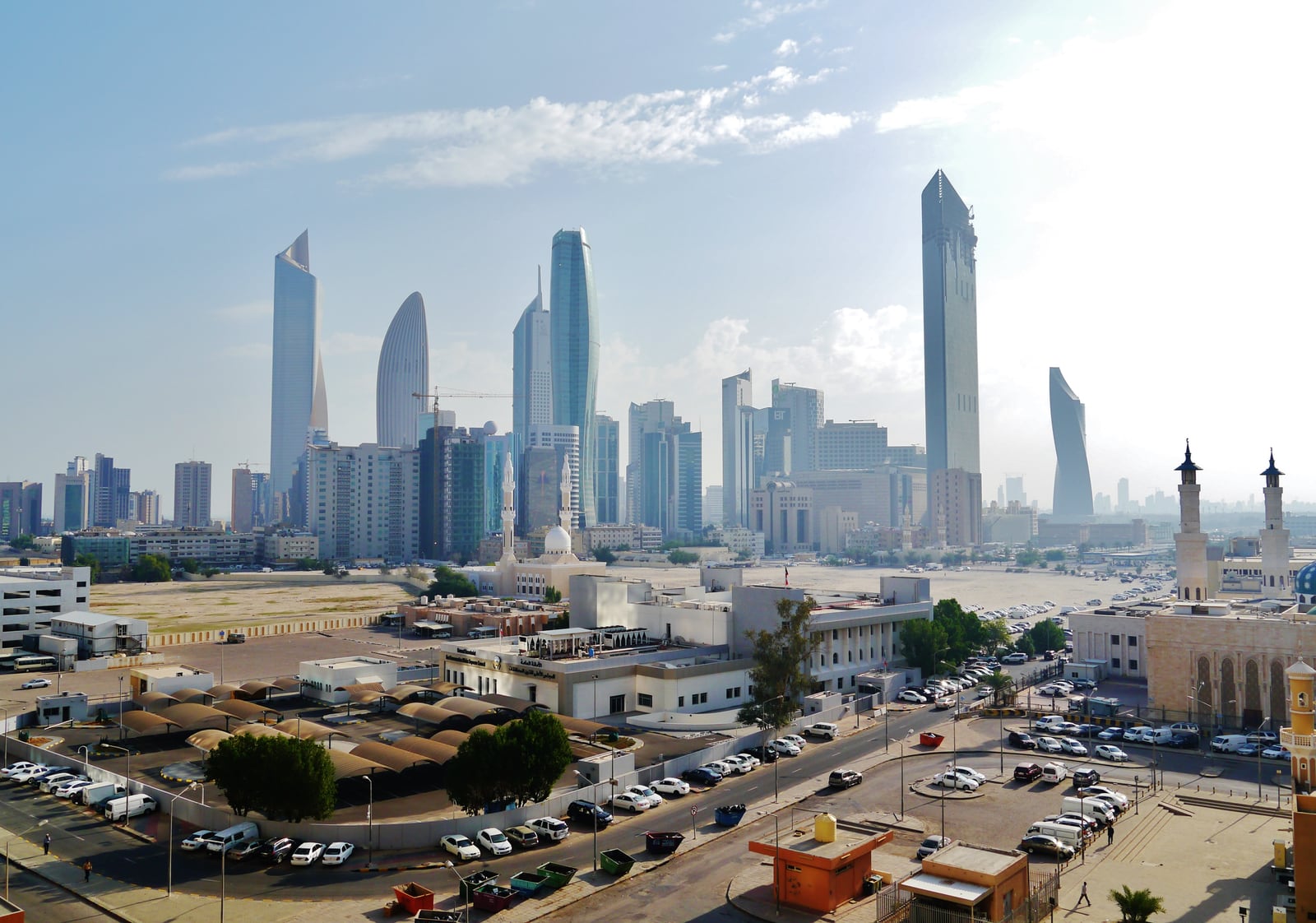
The six members of the Gulf Cooperation Council agreed on 10 November to open an advanced headquarters for the bloc’s Unified Military Command in Kuwait and to assign “appropriate forces” to it, GCC Secretary-General Jasem Mohamed Albudaiwi said, giving the Gulf’s joint military structure a permanent post at the northern end of the waterway.
Albudaiwi said the decision was taken at the 23rd session of the GCC Joint Defence Council in Manama, Bahrain, which was chaired by Bahrain’s Minister of Defence Affairs, Lieutenant General Abdullah bin Hassan Al Nuaimi, and attended by the defence ministers of Bahrain, Kuwait, Oman, Qatar, Saudi Arabia and the United Arab Emirates, according to the GCC statement. The statement said the council approved “the opening of an Advanced Command for the Unified Military Command in the State of Kuwait and the allocation of appropriate forces to it.”
The Reuters and Anadolu Agency account carried by The Express Tribune said no further details on the headquarters or the forces to be deployed were immediately available. The GCC’s own statement likewise gave no location within Kuwait, force size, timetable or cost.
A command post at the top of the Gulf
The Unified Military Command was established at a GCC summit in Kuwait in December 2013 to plan and manage joint operations and to strengthen member states’ defence capabilities. Its main headquarters in Riyadh opened in 2021, and the bloc’s Peninsula Shield force has existed for decades. The new arrangement is different in kind: a forward command post, positioned closer to potential threats, rather than a coordinating headquarters further south.
Al Jazeera reported that the significance lies in having a more unified structure in Kuwait, at the northern end of the Gulf. “It puts a unified command at the top of the Gulf, in Kuwait in particular. That means they are establishing a … permanent presence there,” Muhanad Seloom, a nonresident fellow at the Middle East Council on Global Affairs, told the broadcaster.
Kuwait’s geography explains the choice. It sits at the head of the Gulf, shares a border with Iraq and lies close to Iran. Al Jazeera noted that Kuwait has sought to maintain a moderate position towards Tehran despite coming under attack, and that Iran-aligned armed groups operating from Iraq have launched drones at Gulf states. A standing command structure there would shorten the distance between decision-making and the northern approaches to the Gulf, where shipping, oil terminals and air routes converge.
Why the decision came now
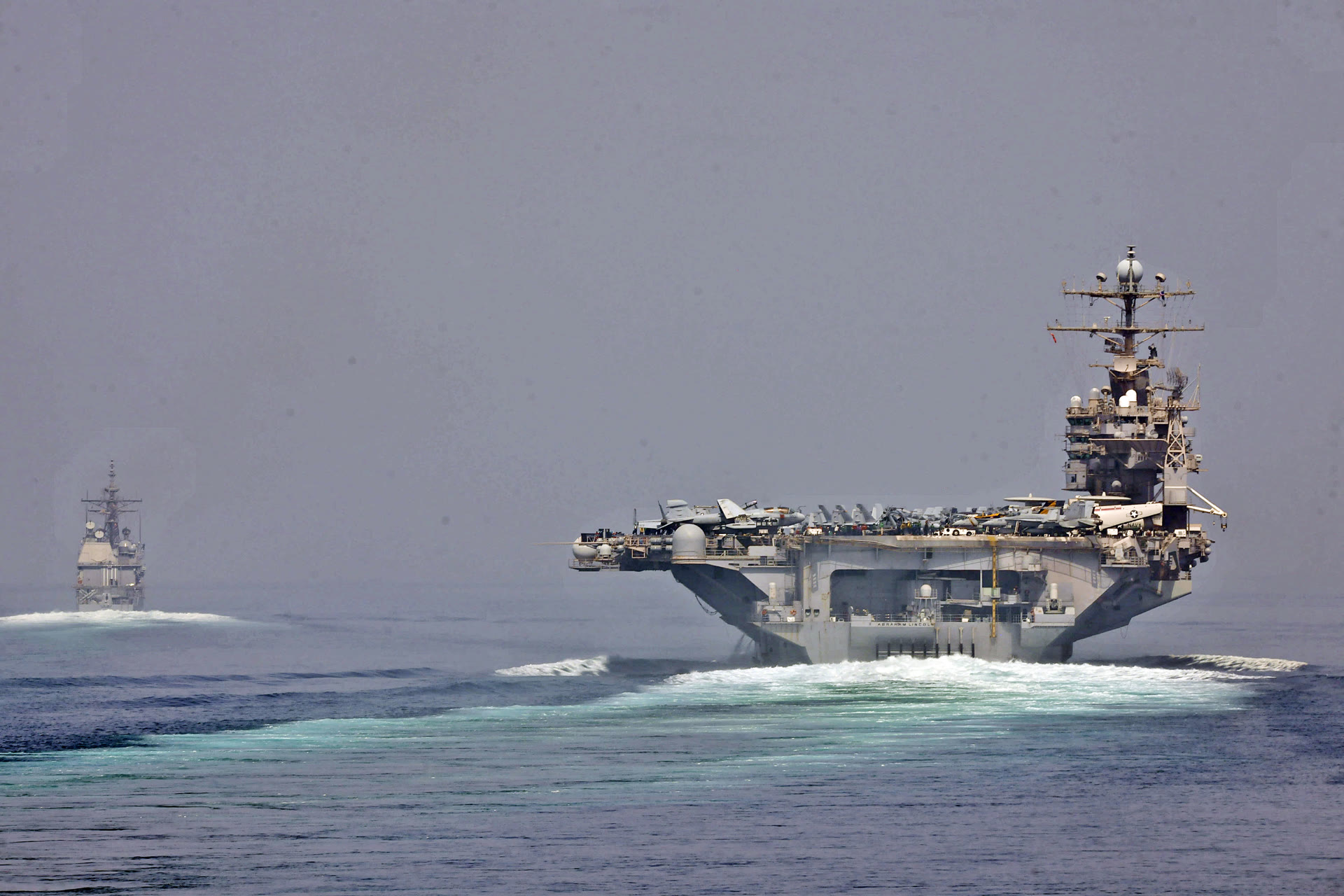
The announcement follows a war that has redrawn the Gulf’s threat map. The United States and Israel launched a war on Iran on 28 February, and Gulf states hosting major US military installations subsequently came under Iranian missile and drone attack. The conflict disrupted flights and shipping and raised concerns about the security of the region’s oil and gas exports. Shipping through the Strait of Hormuz has not returned to normal, and a US naval blockade remains in place even after President Donald Trump said this week that further military action against Iran was unnecessary for now.
The Houthi campaign against Saudi Arabia has added to the pressure. Al Jazeera reported that a Houthi attack on Riyadh’s King Khalid International Airport on 10 October killed 14 people and wounded more than 300. In his statement, Albudaiwi condemned what he called “treacherous Iranian attacks” on GCC states and “heinous” Houthi assaults on Saudi Arabia and its holy sites, saying the security of the kingdom was “an indivisible part” of the security of all GCC states.
Seloom cautioned against reading the announcement as a signal of an imminent Iranian strike. He described it as part of a longer-term GCC strategy to build enough deterrence against Iran, and said the war had changed the regional security order. “Countries in the region, and you can hear this rhetoric from the GCC capitals, want to have their own deterrents,” he told Al Jazeera.
The move does not appear to be a break with Washington. Albert Vidal, a Gulf and Middle East analyst at the International Institute for Strategic Studies, told Al Jazeera that the announcement did not itself suggest a shift away from the United States. In his reading, Washington would like GCC members to work more closely and share information directly, which would strengthen their military effectiveness.
Where Pakistan fits
Pakistan is not a GCC member, but it is bound into the Gulf’s overlapping security arrangements in ways that make the Kuwait decision relevant to Islamabad. In August, Pakistan, Saudi Arabia and Türkiye signed the Makkah Joint Defence Agreement, which commits the three countries to treat an armed attack against one as an attack against all. Pakistan and Saudi Arabia had ratified it before Türkiye’s parliament approved the pact on 6 November. Diplomats expect the alliance’s strategic political and defence committee to meet in Islamabad late this month, though Pakistan has not announced a date.
Pakistan also has forces in the kingdom. Reuters reported in May that Islamabad had deployed about 8,000 troops, a squadron of fighter jets and an air-defence system to Saudi Arabia under a bilateral defence agreement, as KhabarWire reported. Those forces are separate from the GCC command, and there is no indication that the GCC decision assigns them a role. But the two frameworks now sit alongside each other: a Saudi-centred bilateral and trilateral set of commitments, and a Gulf-wide command structure with a new forward post in Kuwait.
For Pakistan, the stakes are both strategic and economic. Gulf states are a major destination for Pakistani workers and a principal source of remittances, and Pakistan imports much of its fuel through the Gulf. A more institutionalised Gulf defence posture could harden the region’s alignments at a moment when Islamabad is trying to preserve its role as a mediator between Washington and Tehran. It could also raise expectations that Pakistan’s forces in Saudi Arabia would support a wider Gulf effort if the Houthi campaign or the Iran conflict escalates, even though Pakistan has described its role as defensive and limited to Saudi territory.
The details the announcement leaves open
The most important questions are unanswered. The GCC has not said where in Kuwait the forward command will be based, how many personnel will staff it, which units or capabilities will be assigned, or when it will become operational. It has not published the full decisions of the Joint Defence Council, saying only that the agenda included “several significant decisions” to expand military cooperation and defence integration.
It is also unclear how the new post will relate to the existing Unified Military Command headquarters in Riyadh, to the Peninsula Shield force, and to US Central Command, which has long been the region’s principal security provider. The GCC statement framed the decision as part of a longer integration process rather than a response to a single attack, but the war has given that process a new urgency.
For now, the announcement is a statement of intent with an operational address. Whether it becomes a functioning war-fighting headquarters, a coordination hub or a political signal will depend on the forces that actually arrive, the command arrangements that are published, and whether the Gulf’s fragile calm holds long enough for either to matter.