Reporting snapshot · 28 November 2026 (Asia/Karachi). The commission's position is on the record, but no list of the parties that fell short of the quota has been published, the written responses the panel asked for are not yet public, and no party has said whether it will change how it allocates tickets.
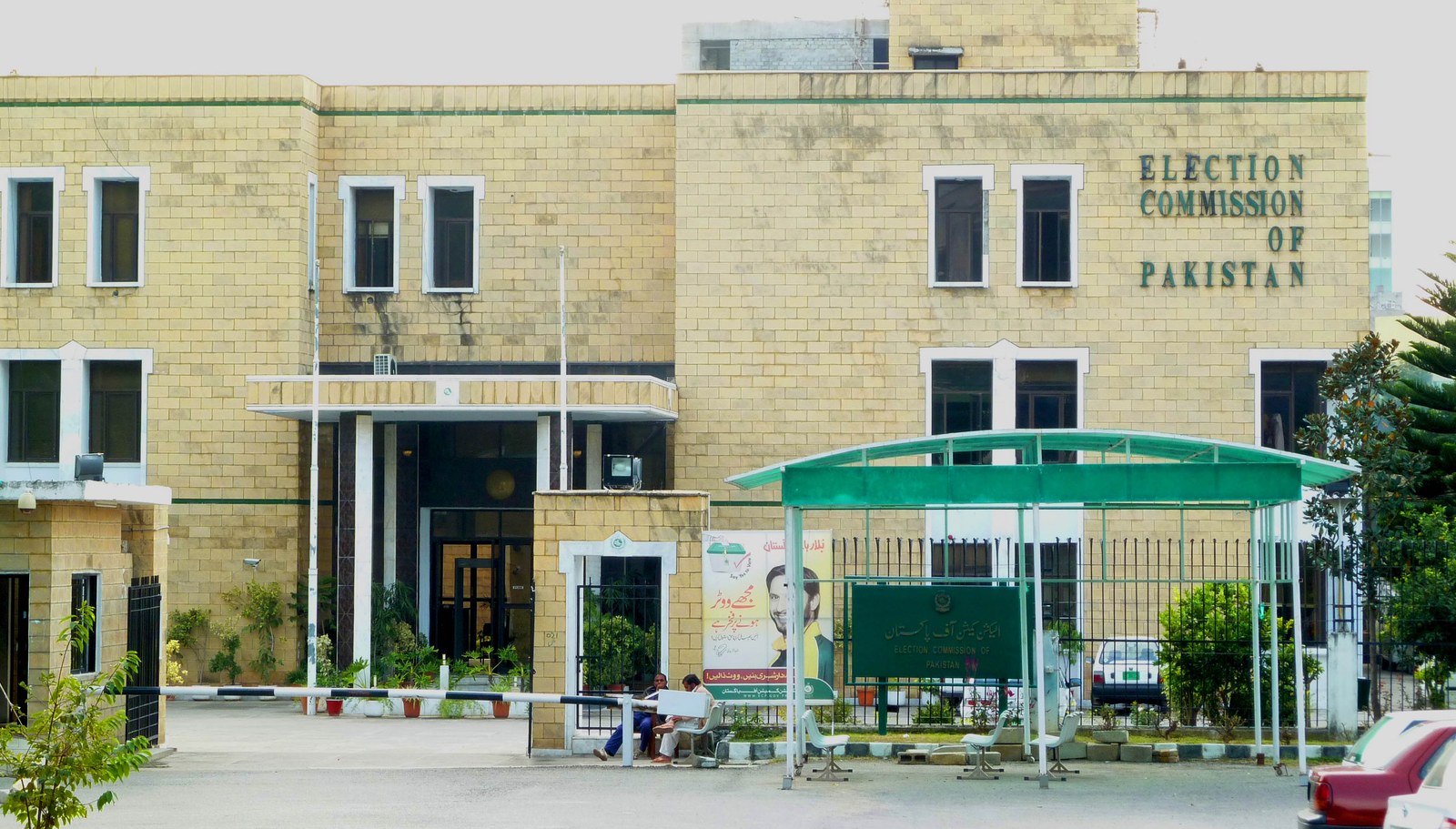
On Friday, 27 November, the Election Commission of Pakistan said it has no power to make political parties nominate women candidates for constituencies they are likely to win, and that any such requirement would have to be written into the Elections Act by Parliament. The commission’s spokesperson issued the clarification after a National Assembly panel had directed it to make the five per cent quota for women on general seats mean something in practice rather than on paper, the state news agency reported. “Political parties have the exclusive authority to allocate tickets to women candidates on general seats under existing electoral laws,” the spokesperson said, and the commission “could neither interfere in the process of ticket distribution nor decide on which seat a party should field a woman candidate”. Associated Press of Pakistan carried the clarification, and Dawn reported the same position the following morning, noting that legal experts said any condition on winnable seats would require an amendment specifying the criteria for a winnable constituency and the mechanism for enforcing it.
The commission also made a narrower point that shapes the whole dispute. It said it had already told the panel that allocating tickets rests with the parties, and it described the panel’s instructions as directions it had learned about from a newspaper report. The Express Tribune recorded the same framing. The distinction matters because the commission’s authority over parties is real but bounded, and a panel that wants a different rule has to go to the legislature rather than the regulator.
What the sub-committee directed
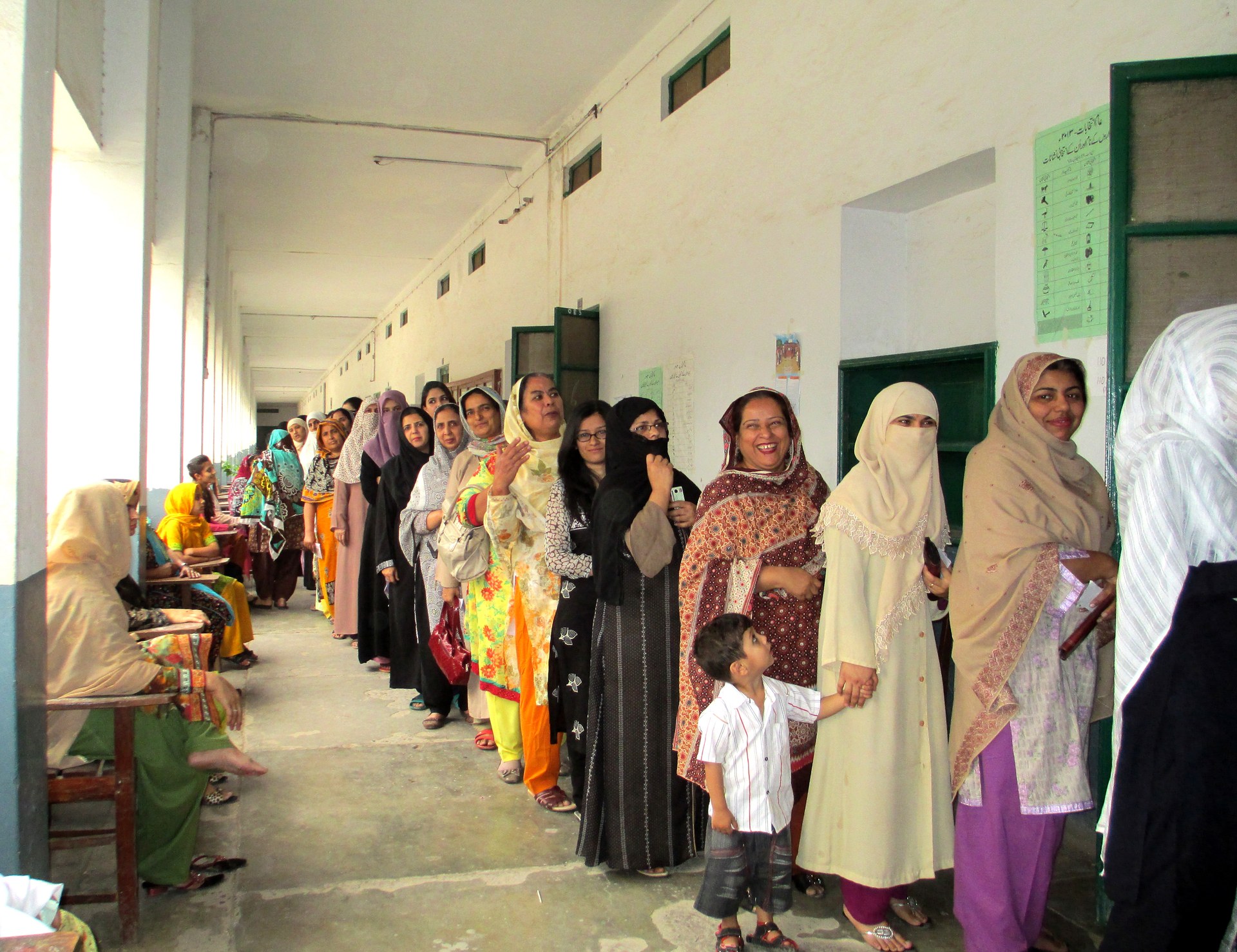
The sub-committee of the National Assembly’s Special Committee on Gender Mainstreaming met on 26 November for its second sitting, chaired by its convener, Senator Rubina Qaim Khani. The News reported that the panel told the ECP to furnish a comprehensive list of every political party that had failed to meet the five per cent quota under Section 206 of the Elections Act, 2017, and to break that compliance down separately for rural and urban constituencies. It also directed the commission to take binding legal and administrative measures so that women receive tickets for winnable general seats rather than only reserved ones, and to hold returning officers accountable for the ramps and clean water that were missing at female polling stations during the 2024 general elections.
Two of those instructions sit outside the commission’s control, which is precisely why it answered with a legal position rather than a promise. The panel also directed the ECP to fill 563 vacant seats in local governments, and to brief it on gender-responsive budgeting, harassment complaints and key performance indicators, with written responses due from the commission and NADRA within 15 days. A committee that had asked the ECP to police ticket allocation was asking it, in the same meeting, to produce a list of which parties had broken a rule the ECP cannot police.
The numbers the panel reviewed cut against the case for complacency. The commission’s Gender Mainstreaming and Social Inclusion Framework, 2024-2028, was said to have narrowed the voter registration gender gap to 7.6 per cent, with 9.9 million voters still missing from the rolls in particular districts. NADRA briefed the panel, The News reported, that female registrations in 2026 were 5.57 per cent higher than male registrations, and that women made up 18.66 per cent of its workforce while only 15 held posts of director or above.
Only Parliament can change the rule
Section 206 of the Elections Act, 2017 requires every political party to award at least five per cent of its general-seat tickets to women. The provision was written to widen women’s presence beyond reserved seats, and it does that job on paper: it counts tickets, and it says nothing about whether the seat a woman is given is one her party can win. That gap is what the panel tried to close, and the commission says closing it is beyond it.
The commission’s position is that it cannot assess the electoral prospects of a constituency and cannot direct a party to change a candidate. The party that nominates a woman to a seat it expects to lose still complies with Section 206, and on the commission’s reading nothing in the Elections Act obliges it to do otherwise. Making compliance depend on a seat’s winnability would mean writing a definition of winnability into the law, and the commission said the power to legislate rests with Parliament.
What the record shows about compliance
The commission has pressed parties on the quota before. In September 2024, The Express Tribune reported that an ECP bench was told a party’s registration could be affected if it failed to keep women to five per cent of its candidates. The officials told the bench that Balochistan National Party-Mengal had fielded women on 3.8 per cent of its tickets, Awami National Party on 3.7 per cent, Pakistan Awami Tehreek on 1.51 per cent and Jamaat-e-Islami on 4 per cent; that the Tehreek-e-Labaik Pakistan had awarded 10 of the 34 women’s tickets it was supposed to give; and that Jamiat Ulema-e-Islam-Sami had given a ticket to no woman candidate at all. The bench directed the Pashtoonkhwa Milli Awami Party, the Pakistan Awami Tehreek and Jamaat-e-Islami to file replies.
What the quota produced at the polls is a harder measure. In the July 2018 election, 183 women contested 272 directly elected National Assembly seats and eight won, the lowest number in decades, The Express Tribune recorded. A rule that requires five women in every hundred tickets produced eight winners from 183 candidates, because tickets and seats are not the same thing.
The 563 seats nobody is contesting
The commission’s answer on the vacant local seats was that it had issued election schedules several times and that no woman candidate had filed nomination papers for them, so polls could not be held without candidates. It said it remained ready to hold them as soon as candidates came forward.
That thread runs into a schedule the commission has already set. It has fixed the first phase of Punjab’s local government elections for 7 February 2027 and suspended the Khyber Pakhtunkhwa process, and it has given the prime minister’s office a fortnight to request polls in 42 cantonment boards, warning that it will issue orders if no request comes. The wider local government file is tracked in KhabarWire’s Pakistan local government elections page.
The vacancy is not only a scheduling problem. The commission and NADRA have 15 days to reply to the panel, and the panel wants names.
What happens next
Three things can follow from Friday’s clarification, and none of them requires the commission to act against a party. The commission can name the parties that missed the quota, which it has done through its own hearings and which the panel has now demanded in writing. Parliament can be asked to amend Section 206, though the panel is a sub-committee and the route runs through the full house and the government that controls the electoral reform committee. And the parties can act on their own, since the commission’s legal position leaves them free to nominate women where they might win.
What the clarification rules out is enforcement by the regulator. The commission cannot decide which seats count, and it cannot penalise a party for choosing badly, unless the law gives it that power first. The panel has bought a fortnight of answers and a question for Parliament. Whether it buys a change to the law depends on what comes back from the commission and NADRA, and on whether any party decides that a seat it expects to lose is worth a woman on the ticket.