Reporting snapshot · 6 November 2026 (Asia/Karachi). The petition's contents are known from press accounts, not from the court file, and no hearing or ruling has been reported. The union-council figures are the petitioner's comparison and have not been independently verified.
What happened
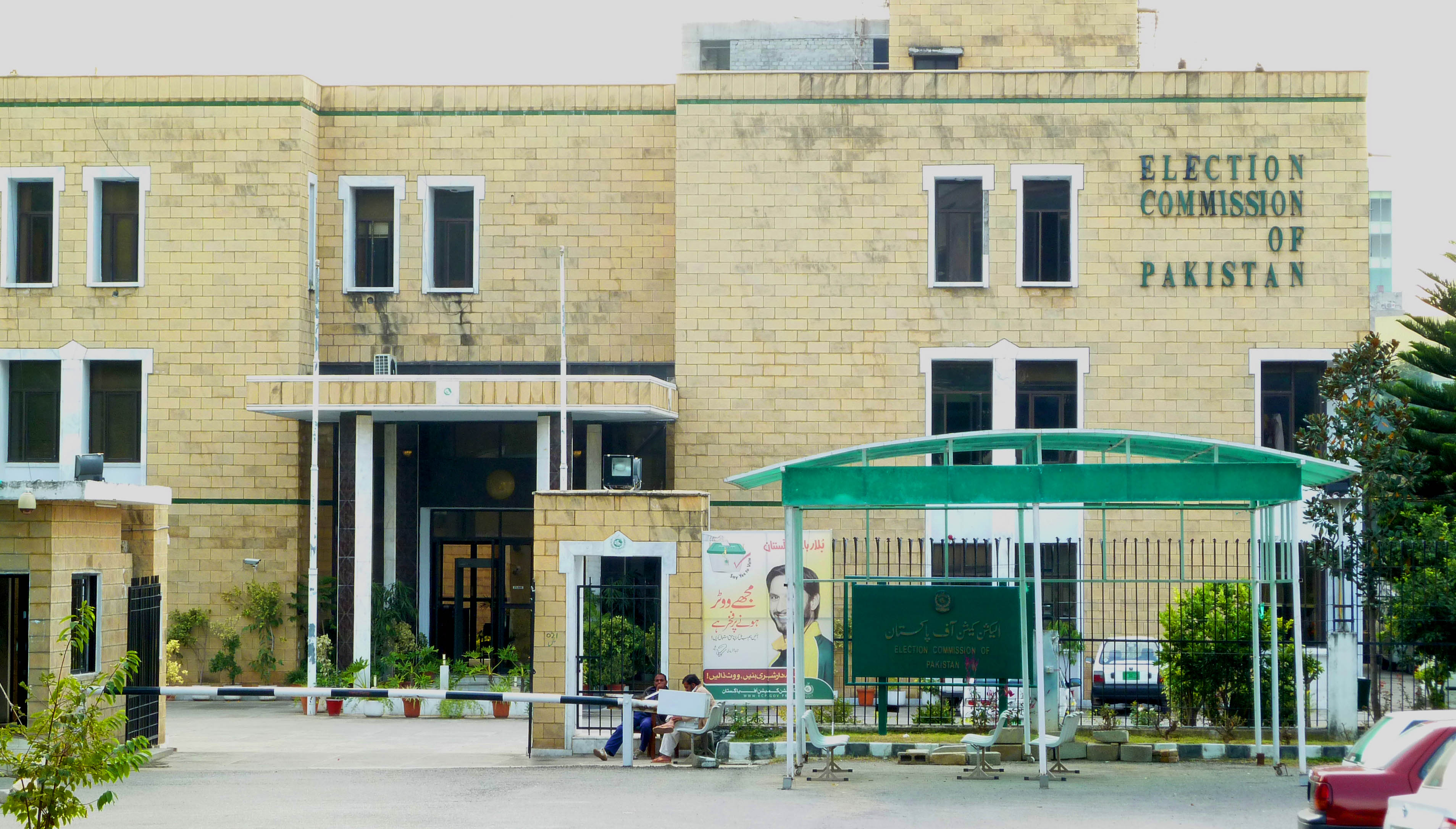
On Thursday, 5 November 2026, a petition was filed in the Islamabad High Court challenging the Election Commission of Pakistan’s 21 October order and the schedule for local government elections in the federal capital, which fixes polling for 20 December. The petition was filed by Chaudhry Amjad Ali through his counsel, Barrister Adil Aziz Qazi, and names the commission, the interior and law ministries, the Capital Development Authority and other officials as respondents, The Express Tribune reported.
The petition asks the court to set aside the commission’s order and schedule and to order fresh, transparent delimitation of constituencies before the election goes ahead. It also seeks suspension or postponement of the electoral process until the legal questions are decided, Pakistan Today reported.
What the petition says about the schedule
The election programme had set the filing of nomination papers for 2 to 6 November, with polling on 20 December. The petitioner argues that the election cannot lawfully proceed while the legal status of the existing constituency boundaries is unresolved. He says the commission intends to use the previous delimitation and that a fresh exercise is needed first, according to the two accounts.
The petition traces the sequence that led to the December date. It says the legal term of Islamabad’s local government bodies expired in February 2021 and that the Elections Act 2017 required elections within 120 days of that expiry. It also says the commission issued a delimitation schedule on 12 December 2024, announced a fresh election programme on 26 December 2025 with polling on 15 February 2026, and later withdrew the programme after changes to the legal framework, Pakistan Today reported.
The final lists issued through Form 09 on 14 October 2026, the petition says, showed 130 union councils under three town corporations. The petition also says the Islamabad Local Government Act 2015 provided for 125 union councils and 1,125 general wards. It treats that gap as evidence that the boundaries and the legal framework have not been settled, The Express Tribune reported.
Why the union-council numbers matter
The difference between 125 and 130 union councils is not a clerical detail. Union councils and their wards are the units through which voters elect local representatives, and the boundaries determine which voters are grouped together, how many seats are contested and which neighbourhoods share a representative. If the election is held on boundaries whose legal basis is disputed, the result can be challenged after the vote as well as before it.
The petition does not ask the court to decide which set of numbers is correct. It asks the court to require the commission to settle the legal framework and complete a fresh delimitation before the poll. That is a significant request because it would move the election calendar, not merely adjust a few wards.
The legal question is also broader than the five-council gap. The petition says the commission is proceeding on the previous delimitation even though the February 2026 programme was withdrawn and the legal framework changed. The press accounts do not set out the commission’s reasoning on how the October order relates to the earlier exercise.
A local-election calendar already in motion
The Islamabad case lands in a wider local-election calendar that has been moving in several directions this week. On 5 November the commission set 7 February 2027 for the first phase of Punjab’s local government elections and suspended preparations in Khyber Pakhtunkhwa, as KhabarWire reported. The capital’s 20 December date was set earlier, in the commission’s 21 October order. The Pakistan local government elections hub tracks the scheduling decisions.
Funding has been another pressure point. In October the Economic Coordination Committee approved about Rs18.5 billion for local-election activity but authorised the immediate release of only Rs2 billion, as KhabarWire reported. The petition adds a judicial track to a process that was already administrative and political.
What the court could do
The High Court has not ruled. The press accounts did not say whether it has admitted the petition, issued notices or fixed a hearing. The first decision for the court is procedural: whether to take up the petition and whether to grant any interim relief. A stay would freeze the schedule; a dismissal would leave the commission free to proceed. The court could also order fresh delimitation, which would take time and make the 20 December date difficult to meet.
The petition’s arguments raise questions the court may have to answer. Does the 2015 Act’s provision for 125 union councils and 1,125 general wards still govern? Do the 130 union councils in Form 09 have a valid legal basis? Did the commission’s 21 October order lawfully revive the process after the February 2026 programme was withdrawn? And does the 120-day requirement the petition cites in the Elections Act 2017 have any practical consequence after a delay the petition dates to 2021?
Those questions are not answered in the press accounts. The petition’s account is a legal argument, not a court finding, and the reports did not carry the commission’s position.
Why it matters beyond the capital
If the petition succeeds, Islamabad’s local government election could be delayed again. If it fails, the commission will proceed on boundaries the petitioner says are unlawful, and unsuccessful candidates or voters may challenge the result. Either way, the case tests how the commission handles delimitation challenges ahead of the wider local-election cycle.
For residents, the stakes are local. The election would restore elected local government in the capital after a gap that the petition dates to February 2021. The case also matters for the commission’s credibility: in the same week it set a Punjab date, suspended the Khyber Pakhtunkhwa process and was taken to court over the capital’s schedule.
What is still uncertain
Five questions remain open. First, whether the High Court admits the petition and grants a stay. Second, what the commission and the other respondents say in reply; the press accounts did not carry their response. Third, which set of union-council figures is lawful, and whether the 2015 Act has been amended since. Fourth, whether the court orders a fresh delimitation and, if so, how long it would take. Fifth, whether the 20 December poll can still be held if the case is not resolved quickly.
The reports also do not set out the full legal provision that the petitioner says makes the Form 09 lists invalid. That argument will have to be tested in court. And the main documentary limitation remains: no copy of the petition, the commission’s 21 October order or the Form 09 lists has been published with the reports, so the dates and figures above are the petitioner’s account as reported.