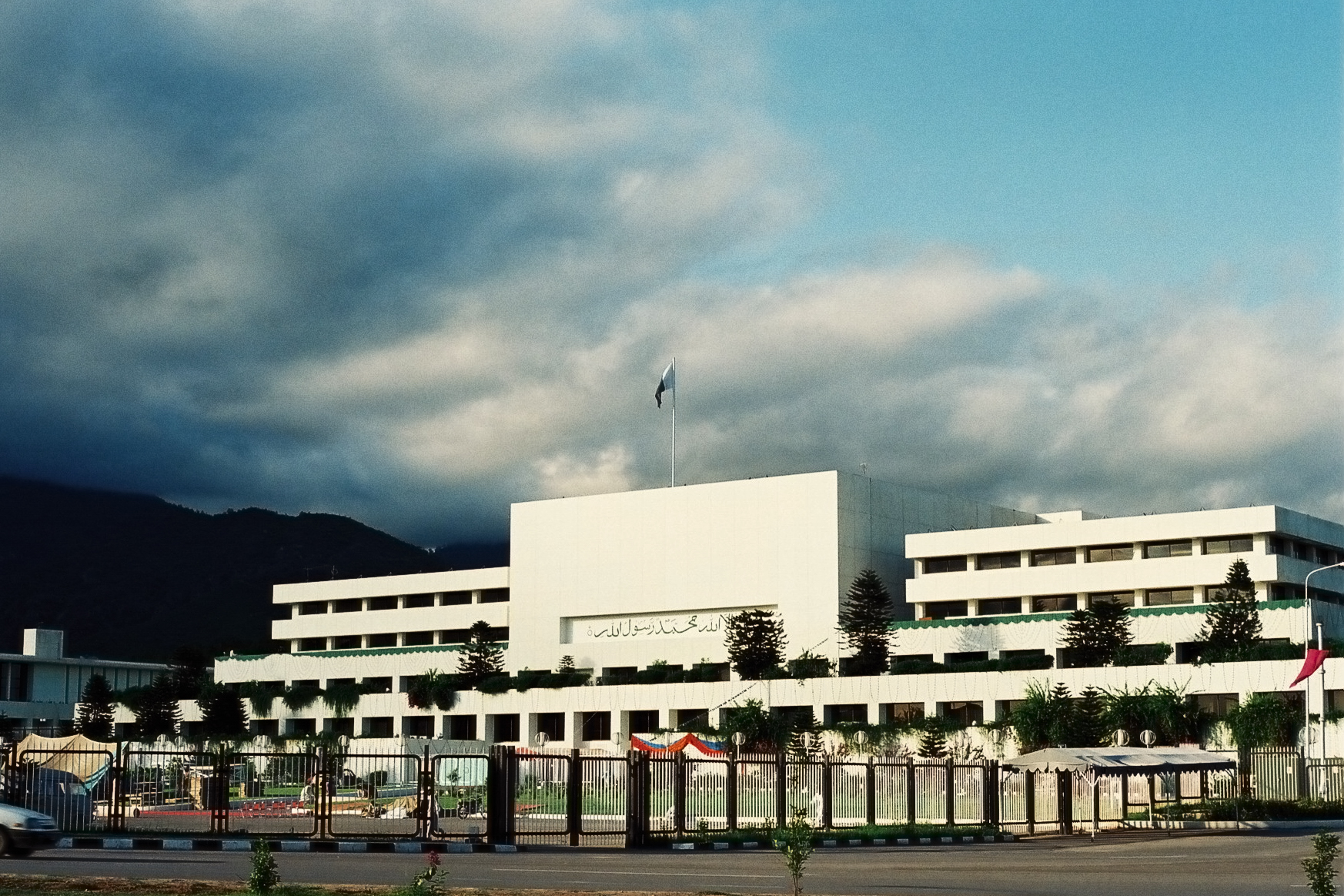
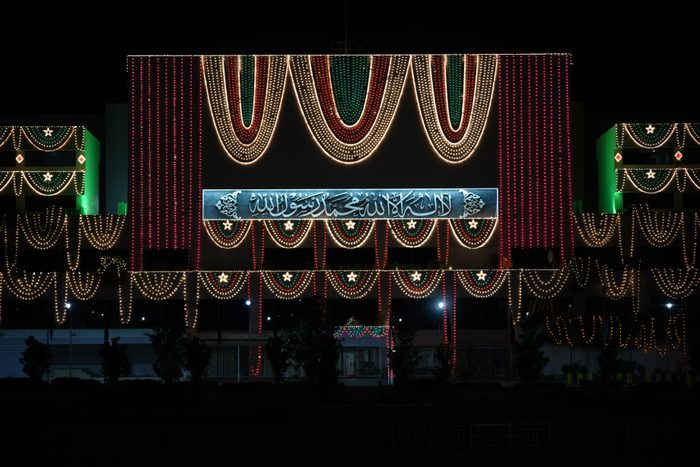
Reporting snapshot · 31 October 2026 (Asia/Karachi). The National Assembly's approval of the committee was confirmed on Friday, 30 October, but the Speaker has not notified it and the secretariat's register of parliamentary committees does not yet list it. The main limitation is that no members have been named, no terms of reference have been published, and the outline of the panel's remit comes from unnamed sources rather than from a notification.
What the National Assembly approved
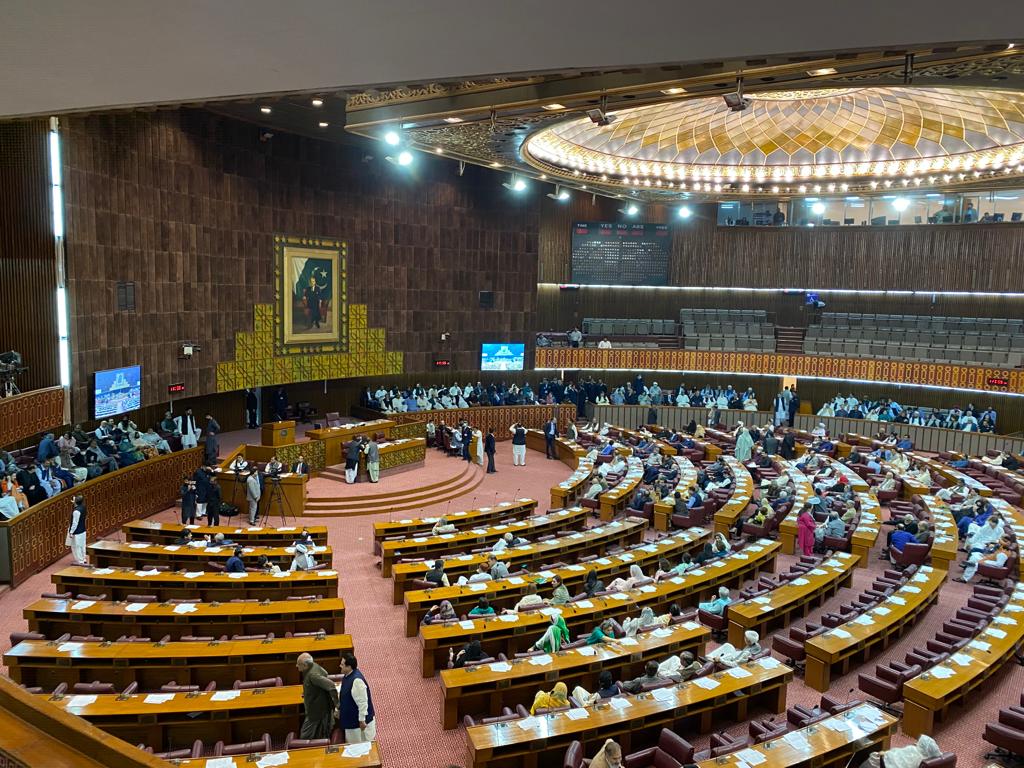
On Friday, 30 October, Pakistan’s minister for parliamentary affairs confirmed that the National Assembly had approved the formation of a 30-member parliamentary committee to oversee electoral reforms, made up of 20 members of the lower house and 10 senators, with seats distributed among parties in proportion to their numerical strength in the two chambers, The Express Tribune reported and Geo News reported. Tariq Fazal Chaudhry said the Speaker would soon issue the formal notification and that the process of finalising the members’ names was still under way.
Chaudhry said the Pakistan Tehreek-e-Insaf had not opposed the motion when it was presented in the assembly, and that the committee was being formed to build parliamentary consensus on improving the electoral system, ensuring transparency and introducing reforms. Electoral reforms were “not the concern of any single political party but a shared national responsibility”, he said, and the government would weigh “positive, constructive and workable” proposals from every parliamentary party, The Express Tribune reported and Geo News reported.
The committee was the subject of a decision reported the previous day, when the government settled on opening talks with the opposition and giving the Pakistan Peoples Party the chairmanship of the panel. The prime minister directed that opposition members be included, and the Speaker was to write to the opposition inviting it to join and asking for the names of five members of what was then described as a 20-member committee, Pakistan Today reported on 29 October. The panel the minister set out on 30 October is twice that size, and the five opposition places described at the time do not appear in the composition he gave.
What the PPP asked for, and what it was told
A PPP delegation met Senate Opposition Leader Allama Raja Nasir Abbas and Mahmood Khan Achakzai, the chief of the Tehreek-e-Tahafuz-e-Ayin-e-Pakistan and the National Assembly Opposition Leader, at Parliament House in Islamabad on the same day, Geo News reported. The delegation included PPP Secretary General Nayyar Bokhari, Senator Waqar Mehdi, Nadeem Afzal Chan and the party’s vice president, Senator Sherry Rehman.
Rehman said the delegation had gone on the instructions of party chairman Bilawal Bhutto-Zardari to invite the opposition onto the committee, The Express Tribune reported. The party proposed that the government and opposition jointly formulate recommendations aimed at ensuring transparent, free and fair elections, Geo News reported. She was explicit about the record she wanted to change: “We all know that the PTI has boycotted parliamentary committees,” she said, asking the party to join this one, “play an active role in it, express their reservations and suggest reforms”.
Raja Nasir Abbas, the alliance’s vice chairman and the Senate Opposition Leader, agreed with the proposal to make the electoral process more transparent, while Achakzai and Abbas asked for time to consult the PTI leadership before answering formally, Geo News reported. Pakistan Today described the opposition as ready to engage in the reform process “provided their concerns were given due consideration”, and said the committee was expected to look at election laws, electoral procedures and complaints surrounding previous polls, the paper reported. A formal response was expected within days.
What the opposition wants from the committee
PTI chairman Barrister Gohar Ali Khan demanded equal representation for the government and the opposition on the panel, saying any reform should be impartial and reflect public expectations, Geo News reported. That is the substance of the disagreement the committee has to absorb: the government has offered the opposition a place on the body, but not necessarily a balance of power on it.
People briefed on the plan said the committee is expected to examine alleged rigging in the 2024 general elections and in the by-elections and elections held since, along with the polls in Gilgit Baltistan and Azad Jammu and Kashmir, to identify those responsible for irregularities, to recommend measures to prevent them recurring, and to put its recommendations before parliament for approval, Geo News reported. Putting recommendations to the assembly matters: a panel that reports back has no power to change the law itself.
Those questions are not new to the country’s politics. The prime minister invited Achakzai for direct talks on appointments to the Election Commission of Pakistan in September, KhabarWire reported then, and the commission has since proposed its own rules on artificial intelligence and deepfakes in election campaigns, KhabarWire reported on 27 October.
What happens next
The National Assembly Secretariat prorogued the session on Friday, 30 October, its website records, and the secretariat’s own register of parliamentary committees still lists only the committee on Kashmir, chaired by Rana Muhammad Qasim Noon. The new panel therefore cannot take up work until the Speaker’s notification names its members and its chair.
Three things have to happen before the committee exists in any meaningful sense. The Speaker must issue the notification. Parties must nominate members under a formula that distributes seats by numerical strength, with the opposition pressing for an equal split. And the government has to decide how many of those seats it will hand over, given that the chairmanship was earmarked for the PPP and the opposition’s stated condition is that its concerns on election transparency, institutional neutrality and the handling of alleged irregularities are on the agenda.
What is still uncertain
The panel’s remit is not published. Its composition is described by the minister and by unnamed sources; the only version readers can check is the register of committees, and it does not yet include the body. No member has been named from any party, and the PTI has not formally accepted or refused a place, so the shape of the committee could still change before the notification is issued.
It is also unclear how much a committee of this kind can deliver. Several of the questions it would examine — the conduct of the 2024 vote and the by-elections that followed, and the polls in Gilgit Baltistan and Azad Jammu and Kashmir — are among the alleged irregularities the opposition says it wants examined. Any finding would sit alongside the Election Commission’s own record rather than replace it, and the recommendations would go back to an assembly which the government has said it wants to approach through consensus rather than a one-sided result, Pakistan Today reported. The PPP’s argument, that reform needs both benches, is a claim about how a settlement will hold; whether the panel can produce proposals the opposition regards as worth signing is the test that has not yet been set.
A last piece of context: the opposition alliance is preparing a separate Charter of Democracy, to be formally announced at an all-parties conference in the second week of November, Pakistan Today reported. Members of the PTI’s Khyber Pakhtunkhwa parliamentary party have meanwhile backed negotiations with the federal government, Geo News reported. That is a second track running alongside this one, and it may shape what the opposition decides to do with a seat on the committee.