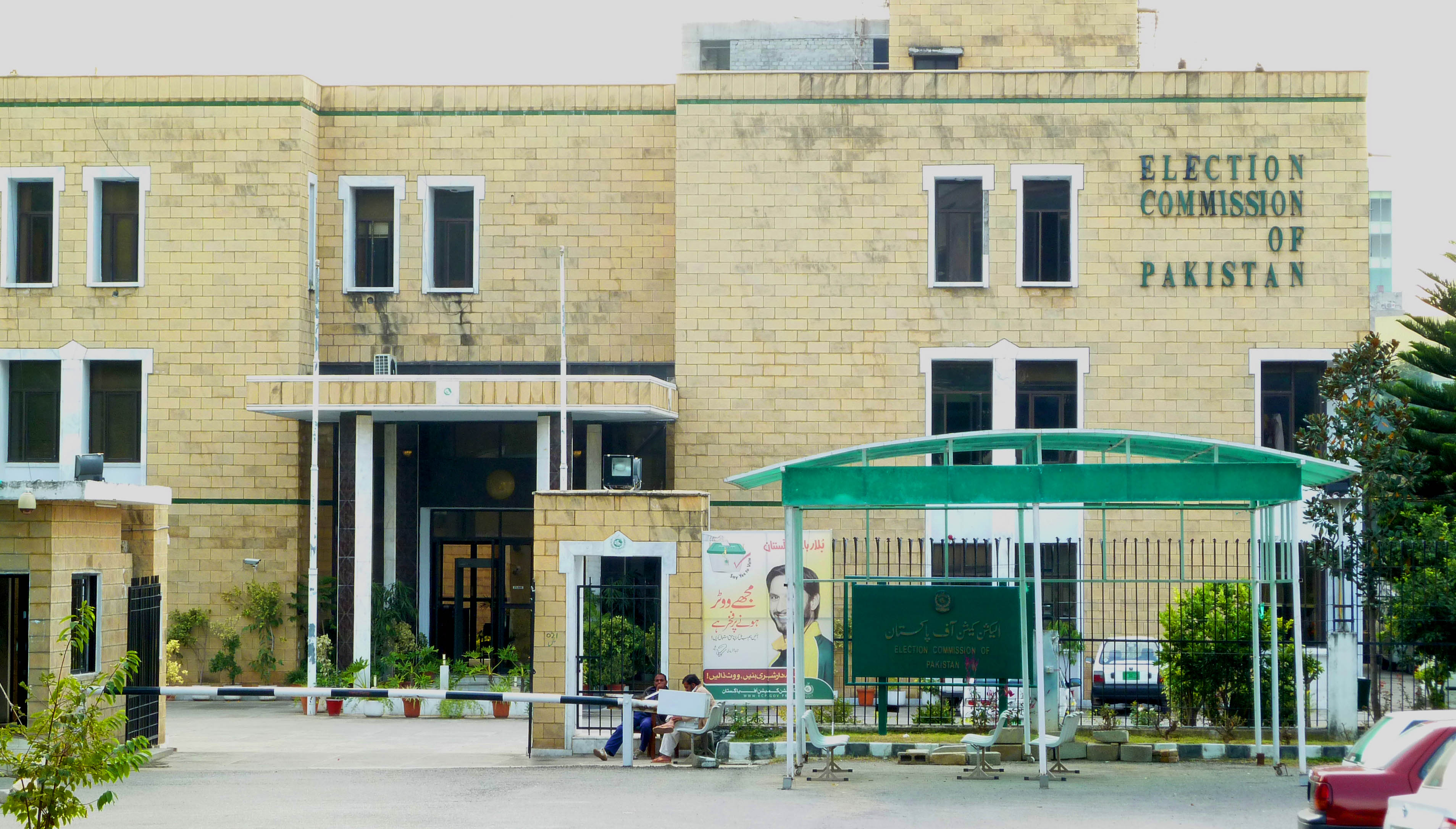
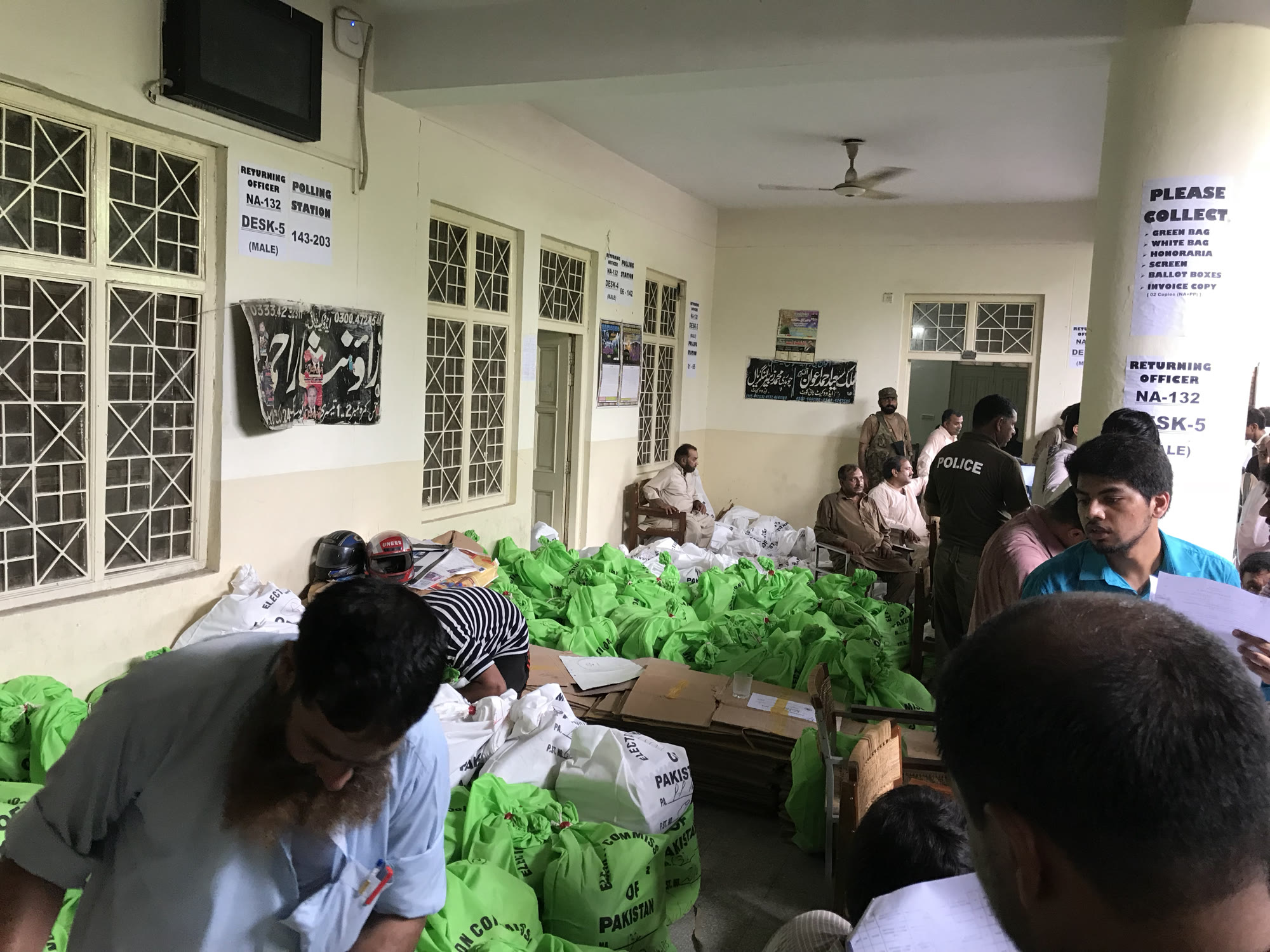
Reporting snapshot · 14 November 2026 (Asia/Karachi). The commission passed its order on 10 November, and the reporting reached Pakistan's news cycle on 13 and 14 November. The prime minister's office has not said whether it will send the request, and no order has yet been published on what the commission would do if the deadline passes without one, so the immediate question remains open.
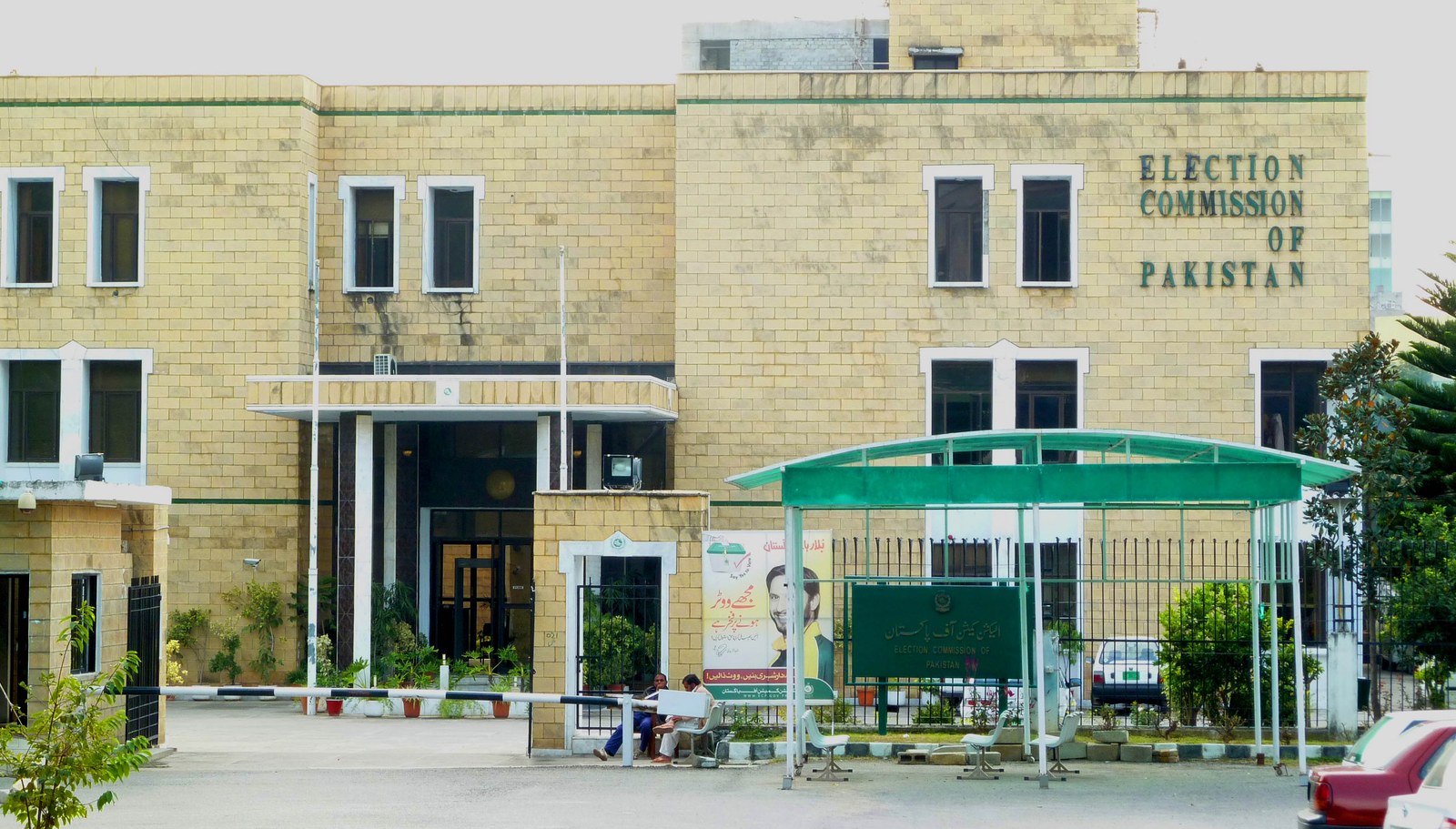
The Election Commission of Pakistan has given the prime minister’s office a fortnight to ask it, in writing, to hold local government elections in the country’s 42 cantonment boards. The Express Tribune reported that a five-member bench headed by Chief Election Commissioner Sikandar Sultan Raja passed the direction in an order on 10 November, and said the commission would be constrained to pass appropriate orders if the federal government did not answer inside the fortnight. Pakistan Today reported the same direction on 14 November, while Dawn reported on 13 November that the government has two weeks to file the request.
The delay behind that deadline runs to months, not weeks. The terms of the cantonment boards’ local governments expired on 11 April 2026, and under Section 219(4) of the Elections Act, 2017 the commission had to hold elections within 120 days of that expiry, which made 8 August the due date. The Express Tribune reported that the boards last voted in 2015 and 2021, and that the commission’s own order records a finished delimitation: a ward schedule issued for all 42 boards on 11 January and a final delimitation list published on 20 April.
What the request is, and why the commission cannot skip it
Unlike a vote in a province or in the capital, a cantonment poll cannot be scheduled on the commission’s own motion. Section 19-D(2) of the Cantonments Act, 1924 requires the federal government to request it, and Pakistan Today reported that the commission observed in its order that the government had not done so despite repeated correspondence, reminders, meetings and hearings. The same order notes that Articles 140-A and 219(d) of the Constitution, read with Section 219 of the Elections Act, 2017, place the obligation to hold local government elections in the provinces, the Islamabad Capital Territory and the cantonment boards on the commission itself.
So the commission is not choosing between holding the polls and not holding them. It says it is ready. At the 10 November hearing, The Express Tribune reported, the defence ministry’s legal adviser, Brigadier (retired) Falak Naz, and the Military Lands and Cantonments Department’s additional director general, Khalil Ahmad Rana, told the bench that the ministry had already forwarded the request to the federal government, that there had been no delay on its part, and that no response had come back. The commission’s special secretary for policy said all the necessary arrangements for the elections had been completed and asked the commission to pass an appropriate order.
The paperwork trail is long and the tone patient. According to the order as reported by The Express Tribune, the commission held a consultative meeting on 15 April with the defence ministry’s additional secretary and the ML&CD director general, then wrote to the defence secretary on 14 May, sent a reminder on 3 June and wrote again on 16 June, and had Chief Election Commissioner Raja write to the prime minister himself on 16 July seeking his intervention. The commission took the matter up on 21 July and pursued it with letters and reminders between 31 July and 9 October. On 28 October the ministry’s legal adviser asked for a two-week adjournment, citing the leadership’s engagement in national and international affairs, and the bench fixed 10 November for the next hearing.
Where the 42 boards are
Pakistan Today set out the boards the order covers: 20 in Punjab, among them Rawalpindi, Chaklala, Taxila, Wah, Attock, Kamra, Sargodha, Gujranwala, Sialkot, Lahore, Walton, Okara, Multan and Bahawalpur; 11 in Khyber Pakhtunkhwa, including Peshawar, Nowshera, Mardan, Kohat, Bannu, Abbottabad and Havelian; eight in Sindh — Pano Aqil, Hyderabad, Karachi, Clifton, Manora, Malir, Faisal and Korangi Creek; and three in Balochistan, Quetta, Loralai and Zhob. Cantonments, The Express Tribune explained, are permanent bases of the armed forces administered by cantonment boards under the control of the ML&CD, and governed by the Cantonments Act of 1924.
That places the standoff over local self-government in some of the country’s largest military towns. The order does not set a polling date, and neither report describes one; a schedule would follow the request and the delimitation the commission says it has already finished. Neither report says who has been running the boards’ affairs since their terms expired in April.
What happens if the prime minister’s office does not answer
The fortnight runs from the order, which puts a deadline of roughly 24 November. The commission has directed its office to approach the prime minister’s office once again through a formal letter and to relist the matter for a hearing after three weeks. Beyond the letter, the reporting does not spell out the commission’s options, and the warning in the order is the part that matters: the commission will be constrained to pass appropriate orders. That is a step it has not taken in this matter, and what those orders would say — whether they would direct that the polls be held, and on what footing if the formal request never arrives — is not set out.
The immediate test is narrower. If the prime minister’s office sends the request inside the fortnight, the commission says it has a schedule, a delimitation and completed arrangements, and on its own account the polls can proceed. If it does not, the letter becomes part of a record that already stretches from April to November, and the commission’s next step is the part nobody can yet describe.
The same commission is separately fighting over the capital’s own local bodies. KhabarWire reported on 13 November that the Islamabad High Court stayed the 20 December polling schedule in the city over delimitation objections and asked the commission to answer by 26 November. That case is about how the capital’s wards are drawn; this one is about whether the armed forces’ towns get a vote at all. The Pakistan local government elections hub follows the commission’s scheduling decisions across the country.
For comparison, where the commission has what it needs, it has moved. On 5 November it fixed 7 February 2027 for the first phase of Punjab’s local government elections and suspended the Khyber Pakhtunkhwa process, as KhabarWire reported. In the cantonments, the obstacle is a formal request that the government has been pressed for since April, and that the defence ministry says it forwarded without receiving an answer.