Reporting snapshot · 16 November 2026 (Asia/Karachi). Each of the five orders can be modified or withdrawn before it expires, and the first protest against one of them has already been staged in Swabi. The orders came from five separate district notifications, so the districts carry slightly different end dates and conditions.
Five district administrations in Khyber Pakhtunkhwa imposed Section 144 of the Code of Criminal Procedure for one month, in orders issued on 14 and 15 November, banning public gatherings, rallies, processions, pillion riding and the display of weapons in Bajaur, Bannu, Lakki Marwat, Swabi and Tank, Pakistan Today reported.
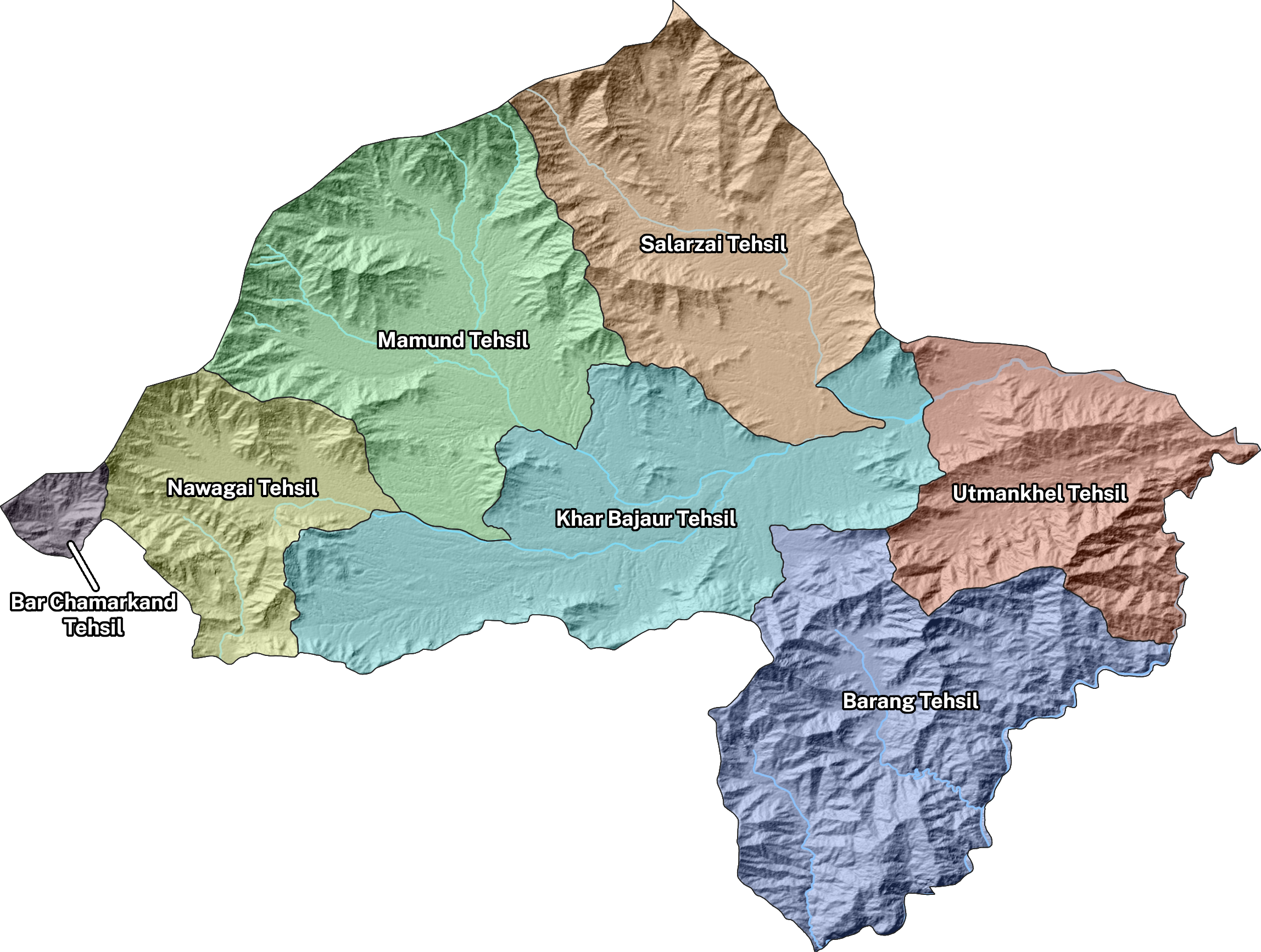
The order was carried out through five separate notifications from the deputy commissioners of those districts rather than a single provincial instruction, and each sets its own conditions and expiry date. In Bajaur, Deputy Commissioner Adnan Farid Afridi banned political gatherings, what the notification describes as “hate speech” against the state, and the display of arms and weapons for 30 days, telling law enforcement agencies to remain more vigilant to prevent “unpleasant mishaps” and to step up security at the district’s entry and exit points. “Sufficient grounds exist to believe that immediate preventive measures are required to be taken,” the notification said.
The Bajaur order took effect on Sunday, 15 November, and runs until 15 December unless it is modified or withdrawn. Anyone who violates it faces punishment under Section 188 of the Pakistan Penal Code, which deals with disobedience of an order duly promulgated by a public servant. The same district had banned pillion riding for 10 days in October.
What each district banned
In Bannu, Deputy Commissioner Ziaur Rehman imposed a month-long ban that reaches well beyond the usual curbs on assemblies: pillion riding, the use of tinted vehicle windows, the display of weapons, protest gatherings, the use of loudspeakers on roads, and the setting up of tents or obstructions on public roads and other public places, The Express Tribune reported. The district police officer had asked for the restrictions, and the order runs from 15 November to 13 December.
In Swabi, Deputy Commissioner Nasrullah Khan banned gatherings, assemblies, processions, rallies, marches and demonstrations for a month with immediate effect, and said none would be permitted without his prior approval. He wrote that such gatherings “may expose the general public to serious security risks, endanger human lives and public property”. In Lakki Marwat, Deputy Commissioner Shahid Rafique banned gatherings, processions, rallies, assemblies and marches, the display, carrying and possession of weapons, pillion riding, and tents or temporary structures on public roads; that order runs from 14 November to 13 December, The Express Tribune reported. In Tank, Deputy Commissioner Jamshed Khan imposed a ban on public gatherings, rallies and processions, along with pillion riding and the display of weapons, Pakistan Today reported.
Three of the five districts — Bannu, Bajaur and Tank — are among the 12 identified as facing intense security challenges, where special emergency measures are already in place, Pakistan Today reported.
The week of attacks that preceded the orders
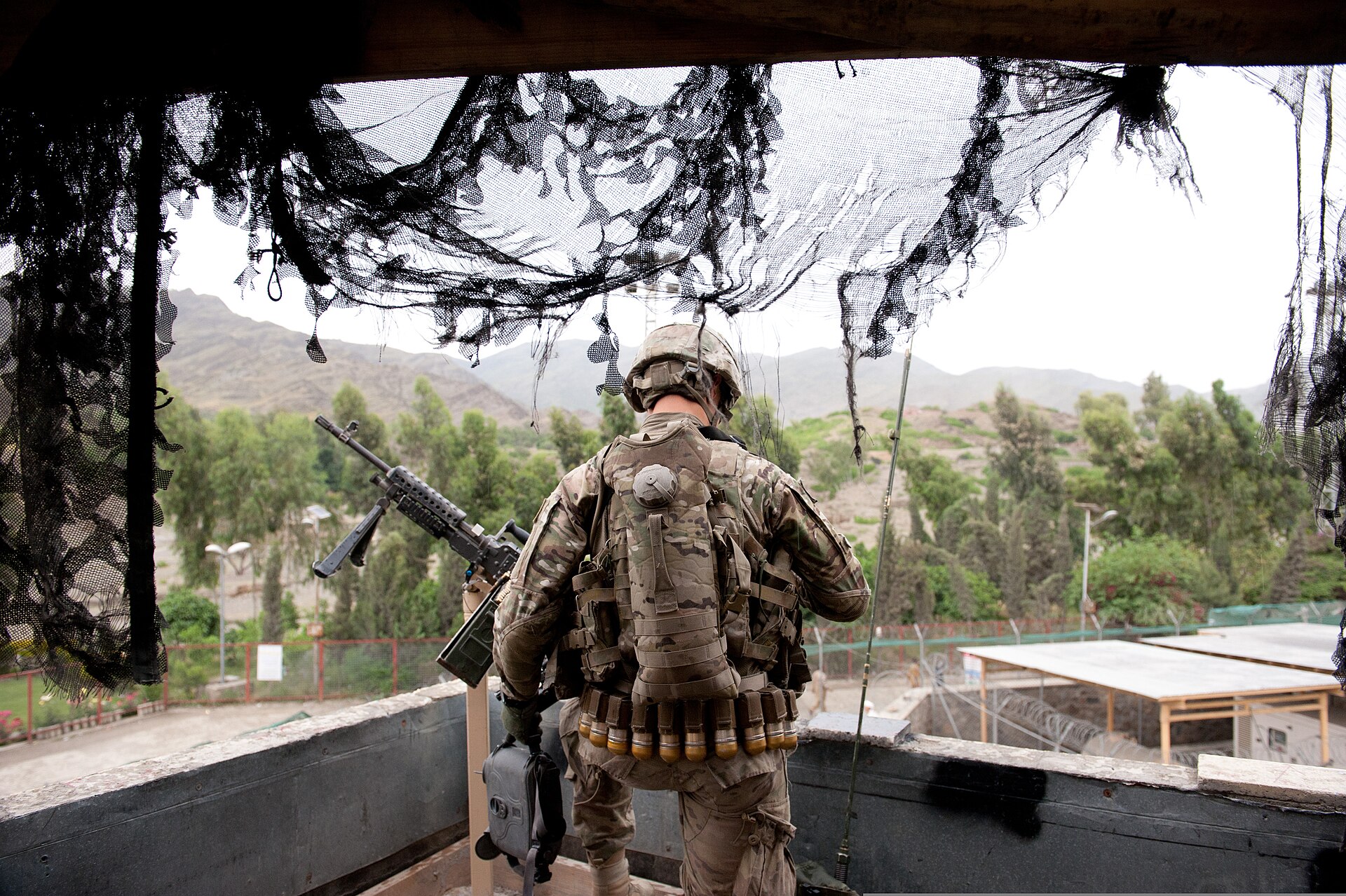
The notifications cite the law and order situation rather than naming an incident. The week before them brought three attacks on security forces in the province. On 11 November, a police team came under attack in Kohat district while it was raiding illegal gold mining. The police toll moved during that day: The Express Tribune’s first report put it at at least 10 officers killed, and police and rescue officials later confirmed 11, including a deputy superintendent of police, as KhabarWire reported at the time; The Express Tribune puts the number of militants killed in that attack at 18. Two days later, four militants were killed when Bannu police repulsed an attack on the Kingar Pul checkpoint. On 14 November, intelligence-based operations in North Waziristan killed 16 militants, including two Afghan nationals, and cost the lives of two soldiers, as KhabarWire reported.
The Express Tribune reported that two security reports presented to the federal cabinet showed terrorist incidents in the province rose 195 per cent between March 2024 and September 2026. At the same time the provincial government has been pressing a separate campaign against illegal gold mining in the province’s western districts: KP police and district administration ran operations in Nowshera and Kohat on 15 November, setting mining machinery ablaze and recovering cash and equipment, Radio Pakistan reported, and the prime minister’s coordinator for Khyber Pakhtunkhwa affairs, Ikhtiar Wali Khan, said about 80 per cent of illegally mined gold was supplied to Afghanistan. The province’s governor cancelled every gold mining lease in Khyber Pakhtunkhwa on 14 November after the Kohat ambush, as KhabarWire reported.
What the restrictions mean on the ground
For residents of the five districts, the practical effect is that rallies, marches and processions cannot be held without permission, that motorcycles cannot carry a passenger in Bannu, Bajaur, Lakki Marwat and Tank, and that loudspeakers, tents and weapon displays are restricted. Police in Swabi are already enforcing a ban that JUI-F workers ignored on the day it was imposed, holding a protest at Karnal Sher Khan Chowk against what they described as propaganda targeting the party leadership, Pakistan Today reported.
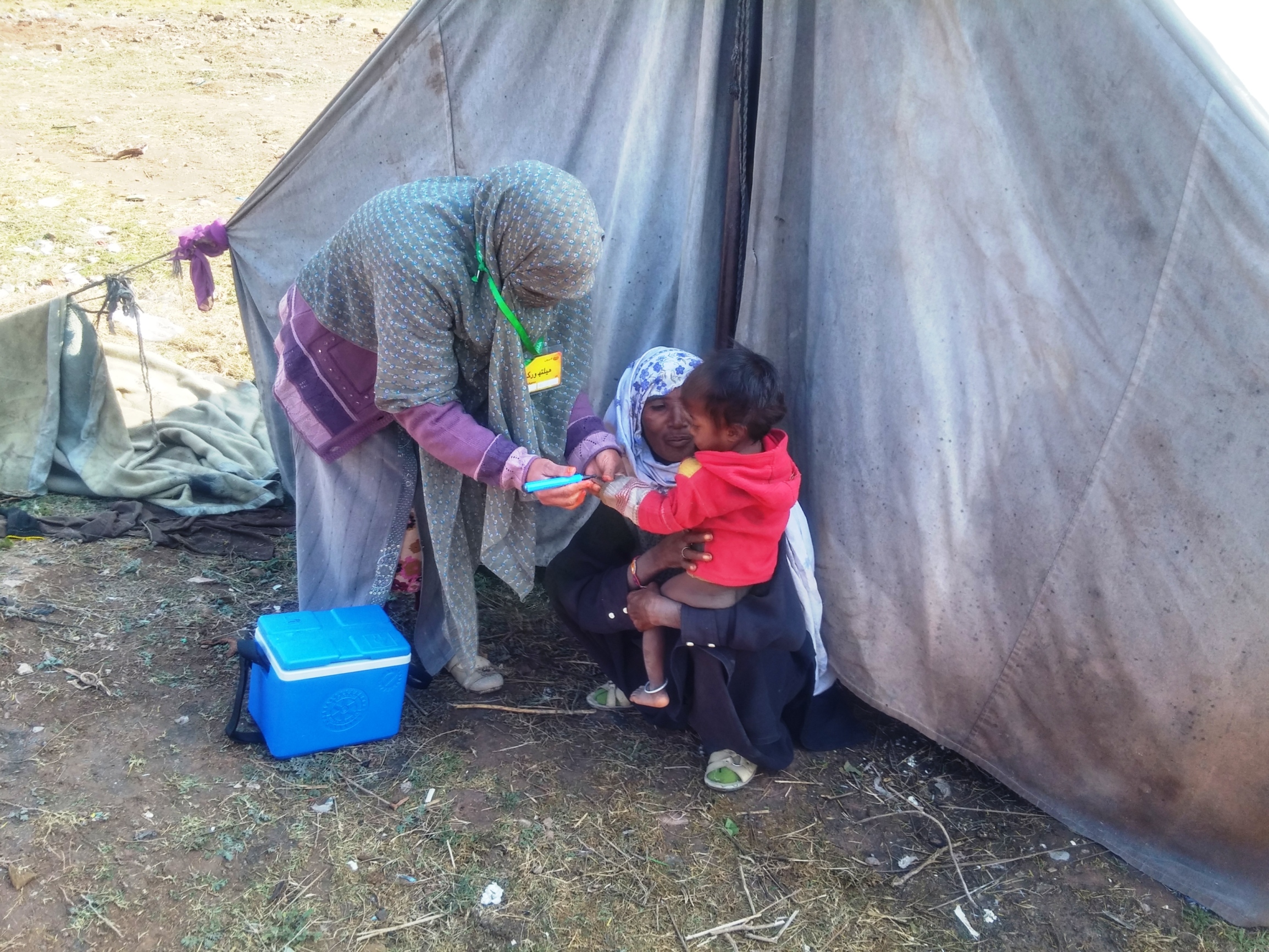
The same week’s restrictions have also reached the examination schedule. The Board of Intermediate and Secondary Education Bannu postponed the Intermediate Annual-II examinations 2026 across North Waziristan on the deputy commissioner’s directions, citing the same law and order situation, and said a revised schedule would be announced; examination centres along the Miranshah Road in Bakakhel will still hold their tests on the original dates, Pakistan Today reported. Tank was the scene of the abduction of four polio workers earlier in November, as KhabarWire reported, one of a series of attacks that have made vaccination and school work in these districts difficult to run.
How this compares with October’s orders
Khyber Pakhtunkhwa has used the same instrument within the past five weeks. Emergency rule was proclaimed in the province on 11 October, as KhabarWire reported, and on 12 October Section 144 was imposed for 30 days in Shangla, Buner, Hangu, Chitral, Upper Dir and Lower Dir, with the Pakistan Army deployed under Article 245 to assist the civil administration for the duration of that emergency, Pakistan Today reported.
The November round covers a different set of districts, all in the province’s west and north-west, and adds conditions — pillion riding, tinted windows, loudspeakers and tents — that the October notifications did not spell out. In at least the Bannu and Lakki Marwat cases the orders were issued at the request of the district police officer, which helps explain why the terms differ from district to district.
What the next month will show
Three markers matter. The first is whether the orders are modified, shortened or extended, because each district administration can vary its own notification and the first orders expire on 13 December. The second is whether the Swabi protest draws a police response. The third is whether more districts follow: the October round covered six districts in a single day and this round five, and a third wave in mid-December would suggest the notifications have become a standing template rather than an answer to one difficult week.
For the districts themselves the immediate question is more ordinary than any of those. Bans on gatherings and pillion riding do not slow the attacks the orders were meant to answer, and the postponed examinations and the mining crackdown show how quickly the response to insecurity reaches schools, work and local trade.