Reporting snapshot · 4 November 2026 (Asia/Karachi). Votes were still being counted in both chambers when this article was published, so the final size of the Democratic majority may change. How the new Congress will use its power over the Iran war is not yet decided.
What happened
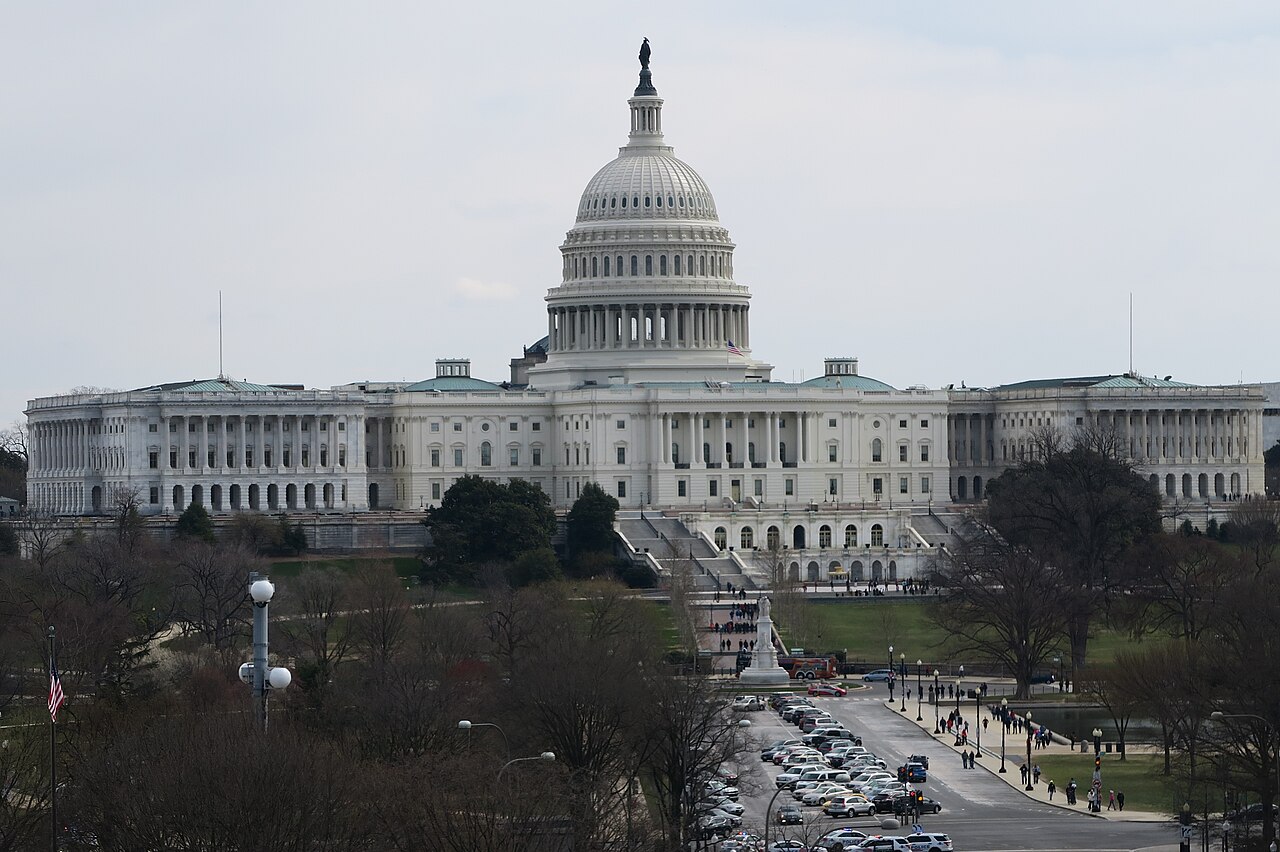
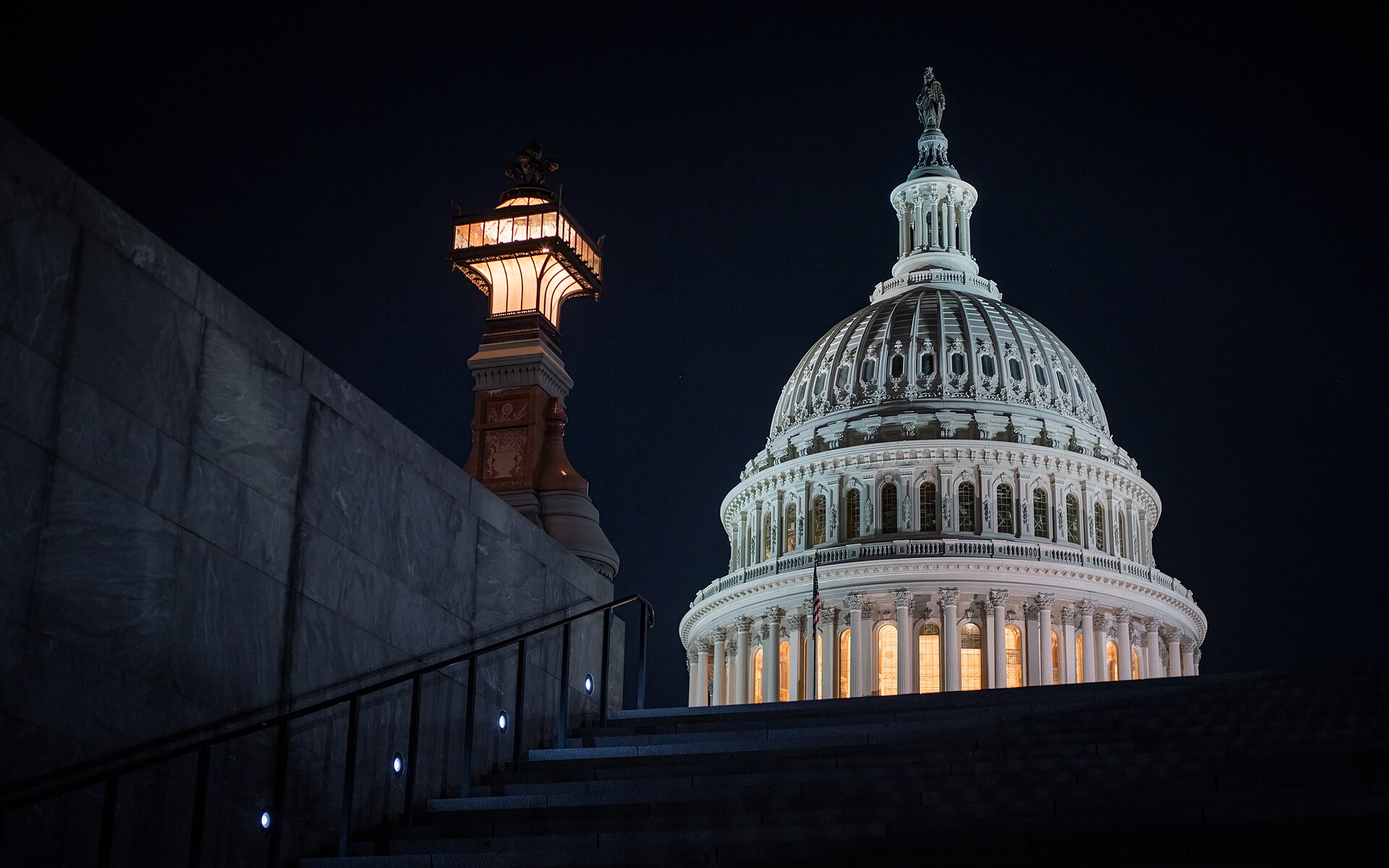
Democrats won the Senate and the House of Representatives in the 3 November midterm elections, taking control of both chambers of Congress for the remaining two years of Donald Trump’s presidency, the BBC’s results page showed on Wednesday morning.
With 30 of the 35 Senate seats on the ballot counted, Democrats held 53 seats to the Republicans’ 42, a net gain of seven, according to the BBC. In the House, Democrats had 223 seats to 132 for the Republicans with 355 of 435 districts counted. Al Jazeera reported that the Senate was called for the Democrats late on Tuesday, based on projections by the Associated Press, the wire service whose race calls many US outlets use.
The Democratic gains included seats that had been Republican for decades. In Texas, state legislator James Talarico defeated Attorney General Ken Paxton; in Kansas, pastor Adam Hamilton won a Senate seat the last Democrat had taken in 1932; and in Maine, Troy Jackson unseated Susan Collins, Al Jazeera reported. Democrats also held Jon Ossoff’s Georgia seat. Before the vote, Republicans held 53 Senate seats and a 218-214 House majority with two vacancies, The Express Tribune reported.
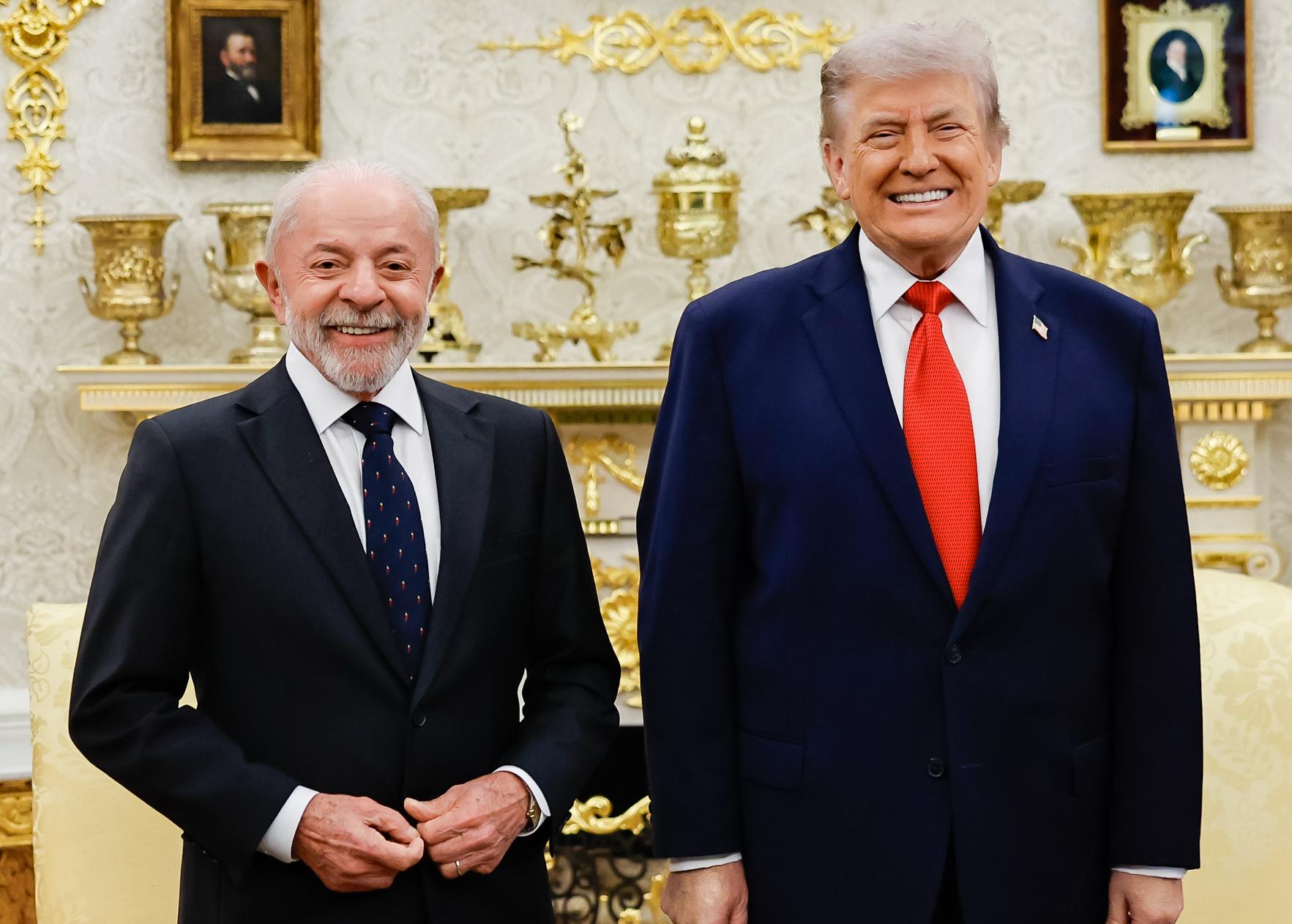
Trump acknowledged that Democrats “did a good job” and had “fought hard”, and told Fox News that the US-Israeli war with Iran probably contributed to the Republican losses because voters were not ready for “the short-term consequence of paying more for gasoline”, Al Jazeera reported. In a post on his Truth Social platform, the president distanced himself from the outcome, writing that he “wasn’t on the Ballot and if I was, we would have won IN A LANDSLIDE!”
What a Democratic Congress can do
Control of Congress gives Democrats the committee chairmanships, subpoena power and spending authority that Republicans have used since 2024. They can open investigations into the conduct of the Iran war, demand documents from the Pentagon and the White House, and attach conditions to military funding. The Senate also confirms cabinet secretaries, judges and other senior officials, so a Democratic majority can block or delay appointments that a Republican Senate would have waved through.
The limits are just as important. The president remains commander-in-chief and can order military action without congressional approval; Congress controls appropriations and holds the constitutional power to declare war, which lets it raise the political and financial cost of a campaign but does not give it command of the armed forces, The Express Tribune’s Kamran Yousaf wrote. Most legislation also needs 60 votes in the Senate, and Trump has already said he will use his veto. “They’ll send over things that are insane, and I’ll veto them,” he said, according to Al Jazeera. Overriding a veto requires two-thirds majorities in both chambers.
The war, the vote and the price of oil
The election result landed in the middle of a live confrontation with Iran. A US official said American forces carried out “defensive” strikes on Iran’s Qeshm Island on Tuesday, targeting surface-to-air missiles used against US assets, and another official described the strikes as limited rather than a return to major combat, Reuters reported through The Express Tribune. Qatar has stepped up mediation, and a senior Iranian official told Reuters that Tehran and Washington remain far from a deal.
Trump told the Financial Times on Tuesday, hours before polls closed, that the United States had no immediate plans to strike Iran. “We’re locked and loaded if we need to go, but there may be no reason for it,” he said, adding that Washington seemed to be “getting everything we want”, The Express Tribune reported. Israeli Prime Minister Benjamin Netanyahu had signalled that an attack could come later in the week, according to the same report.
Oil traders read the result as more uncertainty rather than relief. Brent crude rose 82 cents, or 0.8 per cent, to $104.42 a barrel, and West Texas Intermediate gained 0.5 per cent to $96.59, after Brent settled at its lowest level in nearly four weeks in the previous session, Reuters reported. Analysts cited by Reuters said conflicting signals from Washington, with strikes continuing alongside statements playing down escalation, had left traders unwilling to take strong positions, while the risk of disruption around the Strait of Hormuz had not disappeared.
What it means for Pakistan
Pakistan’s stake is indirect but concrete. Islamabad has been one of the channels Iran has named in the talks, and its economy is exposed to the same energy shock that shaped the US vote, as KhabarWire reported before the election. A Congress that scrutinises the war’s cost and duration could make a prolonged campaign harder to sustain, but it cannot end the confrontation on its own, and Trump’s own advisers have said the strikes so far are limited.
For Pakistan, the immediate variable is the price and availability of fuel and gas. The country imports most of its crude and liquefied natural gas, and any prolonged disruption around Hormuz raises freight and insurance costs as well as the import bill. A Pakistani-bound LNG cargo was attacked near the strait this month, KhabarWire reported, and consumer inflation was 9.6 per cent in October, according to the Pakistan Bureau of Statistics. The government cut petrol and diesel prices this week, but those decisions track international prices with a lag and offer little protection if crude moves higher again.
The diplomatic dimension is equally delicate. Pakistan has tried to keep working relations with Washington, Tehran and the Gulf states while avoiding entanglement in the war. A US administration weakened at home but still able to order strikes, and a Congress newly empowered to investigate those strikes, give Islamabad two different channels to read and two different sets of signals to manage.
What is still uncertain
The first unknown is the final tally. Several House districts and a handful of Senate races had not been called, and recounts or legal challenges could still change individual results, even though control of both chambers is now clear.
The second is what Democrats will prioritise. Campaign promises are not a legislative programme, and a party that has just won on living costs may spend its energy on domestic prices, investigations or both. Whether it treats the Iran war as its first target is a choice, not a consequence of the result.
The third is Trump’s response. A president who has just lost Congress may look for a settlement to show that his pressure campaign worked, or he may try to demonstrate that his authority over foreign policy is unchanged. The Express Tribune’s analysis cautioned against assuming that an electoral defeat would automatically make him more restrained. Oil markets, and Pakistan’s import bill, will price that answer before it is fully known.