Reporting snapshot · 4 November 2026 (Asia/Karachi). The timings were announced by the two utilities on Wednesday and took effect the same day. Neither company has published a formal notification setting an end date, and actual pressure at household meters can fall below the published windows.
What the utilities announced
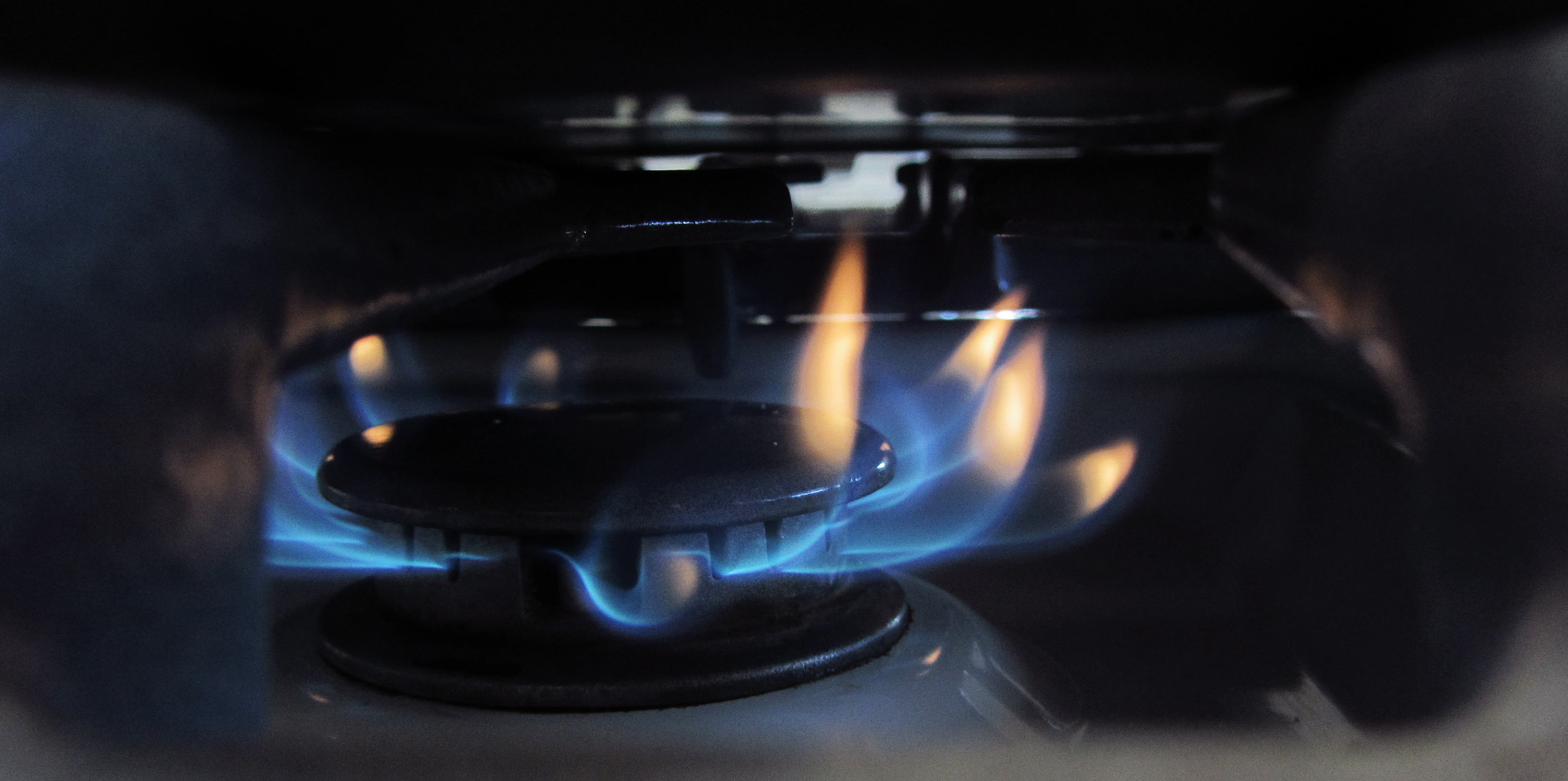
Households on Pakistan’s two main gas networks will receive piped gas during three daily windows this winter: 6:30am to 9am, 12pm to 2:30pm and 6pm to 9pm. The Sui Southern Gas Company (SSGC), which supplies Sindh and Balochistan, announced the timetable on Wednesday, saying it was acting on federal government instructions and would prioritise domestic cooking, Geo News reported and The Express Tribune reported.
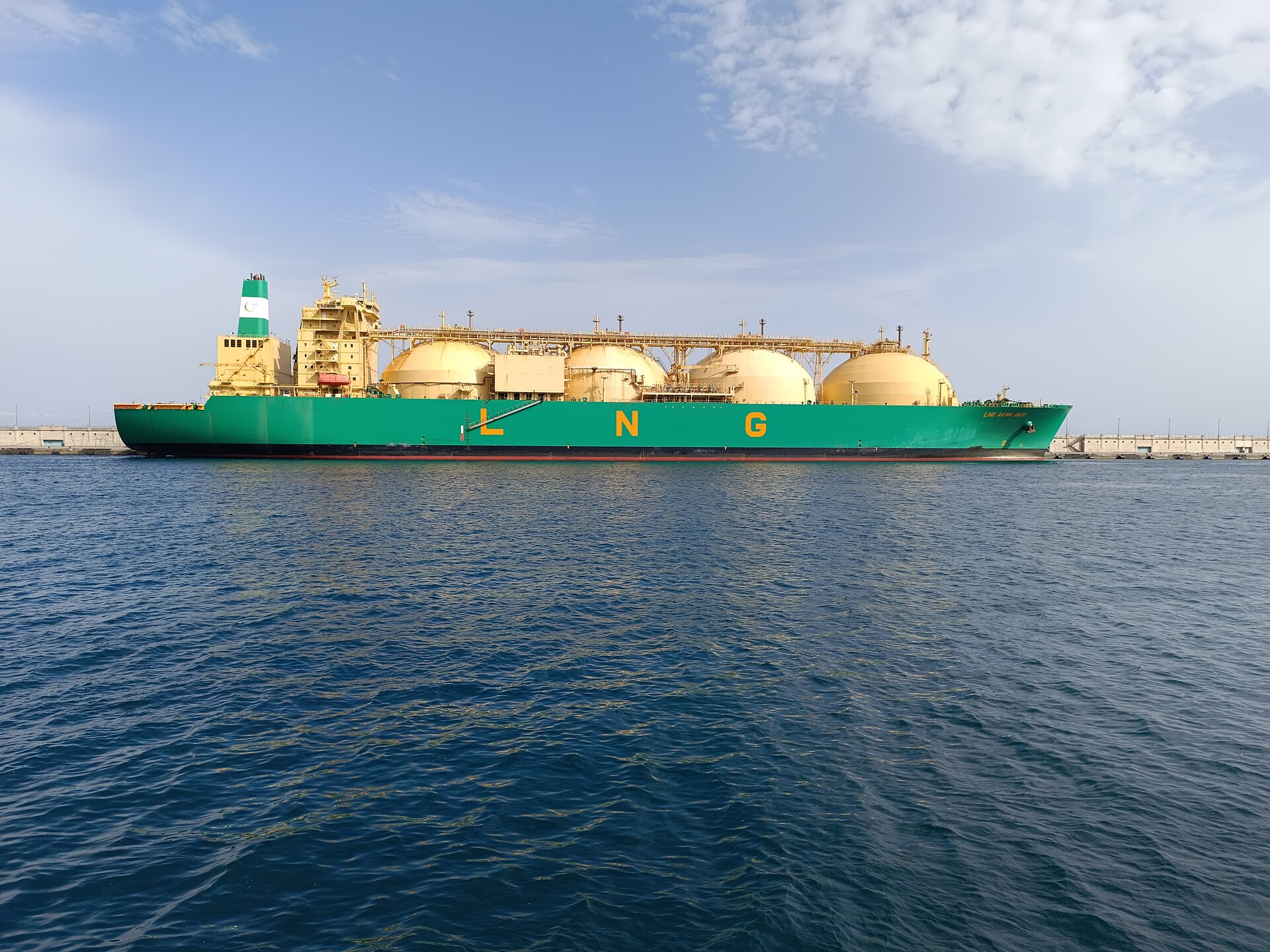
The Sui Northern Gas Pipelines Limited (SNGPL), which serves Islamabad, Punjab and Khyber Pakhtunkhwa, imposed the same three windows from Wednesday, Geo News reported. SNGPL attributed the restriction to dwindling liquefied natural gas (LNG) availability and rising winter demand. The company also cut gas supply to the compressed natural gas (CNG) sector from 50 million cubic feet per day (mmcfd) to 35 mmcfd and said it planned to suspend CNG supplies altogether in the coming days, according to the same report.
The announcements turn the shortage KhabarWire described on 1 November into a published household timetable. Until Wednesday, the government had set out priorities and cargo estimates but had not issued a daily schedule for domestic consumers. The storyline is tracked in KhabarWire’s Pakistan Fuel and Energy hub.
Why the gas is being rationed
The immediate cause is the gap between imported LNG and winter demand. QatarEnergy has extended its force majeure on LNG supplies to Pakistan until 29 December, and the government has been planning about 10 cargoes for December and January against an estimated requirement of 20, KhabarWire reported. Domestic gasfields, which supply most of the country’s gas, are in long decline, and imported LNG normally fills part of the gap.
Petroleum Minister Ali Pervaiz Malik said domestic demand is expected to rise by 400 to 500 mmcfd in winter, The Express Tribune reported. The utilities say the schedules are meant to manage load and keep gas available during cooking hours.
The shortage is not new to households. In May, Al Jazeera found Karachi homes already receiving gas in three short windows, often at low pressure, and families planning cooking, work and rest around them. “My whole morning revolves around gas,” one 60-year-old resident told Al Jazeera. What is new this week is the formal winter schedule covering both networks and the explicit cuts to industry and transport.
What it means for households
For families that rely on piped gas, the practical effect is that cooking must fit into three blocks. The windows cover breakfast, lunch and dinner, but they leave long gaps during the rest of the day. Outside those hours, households that use gas for water or space heating have no scheduled supply, and the low pressure that Al Jazeera documented can make even the published windows shorter in practice.
The burden falls unevenly. Al Jazeera’s May reporting found that women in Karachi were waking earlier, cooking faster and rearranging meals around the windows, while teachers and home-based workers changed their schedules to match the supply. A 2024 Pakistan Institute of Development Economics and UNFPA policy brief estimated that women spend about three hours a day on unpaid domestic work, with the longest time in the kitchen, Al Jazeera reported.
Households that can afford a backup face a second cost. LPG cylinders have been selling for Rs700–800 a kilogramme in some markets, The Express Tribune reported, well above the October notified rate of Rs279.34 a kilogramme, according to KhabarWire’s report on the LPG market. The government announced changes to the LPG quota system on 3 November, but the new auction and import arrangements have no published start date, KhabarWire reported.
What it means for industry, transport and farms
The household schedule is the visible part of a wider rationing exercise. SNGPL has cut CNG supply to 35 mmcfd from 50 mmcfd and plans to stop it in the coming days, Geo News reported. The cement industry has already switched to coal, while industrial consumers connected to the distribution network are receiving reduced supplies. Industries connected directly to the transmission network, including export-oriented and non-export firms, are getting around 200 mmcfd, and further reductions remain possible.
The power sector is receiving about 140 mmcfd and the fertiliser industry about 53 mmcfd, according to the same Geo News report. Those figures matter beyond factory gates: fertiliser output affects the Rabi wheat crop, and gas-fired power affects electricity costs. The government has said domestic consumers come first, then power and fertiliser, followed by cement and CNG, KhabarWire reported.
For transport, the CNG cut affects stations and the drivers who rely on them. For factories, the risk is not only the volume of gas but the uncertainty of the schedule: a plant that cannot plan its hours may cut shifts or use more expensive alternatives. The reports did not include an estimate of the output loss.
What is still uncertain
The biggest unknown is duration. Neither company’s announcement set an end date for the three-window schedule, and the government has not published a daily allocation for each sector. The 29 December date is the end of QatarEnergy’s current force majeure notices, not a guarantee that cargoes will resume the next day; that depends on the Strait of Hormuz and on the wider US-Iran conflict.
Actual supply may also differ from the timetable. The windows describe when gas is scheduled to flow, not the pressure at every meter. Households in high-rise buildings, at the end of distribution lines or in areas with local faults may receive less than the advertised hours. The announcements did not include pressure targets or a complaints protocol specific to the winter schedule.
For now, the schedule is a dated snapshot: three windows, two networks and a set of industrial cuts that may be tightened again before the peak of winter.