Reporting snapshot · 23 November 2026 (Asia/Karachi). The Foreign Office has published only a short readout of the call: no date, venue, agenda or participant list has been issued for the meeting, and no communiqué has been promised. The Houthis' claim that they struck Saudi Arabia's Rabigh refinery on 22 November has not been confirmed by Saudi authorities.
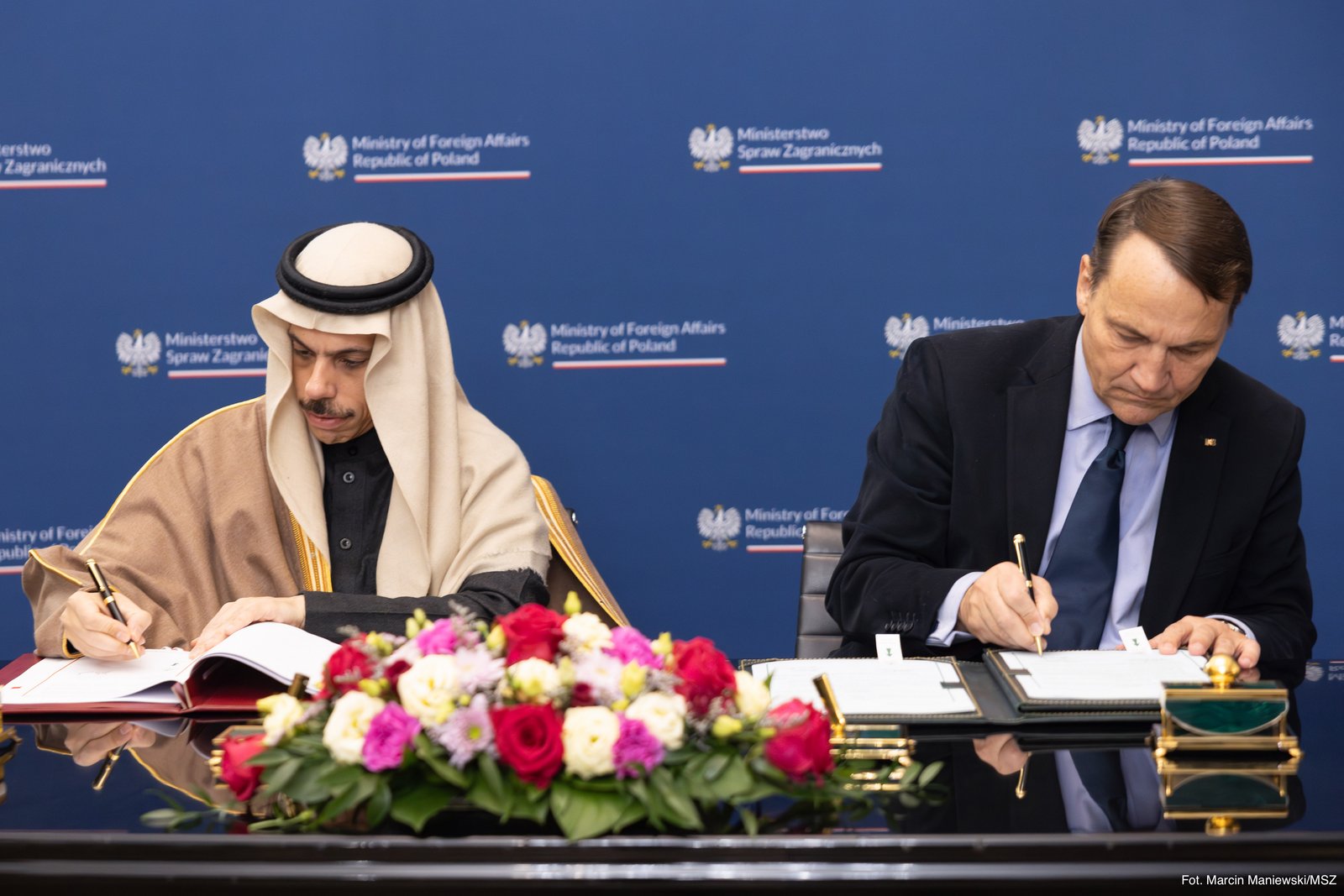
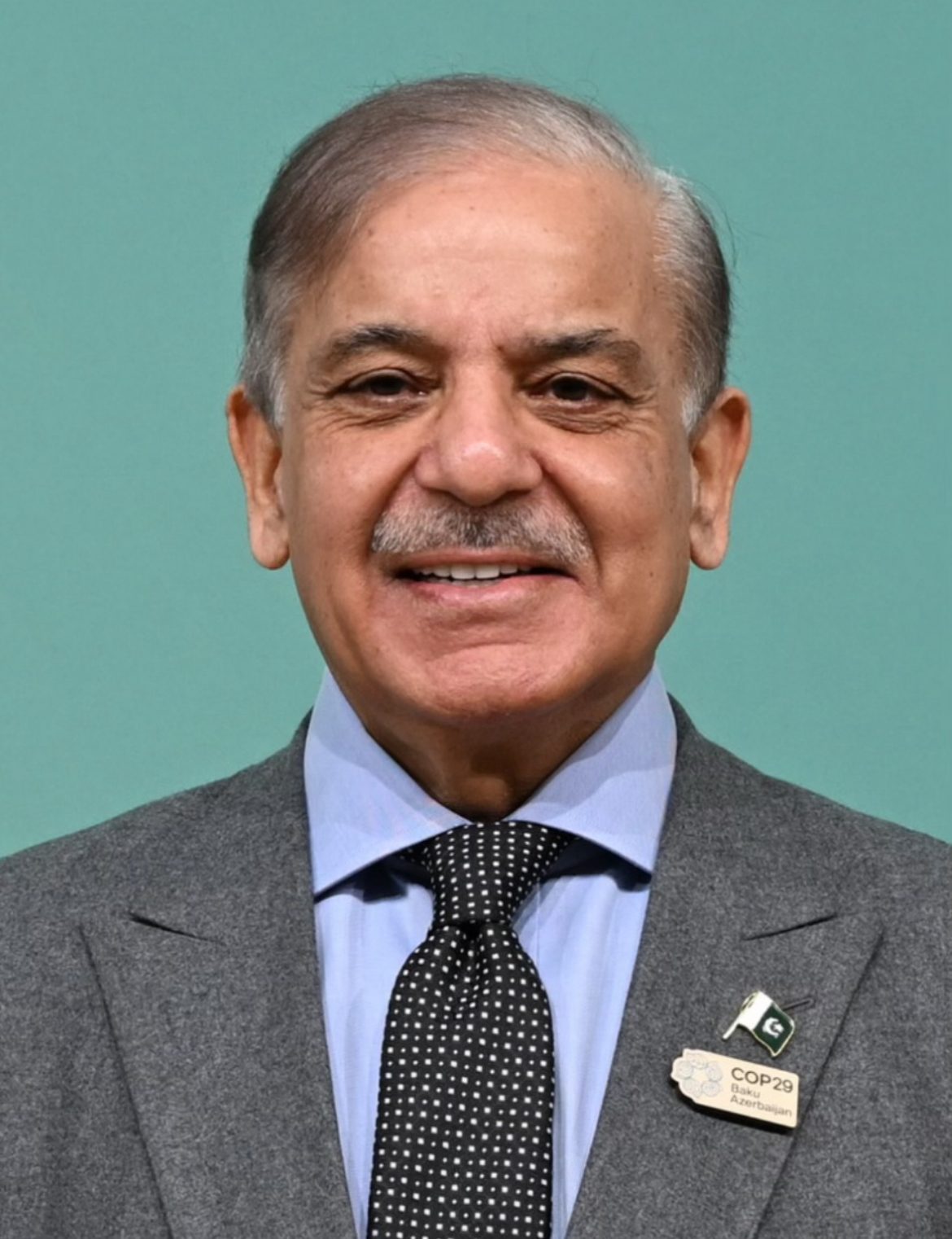
Pakistan’s Deputy Prime Minister and Foreign Minister Ishaq Dar and Saudi Arabia’s Foreign Minister Prince Faisal bin Farhan spoke by telephone on Sunday, 22 November, and agreed to work towards a meeting of the Regional Four (R4) foreign ministers in the near future, the Foreign Office said. Pakistan Today reported that the two ministers “discussed cooperation at multilateral fora and ways to further strengthen coordination on matters of mutual interest”, and that they “discussed the possible convening of a meeting in the near future of the R4 Foreign Ministers to continue consultations on regional developments”. The Express Tribune carried the same readout, adding that both leaders agreed to remain in close contact “to sustain the momentum of diplomatic engagements”.
The call lands on a weekend in which the Gulf front widened and the mediators were running two tracks at once. It is also the clearest sign yet that the R4, the grouping of Pakistan, Saudi Arabia, Egypt and Türkiye formed in March, is turning from a channel for phone calls into a standing ministerial format.
Two meetings, one region
The announcement is easy to confuse with the other meeting Pakistan’s foreign ministry is arranging. On Saturday, Dar said Germany had invited the foreign ministers of the R4 and of the European Four — Britain, France, Germany and Italy — for talks in December aimed at easing Gulf tensions, a format KhabarWire reported on 22 November, when Dar also said he expected a US-Iran agreement and that “Pakistan hasn’t given up” on the memorandum Washington and Tehran signed on 18 June.
Those are two different gatherings, and the distinction matters. The December invitation brings back the expanded format the group used in Istanbul on 23 October, when the R4 sat with European counterparts in meetings that KhabarWire described when they opened. The Saudi Press Agency’s account of that session records the foreign ministers of Saudi Arabia, Türkiye, Egypt and Pakistan meeting counterparts from France, Germany, Italy and the United Kingdom, the agency reported, and says the ministers agreed to continue the dialogue in that format. The call with Prince Faisal bin Farhan concerns something narrower: a meeting of the R4’s own four foreign ministers, without Europe at the table. Pakistan Today reported that the four last met on their own in New York on 22 September, on the sidelines of the UN General Assembly, after a fourth round in Cairo in June.
What has driven the tempo is the war around them. Pakistan Today described the R4’s recent work as covering the United States-Iran war, Israeli attacks on Gaza and Houthi strikes on Saudi Arabia. The grouping met in Istanbul in October with European counterparts, and the foreign ministers have been working the same file in bilateral calls: Dar spoke to Iranian Foreign Minister Abbas Araghchi and Egyptian Foreign Minister Badr Abdelatty on 18 October, KhabarWire reported at the time. The Makkah pact that binds Pakistan, Saudi Arabia and Türkiye to one another has also been moving from Riyadh to Tehran, with the pact’s committee meeting in the Saudi capital followed by security talks in the Iranian one, as KhabarWire covered.
The Gulf front behind the call
The immediate backdrop was a week of attacks on Saudi Arabia. On 20 November the Foreign Office called a strike on a tower in Riyadh’s King Abdullah Financial District a “grave violation” of Saudi sovereignty, warning that attacks on civilian and economic infrastructure threatened regional peace, The Express Tribune reported; KhabarWire described that attack and Pakistan’s response the same day. It followed an attempted attack on a Saudi Aramco building in Riyadh on 9 November, which Pakistan called a reckless disregard for human life and regional security.
On 22 November Yemen’s Houthis said they had attacked the Rabigh oil refinery on Saudi Arabia’s western Red Sea coast, Pakistan Today reported, adding that Saudi authorities had not immediately commented. The same report described Saudi air defences intercepting a drone aimed at Riyadh and a ballistic missile, and alerts for danger in the Makkah region.
The scale the Saudi-led coalition claims is far larger than the attacks of the past week. The Houthis have been firing at Saudi airports and oil infrastructure since Yemen’s frozen civil war was reignited in July, The Express Tribune reported, and the same report said the coalition had counted 20 attacks on King Khalid International Airport in Riyadh in October, killing 17 people and injuring 333 others, with Abha airport in the country’s southwest also targeted. The Houthis’ own account of the civilians killed in the Saudi and Yemeni strikes could not be independently verified.
That is the context in which two foreign ministers agreed to push for a meeting of a regional grouping. Pakistan’s exposure is not only diplomatic: its crude and gas routes run through the same waters, and a war that closes the Gulf hits the fuel bill that KhabarWire has tracked through the daily price revisions.
What has not been settled
Nothing binding came out of the call, and the readout is careful about that. No date has been set for the R4 meeting, no venue, no agenda and no list of participants; the Foreign Office said only that a meeting was being considered “in the near future”. Nothing was said about whether the R4-only meeting would sit alongside the December R4 and E4 talks or replace them, and no joint communiqué was promised.
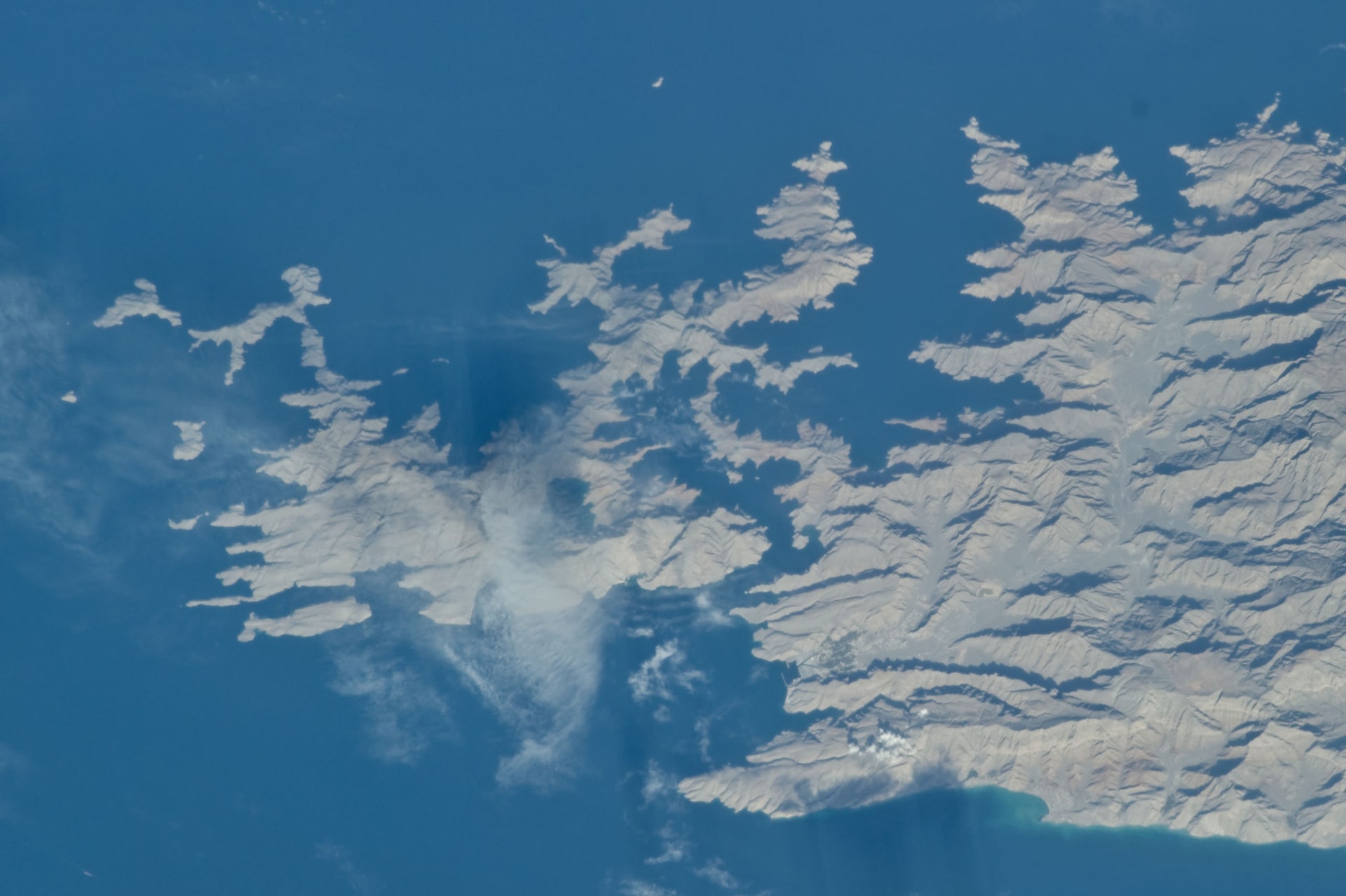
The bigger file is the one Pakistan says it is trying to hold together. The memorandum of understanding Washington and Tehran signed on 18 June remains the reference point, and Dar said on Saturday that Pakistan was still trying to persuade both sides to respect and honour what they had signed. Implementation has been the difficulty: the two governments continue to disagree, and shipping through the Strait of Hormuz has been disrupted, with tankers struck near Oman’s Khasab on 21 November, as KhabarWire reported.
Three questions follow from Sunday’s call. Whether the R4’s ministers meet before or after the December gathering in Germany; whether the meeting produces anything beyond a further commitment to keep talking, which is what the Istanbul sessions produced; and whether a regional format can hold a line on navigation that Tehran has threatened to punish the governments assisting Washington. Pakistan has been the state asked to hold those two lines together at once, and it has now asked its closest Gulf partner to help build the table. KhabarWire follows the track on its Iran mediation hub.