Reporting snapshot · 22 November 2026 (Asia/Karachi). No agreement has been announced, and the two tankers struck near Oman's Khasab on 21 November were reported by a maritime agency without an identified attacker. Iran's account of a tanker that struck a mine has not been independently verified.
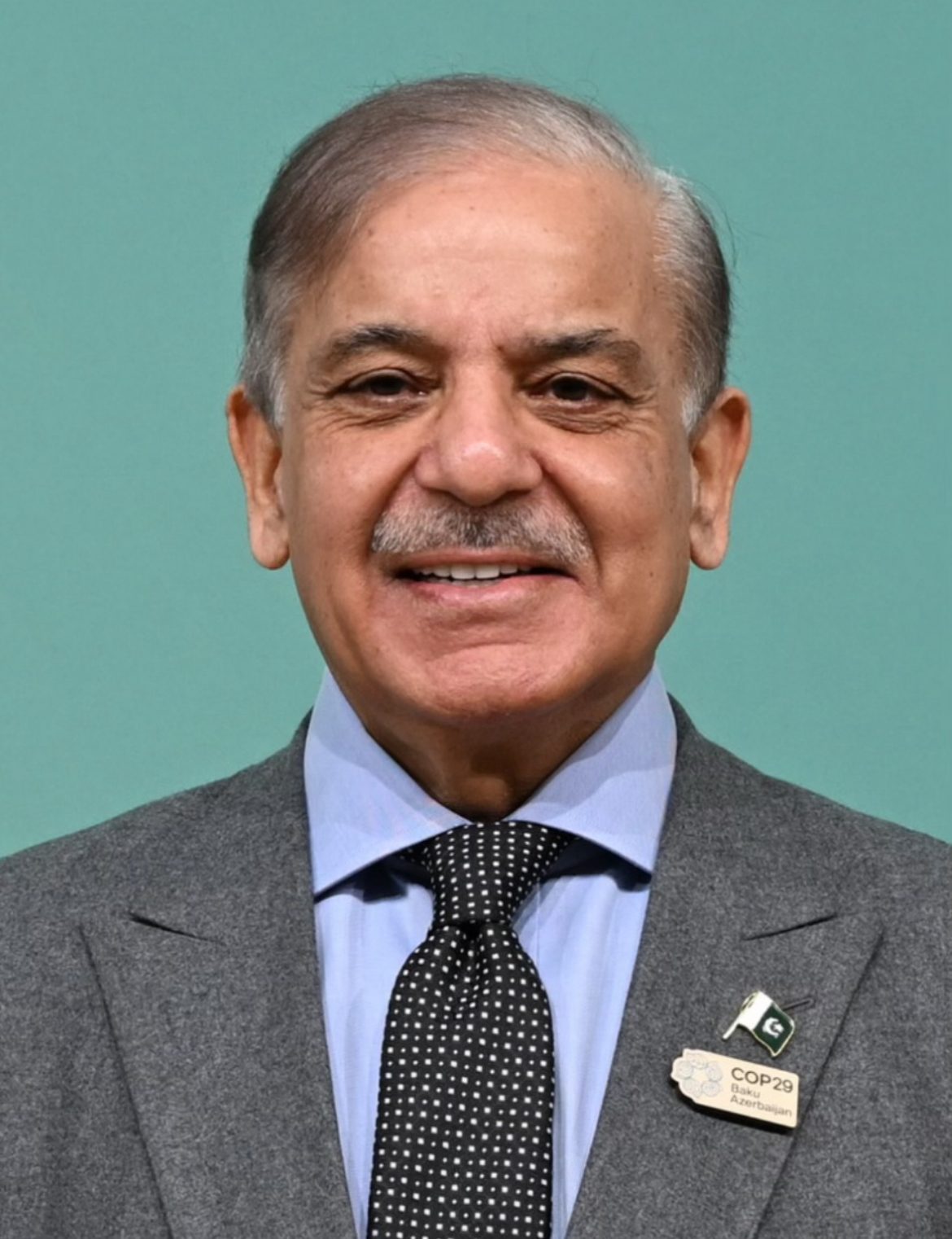
Pakistan’s Deputy Prime Minister and Foreign Minister Ishaq Dar said on Saturday that he expects the United States and Iran to reach an agreement, and that he is still pressing both sides to honour the memorandum of understanding they signed on 18 June. Dar spoke in an interview for Euronews’ World Conversation programme, filmed in Islamabad and broadcast by PTV News on 21 November, and Pakistan Today reported that he called himself “a born optimist” about a deal arriving “sooner or later”. The same day, Britain’s maritime agency reported two tankers struck by unidentified projectiles near the port of Khasab in Oman, one about 20km north of the town and another about 31km east of it.
What Dar set out in the interview was how the negotiation was arranged. He said Washington and Tehran held the first direct, face-to-face negotiations between the two governments in 47 years, in April in Islamabad, a session Euronews described as 21 hours long, taken in six rounds with only consultative breaks, after which he believed a sixth round would close the gap. The framework that followed was signed remotely on 18 June by President Donald Trump, then at the G7 summit in Europe, and by Iran’s president. Dar said Islamabad was the only venue both delegations had mutually accepted, and that he had called Iranian Foreign Minister Abbas Araghchi on the morning of 28 February, the first day of the war, to ask Tehran not to answer American and Israeli strikes with attacks on Gulf states.
The line Dar says has not been given up
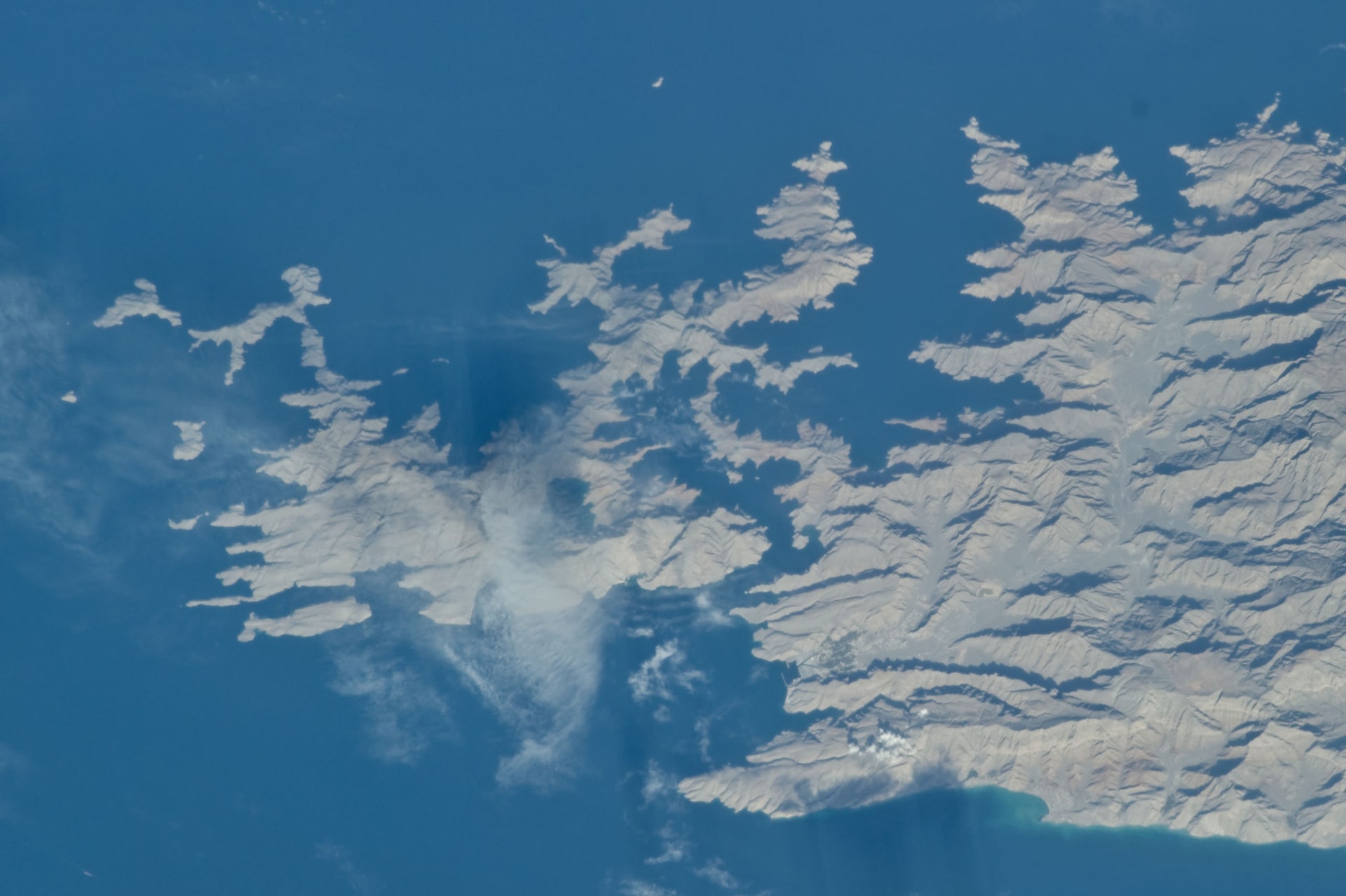
The principle Dar returned to was navigation. He said the most widely backed element of the 18 June accord was that there should be “no tolls, permits, fees or permissions” in the Strait of Hormuz, and that “Pakistan has not given up” on treating the sea lanes as free movement. The Express Tribune reported that Dar described violations of the June accord as having collapsed the arrangement, and that the settlement had been signed remotely by Trump and Iran’s president.
Around that, Dar is building a second track. He called for “a new regional security architecture”, pointing to the Makkah defence agreement signed by Pakistan, Saudi Arabia and Türkiye in August as a possible starting point for it, and said Germany had invited the R4 of Pakistan, Saudi Arabia, Türkiye and Egypt to meet Europe’s E4 of Britain, France, Germany and Italy in December, a grouping that grew out of a March consensus statement by twelve Islamic countries in Riyadh. That would extend the format that KhabarWire reported when the R4 and a European E3 met in Istanbul on 23 October for the first time.
Why the strait is still contested
Dar’s optimism does not match what the two sides were saying on the same day. Iran’s Revolutionary Guard said it had shot down an MQ-9 drone over the strait and an MQ-1 over Qeshm Island, and Al Jazeera reported that the US military had not commented. On the same day US Central Command dismissed Iran’s claim that a missile had damaged an American F-16 over the Gulf, and President Trump told Fox News, in remarks reported by Pakistan Today, that he wanted a “permanent” deal that no future president could reverse.
The gap between the two positions is explicit in Iran’s position. Araghchi said on Friday that seven conditions Tehran delivered to Washington in September “must be implemented for the Strait of Hormuz to reopen”, including ending the war and lifting sanctions and the naval blockade on Iran’s southern ports. He ruled out sending Iran’s stockpile of 60 per cent enriched uranium abroad, said his timetable was “flexible”, and said proposals from mediators were worth examining. He called the current “no war, no peace” state undesirable, but said Iran could not accept an agreement that would “hand victory to the other side”.
On the ground, Al Jazeera’s Tehran correspondent reported that about 25 incidents involving tankers had been reported in the preceding week, averaging roughly three a day, and quoted Iranian armed forces statements saying that vessels not following Iranian-designated routes in the strait would “either be attacked, or they are going to hit the sea mines”. Iran’s navy said an oil tanker had caught fire after striking a mine in a restricted area east of the strait, and accused the vessel of ignoring warnings; that account could not be independently verified, and it was unclear whether the burning tanker was one of the two vessels reported by UKMTO.
What a deal would mean for Pakistan’s fuel bill
For Pakistan, the measurable cost of the standoff is the price of moving oil. Before the war the strait carried nearly a fifth of the world’s crude oil supplies, and internal US Maritime Administration documents obtained by Al Jazeera show an internal alert on 12 October warning that merchant ships now faced “kinetic action from both sides” and that this raised the likelihood of “further war-risk premium spikes, crew refusals and effective tanker capacity contraction”. The Organization of the Petroleum Exporting Countries put the cost of war-risk insurance for a tanker carrying Middle Eastern crude to East Asia at $12.29 a barrel by the end of October, about two hundred times the January level.
Those costs feed straight into the pump price, which since 17 July has been revised daily rather than weekly. Under the mechanism the government approved on 30 October, the import price is set on the actual import cost of the relevant Pakistan State Oil cargo, with the premium, incidentals and customs duty of the last available cargo used when that is unavailable; for local refineries those three components were fixed at their 7 March pre-war levels for 30 days. KhabarWire reported on the change in mid-November, when petrol stood at Rs328 and high-speed diesel at Rs358, and later fell again to Rs322 and Rs355 on 19 November. A closure on the terms Tehran has set would keep freight and insurance costs inside those daily notifications; a reopening would unwind them.
The political pressure runs alongside the arithmetic. Jamaat-e-Islami has campaigned for months against the federal petroleum levy, and The Express Tribune reported that Prime Minister Shehbaz Sharif and JI chief Hafiz Naeemur Rehman are expected to meet on 24 or 25 November to finalise a mechanism for reducing the levy, with rallies in Quetta, Lahore and Karachi announced for 22, 29 November and 20 December.
The gaps in the public record
Several parts of the account remain unverified, and Dar’s is a mediator’s assessment rather than a negotiated timetable. No date has been set for a US-Iran agreement, no text has been published, and the German meeting he referred to has no confirmed date, venue or agenda. Whether the R4 and E4 talks produce anything beyond a joint statement is unknown.
The tanker incidents carry their own gaps. UKMTO attributed the two strikes to unidentified projectiles and did not say whether they involved separate vessels; no casualties were reported. Iran’s mine claim remains unconfirmed, and Iran’s F-16 claim was rejected by the US military. Dar also put a number on Pakistan’s own exposure to the conflict, saying the country had lost 100,000 lives and suffered $150 billion in economic losses to militancy, and that his central demand of Kabul was verifiable action against militants operating from Afghan soil. The meeting he described in Germany is about building a security architecture for the region, not about ending the fighting in the strait, and it will not by itself settle what happens to the shipping lanes Pakistan’s economy depends on.