Reporting snapshot · 23 October 2026 (Asia/Karachi). The Istanbul meetings were under way when this account was written, and no communiqué or joint statement had been issued. Most of what is known about the agenda comes from the two governments' advance announcements and from Turkish media reporting, and what the host says about its own priorities is briefing rather than a published text.
What happened
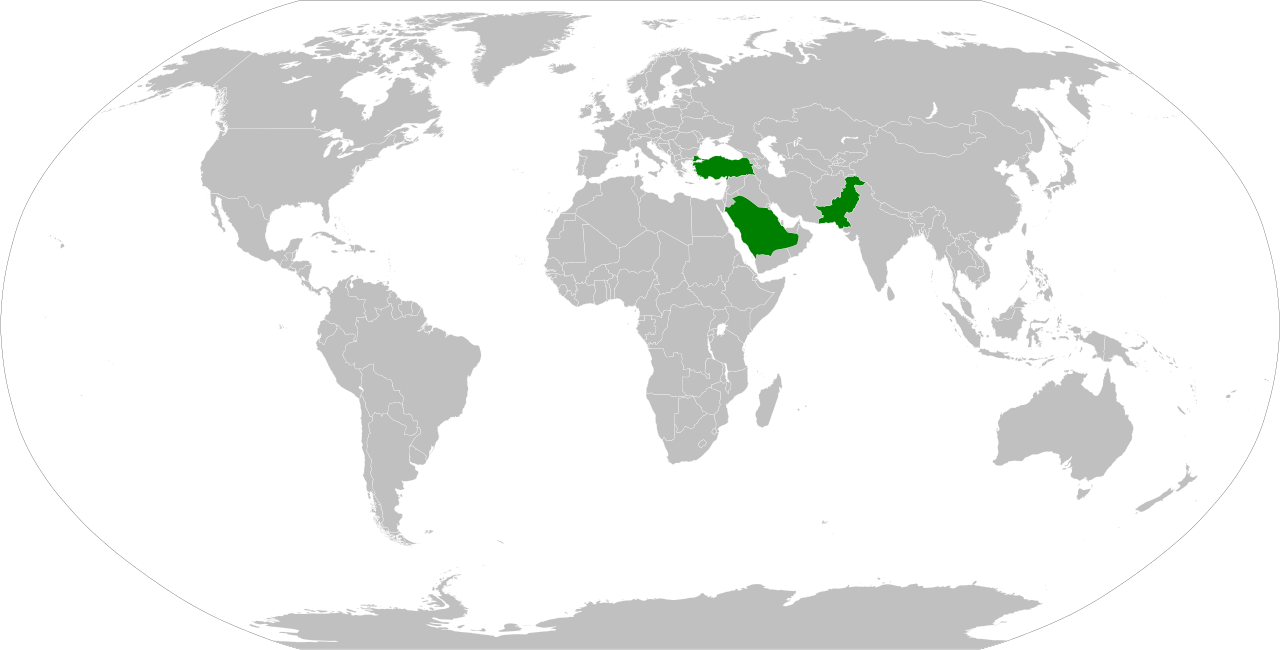
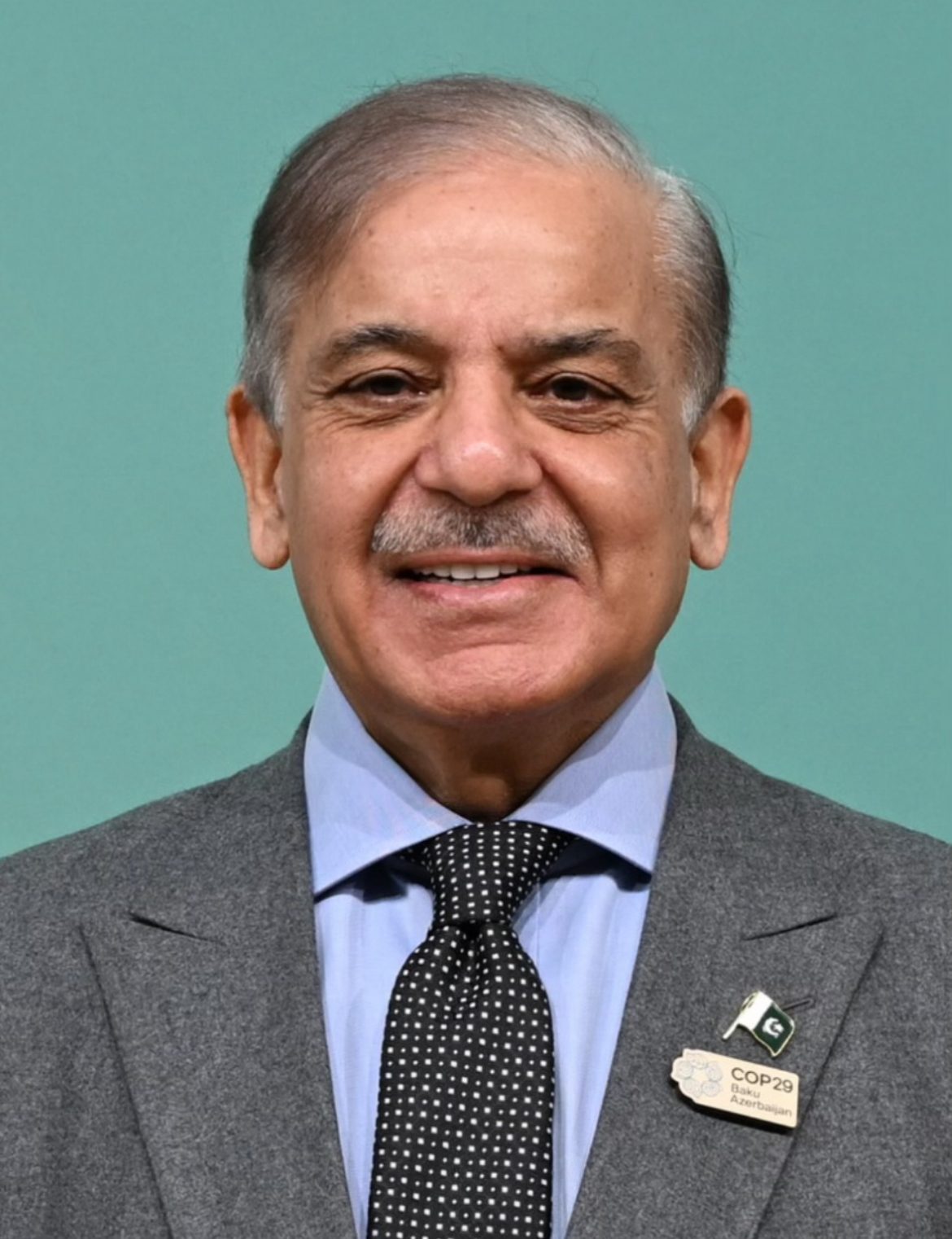
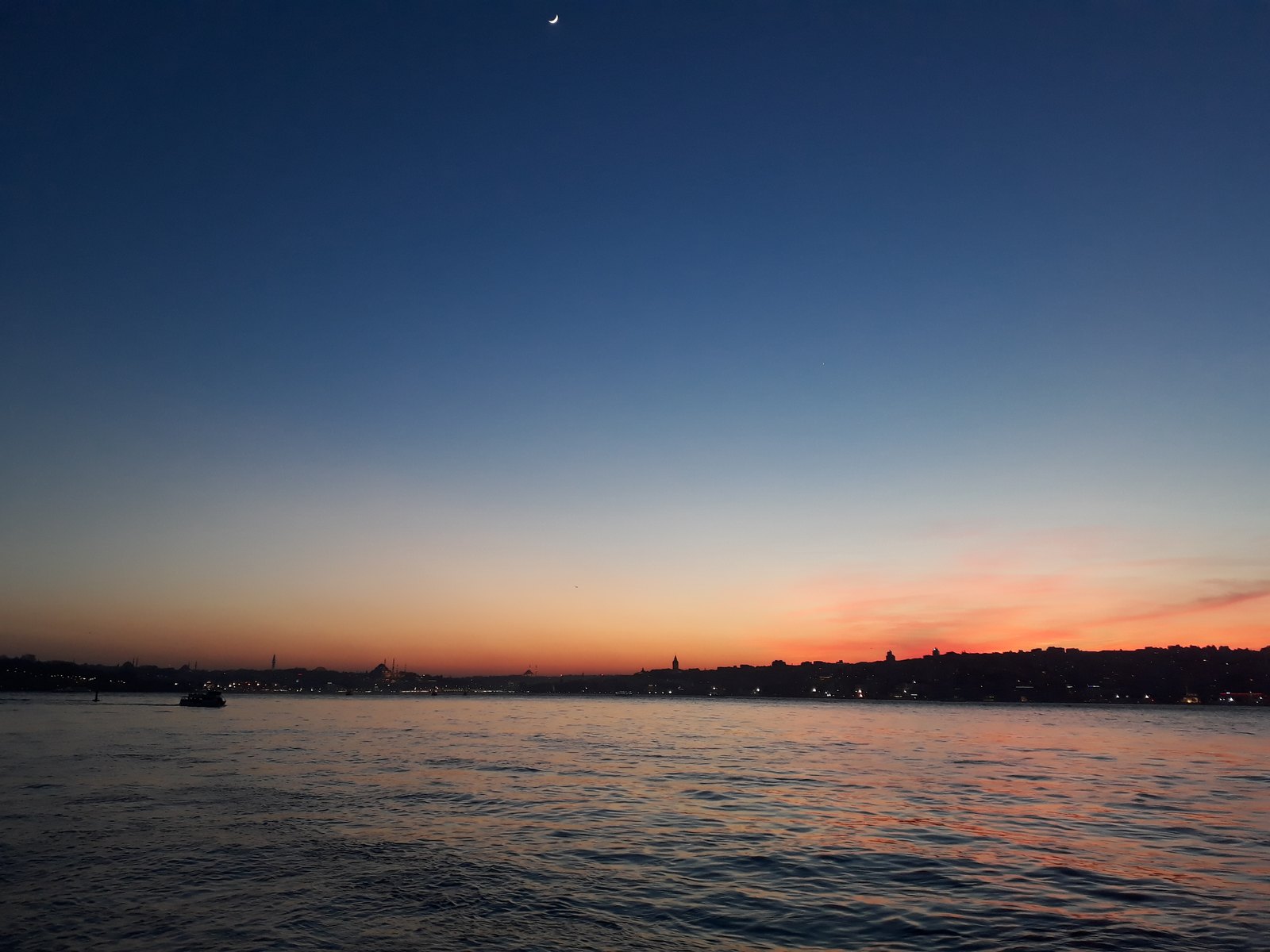
Deputy Prime Minister and Foreign Minister Senator Mohammad Ishaq Dar left Islamabad for Istanbul on Friday, 23 October, for two ministerial meetings: one of the R4 — Pakistan, Türkiye, Saudi Arabia and Egypt — and, immediately afterwards, the first meeting of the seven countries in the expanded R4+E3 format, which brings Britain, France and Germany into the same room. The Foreign Office said that the expanded gathering would be the first of its kind, that Dar had travelled at the invitation of Turkish Foreign Minister Hakan Fidan, and that the meetings would explore “coordinated diplomatic approaches to address shared challenges and advance regional peace and stability”.
Türkiye’s foreign ministry announced the meetings on Thursday, 22 October, according to Reuters in a report carried by Pakistan Today. Reuters noted that the R4 grouping emerged in March and has focused on regional security and on mediating between the United States and Iran, while the E3 — France, Britain and Germany — was set up more than 20 years ago to coordinate diplomacy over Iran’s nuclear programme. A Turkish diplomatic source told Reuters the seven countries would meet in the combined format for the first time at Türkiye’s initiative, as wars involving Iran, Yemen and Ukraine threaten shipping routes and regional security.
Alongside Fidan, The Express Tribune reported that the gathering brings together German Foreign Minister Johann Wadephul, British Foreign Secretary Ed Miliband, French Foreign Minister Jean-Noël Barrot, Egyptian Foreign Minister Badr Abdelatty, Saudi Foreign Minister Faisal bin Farhan and Dar. Turkish media reporting put the Israeli-Palestinian question, the Strait of Hormuz, developments in Yemen, efforts to end the Russia-Ukraine war and possible areas of closer regional-European cooperation on the table. Al Jazeera’s live coverage of the war described the Istanbul talks as a meeting of European and Middle Eastern foreign ministers on the Strait of Hormuz and regional crises, and noted that US President Donald Trump has signalled possible further military action against Iran.
The trip follows two telephone calls Dar made on 18 October, first with Iranian Foreign Minister Abbas Araghchi and then with Egypt’s Badr Abdelatty, the second of which dealt with the Houthi attacks on Saudi Arabia and with the R-4 framework, the two ministers looking forward to the next R-4 meeting, as KhabarWire reported at the time. The Foreign Office said Dar was scheduled to hold bilateral meetings with his counterparts on the sidelines.
Why the format matters
The two groupings have chased the same file for years without ever sitting in the same room. The R4 is the newer instrument, formed in March as a channel for the four governments closest to the conflict’s geography; the E3 is the older one, set up more than 20 years ago to coordinate diplomacy over Iran’s nuclear programme. Putting them together for a single meeting is a division-of-labour statement rather than a format for its own sake: the Europeans bring the diplomatic machinery they have applied to Tehran’s nuclear file and to Ukraine, and the R4 brings the states whose ports, pipelines and airspace the war has turned into a matter of security.
The agenda confirms the reading. Turkish media reporting indicates Fidan will argue that regional security cannot be achieved through military means alone, The Express Tribune reported. Reuters, citing a Turkish diplomatic source, expects him to press for freedom of navigation in both the Strait of Hormuz and Bab el-Mandeb and to reiterate Türkiye’s support for Saudi Arabia’s security against Houthi attacks under the Makkah Joint Defence Agreement. That last point is not idle framing: Türkiye sent the pact to its parliament for ratification days earlier, and the wider Houthi campaign against the kingdom has made the agreement’s activation a live question rather than a theoretical one.
Europe’s interest is economic as much as strategic. Fatih Birol, head of the International Energy Agency, told Al Jazeera in Berlin that European gas storage stood at 72 per cent going into winter against a usual 90 per cent, that nearly a tenth of the continent’s liquefied natural gas transited Hormuz before the war, and that gas prices have risen by 140 per cent since February while Brent trades well above $100. “I really hope that both of the straits will be unconditionally opened sometime soon,” he said, adding that the best day for a ceasefire would have been yesterday. A European delegation asking for the reopening of Hormuz is asking for something Pakistani importers also depend on.
What it means for Pakistan
Pakistan arrives at this table as the government that has spent months trying to hold the same file together, from the Islamabad Memorandum of Understanding of June to the R4 track and Dar’s repeated calls with Tehran and Cairo. The format rewards that position. Tehran’s file with Europe has for years been worked through the E3’s own nuclear channel, and the R4 gives Islamabad a seat where the region’s priorities — the Gulf front, the maritime routes, the Yemen campaign — sit in the same conversation as Washington’s next move.
The risk attached to that role is stated plainly in Tehran. DW reported on 22 October that Iran has told regional governments that US military bases and critical infrastructure could become targets if neighbouring countries assist another US or Israeli operation, and that Iranian Foreign Minister Abbas Araghchi has warned that participation or cooperation by regional states would draw a “decisive and proportionate response”. The same account described reporting in The New York Times that the United States and Israel have drawn up plans for a “short but intensive operation” against Iran. Meanwhile the Islamic Revolutionary Guard Corps said on Thursday that seven tankers had been struck in and around the Strait of Hormuz — four set on fire and three disabled by mines — the largest single-day toll since the war began on 28 February, Al Jazeera reported. Those claims have not been independently verified, and KhabarWire described the accompanying shift in Iran’s declared defence doctrine a day earlier.
For Islamabad, that is the tension that runs through every gathering it hosts: supporting a European push to reopen Hormuz, and pressing Tehran to stay at the table, both require Pakistan to be useful to parties that Tehran has threatened over exactly that kind of cooperation.
What is still uncertain
Nothing has been published from the meetings themselves. No communiqué, no joint statement and no readout from either the R4 or the Turkish hosts had been issued when this account was written, so it is not yet possible to say whether the seven countries agreed on a common position on Hormuz, whether the Europeans attached conditions to any support for reopening the waterway, or whether the meeting produced a follow-on mechanism rather than a one-off exchange.
It is also unclear how the format will be used. The R4 has met on its own repeatedly since it emerged in March, and the E3 has its own Iran track, but a combined format has to survive the first disagreement to become a working channel. Trump has said the United States will not strike Iran before the November 3 midterms, DW reported, a constraint that may loosen quickly, and any US action would land on the same waterway and the same Gulf infrastructure that the ministers were discussing.
For Pakistani readers the practical question is narrower: whether any of this changes the cost of energy at home. Nothing agreed in Istanbul alters the physical position of tankers in the strait, and the price of an imported barrel is set in markets that move on military news rather than on communiqués.