Reporting snapshot · 17 November 2026 (Asia/Karachi). These are notified ex-depot rates for a single day under a mechanism that can reprice fuel every morning, so the figures may change with the next publication, and OGRA publishes the notified price and the levies rather than the arithmetic behind them.
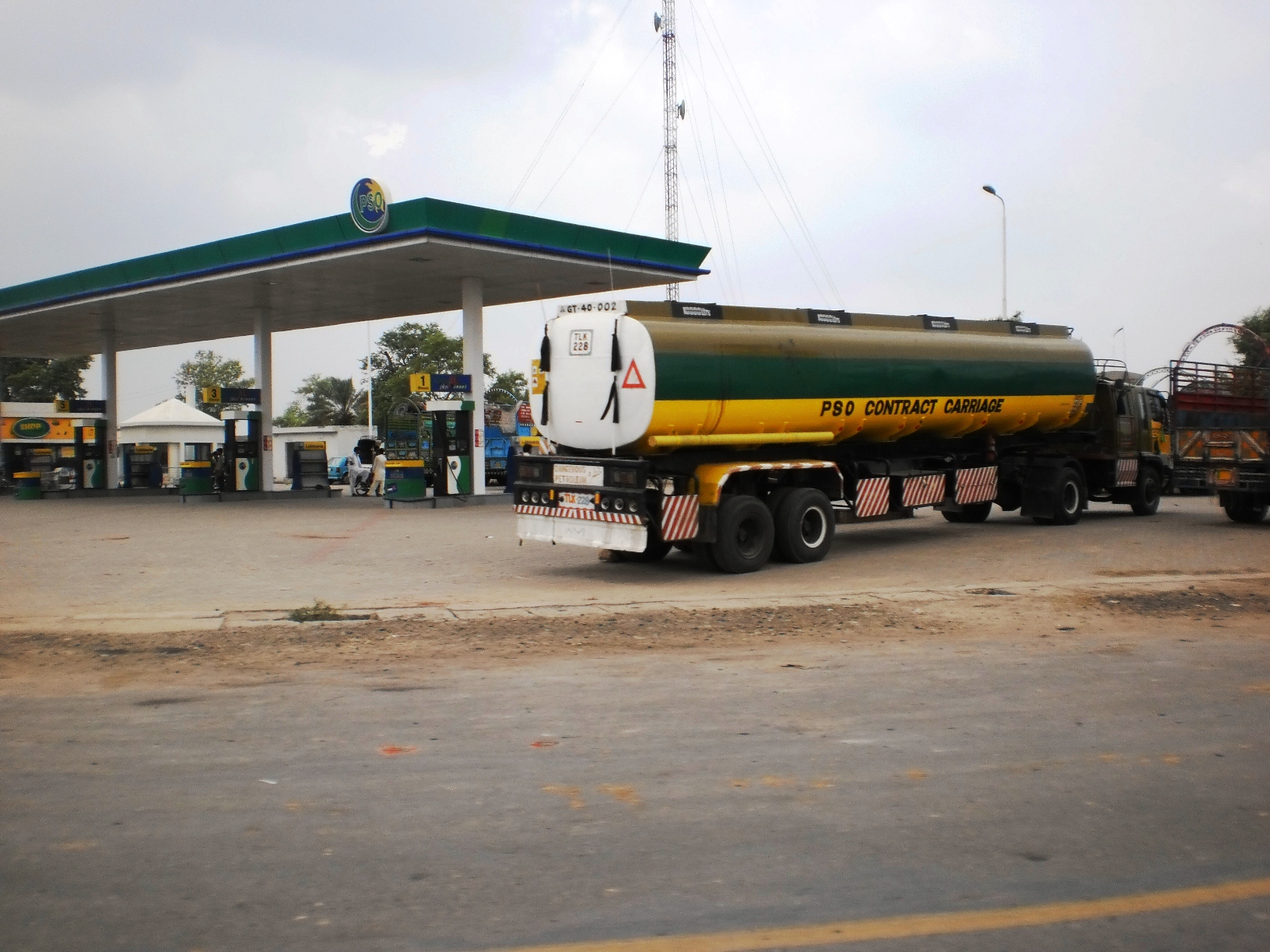
Petrol will sell for Rs328 a litre and high-speed diesel for Rs358 from Tuesday, 17 November, after the Oil and Gas Regulatory Authority cut both by Rs2. The Express Tribune reported the authority’s press release on Monday evening, Geo News published the same rates with OGRA’s table of old and new prices, and Profit carried the notification, which OGRA lists on its price publication page. Petrol was Rs330 and diesel Rs360 before the change, so the cut is worth Rs100 on a 50-litre fill.
The cut is the smaller half of Monday’s fuel news. On the same day the All Pakistan Petrol Pump Owners Association wrote to Prime Minister Shehbaz Sharif asking him to replace the daily revision mechanism with a monthly one, arguing that dealers who buy stock at one price are then made to sell it at the next, lower price. Express Tribune and Profit both reported the letter, the latter describing it as a warning that daily changes are causing inventory losses and operating uncertainty in a trade of small and medium-sized businesses.
Together the two developments describe a pricing regime under strain at both ends: the government that sets the price each morning, and the retailers who have to hold the fuel. The last notification in this series was the 12 November cut to Rs335 and Rs364, and KhabarWire’s Pakistan Fuel & Energy file collects the price notices and the supply decisions behind them.
How the daily formula shrinks a crude move
Pakistan’s pump price is no longer revised fortnightly, or even weekly. The government replaced a weekly review with a daily one on 17 July, The Express Tribune reported, and Geo News reported that OGRA has begun publishing petroleum prices on its own website each day so that changes in international oil prices reach consumers more quickly.
What moves the pump price is the import cost of cargo already on its way to Pakistan. Under the mechanism the cabinet approved on 30 October, the import price is set on the actual import cost of the relevant Pakistan State Oil cargo, falling back on the premium, incidentals and customs duty of the last available cargo when that is unavailable. For local refineries those three components are temporarily fixed at their 7 March 2026, pre-war levels for 30 days, and the difference between the import price and the resulting ex-refinery price is surrendered by refiners into the petroleum levy account, with the benefit passed on as a lower pump price. Geo News set out the formula on Monday, including a short-term adjustment that smooths the move at $2.950 a barrel a day.
KhabarWire described the cabinet decision in detail when it was taken, and the 30-day freeze on the pre-war refinery parameters is due to run out later in November. Part of the gap between world prices and Pakistani pumps is carried by refiners: on 2 November the government announced that oil refineries would bear a burden of Rs15 billion a month, allowing petrol to be sold about Rs15 a litre below the global market, The Express Tribune reported. The daily notifications sit on top of that arrangement rather than replacing it.
The fuel trade wants monthly prices back
Nouman Ali Butt, the association’s vice chairman, wrote that dealers purchase fuel stock at one price and sell it over the following days, and that when prices have been falling, “stock bought at a higher rate has to be sold at a lower one. This leaves petrol pump owners bearing losses on their inventory, which they cannot recover.” He said frequent changes also make it hard to plan purchases and manage working capital, and that many of the association’s small and medium-sized members would struggle to sustain their businesses without monthly revisions.
The request lands on a government that has been tightening its grip on the same trade. On 5 November, Prime Minister Shehbaz Sharif directed authorities to cancel the licences of petrol pumps that refuse subsidised fuel to registered beneficiaries, KhabarWire reported, a directive aimed at the same outlets the association now speaks for.
The public blames the tax, not the oil market
A Gallup & Gilani Pakistan survey released on Monday found that 46 per cent of adult Pakistanis attributed the recent rise in petrol prices to government taxes and levies, while 21 per cent cited global conditions, 6 per cent the rupee and 5 per cent global oil prices, The Express Tribune reported. A further 21 per cent said they did not know the reason. The pattern held across education levels, with 60 per cent of respondents holding an FA or a higher degree naming taxes against 43 per cent of those with less than FA, and 50 per cent of urban respondents against 44 per cent of rural ones.
The same report carried a counterweight. Research analyst Bazif Memon of Optimus Capital Management told The Express Tribune that recent volatility had been driven by international oil and refined-product prices rather than domestic levies, that commitments under the IMF programme limit the government’s scope to reduce petroleum levies, and that the government has budgeted Rs1.676 trillion in petroleum levy collections and Rs50 billion through the Climate Support Levy for FY27. He cautioned that weaker high-speed diesel consumption could complicate collection, because levy receipts depend on per-litre rates and sales volumes.
Official price data tell a similar story of a year that has not turned. The Pakistan Bureau of Statistics’ Sensitive Price Indicator for the week ended 12 November recorded petrol prices 7.42 per cent lower week on week and diesel 6.10 per cent lower, but still 26.23 per cent and 30.77 per cent higher than a year earlier.
For most households the number that matters is not the notified rate at all. The Rs100 a litre relief for motorcycles, three-wheelers and cars with engines up to 800cc continues alongside it, covering an estimated 11.8 million people on caps of 20 litres a month for two-wheelers and 30 litres for small cars, The Express Tribune reported.
The three things that decide the next notification
First, the refinery parameters. The 30-day freeze on pre-war premiums, incidentals and customs duty expires later in November, and neither the Petroleum Division nor OGRA has published what replaces it. What follows decides whether pump prices rise even if crude does not.
Second, the government’s answer to the association. A monthly regime would hand the pace of the market back to the government, which moved to daily notifications in July to pass international moves through faster.
Third, whether the Rs2 holds. Prices are set every morning, and a mechanism that has produced repeated cuts can reverse them. The notified rates are ex-depot figures, and what a motorist actually pays at a particular pump also carries district freight.