Reporting snapshot · 24 November 2026 (Asia/Karachi). The launch time, the crew and the payload specialist's role come from the China Manned Space Agency's briefing at Jiuquan on 24 November. Suparco has not published a statement of its own on the mission, and the four experiments and their Pakistani investigators remain unpublished. A launch can be postponed, so the schedule below is the one announced on Tuesday morning rather than a flight that has happened.
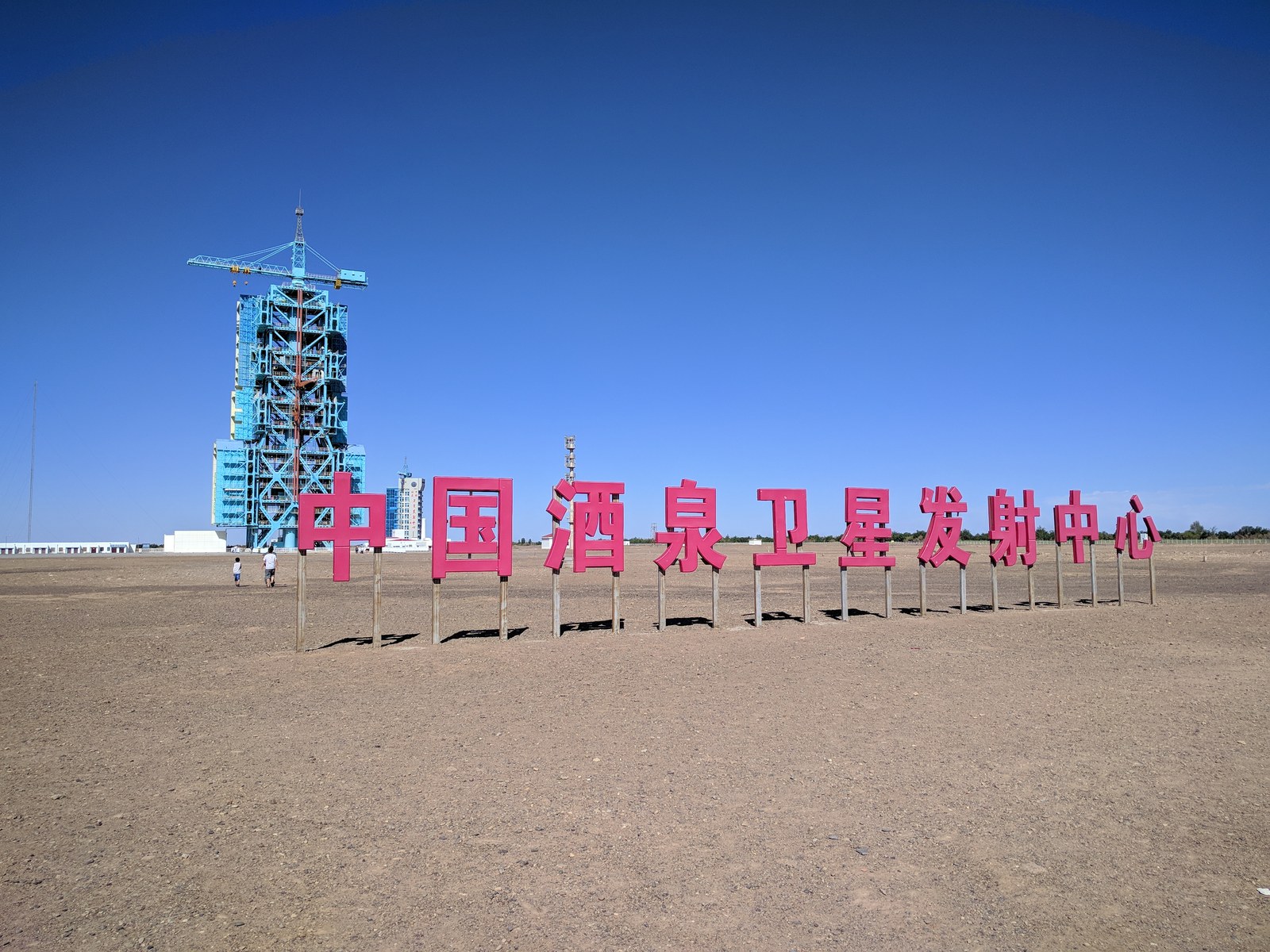
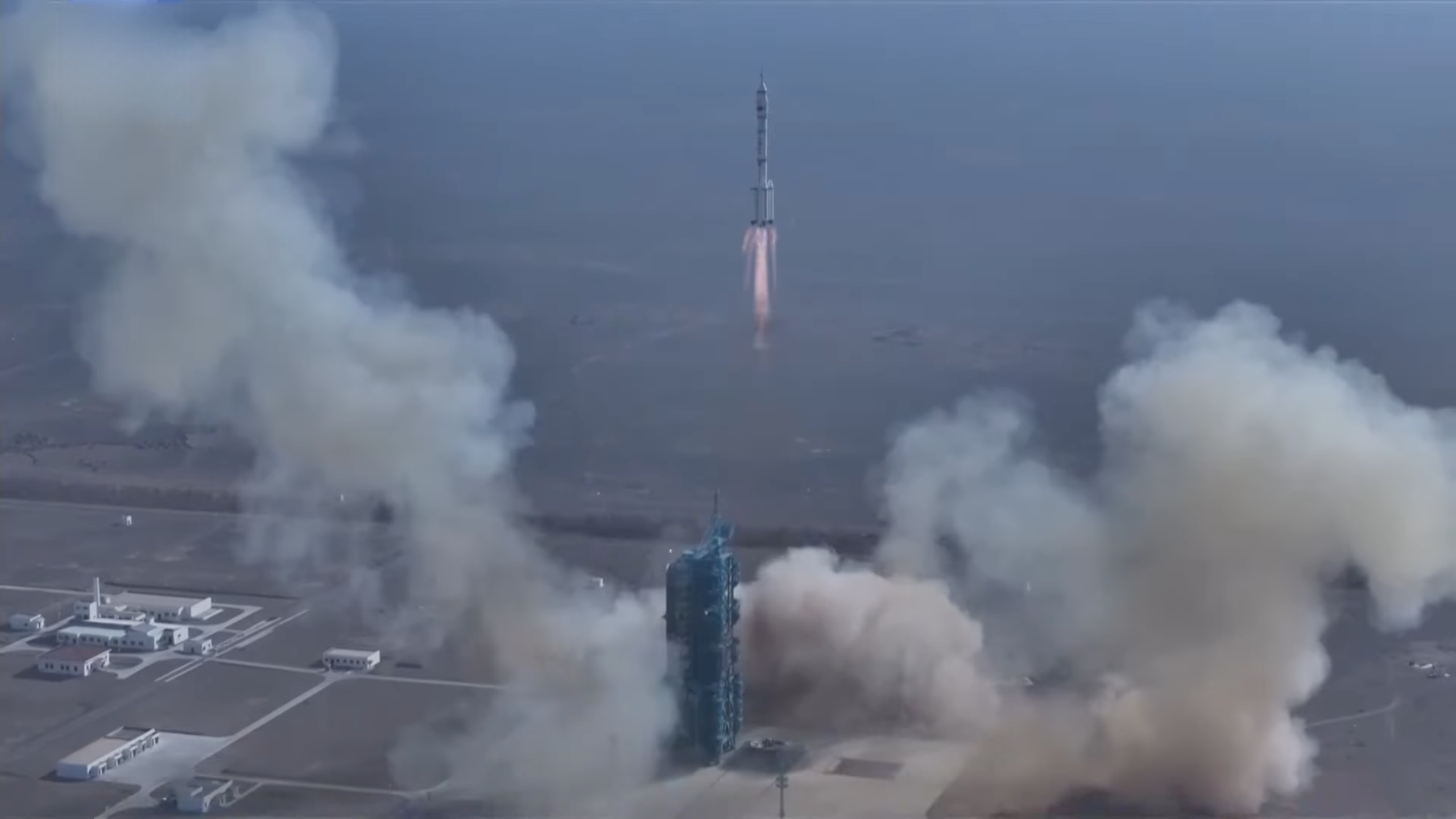
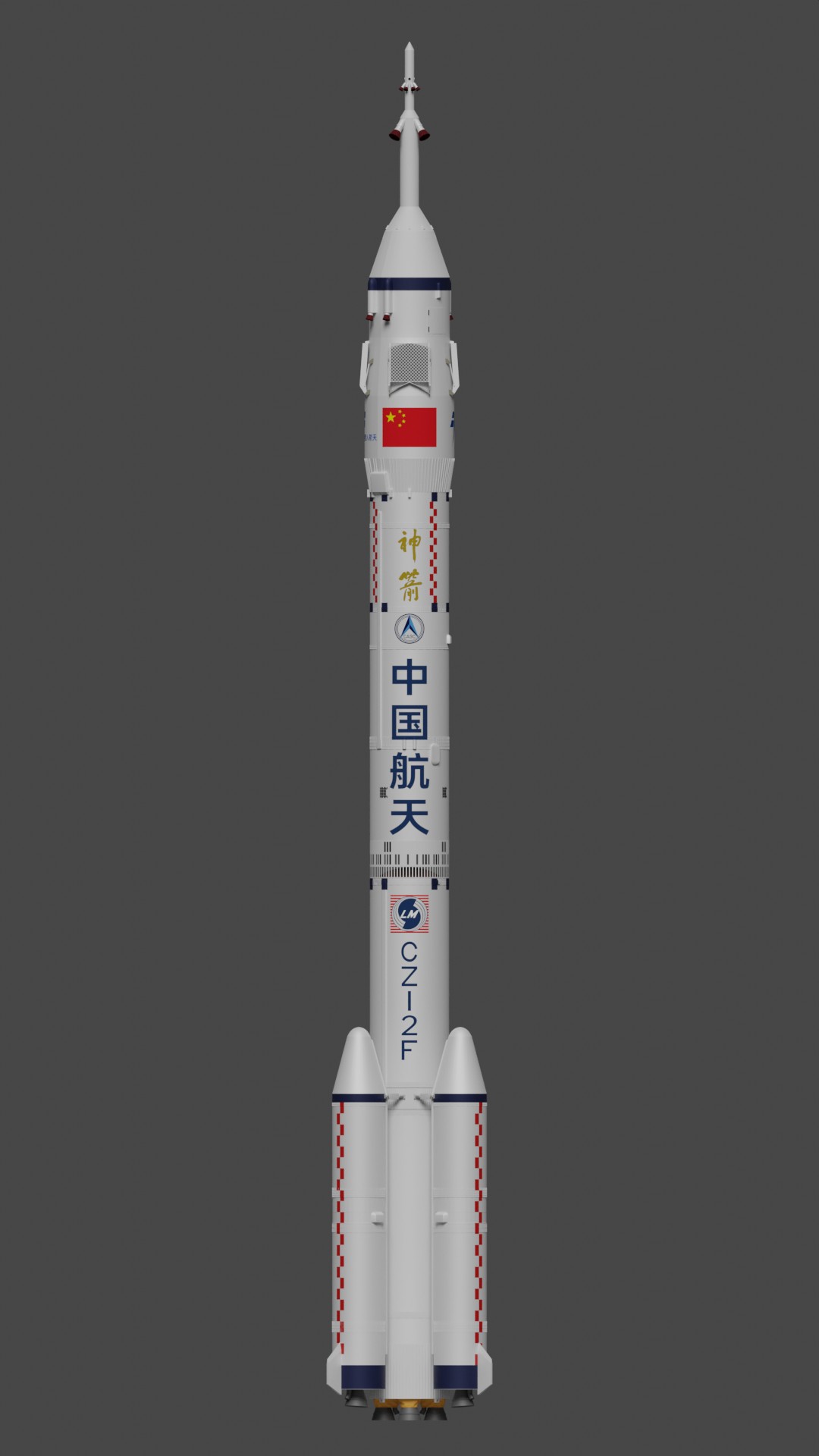
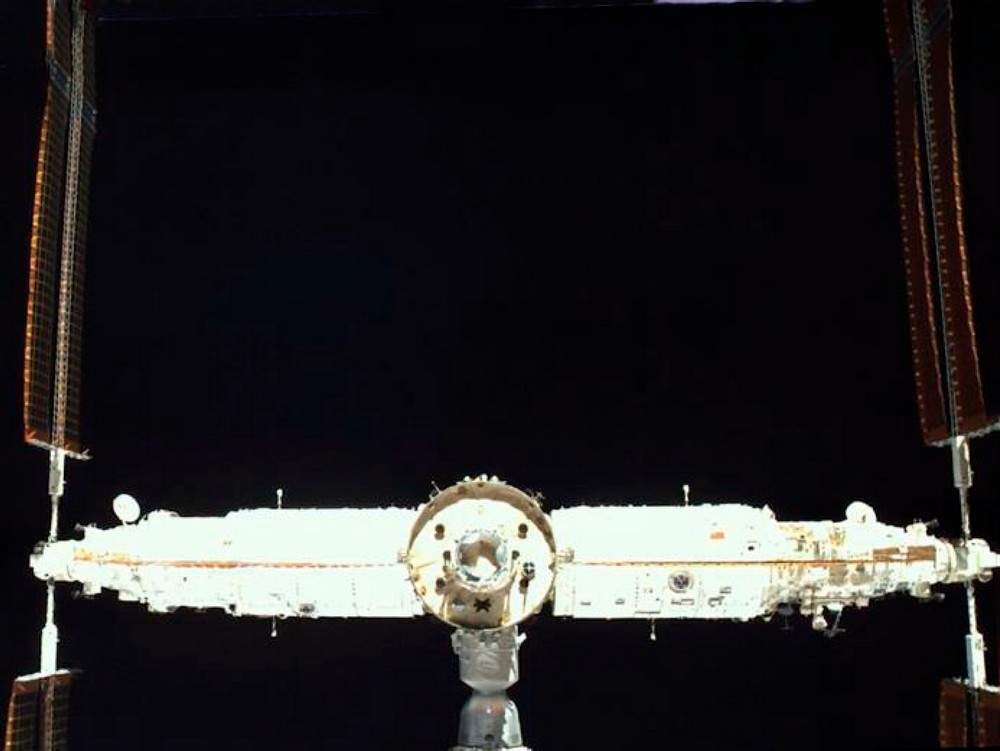
Pakistan’s first astronaut has a launch time. At a pre-launch briefing at the Jiuquan Satellite Launch Centre in north-western China on Tuesday, 24 November, the China Manned Space Agency said the Shenzhou-24 crewed spacecraft would lift off at 8:18am Beijing time on Wednesday, 25 November — 5:18am in Pakistan — carrying a Pakistani payload specialist who will be the first foreign national to visit China’s Tiangong space station. Xinhua reported the announcement from the Jiuquan spaceport, where Zhang Jingbo, the agency’s spokesman, said a Long March-2F carrier rocket would be filled with propellant at the launch tower later on Tuesday. China Daily carried the agency account, and Geo News reported the briefing for a Pakistani audience.
The flyer is Muhammad Zeeshan Ali, a wing commander in the Pakistan Air Force, who joins Major General Tang Hongbo, who will command the mission, and Colonel Wu Yi, the flight engineer, China Daily reported. Ali travels as a payload specialist rather than as a pilot, and Khurram Dawood — named Khurram Daud in Suparco’s earlier announcements — stays on the ground as his backup. Geo News reported that both men were chosen as reserve astronaut candidates after three rounds of screening and assessment under the February 2025 agreement between Pakistan’s Space and Upper Atmosphere Research Commission and the Chinese agency, and that both completed their training in China.
The briefing closes the two questions KhabarWire left open on 7 November, when Beijing confirmed the mission and the astronaut’s role but published neither the launch date nor the flyer’s name. It also converts the 25 November date that Planning Minister Ahsan Iqbal announced on 18 October from a ministerial statement into an agency schedule.
The crew and the clock
Xinhua described Shenzhou-24 as the eighth crewed mission of the application and development stage of China’s space station and the 41st flight of the country’s crewed space programme. At the briefing, Chinese authorities said the spacecraft and its Long March-2F were in controlled condition, the crew was in good shape and the station complex was operating normally, Geo News reported. Tang Hongbo, who has flown on Shenzhou-12 and Shenzhou-17, is set to become the first astronaut to visit Tiangong three times, while Wu Yi, a member of China’s third batch of astronauts, is on his first spaceflight.
The station’s crew rotation changes with him. One astronaut from the outgoing Shenzhou-23 crew, Zhu Yangzhu, will remain aboard Tiangong for a year-long in-orbit residency experiment, Geo News reported — a departure from the six-month rotations that have been the norm for career Chinese crew.
What Ali is going up to do
His duties are experiment work rather than spacecraft operations: taking part in routine crew activities, installing experimental samples and research equipment, and carrying out scheduled experiments aboard the orbiting laboratory, Geo News reported.
The Pakistani contribution is four biotechnology experiments, selected by Chinese institutes from more than 300 proposals that Suparco received from universities across the country and focused on food security and climate change, Geo News reported, citing details Suparco officials had shared with Reuters. KhabarWire’s September report on the training programme set out how those four payloads were chosen and pre-tested in Suparco’s own laboratories before Chinese engineers signed them off, an arrangement one agency director described as a rare case of Pakistani technology being validated on an international platform.
Suparco has said Ali will spend approximately one week aboard the station before returning to Earth aboard Shenzhou-23 rather than on the Shenzhou-24 vehicle. That is a short visit by the standards of the Chinese crew, who normally serve six-month rotations, and it is why the flight is best read as a demonstration of the partnership rather than a long research residency.
A month of preparation at Jiuquan
The preparation has run through the autumn. The spacecraft and its Long March-2F carrier rocket were transferred to the launch area on 17 November, and the final full-system launch rehearsal was completed at Jiuquan on 21 November, Geo News reported.
Ali’s training covered spacecraft and station operations, the procedures for the science experiments and emergency response, and the crew worked through joint exercises on operational coordination, procedural handovers and handling technical problems. He was taught Chinese commands and technical terminology, and the Astronaut Centre of China prepared Chinese-English operating manuals and halal food for him, Geo News reported.
What the flight does not settle
Several things remain unconfirmed. Suparco has not published a statement of its own on the naming, the schedule or the experiment manifest, and the four experiments have still not been published with titles or principal investigators, the same gap KhabarWire flagged in September. The sequence of docking and return is unpublished too: the agency says Ali will come home on Shenzhou-23 rather than on the Shenzhou-24 vehicle, but it has not set out publicly how the handover with the departing crew works.
The wider dependence is unchanged. Pakistan has no launch vehicle or crewed spacecraft of its own, so the mission runs on Chinese hardware, Chinese training and Chinese launch operations. What the flight would change is altitude. If it proceeds, a Pakistani goes above the 100km Karman line for the first time, past the 87.4km that polar adventurer Namira Salim reached on a suborbital flight in 2023, and Pakistan would become the 51st country to put a citizen in space.
The partnerships already in train sit behind this flight. The rover Pakistan has supplied for a Chinese lunar mission, Jinnah-1, is due to fly on Chang’e 8 around 2028, and the 2035 lunar-landing target Iqbal set out on 18 October remains a statement of cooperation rather than a programme with published milestones. KhabarWire follows the whole thread in its Pakistan space programme hub.
A launch can slip, and Tuesday’s briefing set a schedule rather than confirming a flight. But the two facts that were missing a month ago — when it goes, and who is going — are on the record, and the count runs down before dawn on Wednesday.