Reporting snapshot · 7 November 2026. China's space agency has confirmed the mission and the astronaut's role, but not the flyer's name or a launch date. The 25 November date announced by Pakistan's planning minister in October has not been confirmed by Beijing.
What China has now confirmed
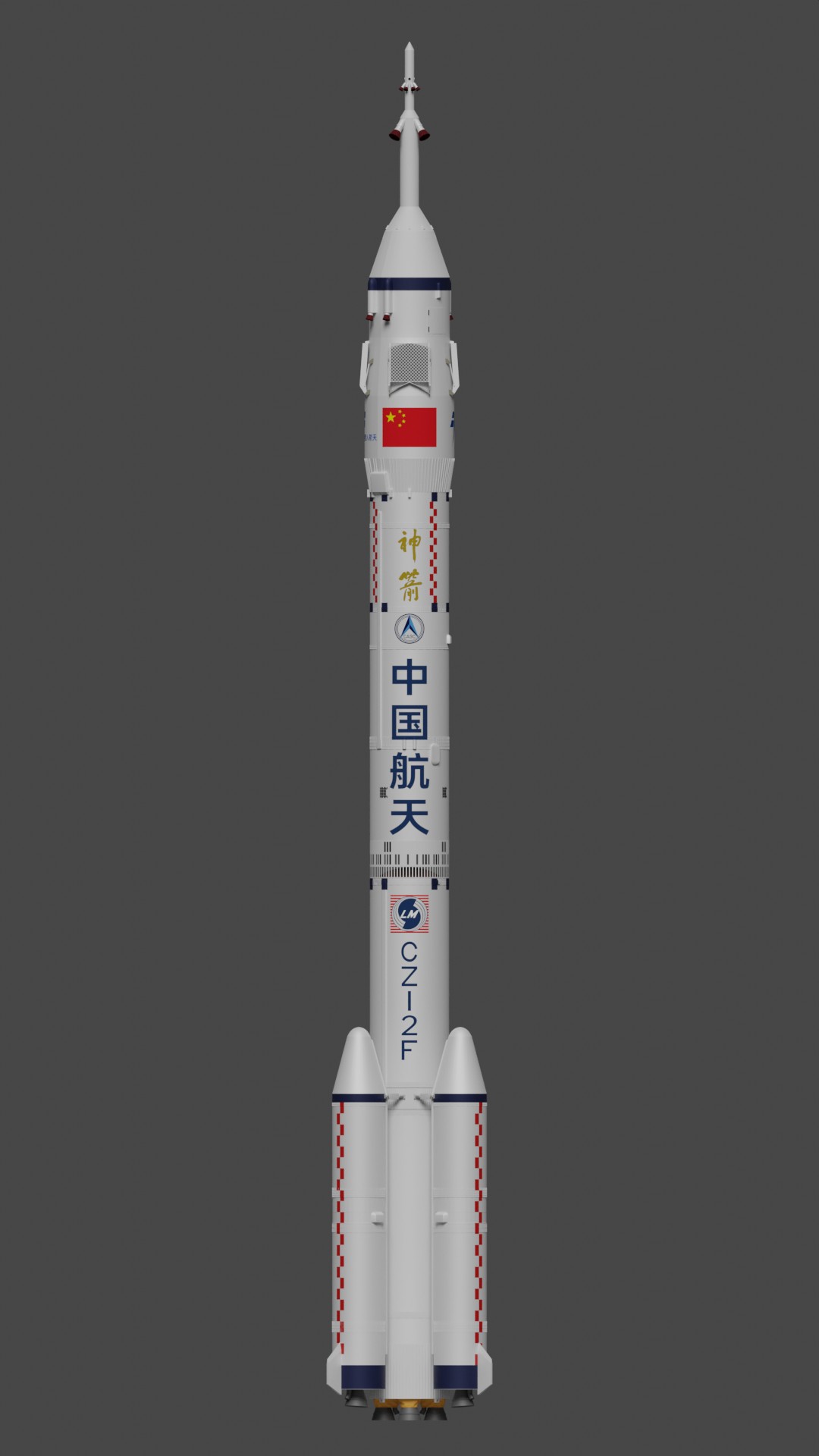
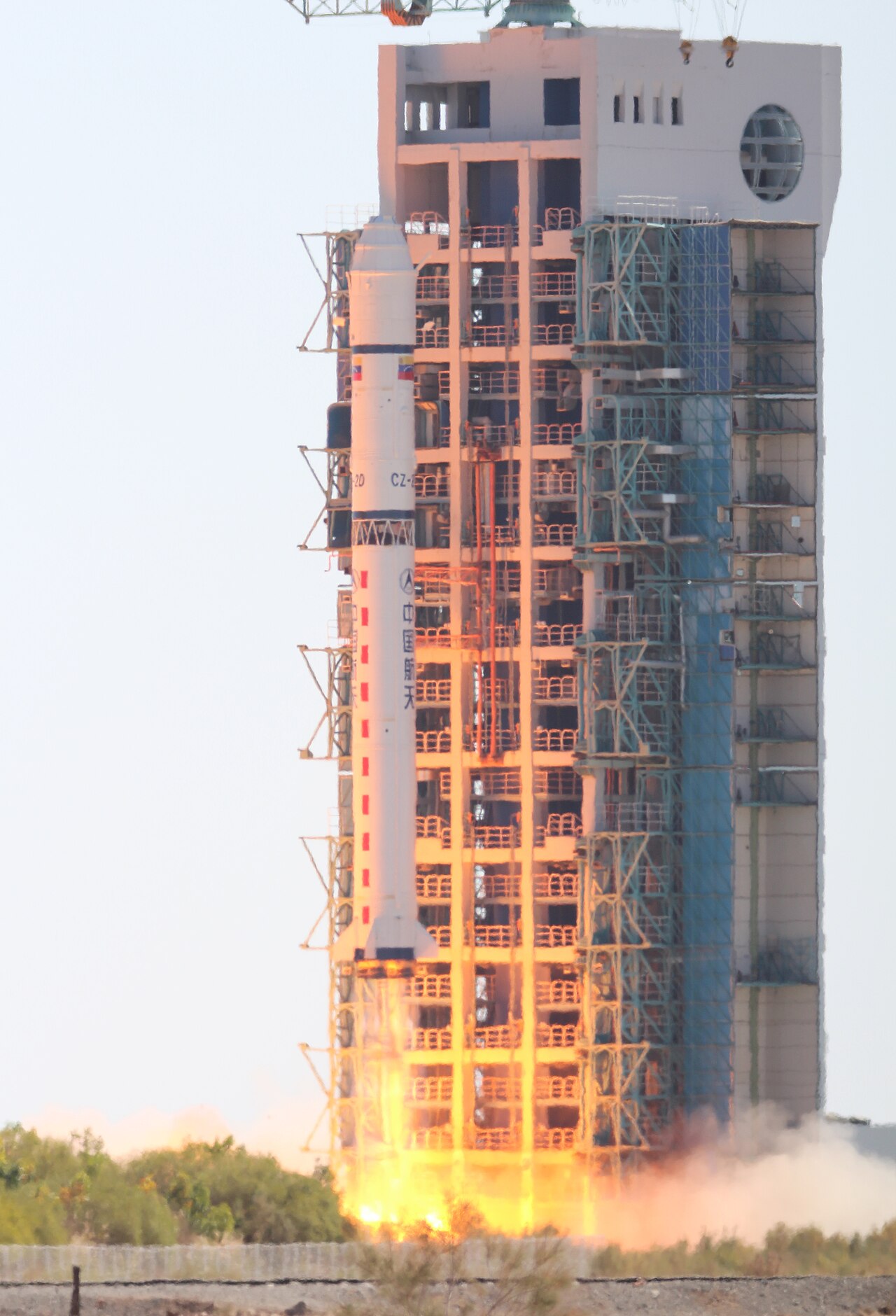
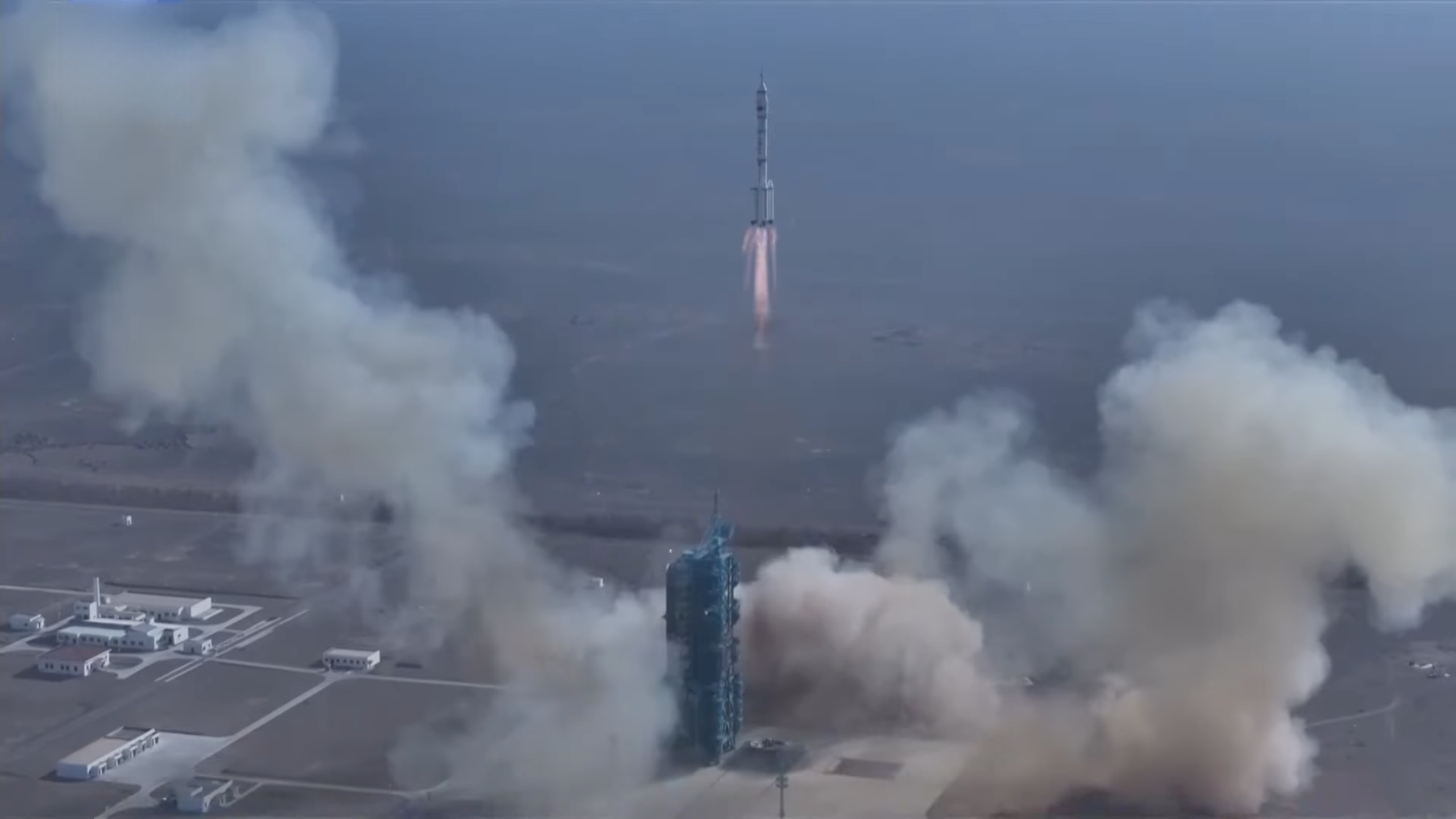
China’s manned space agency said on 7 November that a Pakistani astronaut will fly on the Shenzhou-24 mission to the Tiangong space station as a payload specialist, becoming the first foreign national to fly on a Chinese crewed spaceflight. The announcement confirms the mission designation, Shenzhou-24, and the payload-specialist role, details that Beijing had not confirmed when Pakistan’s planning minister, Ahsan Iqbal, set a 25 November launch date on 18 October.
The China Manned Space Agency (CMSA) said the Pakistani astronaut will spend several days in orbit and return to Earth aboard the Shenzhou-23 spacecraft, according to a statement reported by state broadcaster CCTV and carried by China Daily. The agency did not name which of the two Pakistani candidates will fly.
Reuters, in a report carried by Geo News, said the Pakistani flyer would be the first foreign visitor to the station and that the mission would be the first joint spaceflight involving Chinese and foreign astronauts in the history of China’s manned space programme. It also said Beijing had not announced the date of the mission.
What changed since October
The new element is the Chinese space agency’s formal assignment of a Pakistani astronaut to a named mission. Until 7 November, the public record on the mission’s timing and crew assignment rested mainly on Pakistani statements. On 18 October, Iqbal said the country’s first astronaut would launch from China on 25 November, as KhabarWire reported at the time. That account noted that neither the CMSA nor the Chinese space programme had confirmed the date, the launch vehicle or the chosen flyer.
Saturday’s announcement fills part of that gap. It establishes that the mission is Shenzhou-24, that the Pakistani participant will serve as a payload specialist rather than as a pilot, and that the return leg will be on Shenzhou-23. China Daily also reported that the CMSA published the mission emblem on the same day.
It does not resolve the two questions that matter most for planning: who will fly and when the launch will take place. The CMSA statement referred only to “the coming Shenzhou XXIV spaceflight” and to “this year’s” mission in the Reuters account. Neither gives a calendar date. The 25 November date therefore remains a Pakistani ministerial announcement, not a Chinese confirmation.
Who is in line to fly
Pakistan’s two astronaut candidates are Muhammad Zeeshan Ali and Khurram Daud, both pilots. They were selected after a three-stage process and have spent months at the China Astronaut Research and Training Centre in Beijing, according to the Reuters report.
China Daily, citing the CMSA, said one of the two will join the Shenzhou-24 crew after completing training and assessments, while the other will serve as backup. The agency has not said which man has been chosen. The arrangement follows a February 2025 agreement between the CMSA and Pakistan’s Space and Upper Atmosphere Research Commission (Suparco), which opened the selection and training programme.
The mission would be Pakistan’s first human spaceflight. China Daily noted that the highest altitude a Pakistani has reached is about 87.4km, by polar adventurer and artist Namira Salim during a Virgin Galactic suborbital flight on 6 October 2023. That is below the Karman line at 100km, the commonly used threshold for outer space. A successful Shenzhou-24 flight would take a Pakistani above that line and into orbit for the first time.
Why the mission matters
For Pakistan, the flight is primarily a scientific and symbolic milestone. The payload specialist role is built around experiments rather than spacecraft operation, and Suparco has said the mission will carry work selected from Pakistani universities. KhabarWire’s September report on the training programme set out the four biotechnology experiment areas that Chinese reviewers selected and the plan for the Pakistani flyer to operate them aboard Tiangong.
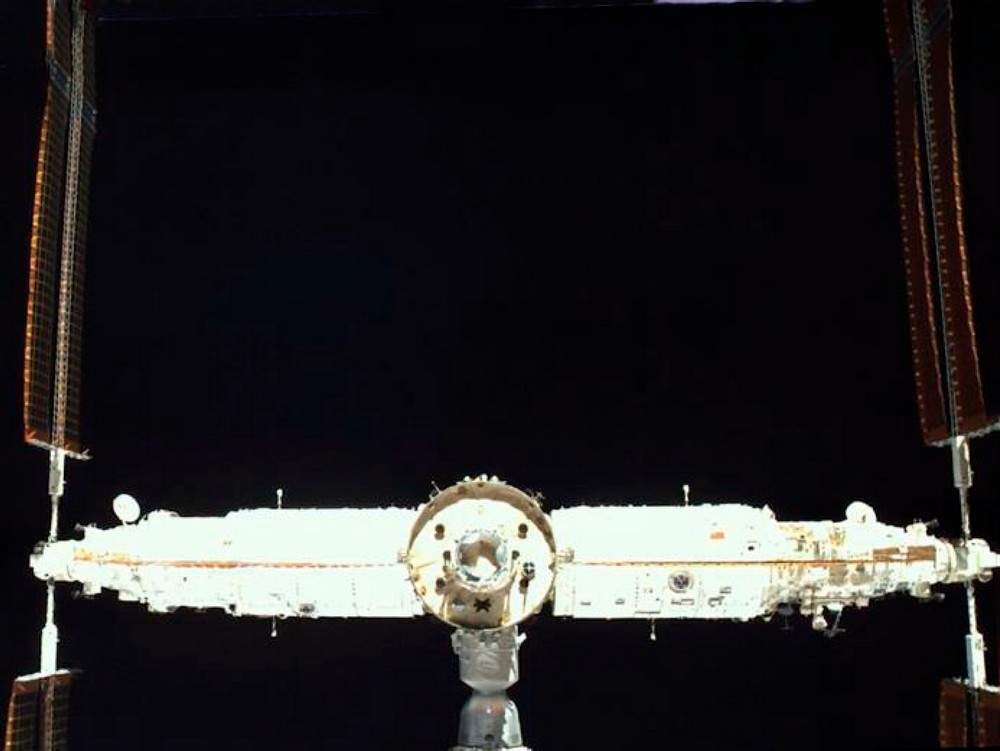
The mission also fits China’s wider space diplomacy. Tiangong is the only operational space station independently built by a single country, according to China Daily, and a foreign astronaut’s visit gives Beijing a visible example of the programme’s international reach. The Reuters report placed the cooperation within the Belt and Road Initiative.
The limits of the arrangement are equally clear. Pakistan has no independent launch vehicle or crewed spacecraft, so the mission depends on Chinese hardware, training facilities, launch operations and language. The same dependence shapes the parallel lunar strand: Pakistan’s 35kg rover, Jinnah-1, is due to fly on China’s Chang’e 8 mission around 2028, according to The Independent, a project KhabarWire has previously reported. The Shenzhou-24 flight is a shorter, near-term step within that broader partnership.
What is still uncertain
The most important unknown is the launch date. The CMSA has not published one, and the Reuters report said Beijing had not announced it. If the 25 November date holds, the mission would follow the one-year cadence set by the Shenzhou-22 launch on 25 November 2025, but that is an inference from the calendar, not a confirmation from the Chinese agency.
The identity of the flyer is also unresolved. Both candidates remain in the frame, and the CMSA has said only that one will fly and the other will be the backup. The composition of the Shenzhou-24 crew, the experiments’ principal investigators and the precise duration of the Pakistani astronaut’s stay have not been published by the CMSA or Suparco.
A further question is how the return arrangement will work in practice. The CMSA says the Pakistani astronaut will come home on Shenzhou-23, rather than on the Shenzhou-24 vehicle that would carry the mission’s crew to the station. That is consistent with a short-duration visit in which the departing crew and the visitor return together, but the agency has not set out the sequence publicly.
What is established is narrower than the headline might suggest. China has confirmed that a Pakistani astronaut will fly on Shenzhou-24 as a payload specialist and return on Shenzhou-23. It has not named the astronaut, fixed the launch date or published the full mission manifest. Those details will determine whether the October timetable survives contact with the launch campaign.