Reporting snapshot · 18 October 2026. Federal Minister Ahsan Iqbal said the launch will take place from China's space centre on 25 November 2026. Neither the chosen astronaut, the launch vehicle nor a CMSA confirmation has appeared publicly.
What happened
Pakistan’s first astronaut will embark on a space mission from China’s space centre on 25 November 2026, Federal Minister for Planning, Development and Special Initiatives Ahsan Iqbal said on 18 October, ending weeks of uncertainty about when the country would fly its first human being to space.
Speaking at the closing ceremony of World Space Week 2026 in Narowal — held for the first time in collaboration with the Space and Upper Atmosphere Research Commission (Suparco) — Iqbal set out the 25 November date and tied it to a longer horizon: Pakistan aims to reach the Moon by 2035 with Chinese help. He also announced plans to establish Pakistan’s first Space Museum at the University of Narowal, “to promote scientific awareness and inspire the next generation to pursue space science and technology,” according to a Press Information Department release.
The minister’s remarks, confirmed by state-run Radio Pakistan, give the previously vague “late-2026” mission its first firm date. They mark the clearest external statement of intent from a Pakistani official since Suparco told Reuters on 28 September that a final pilot-selection decision was expected in mid-to-late October — a decision that, as of the editorial cutoff, has not been publicly announced.
What is now on the calendar
The 25 November date is consistent with two earlier technical pointers that KhabarWire has documented. The Pakistan Human Spaceflight Programme, established under a February 2025 agreement between Suparco and the China Manned Space Agency (CMSA), trained Muhammad Zeeshan Ali and Khurram Daud at the Astronaut Centre of China in Beijing. The 28 September Suparco briefing to Reuters said the chosen flyer would serve as a “payload specialist” on a roughly week-long visit to the Tiangong space station — the first time a foreign national would fly on a Chinese crewed vehicle.
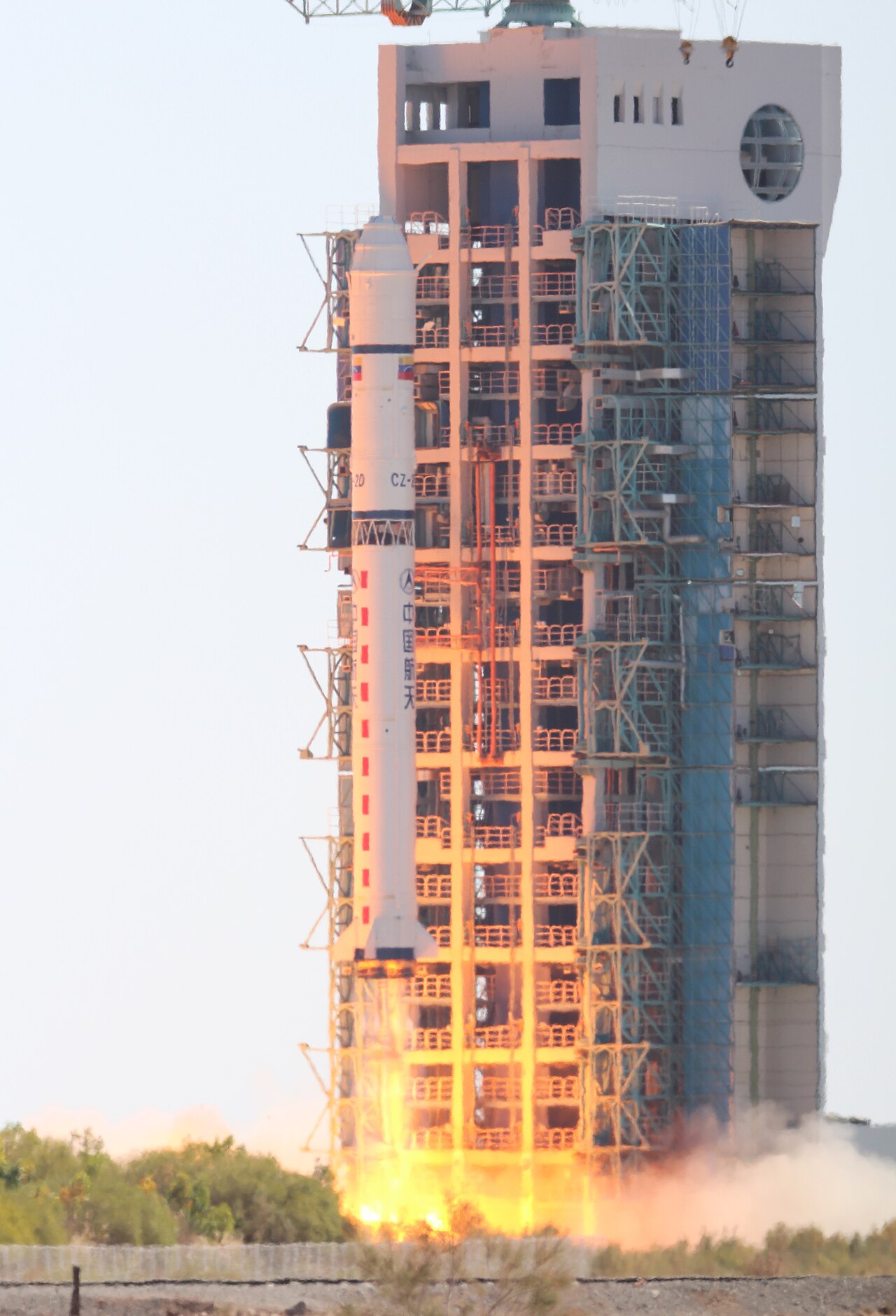
The April 2026 announcement of the two named candidates also noted that the prior Chinese resupply mission, the unmanned Shenzhou-22, was launched on a Long March 2F from Jiuquan on 25 November 2025 — a one-year cadence that would now be matched by the November 2026 launch the minister has cited.
The flight, if it proceeds as announced, would make Pakistan the 51st country to put a citizen in space. Only three nations — Russia, the United States and China — have launched crewed vehicles of their own, and the Shenzhou programme’s foreign astronaut debut would be a quiet first on the crewed-vehicle side of that list.
What is still uncertain
Several core facts remain open at publication time. CMSA has not, in public statements reviewed on 18 October, confirmed the 25 November date or the launch vehicle. The chosen pilot between Zeeshan Ali and Khurram Daud has not been named. The four experiments that Suparco fielded from universities in Karachi, Lahore and Islamabad — biotechnology projects picked by Chinese reviewers for “food insecurity and climate change” themes — have not been published with principal investigators or experiment titles.
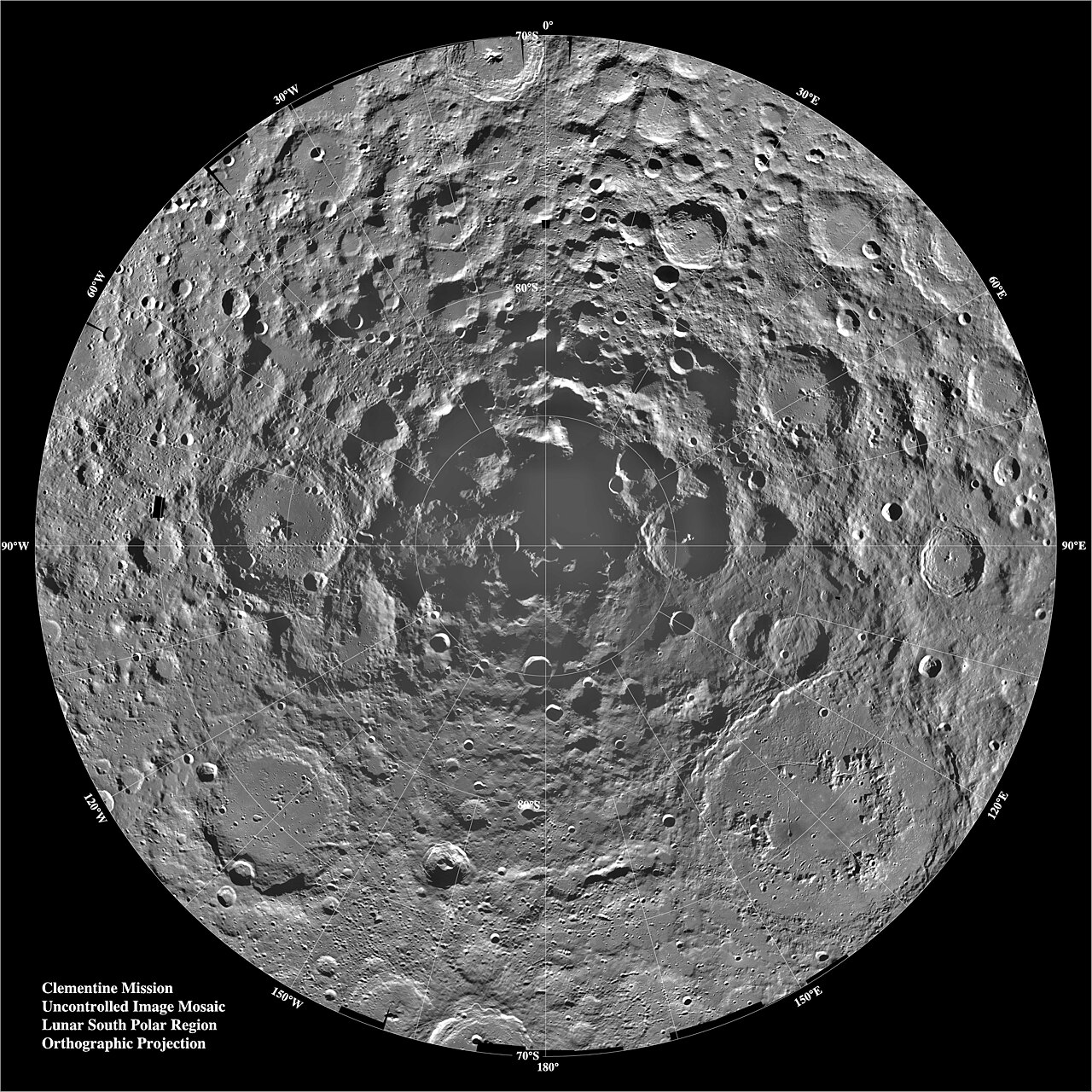
Two other questions touch Pakistan’s broader space programme. The Pakistan-supplied lunar rover, intended to fly on China’s Chang’e 8 around 2028 and named Jinnah-1 in earlier Suparco briefings, will not be ready in time for the November flight but remains a parallel strand of the cooperation. The 2035 lunar-landing target announced on 18 October is, in Iqbal’s own phrase, a date for cooperation with China rather than a published programme with budgeted milestones; no Pakistani lunar lander or crew vehicle exists today, and the mission would again depend on Chinese launch infrastructure.
Much of the public English-language reporting on the Narowal announcement — including short Pakistan Today, Minute Mirror and other republished items indexed on 18 October — repeats the Radio Pakistan wire copy. The Express Tribune’s version adds context on the payload-specialist role and the lunar-rover strand; it does not independently confirm the November date.
What can be said with confidence on 18 October is narrower than the announcement suggests: a Pakistani federal minister has named a date, the two Pakistani pilots remain in training, and no contradicting Chinese-source date has appeared. Whether November 25 holds, whether CMSA confirms it, and whether the chosen pilot is named in time for launch all remain to be confirmed.
What depends on the November flight
The mission’s significance is two-fold. It is Pakistan’s first human spaceflight, an event long framed as the country’s symbolic entry into crewed space despite decades of satellite work through Suparco, and it is the first time China will carry a foreign astronaut on one of its own crewed spacecraft — a step that officials in Beijing have characterised in earlier CMSA statements as “a landmark in the history of China’s space industry” and an “iconic achievement of international cooperation”.
For Pakistan, the practical value rests on the four payload-specialist experiments rather than the flight itself. Each was built and pre-tested in Suparco’s own laboratories before Chinese engineers signed off — an arrangement one Suparco director described to Reuters in September as “a rare case” of Pakistani technology being validated on an international platform. The roughly week-long stay also leaves time on station for the chosen Pakistani flyer to operate the payload, communicate with ground stations in Mandarin and return alongside two members of the existing Chinese crew.
The Narowal Space Museum, announced in the same speech, is a separate, education-focused strand. It is intended to sit at the University of Narowal — which Iqbal noted had taken first place at the Islamabad Science Festival — and to act as a public-facing complement to Suparco’s existing Institute of Space Technology and university-level facilities. The minister framed it as part of an effort to “restore Pakistan’s leadership in knowledge and research” by encouraging young people to study space science, echoing the broader narrative he set out in repeated references to the Holy Quran’s encouragement of reflection on the universe.
What comes next
Within the next two weeks the story’s most-watched items are the naming of the chosen pilot, any CMSA press notice confirming the launch date, and the publication of the four experiments with their Pakistani principal investigators. Pakistan’s daily and weekly outlets will, in the meantime, republish the Radio Pakistan account of the Narowal remarks.
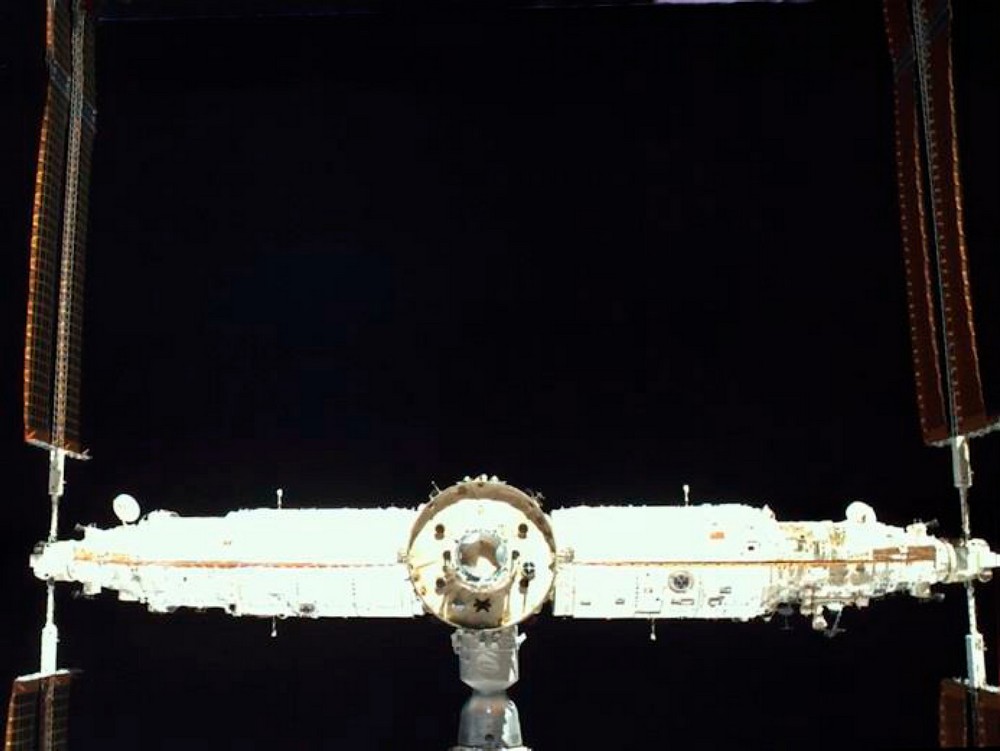
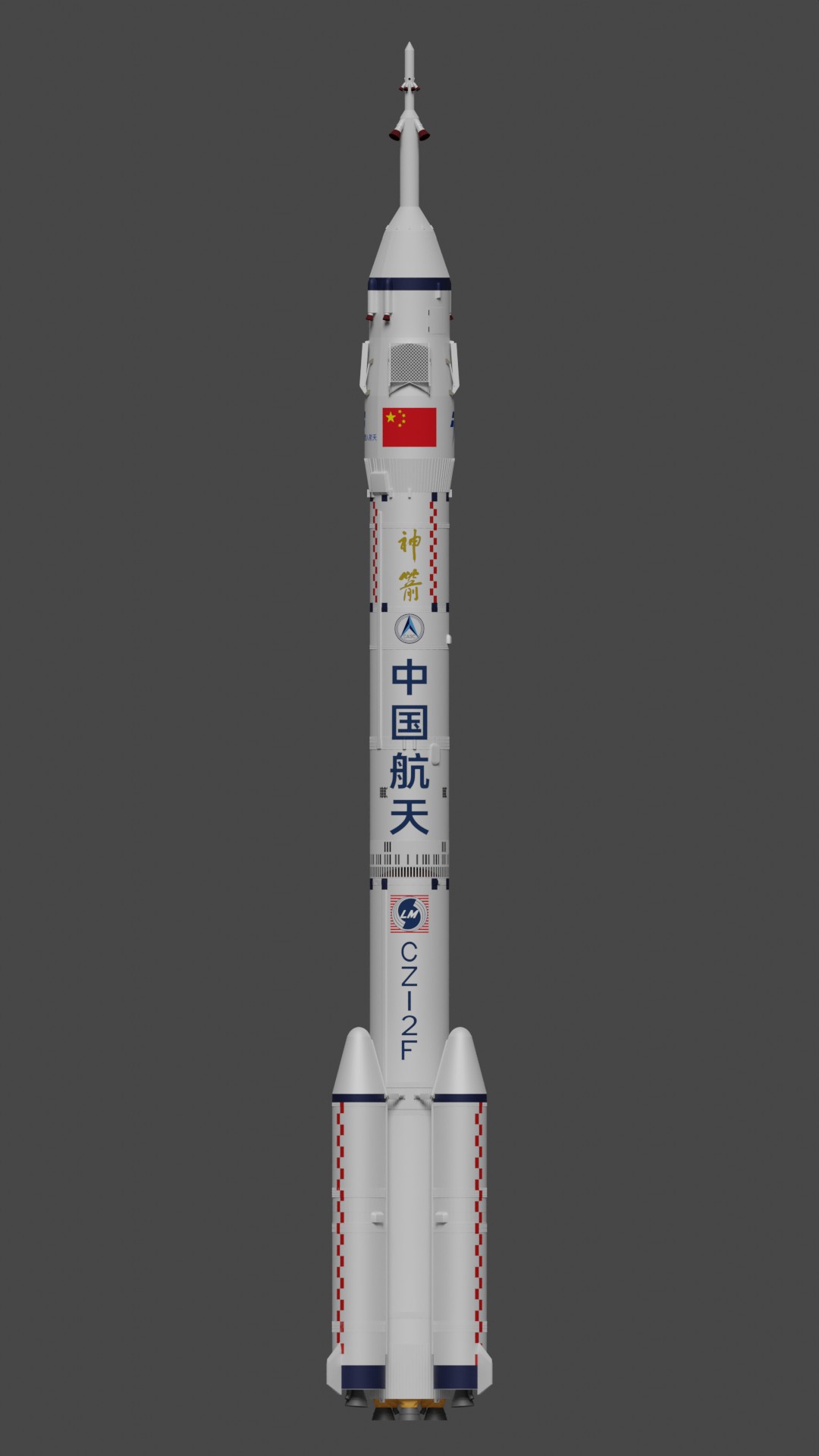
If the November 25 date holds, the Long March 2F rocket will lift off from the Jiuquan Satellite Launch Centre in north-western China with the chosen Pakistani payload specialist aboard a Shenzhou spacecraft. The crew will dock with the Tianhe core module of the Tiangong station, conduct the four biotechnology experiments and return to Earth after roughly a week. The third Chinese crew member aboard the station since May will remain on Tiangong for a year-long stay that supports long-duration human-physiology research.
That timeline — should it survive the gap between announcement and lift-off — would make Pakistan the first foreign national to fly on a Chinese crewed vehicle and bring the country’s first human spaceflight to a close inside 2026. A separate, much longer programme — Pakistan’s 2035 lunar-landing ambition — now sits in the public record alongside the November date, dependent on Chinese launch hardware and budget commitments that have not been disclosed.
Sources & reporting notes
This is a synthesis of published material, not eyewitness reporting. Sources were reviewed on 2026-10-18.
- Press Information Department (PID), Government of Pakistan — Pakistan's First Astronaut to Embark on Space Mission on November 25; Moon Landing Target Set for 2035Published 18 October 2026 · Primary government source for the 25 November date and the 2035 lunar target; press release PR No. 289 attributes both to Federal Minister Ahsan Iqbal's address at the World Space Week closing ceremony in Narowal and announces the planned Space Museum at the University of Narowal.
- The Express Tribune — Pakistan to launch first astronaut into space from China on Nov 25: Ahsan IqbalPublished 18 October 2026 · Independent allowlisted Pakistani newspaper report confirming the date and World Space Week context, with additional Reuters-sourced context on the payload-specialist role, the four experiments and the Chang'e 8 lunar-rover strand.
- Radio Pakistan — Pakistan's first astronaut to embark on space mission in November 2026: AhsanPublished 18 October 2026 · State-run wire account of the minister's Narowal speech; underpins the same text used by domestic outlets and is the source for the quoted "Pakistan aims to achieve a lunar landing by 2035" line.
- Geo News — Pakistan's space dream nears liftoff as China prepares to choose first astronautPublished 28 September 2026 · Allowlisted Pakistani republication of the Reuters exclusive by Saad Sayeed and Ariba Shahid, which first detailed the Beijing training, the payload-specialist role, the four experiments and the previously expected mid-to-late October pilot-selection decision that this article updates.