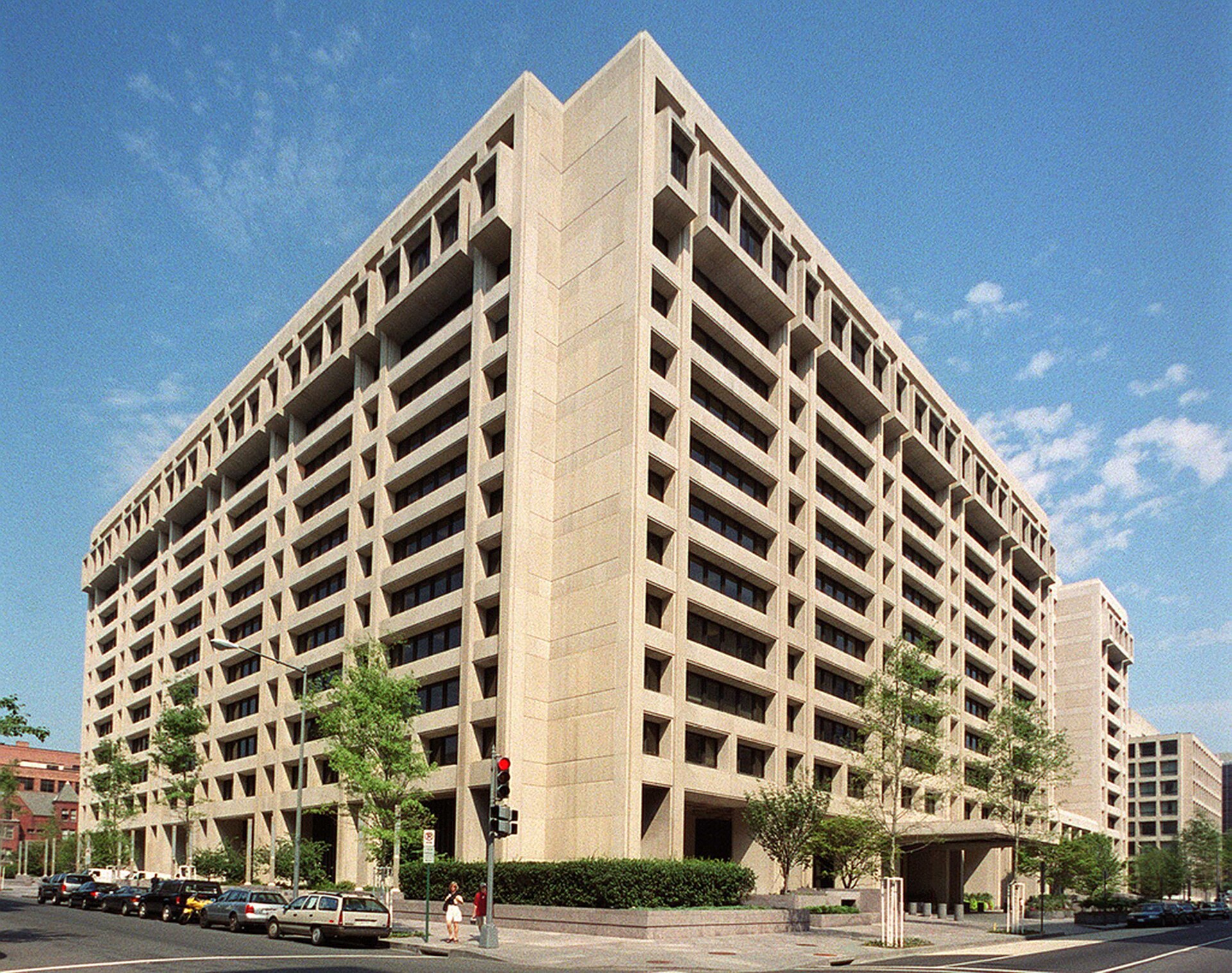
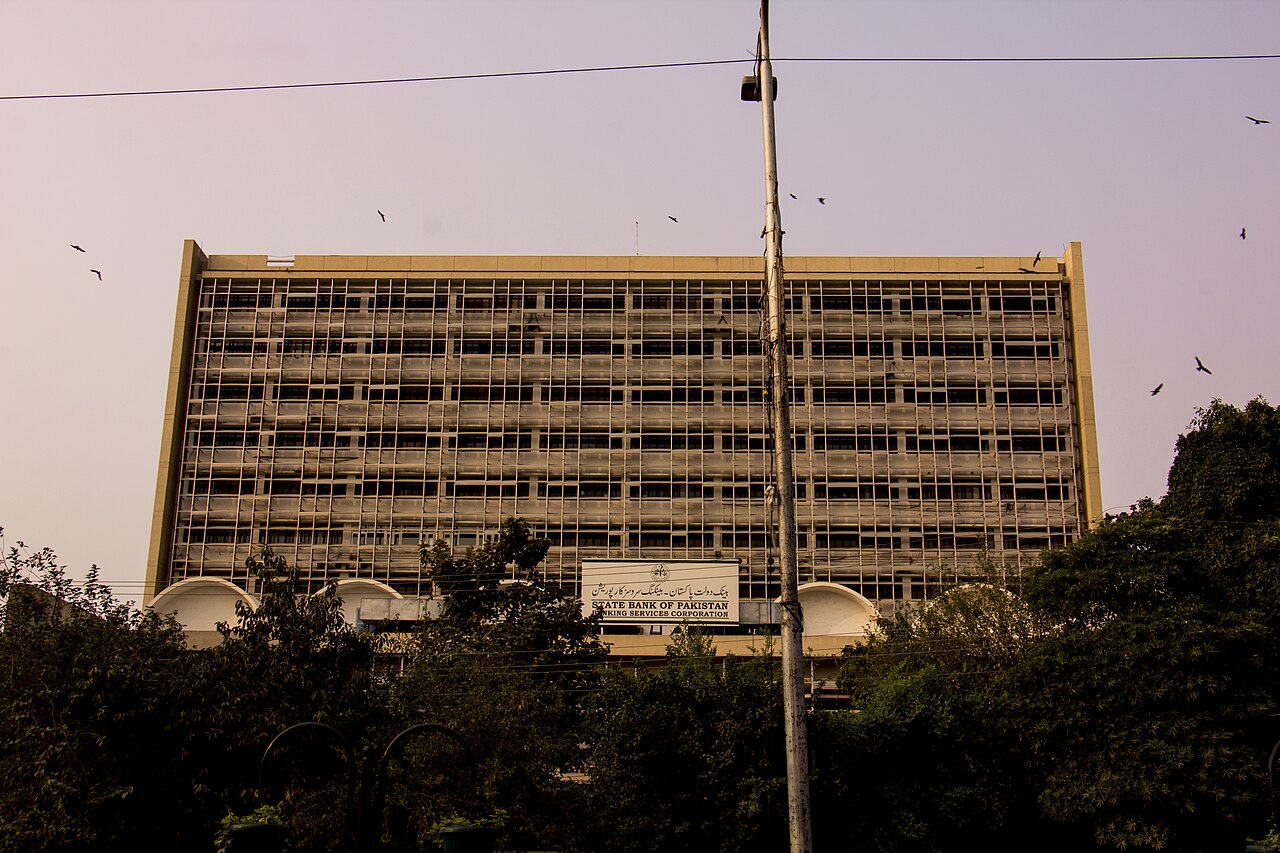
Reporting snapshot · 23 October 2026 (Asia/Karachi). The figures below are the World Bank's own projections in its Pakistan Development Outlook, published on 22 October, not outcomes. Growth, exchange-rate and current-account forecasts for a two-year horizon will be revised as data arrives, and the bank has not published a full country forecast table in the reporting reviewed here. Where the World Bank and the IMF differ on Pakistan's current account, both figures are shown with their publication dates rather than reconciled.
What happened
The World Bank projected Pakistan’s economy will grow 4.2% in the fiscal year 2027-28 and 4.4% in the 2029 election year, and said that pace is too slow to absorb the roughly 3.6 million people who reach working age in Pakistan every year. The projections were published on Thursday, 22 October, in the lender’s Pakistan Development Outlook, which The Express Tribune reported the same day.
For the current fiscal year, 2026-27, the bank projected growth of 3.8%, slightly below the government’s 4% target, according to the same report. Sebastian Essl, the report’s lead author, put the ceiling plainly: the medium-term growth rate does not seem likely to go beyond 4.5%, “which is too low to create enough jobs,” The Express Tribune reported.
The report’s central recommendation was about the currency. The bank said rupee-dollar parity was not responding freely to market conditions, and that a fully flexible, market-determined exchange rate would better serve Pakistan’s development needs by buffering external shocks, supporting private-sector confidence and preventing a gradual loss of competitiveness. Its assessment was blunt: central-bank intervention creates temporary stability but leads to disruptive adjustments, deters investment and undermines confidence, The Express Tribune reported.
Why the currency argument matters more than the growth number
The stability the bank criticises is measurable. The average rupee-dollar rate was Rs280.4 in FY26 against Rs279.4 the previous year, and the bank’s measure of competitiveness adjusted for inflation — the real effective exchange rate — appreciated 10% between the end of June 2025 and July 2026, The Express Tribune reported. Over the past two fiscal years the rupee’s standard deviation sat below Rs2, about 0.6% of its longer-term average, held through repeated terms-of-trade shocks including lower rice export prices and import-price spikes tied to the Middle East conflict.
The bank did not present that stability as neutral. It cited cross-country evidence across 50 emerging markets from 1980 to 2011 showing that less flexible exchange-rate regimes were associated with greater vulnerabilities and more frequent macroeconomic crises, and that rigid regimes absorb shocks worse, with negative terms-of-trade shocks causing larger output losses under fixed regimes than under flexible ones, The Express Tribune reported.
That advice lands in the middle of a live policy disagreement. The same day, the International Monetary Fund’s Middle East and Central Asia regional report said Pakistan’s external position should weaken as imports rise and remittances moderate, and urged exchange-rate flexibility to preserve reserves while warning that it could add to inflation through higher import prices, according to The Express Tribune’s report on the IMF findings.
The two institutions also disagreed on the size of the external gap. The IMF projected Pakistan’s current account deficit at about 1% of GDP, roughly $4.5 billion, well above official estimates of around $2.5 billion, and put gross financing needs at 22% to 25% of GDP. The World Bank’s outlook separately projected the current account deficit widening in the current fiscal year as recovering demand kept import growth ahead of exports, with remittances the key offset, and put average near-term external financing needs at around 5% of GDP.
The government’s own position has been to resist depreciation. It has projected imports of $70 billion this fiscal year and remittances of $45.5 billion, while exports have not grown despite years of incentives to selected exporters, The Express Tribune reported.
Jobs and poverty
The bank’s framing was about jobs rather than the headline rate. Its lead author said the projected pace could not create enough employment for the 3.6 million people entering the labour market annually. World Bank Country Director for Pakistan Bolormaa Amgaabazar acknowledged real progress in restoring stability — “Pakistan has made real progress in restoring stability and markets have taken notice” — but said real per capita growth, the rate at which the income of an average Pakistani increases, remains stuck at around 1.6%, The Express Tribune reported.
On poverty, the report traced an increase from 22% in 2019 to 29% in 2025 and said reforms to reverse it were urgently required. KhabarWire reported the 2026 Global Hunger Index separately, which scored Pakistan’s worsening position on a different measure.
The bank also set out what it thought would work. Reforms that upgrade policies and institutions to the quality seen in the average middle-income country could drive sustained growth of up to 6.2% to 6.9% a year — enough, in the bank’s assessment, for Pakistan to reach Vietnam’s current income level by 2050, The Express Tribune reported.
The election-year instruction
The report’s most specific recommendation was procedural. With the IMF programme ending in September 2027 and national elections scheduled for early 2029, the bank said developing, publishing and effectively implementing a medium-term fiscal plan that preserves macroeconomic stability is critical to maintaining confidence. It pointed to past episodes of loosening the fiscal purse during election years.
This is a live constraint rather than a hypothetical one. KhabarWire reported that Pakistan will chair the IMF and World Bank boards in 2027, the first time since 1953, and separately tracks the current-account position and reserve rebuilding that any such plan would have to rest on.
What is still uncertain
Every growth figure here is a forecast for a period two to three years away, published alongside assumptions the bank itself flags. Its baseline assumes sound macroeconomic management with limited structural reform progress, elevated commodity and energy prices weighing on services and industry, and a Middle East conflict that affects Pakistan through the end of 2026 and de-escalates over 2027.
The bank identified the conflict as the most significant risk to the near-term outlook. A longer or deeper conflict would sustain elevated energy prices, raise the import bill, weigh on export demand and disrupt trade routes, widening the current account deficit and pressuring reserves. Intensified demand-management measures to contain energy shortages could deepen the drag on domestic activity, while sustained higher input costs would renew pressure on inflation and household purchasing power.
Whether the rupee advice is adopted is a separate question from whether it is sound. The government has been resistant on inflation grounds, and the IMF itself noted that greater flexibility could add to import-price inflation. The bank also warned that tighter global financial conditions could raise borrowing costs and reduce capital flows to emerging markets at what it described as a critical juncture for rollover financing.
Not every number in circulation agrees. The IMF has kept its Pakistan growth forecast unchanged at 3.5%, below the government’s 4% target and below the World Bank’s projection, according to the same IMF regional reporting. On inflation, the IMF projects 9.9% for Pakistan, 1.5 percentage points higher than its previous forecast, and reported inflation of 11.1% year on year in August. On the current account, the IMF’s $4.5 billion estimate and the government’s roughly $2.5 billion estimate differ substantially; both are recorded here with their dates rather than reconciled, because neither institution has published the working behind the gap.