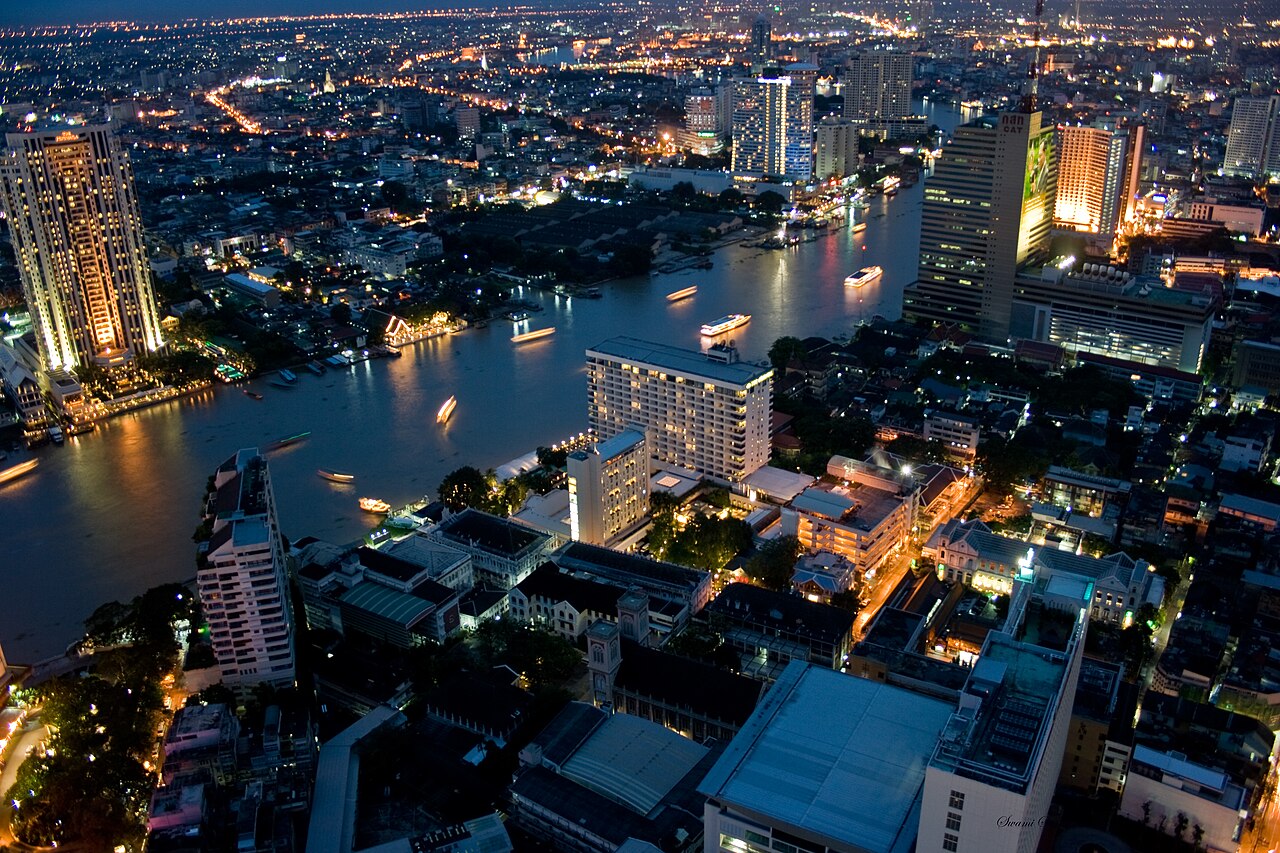
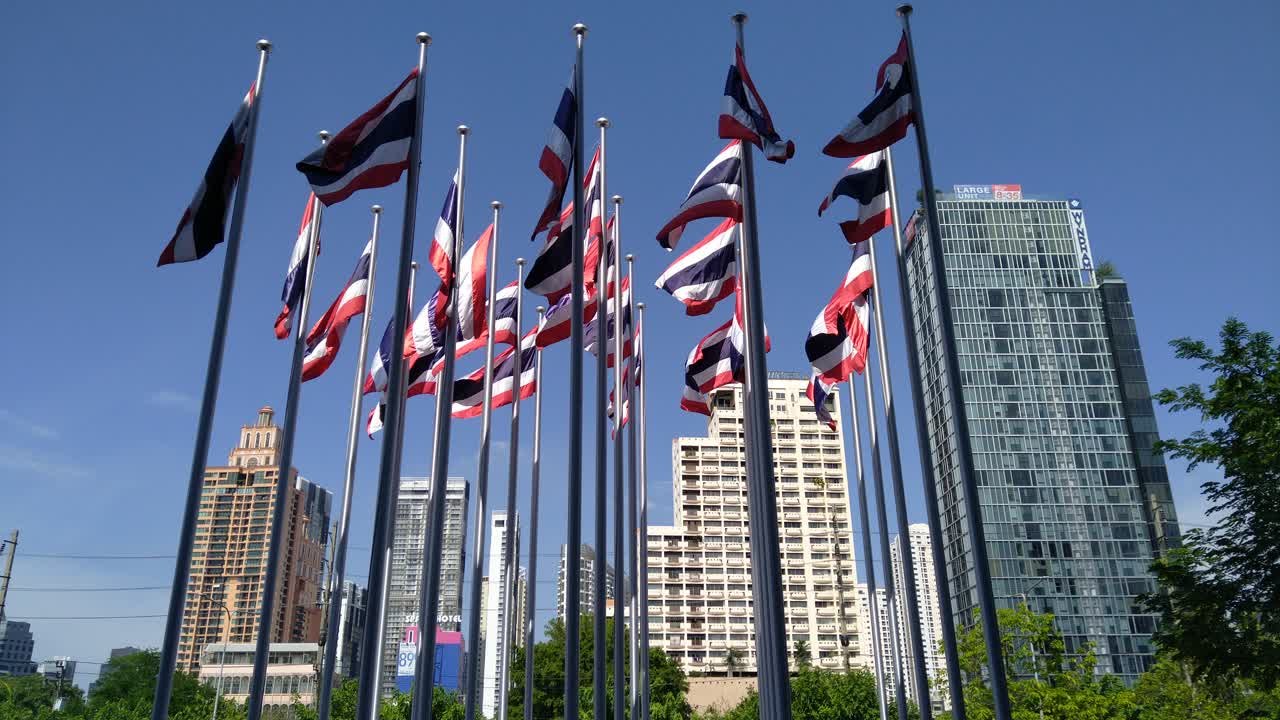
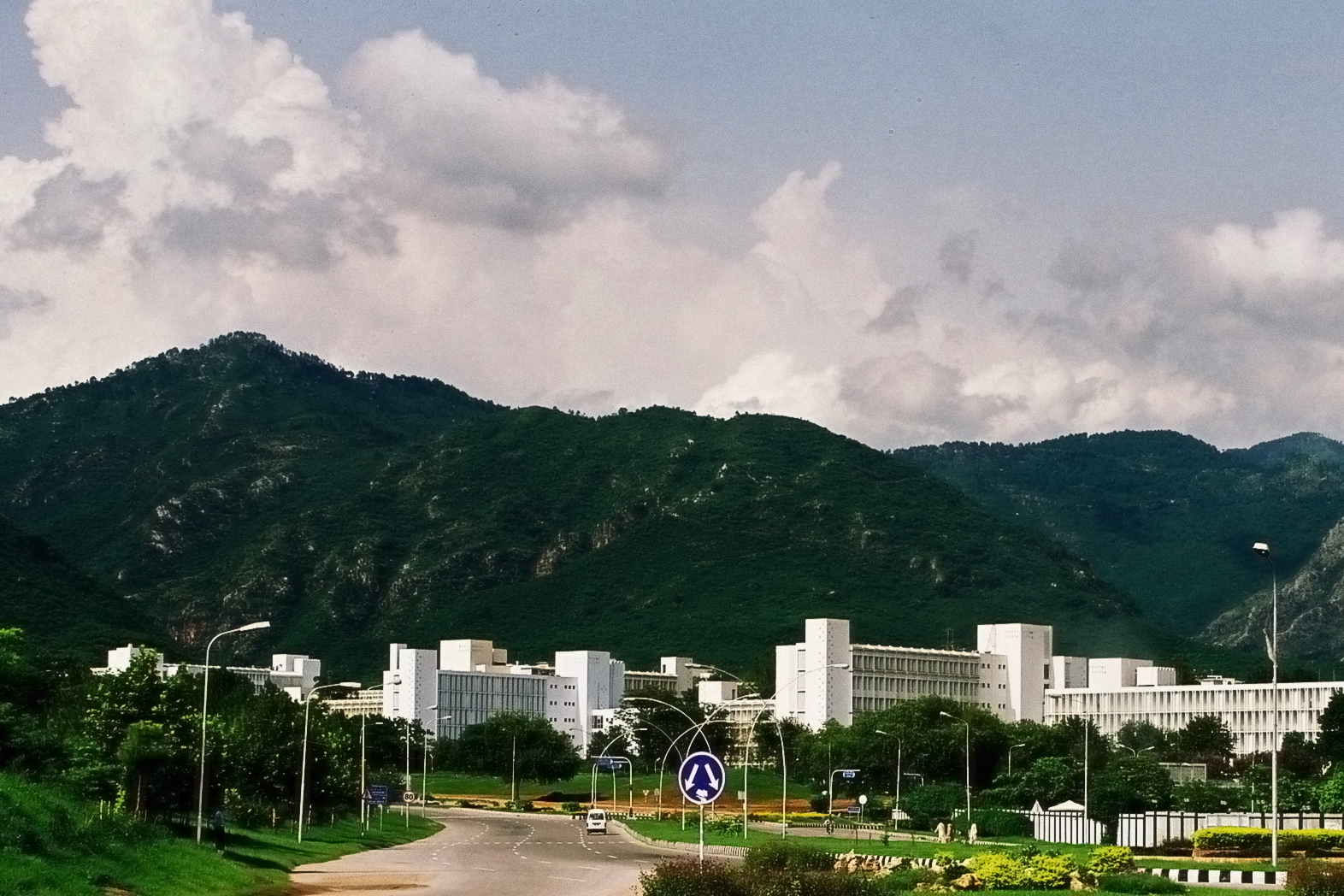
Reporting snapshot · 16 October 2026 (Asia/Karachi). The Ministry of Economic Affairs announced on 16 October that Federal Minister Ahad Khan Cheema will chair the boards of governors of the World Bank Group and the International Monetary Fund in 2027, Pakistan's first such chairmanship since 1953. The announcement was made during the plenary session of the 2026 WBG–IMF annual meetings in Bangkok. The chairmanship is a procedural role, not a direct policy lever over the country's IMF programme, but it gives Pakistan the right to set the agenda of the boards and to speak first at the year-end meetings. The WBG and IMF global newsrooms had not published a formal press release at the time of writing.
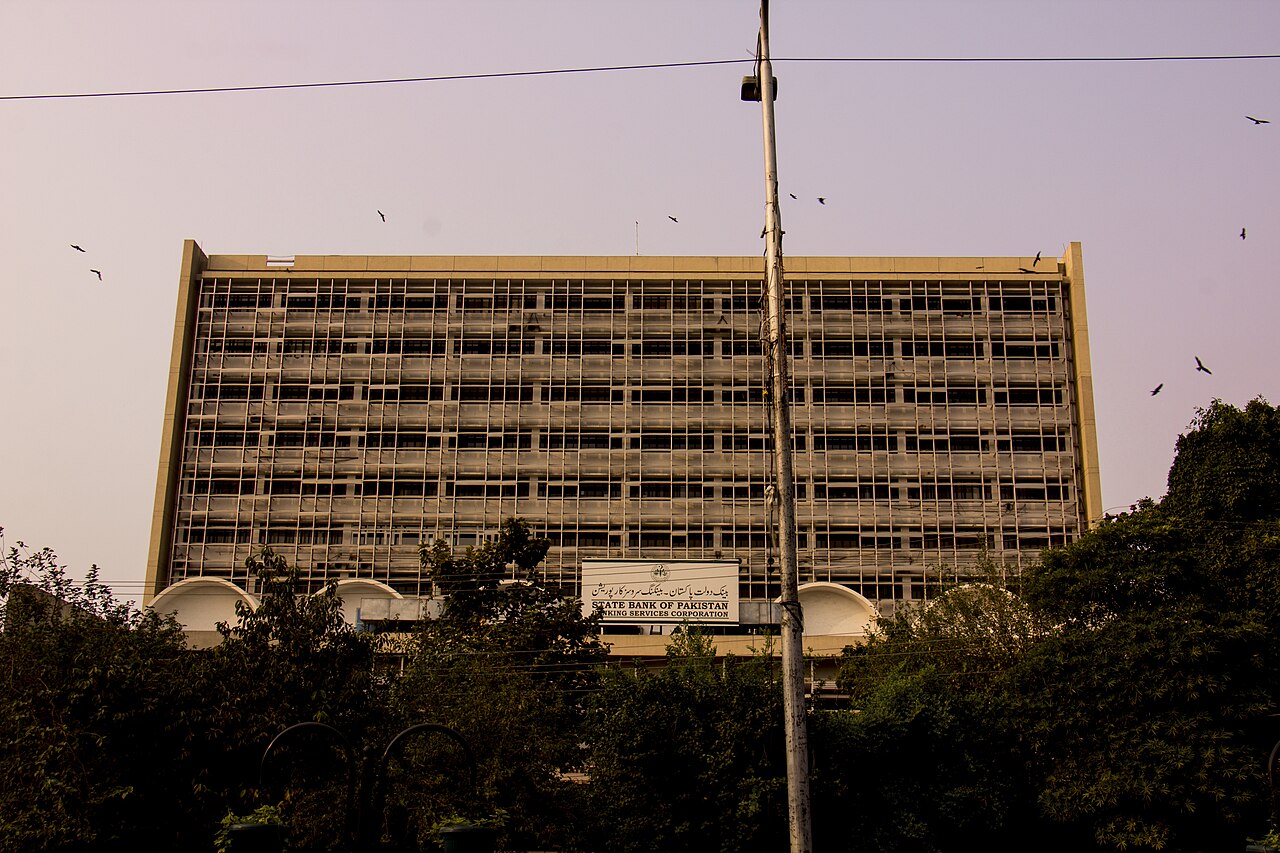
What happened
Federal Minister for Economic Affairs Ahad Khan Cheema was formally announced as the incoming chair of the boards of governors of the World Bank Group (WBG) and the International Monetary Fund (IMF) for 2027, according to a statement issued by the Ministry of Economic Affairs on 16 October. The announcement was made during the plenary session of the 2026 WBG–IMF annual meetings in Bangkok, The Express Tribune reported.
It is Pakistan’s first chairmanship of both boards since 1953, the Tribune added, citing the ministry statement. As chair, Cheema will preside over the WBG’s board of governors, the IMF’s board of governors, and the joint WBG–IMF Development Committee, which oversees the broader architecture of development finance between the two institutions. He is also Pakistan’s governor to the WBG.
Cheema was briefed by the WBG’s Corporate Secretariat on the responsibilities of the chairmanship following the plenary. He then met WBG Vice-President and Corporate Secretary Aradhana Kumar-Capoor to discuss institutional support and coordination during Pakistan’s tenure, Geo News reported, citing the same ministry statement.
Cheema also met the outgoing chair, Carlos Carvallo Spalding, governor of the Central Bank of Paraguay. Cheema congratulated Spalding on completing his term and the two discussed the year ahead. The ministry said Pakistan would use the year to amplify the voice of developing countries and ensure predictable development finance.
How the chair is selected
The boards of governors of the WBG and the IMF each comprise one governor and one alternate from every member country — typically the finance minister and the central-bank governor. By long-standing convention, which neither institution publishes as a formal rule, the chair rotates among country constituencies and is chosen by consensus at the start of each annual meeting cycle. The chair sets the agenda of the boards, presides at their meetings and represents the governors between sessions.
It is a procedural rather than a policy role: the chair does not direct the executive boards, which handle day-to-day lending and surveillance, and does not negotiate country programmes. Pakistan last held the chair in 1953, in the early years of both organisations, so the 2027 term is being described by the ministry as the first such appointment in 73 years.
What Cheema said
The 2027 chair’s priorities are strengthening the voice of developing countries, promoting predictable development financing, enhancing coordination among multilateral institutions, and mobilising private capital for sustainable growth. Cheema reaffirmed Pakistan’s commitment to working with the WBG, the IMF and member countries to make the institutions more responsive to developing countries.
The language echoes statements by Finance Minister Muhammad Aurangzeb in his meetings on the sidelines of the annual meetings. Aurangzeb, who is leading Pakistan’s delegation, has highlighted the fiscal deficit falling to a 22-year low, three consecutive years of primary surpluses and rebounding foreign-exchange reserves, KhabarWire reported. The two roles are distinct: Aurangzeb’s previous-day acceptance of the G-24 chair is a separate appointment, KhabarWire reported; Cheema holds the WBG–IMF chair.
Why it matters
The chairmanship gives Pakistan a procedural advantage during a year when both institutions face heavy work. The IMF is in the middle of a multi-year EFF programme with Pakistan worth about $7 billion and is conducting country reviews for many borrowing members amid slowing global growth, KhabarWire reported. The WBG is confronting its own squeeze — it acknowledged in early October that it is in crisis-aid talks with dozens of nations amid global shocks, The News International reported.
The chair’s leverage does not change Pakistan’s programme. The IMF’s executive board, not the board of governors, approves programme reviews and disbursements, and Pakistan’s current EFF arrangement has reviews still to complete. The chair’s role is to convene, not to vote. But the chair’s government does set the agenda at the next annual meetings, hosts opening events and shapes the discourse through G20, WBG–IMF Development Committee and IMFC plenary sessions.
Pakistan’s signalling matters, too. The fiscal consolidation since the 2023 balance-of-payments crisis — primary surpluses for three years, a smaller deficit and rebounding reserves — gives Pakistan credibility to argue for a larger voice in how the institutions lend, according to Aurangzeb’s remarks as reported by the Tribune.
Pakistan’s wider week in Bangkok
The chair announcement comes against a busy backdrop of Pakistan-led events at the 2026 annual meetings:
- The IMF executive board on 14 October raised Pakistan’s FY27 inflation outlook to 9.9% and held growth at 3.5%, a number Aurangzeb’s team has disputed as too cautious.
- Aurangzeb accepted the G-24 chair on 14 October and pledged repeated Panda and samurai bond issuance and a 30% EV share by 2030, KhabarWire reported.
- The Pakistan Borrowers’ Platform, a group of around 30 low- and middle-income borrowers, held its first chair handover on 13 October, KhabarWire reported.
The combination of seats gives Pakistan an unusually loud voice in the year ahead. Whether that voice translates into concrete policy change will depend on the country’s own economic year, not the seats it occupies.
What is still uncertain
The biggest open question is what the chair will actually do. Cheema’s stated priorities map onto debates already live in both institutions. Converting procedural leverage into institutional change will require building coalitions across country constituencies and the executive boards, work that begins only after the formal handover on 1 January 2027.
Pakistan’s domestic programme will also matter. The IMF’s fourth review of Pakistan’s $7bn EFF programme, launched in late September, has surfaced a Rs1.675 trillion power circular-debt breach in the staff’s first MEFP draft and a Rs370bn health- and education-spending gap, KhabarWire reported. Pakistan’s MEFP response is due before the staff-level agreement. The chair cannot resolve these issues, but the country’s negotiating position is shaped by its standing in Washington.
Finally, the formal handover depends on the WBG and IMF publishing their customary communiqués at the end of the annual meetings cycle. Their global news pages had not posted a confirmation of the 2027 chair at the time of writing. Until those are published, the chairmanship rests on Pakistan’s own statement and on the Tribune and Geo News reporting cited above.
Sources & reporting notes
This is a synthesis of published reporting, not eyewitness reporting. Sources were reviewed on 16 October 2026 (Asia/Karachi). The 2026 IMF–WBG annual meetings opened in Bangkok on 12 October and run until 18 October; the chair announcement was made at the plenary session on 16 October.
- The Express Tribune — "Pakistan to chair IMF, World Bank boards in 2027 for first time since 1953"Published 16 October 2026 · The Ministry of Economic Affairs statement, the first-since-1953 framing, Cheema's stated priorities, his meetings with Aradhana Kumar-Capoor and Carlos Carvallo Spalding, and the parallel meeting between Aurangzeb and WBG president Ajay Banga.
- Geo News — "Pakistan to chair World Bank, IMF boards in 2027 for first time since 1953"Published 16 October 2026 · Independent confirmation from a second recognised Pakistani outlet of the ministry statement, the 1953 anchor, and Cheema's pledges.
- The Express Tribune — "Pakistan seeks global finance overhaul"Published 14 October 2026 · Aurangzeb's parallel push for multilateral reform from the Pakistan delegation in Bangkok, context for the chair appointment.
- The News International — "World Bank in crisis aid talks with dozens of nations amid global shocks"Published 11 October 2026 · The WBG's own mid-cycle reckoning on its financing constraints, the backdrop against which a 2027 chair will set an agenda.
- Pakistan Television (@PakTVGlobal) — Aurangzeb meets Ajay BangaPublished 16 October 2026 on X · The official-record social post on the parallel Aurangzeb–Banga meeting at the Thai prime minister's dinner. Source reviewed via X rather than the original platform to confirm the social signal; included only as the official-record pointer and not as the sole source for any fact in the article.