Reporting snapshot · 25 November 2026 (Asia/Karachi). These are proposals, not duties in force: written comments run to 5 January 2027 and a hearing is set for 25 January, and product exemptions or trade deals could change the final rates. Pakistan's absence from the list does not remove the 10 per cent Section 301 duty it already pays.
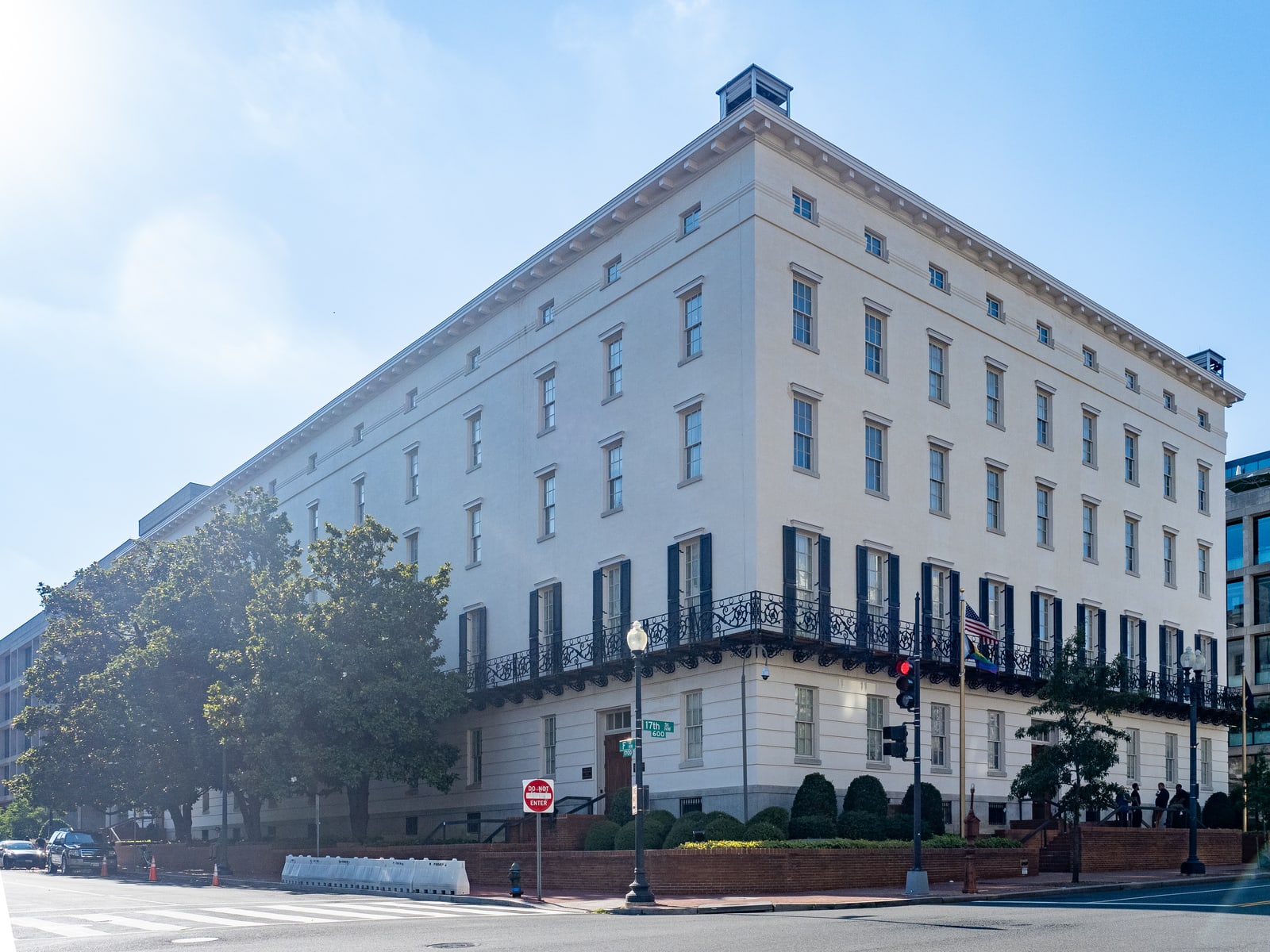
The Office of the United States Trade Representative on Wednesday proposed additional tariffs on 14 economies, including India, Bangladesh, Vietnam and China, but not Pakistan, leaving Pakistani garment exporters paying the same duty as before while several of their closest competitors would face higher rates.
The determinations cover China, the European Union, Singapore, Switzerland, Indonesia, Malaysia, Cambodia, Thailand, South Korea, Vietnam, Taiwan, Bangladesh, Japan and India, according to the USTR’s announcement. Mexico and Norway, which were also investigated, face no determination yet. Trade Representative Jamieson Greer said the action was meant to “level the playing field for American workers” against economies he accused of sustaining excess factory capacity through subsidies, weak labour protections and non-market inputs.
The proposed ceilings are 35 per cent for Vietnam and 25 per cent for India. China faces the highest rate, of up to 40 per cent on some goods, the BBC reported; the USTR proposes an additional 20 per cent, net of the forced-labour duty, on top of duties imposed during President Donald Trump’s first term. Bangladesh, Cambodia, Indonesia, Malaysia and Thailand would face up to 18 per cent; the European Union, Japan, South Korea, Switzerland and Taiwan 15 per cent; and Singapore 20 per cent. India’s rate would be 17 per cent and Vietnam’s 20 per cent if they conclude trade agreements with Washington.
What the gap would mean for Pakistani exporters
Pakistan was not among the 16 economies in the overcapacity investigation, which the USTR opened in March, so no part of Wednesday’s action applies to it. But it is not duty-free in the American market. Since 24 July, most Pakistani goods have carried an additional 10 per cent Section 301 duty after the USTR found that Pakistan had failed to effectively enforce its ban on imports made with forced labour, according to the Federal Register notice that set the rate. India and Bangladesh pay the same 10 per cent; Vietnam pays 12.5 per cent.
Because the new rates are expressed net of existing Section 301 duties, the proposal would widen a gap that is now small or non-existent. On that reading, India’s 17 per cent deal rate would be seven percentage points above its current 10 per cent and its 25 per cent ceiling 15 points above; Bangladesh’s 18 per cent would be eight points higher; and Vietnam’s 20 per cent deal rate would be 7.5 points above its present 12.5 per cent. For the first time since July, Pakistani exporters would face a lower Section 301 duty than several of their main South Asian and Southeast Asian rivals.
The United States is Pakistan’s largest single-country export market. Pakistan sold $6.125 billion of goods there in the financial year to June 2026, up 1.55 per cent, and $1.716 billion in July to September, up 4.44 per cent, according to State Bank of Pakistan data reported by Dawn. Textiles and clothing dominate those shipments. The sector earned about $18 billion worldwide in FY26, roughly 60 per cent of national export earnings, figures published by two Pakistan Textile Council researchers in The News show.
A duty advantage of seven or eight points matters in price-sensitive garment lines, where buyers compare landed costs across factories and margins are thin. It would not, however, create a new tariff preference for Pakistan. The country would remain at 10 per cent, and it is still outside the tariff-rate quotas promised in July to Bangladesh, Cambodia, Indonesia and Malaysia. Those quotas, once operational, would allow a volume of textiles to enter the United States duty-free if the exporting country buys American cotton and textile inputs; Pakistan, a large buyer of American cotton, was not named.
Pakistani exporters have also pointed to domestic costs that a tariff gap would not erase. In June, exporter Javed Bilwani told Dawn that Pakistani products were already costlier than regional rivals because of higher energy prices, interest rates and imported input costs. A narrower duty gap with India and Bangladesh does not change those costs, and it could shrink again if either country concludes a trade agreement with Washington.
Why Pakistan is not on the list
Pakistan’s absence reflects the scope of the investigation rather than a judgment that its industrial policies are clean. The USTR began the overcapacity probes on 11 March into 16 economies; Pakistan was not one of them. Its 10 per cent duty comes from a separate Section 301 inquiry into forced-labour enforcement covering 60 economies, which was proposed in June and took effect in July. The two proceedings use the same statute but different findings; Wednesday’s announcement did not address Pakistan.
The proposal is also not final. The USTR set a comment deadline of 5 January 2027 and a hearing for 25 January, and a senior American official said the duties could take effect in January at the earliest, the BBC reported. The product annexes could still exempt apparel lines, which would blunt the advantage for Pakistan’s biggest export sector, and the final rates for India and Vietnam depend on whether their trade negotiations succeed.
The advantage could also disappear if Washington later widens the investigation. The USTR is still reviewing Mexico and Norway, and officials have not said whether other economies could be added. Separately, Pakistan has been importing more American goods under an arrangement aimed at narrowing the trade imbalance, Dawn reported.
China and the European Union rejected the premise of Wednesday’s action. China’s foreign ministry rejected the overcapacity case as a “false proposition”, while the European Commission said it “strongly rejects” the claim that Europe is a source of structural overcapacity, according to the BBC. The duties would be paid by American importers, not by exporting governments, and can raise retail prices in the United States.
For Pakistan’s textile exporters, the immediate result is a possible opening rather than a windfall. The 10 per cent duty stays, the quotas remain out of reach, and the size of any advantage will be settled in the final Federal Register notices, which have not been published. What has changed is the direction of the pressure: for now, at least, it falls on the competitors.