Reporting snapshot · 26 November 2026 (Asia/Karachi). NEPRA reserved its decision after the hearing, and the Power Division's policy guidelines are due with the regulator on Friday, so the 83 paise limit is a government proposal rather than a notified rate. The separate quarterly adjustment claim of Rs1.34 per unit is also still undecided, and December bills will carry the base tariff and other components besides the fuel charge.
Pakistan’s Power Division told the National Electric Power Regulatory Authority (NEPRA) on Thursday, 26 November, that it would seek to cap the increase in electricity fuel charges for October, November and December 2026 at roughly 83 paise a unit above the September adjustment, instead of allowing the Rs2.8819 per unit the power companies had asked for. The proposal was made in the middle of NEPRA’s public hearing on the October fuel charge, and the regulator reserved its decision afterwards, Geo News reported.
The division has called the proposal a Forward-Looking Fuel Cost Adjustment (FFCA) mechanism, under which the fuel charge for three months is fixed in advance rather than settled month by month. In its statement, the division said the increase would be limited to about Rs0.83 per unit, inclusive of taxes, for the October to December 2026 period over the September fuel charge, and that policy guidelines would be issued to the regulator once the necessary approvals were in place, Dawn reported.
The claim on the table at the hearing was the monthly fuel charges adjustment filed by the Central Power Purchasing Agency-Guarantee (CPPA-G) on behalf of the ex-Wapda distribution companies. CPPA-G had asked NEPRA to approve a positive adjustment of Rs2.8819 per unit for electricity consumed in October, to be recovered through December bills, using a reference fuel charge of Rs7.8696 against an actual fuel cost of about Rs10.75 per unit, The News International reported. Under the uniform tariff policy, the same charge reaches K-Electric consumers.
What the cap changes on a bill
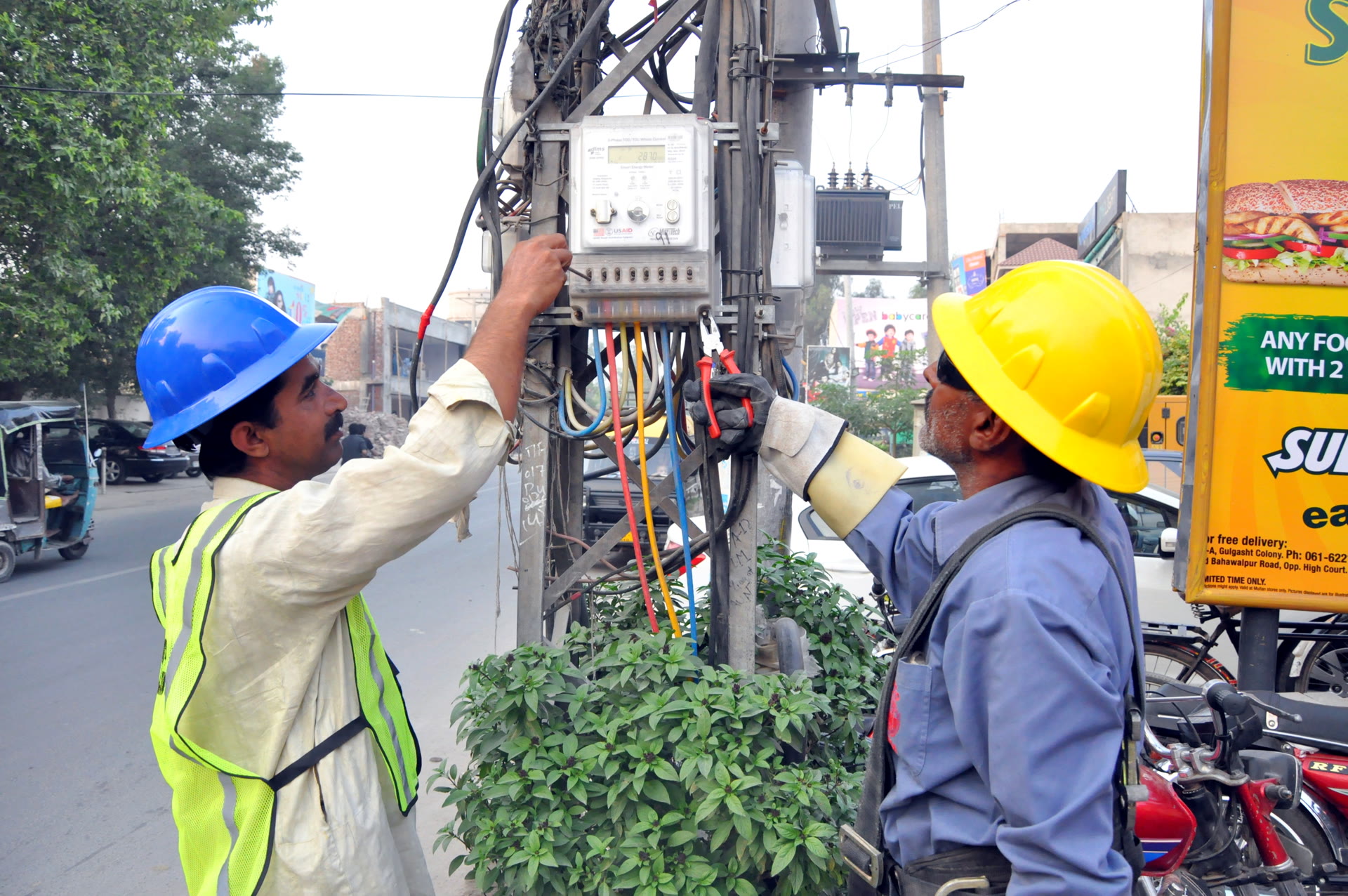
The gap between what was sought and what the government has now offered is Rs2.05 per unit: Rs2.8819 sought minus the Rs0.83 cap. On a simple multiplication, a household billed for 300 units would carry about Rs615 less on its December fuel charge than the Rs2.88 request would have added, before taxes, slab rates and fixed charges are applied. An industrial consumer drawing thousands of units a month would see the difference in proportion.
Who pays the charge is not uniform. NEPRA approved the September adjustment with lifeline consumers, electric vehicle charging stations and consumers who had opted for prepaid tariffs excluded, Business Recorder reported, and it is not yet clear whether the same exclusions will carry into the new band.
That arithmetic is an estimate of the difference between two proposals, not a figure on any bill. The regulator has not decided the October adjustment, and the cap itself still requires the Power Division’s guidelines and the regulator’s technical review before it has any effect.
The September rate the cap is measured against
The baseline matters because the FFCA is defined against it. NEPRA approved a fuel charges adjustment of Rs2.3673 per unit for September 2026 on 6 November, to be recovered in November bills, and published the decision on its own website. KhabarWire reported that decision separately, including the two dissenting members who warned that holding the discounted industrial package below cost pushes the shortfall onto other consumers through fuel and quarterly adjustments.
If the mechanism is applied as described, the fuel charge would sit at roughly Rs3.20 per unit — the September adjustment plus the capped 83 paise — for the three months billed from December to February. That is an inference from two published numbers rather than a rate anybody has notified.
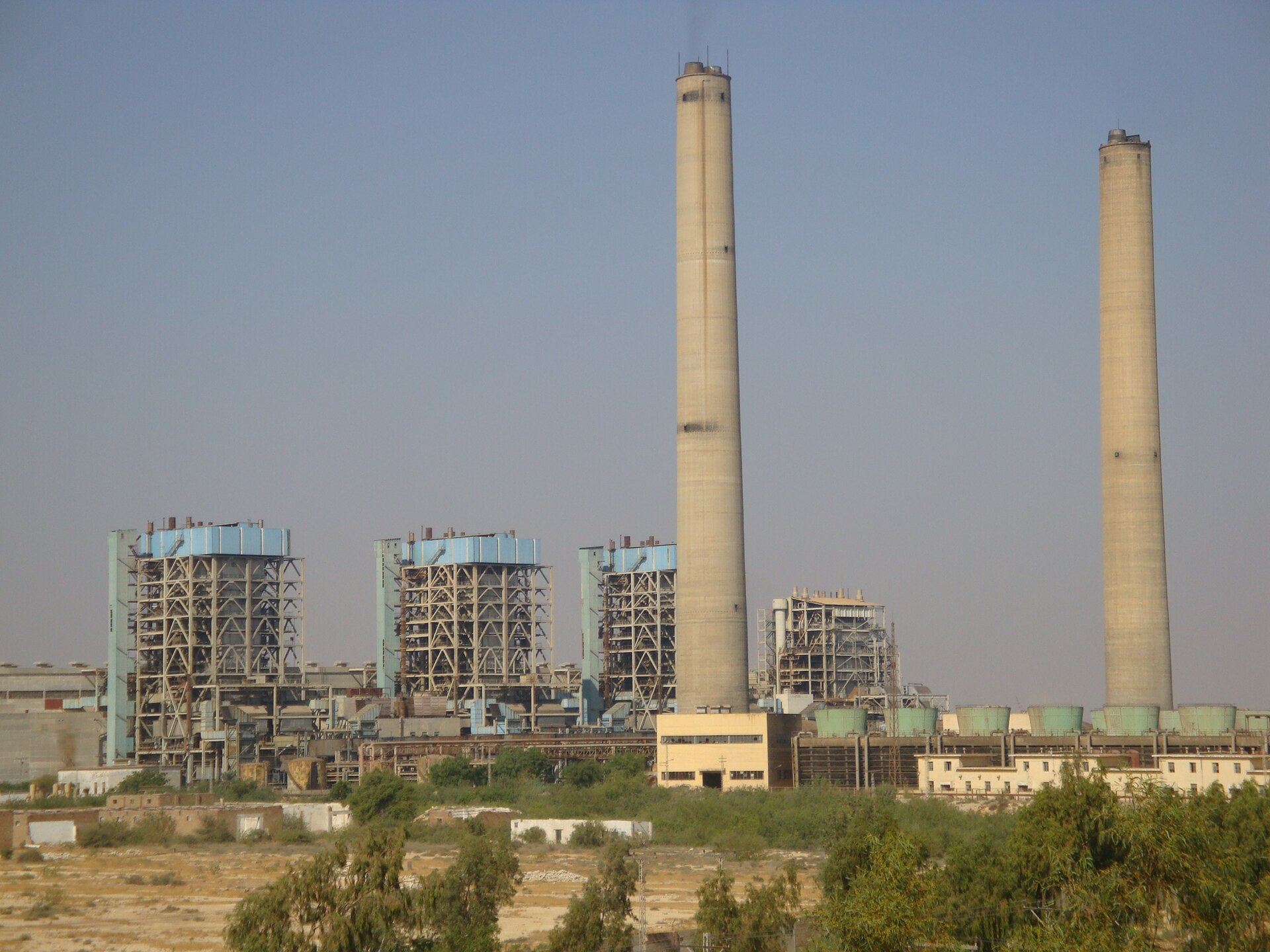
Winter is the reason the pressure exists. Hydropower output falls as the season turns, and thermal fuels account for more than 80 per cent of the generation mix in some winter months, the Power Division said. The October data CPPA-G filed with NEPRA showed hydropower as the single largest source at 26.23 per cent, followed by nuclear at 19.45 per cent and imported coal at 14.60 per cent, with the monthly fuel charge resting on what the system actually burned, as KhabarWire set out before the hearing.
What the government says it has already absorbed
The division’s case for a band rather than a monthly number rests on what it says it has already absorbed. It said the national average electricity tariff, inclusive of taxes, stood at Rs53.04 per unit when the present government took office in March 2024 and had been reduced by Rs8.76 to Rs44.28 by March 2026, before the Iran-US war and the energy crisis that followed. The fall in the industrial tariff over the same period, it said, was Rs18.49 per unit, from Rs62.99 to Rs44.50.
It also claimed that between April and September 2026 consumers were protected from an additional fuel charge increase of Rs6 to Rs7 per unit through fuel optimisation and a publicly announced load management strategy, and that the combined fuel and quarterly tariff adjustments over those six months averaged Rs2.38 per unit, inclusive of taxes, Business Recorder reported. These are the division’s own figures, presented by it to support the case for predictability, and no regulatory decision testing them has been published.
For businesses, predictability is the argument rather than the headline rate. The Power Division said that a known band gives firms a better basis for planning operating costs and production decisions than a monthly adjustment that moves with fuel prices, Geo News reported.
What NEPRA still has to settle
During the hearing, Power Division Additional Secretary Mehfooz Bhatti said a policy directive had been secured from the government’s forums and that guidelines under section 31(4) of the NEPRA Act would be placed before the regulator by Friday morning, covering the October to December period. He asked NEPRA to call an early hearing if one was needed to take care of the October fuel charge as well, and said: “This is a government decision,” Dawn reported.
NEPRA’s member for tariff and finance, Amina Ahmed, welcomed the approach and promised regulatory due diligence, while noting that technical review would follow once the formal policy guidance arrived, Dawn reported. The regulator’s own record shows the hearing notice for the October adjustment and the CPPA-G purchase data filed on 18 November; the decision itself had not been published when this article was written.
One part of the December bill is still open. The distribution companies’ quarterly adjustment claim of Rs1.34 per unit, heard on 17 November, remains reserved, and KhabarWire reported on that hearing along with the September fuel charge now in November bills. A capped fuel charge does not settle the quarterly claim, and both reach K-Electric consumers under the uniform tariff policy.
The file is tracked in KhabarWire’s Pakistan Fuel & Energy hub, which follows the winter cost warning the Power Division issued in October and the monthly fuel charge decisions that feed December bills.