What happened
Pakistan’s Federal Minister for Planning, Development and Special Initiatives, Ahsan Iqbal, said India’s decision to keep the Indus Waters Treaty in abeyance had created a new security challenge, warning that water could be used as a weapon for the first time in modern history.
Speaking at an Asia Society event, in a conversation with Farwa Amin, director for South Asian initiatives at the Asia Society Policy Institute, Iqbal said the 1960 treaty had remained “untouchable” through decades in which India and Pakistan fought several wars, but that India had now held it in abeyance unilaterally.
The warning
Iqbal said Pakistan faced the threat that India could deny it water when it was needed for crops and release water when it was not required. “We are using all the diplomatic means to make sure that we don’t have future wars on water because we have already seen lots of wars,” he said.
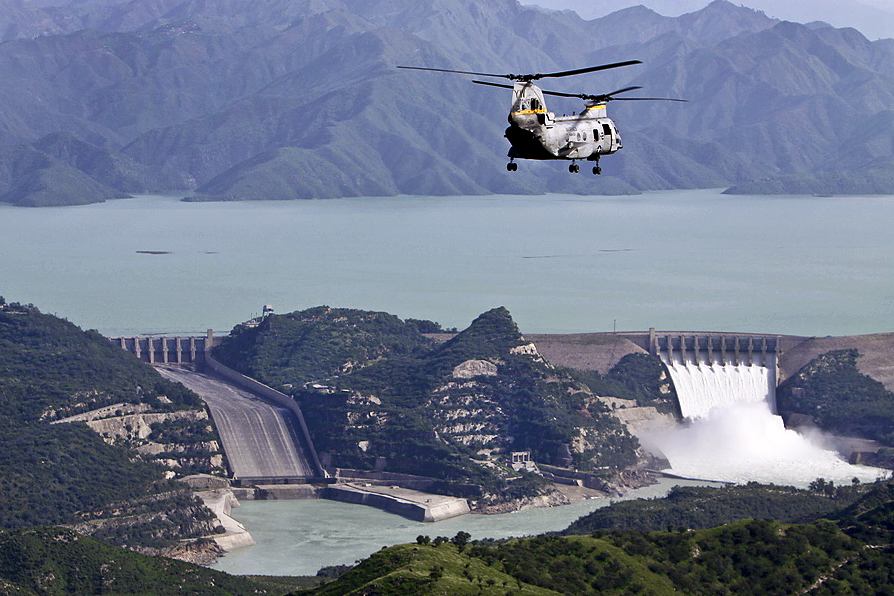
He said the dams Pakistan is building would serve as a buffer but that the issue could not be allowed to go unnoticed. He argued that South Asian countries should focus on development, poverty, illiteracy and their young populations rather than another cycle of confrontation.
Background
India announced that the treaty would remain in abeyance after the 22 April 2025 attack at Pahalgam in Jammu and Kashmir, in which 26 people were killed. New Delhi has said the treaty cannot function in its present form until Pakistan “credibly and irrevocably” ends support for cross-border terrorism. The treaty, signed in 1960, governs the sharing of the Indus river system between the two countries.
Pakistan has repeatedly called the move a threat to its water security. Prime Minister Shehbaz Sharif said on the eve of Independence Day that “every drop of water is our red line” and that any threat to Pakistan’s water would draw a direct response.
Why it matters
The dispute over the Indus Waters Treaty has become one of the most sensitive points in Pakistan-India relations. Iqbal’s remarks keep Pakistan’s position on the diplomatic record while underscoring that Islamabad is building storage capacity as a hedge against upstream pressure. How the two countries handle the issue will shape the risk of a fresh confrontation over water.
Sources & reporting notes
This is a summary of published reporting, not independent reporting. Details and quoted remarks are as carried by the cited sources, which were reviewed on 22 August 2026.
- Hindustan Times — "'India could use water as weapon': Pakistan minister warns amid Indus Water Treaty row"22 August 2026 · Iqbal's Asia Society remarks and the background to India's abeyance of the treaty.
- Swarajya — "Pakistan Minister Says India Can Now Turn Water Into A Weapon After Indus Treaty Freeze"22 August 2026 · Iqbal's remarks on crop-season withholding, dam buffers and diplomacy.
- The Times of India — "'India could use water as weapon': Pakistan minister as Indus Waters Treaty remains in abeyance"23 August 2026 · Shehbaz Sharif's earlier "red line" warning and the treaty's history.