Reporting snapshot · 11 October 2026 (Asia/Karachi). The number of people detained varies between sources and is still being reconciled. The leaders were released on restrictive conditions while the movement says it will keep protesting, so this is a dated snapshot of a fast-moving story.
What happened
A New Delhi court ordered the release of the founder of India’s “Cockroach” youth movement and two other senior leaders on Sunday, a day after they were detained, as the Indian capital braced for a second day of protests demanding the resignation of the country’s chief election commissioner.
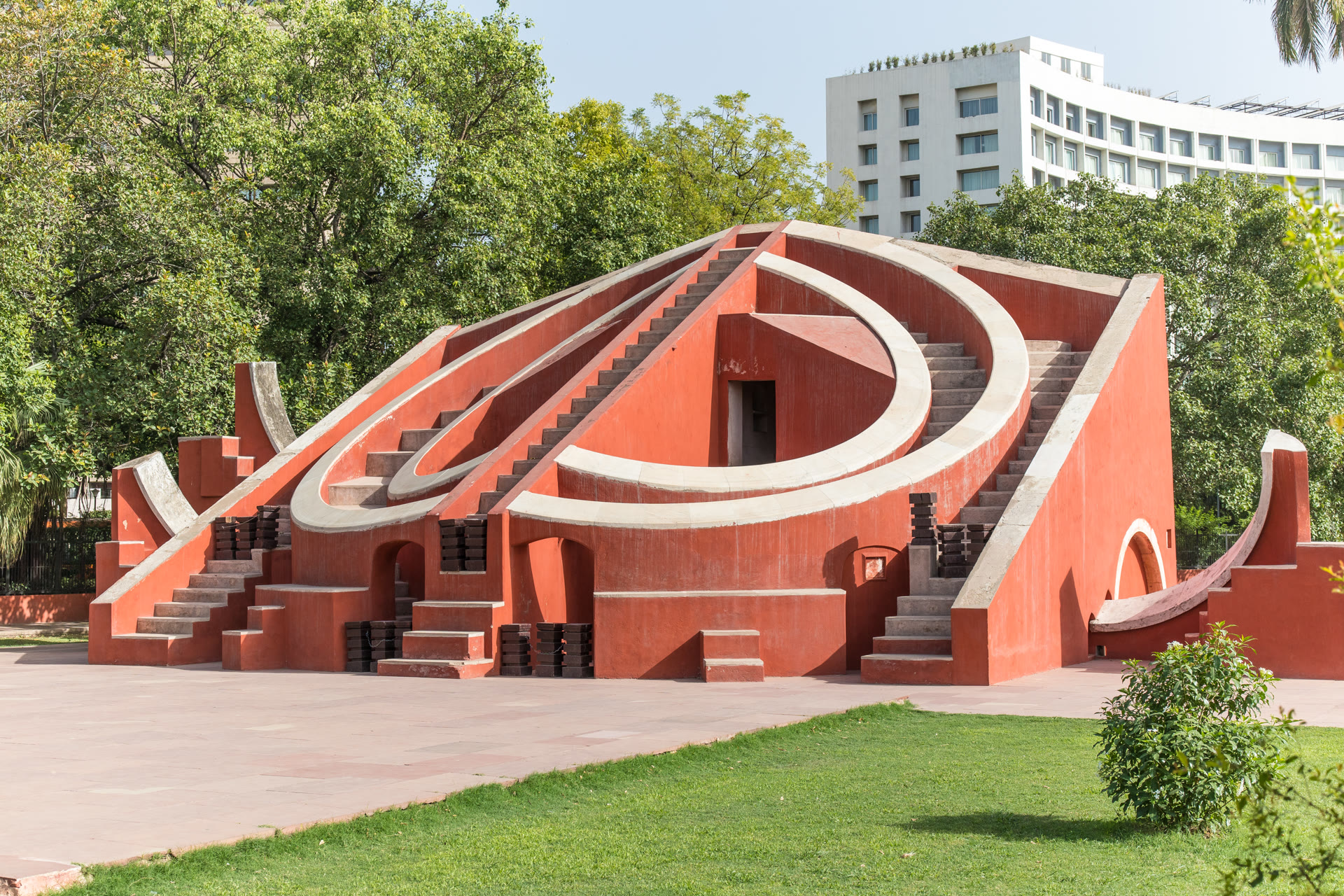
Abhijeet Dipke, who founded the satirically named Cockroach Janta Party (CJP), and two associates were arrested when their plane landed in Delhi from Mumbai on Saturday, shortly before the group planned to gather thousands of people at Jantar Mantar, a designated protest site in central New Delhi. They were produced before a magistrate early on Sunday and released on condition of “no breach of peace for one year”, the group’s legal head, Ratna Singh, said, Reuters reported.
The detentions triggered a heavy police mobilisation. Delhi police detained more than 2,000 people and sealed off the city centre to stop Saturday’s demonstration, and thousands of police and paramilitary personnel remained deployed across the capital on Sunday. Metro stations reopened and mobile internet services were restored after being suspended in the central business district, Al Jazeera reported. The Hindu, an Indian newspaper of record, reported that nearly 2,500 people were held, citing Delhi police sources, while Reuters, citing a home ministry official, put the figure at about 2,000. About 600 people were also detained in Mumbai, India’s financial hub, according to the ANI news agency.
Why protesters want the election chief out
The protests demand the resignation of India’s Chief Election Commissioner, Gyanesh Kumar, over a “special intensive revision” of voter lists that critics say disproportionately benefits the ruling Bharatiya Janata Party (BJP) of Prime Minister Narendra Modi, which has governed for more than twelve years.
The campaign gained momentum after the Indian Express reported in late September that two election commissioners had raised internal concerns about the revision, registration procedures and digital systems. Election Commission data cited by opposition parties indicates that about 130 million names — more than the population of Japan — were removed from electoral rolls during the verification exercise, including 63 million people recorded as having relocated and 30 million who could not be traced. Opposition parties say Muslim voters and other minorities, who are unlikely to support the Hindu-nationalist BJP, are disproportionately affected. The Commission says differences of view are normal in internal deliberations and denies favouring any party; the BJP accuses its opponents of spreading misinformation and of wrongly questioning legitimate electoral processes.
The CJP began as online satire after India’s chief justice likened some unemployed young people to “cockroaches”, and evolved into a street movement whose earlier campaign against exam-paper leaks ended with the resignation of the education minister, the BBC reported. It has called its latest round “Season 2” and says it will not stop until India’s election system is reformed.
Who was detained
Beyond the three CJP leaders, those held in Delhi included the YouTuber and Modi critic Dhruv Rathee; Neha Bora, national president of the All India Students’ Association; Dipankar Bhattacharya, general secretary of the Communist Party of India (Marxist–Leninist); and the senior Supreme Court lawyer Prashant Bhushan. Television channels showed that opposition lawmakers and former chief ministers — among them Mamata Banerjee of West Bengal, Arvind Kejriwal of Delhi and Pinarayi Vijayan of Kerala — were also detained. Rathee was released past midnight on condition that he take part in no further protests, an interior ministry official told Al Jazeera. Many of those held on the first day were released late on Saturday night.
Reporters were not spared. Al Jazeera said four journalists from two digital news outlets were briefly detained while covering the demonstrations, and that a Reuters journalist was also held briefly before being released.
The government’s response
Opposition parties and critics of Modi’s government condemned what they called an excessive use of force against peaceful protesters. A United Nations human rights body called on the authorities to ensure that the right to peaceful assembly was “fully respected and fulfilled” and urged “meaningful dialogue” over the concerns raised. Amnesty International and the Committee to Protect Journalists also criticised the detentions.
India’s foreign ministry pushed back on Sunday, saying the UN’s approach was “selective” and that its statement amounted to “an unwarranted interference in the internal affairs of India”, Reuters reported. It stressed that the right to peaceful assembly is guaranteed by India’s constitution, subject to reasonable restrictions in the interest of public order.
The BJP dismissed the demonstrators as “anarchic elements”. Its spokesman, Sambit Patra, said their “flop show has been completely demolished”, while the opposition Congress party’s president, Mallikarjun Kharge, accused the government of turning the “Mother of Democracy” into a “Muzzled Democracy”.
What is still uncertain
The core facts of the crackdown are documented by multiple international outlets, but several important questions remain open. The exact number of people detained is disputed — a range of roughly 2,000 to 2,500 for Delhi alone — and police have not published a consolidated figure or the legal basis for individual detentions.
Whether the releases defuse the confrontation is unclear. The CJP has said it will return to the streets, and the restrictive bail conditions imposed on its leaders could become a new flashpoint. It is also not established whether the voter-roll revision will be independently reviewed; the Election Commission and the BJP reject the manipulation allegations, while the opposition says the deletions shaped recent state elections the BJP won. India’s next round of major state elections is due in early 2027, giving the dispute a long runway. KhabarWire has not verified the detentions independently and relies on the reporting cited below.
Sources & reporting notes
This is a synthesis of published reporting, not eyewitness coverage. Sources were reviewed on 11 October 2026 (Asia/Karachi). The detentions and lockdown happened on Saturday 10 October, while the releases, the second day of protests and India's rejection of UN criticism were reported on Sunday 11 October. No single primary record covering the whole sequence was published at the time of writing, so this account relies on three editorially independent international outlets and attributes every disputed figure to whoever published it.
- The Express Tribune (Reuters) — Indian capital braces for second day of protests against poll chiefPublished 11 October 2026 · The court-ordered release of Abhijeet Dipke and two leaders and the "no breach of peace for one year" condition, more than 2,000 detained and the city-centre lockdown, the restart of metro and mobile internet services, the voter-roll revision and the 130 million deleted names, and India's rejection of the UN statement.
- Al Jazeera — India's 'Cockroach' leaders released from detention after police crackdownPublished 10 October 2026, updated 11 October 2026 · The names of those detained, the ~2,500 figure cited from The Hindu against Reuters's ~2,000, the 600 held in Mumbai, the special intensive revision of voter lists, and the reactions of the UN, Amnesty International and the Committee to Protect Journalists.
- BBC News — Why have hundreds of 'cockroach' protesters been detained in DelhiPublished 10 October 2026 · Background on the Cockroach Janta Party, the origin of the "cockroach" label after the chief justice's remark in May, the denial of permission for the Jantar Mantar rally and the security deployment.
- Al Jazeera — India deploys police and restricts transport ahead of mass protest in DelhiPublished 10 October 2026 · The transport restrictions, barricades and anti-riot deployments before the Saturday protest.