What happened
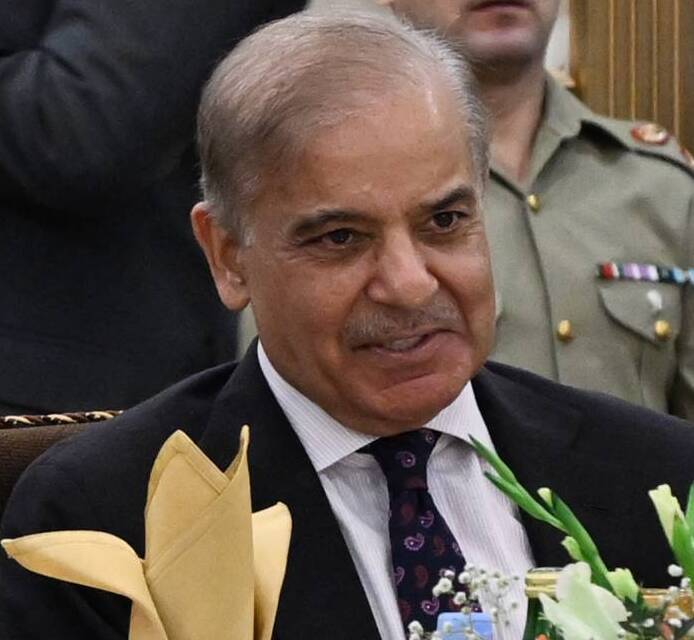
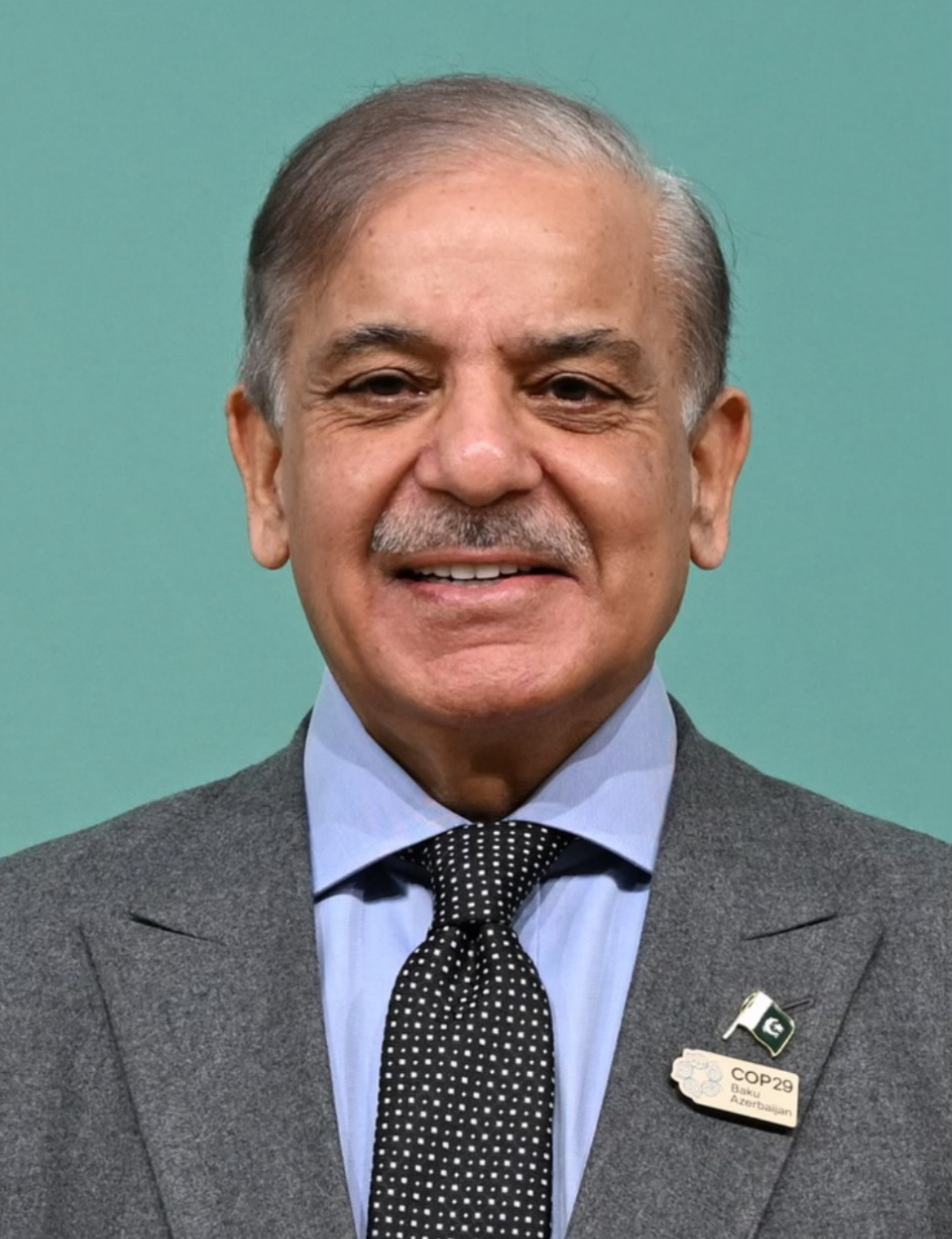
Pakistan said a framework agreement between the United States and Iran was close to completion, with Prime Minister Shehbaz Sharif indicating that the deal could be finalised within 24 hours, even as Washington and Tehran issued conflicting timelines for its electronic signing.
In a post on X, the prime minister described the agreement as closer than ever before and expressed hope that it would provide a strong basis for durable peace. US President Donald Trump later reposted Shehbaz Sharif’s message, while separately maintaining that the accord was due to be signed on Sunday.
In a post on Truth Social, Trump said the agreement was scheduled to be signed on Sunday and that the Strait of Hormuz would reopen once it was concluded. He also said no funds would be transferred under the arrangement and warned of consequences if the process failed. “We look forward to working with Iran and the entire Middle East, long into the future,” he wrote. “Hopefully, this process will all work out quickly, easily, and smoothly. If it doesn’t, we have the ultimate alternative, hopefully never to be used again!”
Islamabad was preparing for an electronic signing of the proposed memorandum, to be followed by technical-level talks the following week. Possible venues under discussion had included Islamabad and Geneva, although the Iranian side later said its negotiators would not travel to either location in the next day or two.
Iran pushes back on the date
Iran rejected the Sunday timeline while saying the deal was close. Foreign Ministry spokesperson Esmaeil Baghaei said the exact timing of the Islamabad memorandum would not be Sunday, though he did not rule out its signing in the coming days. He said caution was necessary in commenting on the date because of hesitation on the other side, and that the exact time would have to be awaited.
Baghaei also said Iranian negotiators would not travel to Geneva or Islamabad in the next day or two for the signing. Separately, Iranian parliament speaker Bagher Ghalibaf said any understanding between Tehran and Washington would need enforceable commitments, according to the semi-official Tasnim news agency.
Regional contacts and the Strait of Hormuz
The Prime Minister’s Office said Shehbaz Sharif received a call from Qatar’s Sheikh Mohammed bin Abdulrahman bin Jassim Al Thani, who paid tribute to the prime minister and Chief of Army Staff Field Marshal Asim Munir for what the statement described as an instrumental role in guiding diplomatic efforts. According to the PMO, the prime minister thanked Qatar for its support for Pakistan’s peace efforts during the Gulf crisis and said a peace deal would be ready for signatures by the relevant parties very shortly.
The Foreign Office said Foreign Minister Ishaq Dar and Saudi Foreign Minister Prince Faisal bin Farhan also welcomed the final phase of the US-Iran negotiations and expressed hope that the expected electronic signing ceremony would help advance lasting peace and stability in the region.
Even as negotiations moved forward, tensions persisted around the Strait of Hormuz. Reuters, citing a senior US official, reported that the United States would take part in de-mining the waterway once the accord was sealed. Reuters also reported that US forces shot down multiple Iranian one-way attack drones heading toward the strait, after which Centcom said the waterway remained open for transit.
Iranian news agencies reported explosions near Sirik port and Qeshm Island, with local officials attributing them to warning fire by Iranian forces at vessels attempting to pass without permission from the Islamic Revolutionary Guard Corps navy. A day earlier, Foreign Minister Abbas Araghchi had said Iran would not impose tolls on Hormuz but would collect service fees, adding that the matter would be discussed. Reuters, citing the UK Maritime Trade Operations Centre, further reported that a tanker was hit by an unknown projectile in its port bow off Oman’s coast on Friday; the crew was reported safe and the vessel continued to its next port of call.
Why it matters
Pakistan has acted as the principal mediator between Washington and Tehran, and the framework agreement would wind down a war that has disrupted shipping through the Strait of Hormuz, a chokepoint for global oil and gas. The conflicting statements on the same day showed the two sides were still not aligned on when, or whether, a signing would take place, leaving the timing of any formal end to hostilities uncertain.
Sources & reporting notes
This is a summary of published reporting, not independent reporting. Details are as carried by the cited source, which was reviewed on 2026-06-14. The deal had not been signed and the signing timeline remained contested at the time of writing.
- Pakistan Today — "Islamabad MoU nears completion as US, Iran differ on signing timeline"14 June 2026 · The framework agreement's status, Shehbaz Sharif's statement, Trump's Truth Social post, Baghaei's and Ghalibaf's remarks, the Qatar and Saudi contacts, and the Strait of Hormuz developments.
.jpg)