Reporting snapshot · 14 November 2026 (Asia/Karachi). The White House confirmed the meeting in Washington on Friday 13 November, and it reached Pakistan's news cycle on 14 November. No written statement has been published, and neither Beijing nor Moscow has confirmed it, so the format, the guest list and the final agenda remain unverified. The officials briefing on it say they do not expect an agreement, which makes the meeting itself the news rather than any result from it.
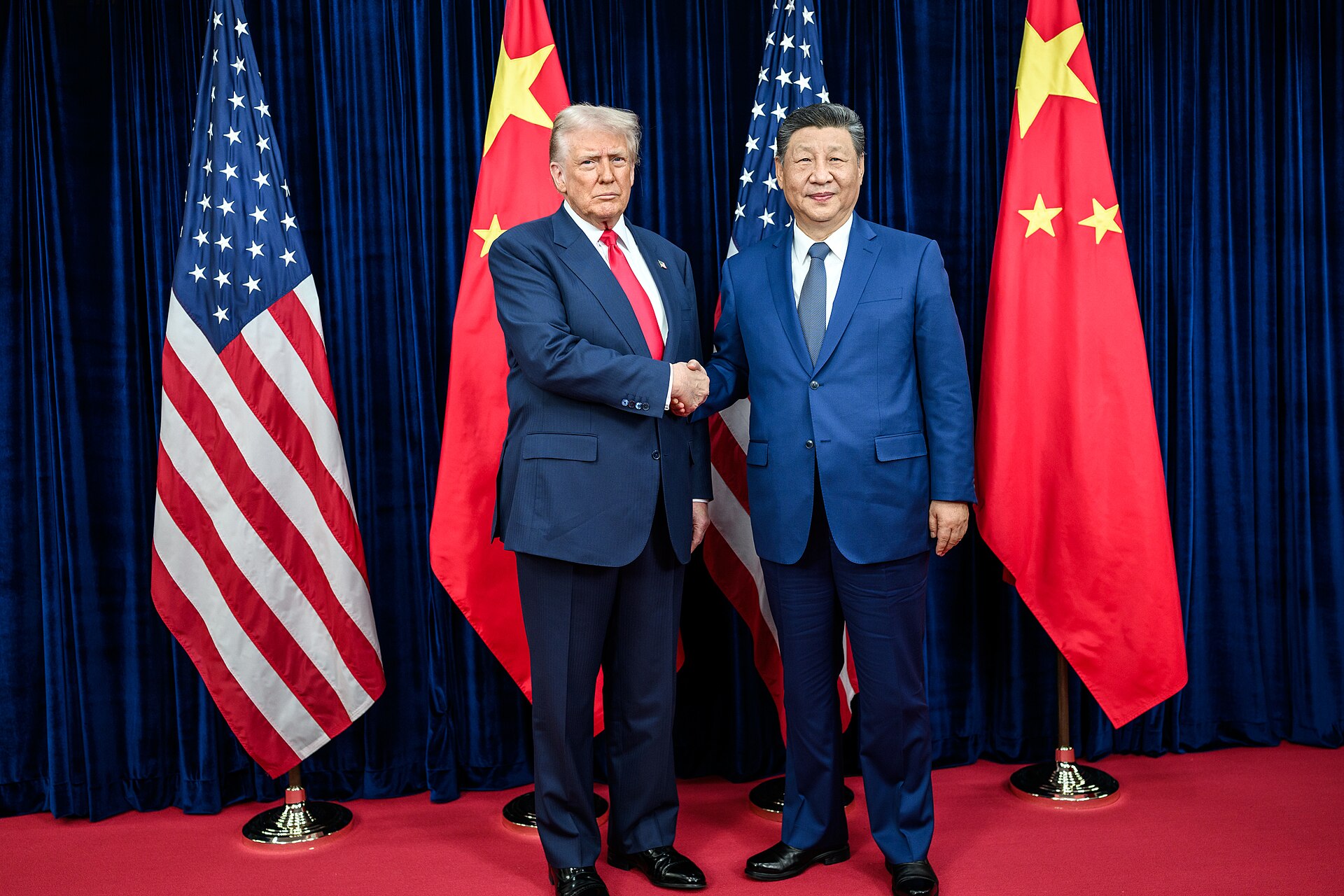
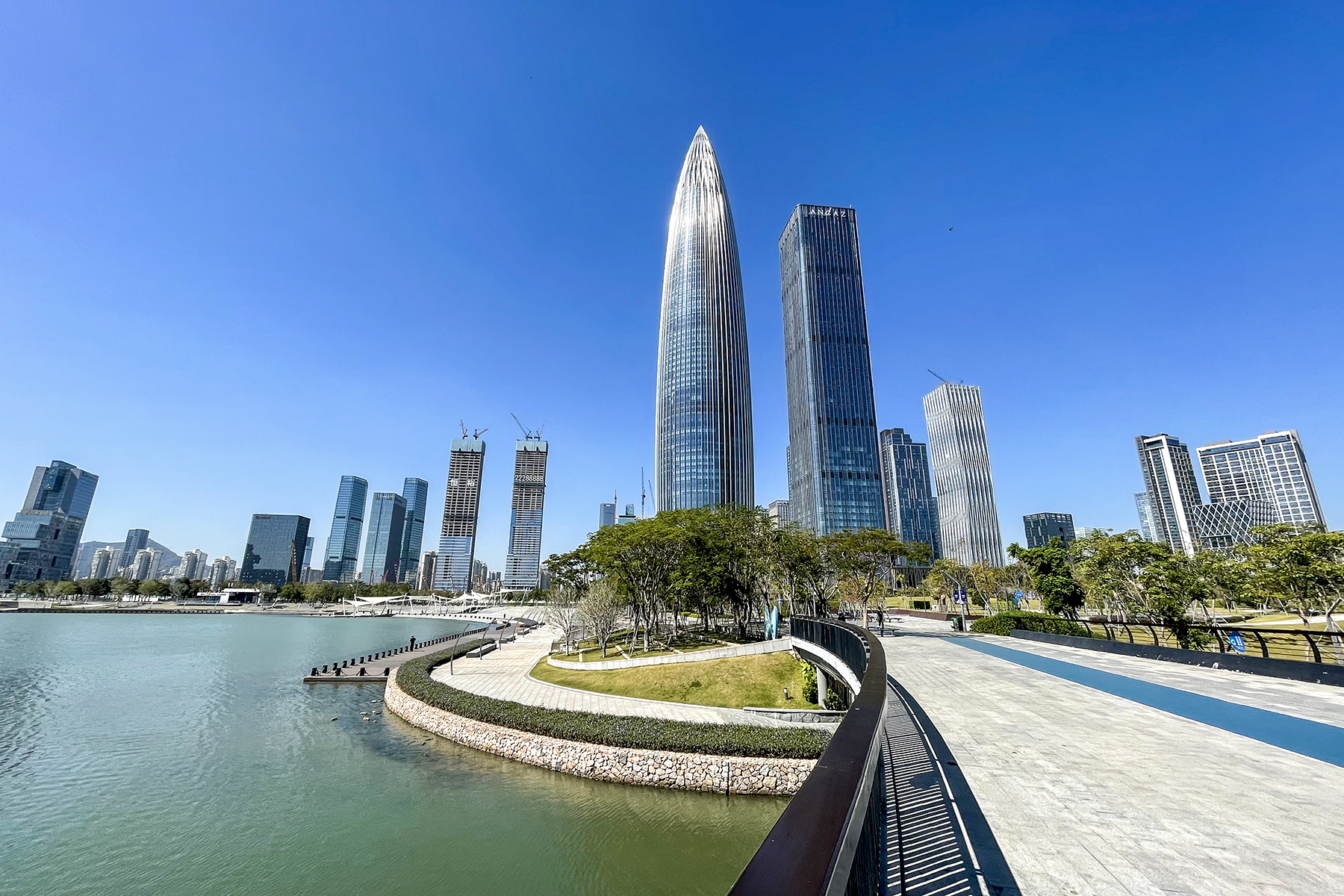
On Friday 13 November the White House said that Donald Trump will meet Xi Jinping and Vladimir Putin in China next week, confirming the first meeting of the three leaders and putting the Iran war alongside nuclear-arms reduction on a single agenda. Reuters reported through Nikkei Asia that the meeting is set for Thursday, 19 November, on the sidelines of the Asia-Pacific Economic Cooperation summit in Shenzhen, and Deutsche Welle reported the same confirmation, describing it as a meeting of a kind that has never taken place.
White House spokesperson Olivia Wales, speaking to reporters on a call, said Trump “will discuss the reduction of nuclear weapons in the world, whose proliferation President Trump believes is very dangerous”, and that the meeting would be held on Thursday in China, Reuters reported. A senior Trump administration official briefing reporters said “We do not expect to get to any kind of agreement” and called the meeting “the beginning of hopefully a conversation that can be productive going forward”, Reuters reported and DW reported.
For a Pakistani reader the decisive part of that agenda is not the nuclear file. Trump is expected to raise the US-Israeli war against Iran, while Russia’s war in Ukraine is expected to be left off the table, the same briefing officials said, adding that “China is not really a part of that track, so it doesn’t seem appropriate to have the Ukraine discussion there”, Reuters reported. Al Jazeera reported the same division of subjects, and Geo News carried the briefing that Trump “does intend to talk about Iran in the trilateral meeting with Xi Jinping and Vladimir Putin”.
A first meeting on the APEC sidelines
Trump leaves for Asia on Monday for a four-day trip that also takes in the Philippines, Reuters reported, where the Association of South-East Asian Nations is holding its own summit, Nikkei Asia reported. The trilateral meeting follows that stop, on the edges of the APEC gathering in Shenzhen. Trump and Xi last met in Washington in September, when they extended the United States-China trade truce. Elon Musk will travel with Trump but will not sit in on the meeting, and Trump is not expected to hold a one-on-one with Putin, Reuters reported.
The meeting has been compared to Yalta, the 1945 conference at which the United States, Britain and the Soviet Union redrew the post-war order. Kremlin spokesman Dmitry Peskov dismissed the parallel, saying agreements reached in Shenzhen cannot be imposed on others, but still called the meeting “extremely significant”, Al Jazeera reported. Ukrainian President Volodymyr Zelenskyy has voiced concern that the meeting could become a platform for discussing Ukraine behind Kyiv’s back, Al Jazeera reported, a worry DW examined when it looked at how Beijing is managing a meeting that serves Moscow’s interest.
Beijing’s rebuff and the nuclear question
Only Washington has confirmed the meeting outright. A Chinese Foreign Ministry official has told reporters that Beijing is “in communication” with the relevant parties, a Kremlin representative said work on “coordination” was under way, and Chinese state media have said Xi will hold “bilateral” talks at the summit without mentioning a trilateral meeting, DW reported. The Chinese and Russian embassies in Washington did not respond to requests for comment, Reuters reported.
On the substance, China has long argued that Washington and Moscow, which hold the two largest arsenals, should negotiate directly. In October its Foreign Ministry called trilateral nuclear disarmament talks “neither fair, reasonable nor realistic to ask China to join … at this stage”, DW reported. The New Strategic Arms Reduction Treaty between the United States and Russia lapsed in February, leaving the world’s two largest arsenals without caps for the first time in more than half a century; Russia holds the most stored warheads, followed by the United States and China, according to the Stockholm International Peace Research Institute, Al Jazeera reported.
Why Tehran is on the agenda
Washington’s public line on Iran has hardened in recent weeks even as the administration insists its campaign is working. Al Jazeera reported that Trump said hours before the Revolutionary Guard’s claim about a radar site in Bahrain that he had told Vice President JD Vance, the administration’s lead negotiator, “We don’t need a deal with Iran”, directing Vance instead towards what Trump calls corruption in Democratic-run cities. Secretary of State Marco Rubio has said Washington’s economic pressure on Tehran is working, so large-scale military operations are unnecessary.
Vance is the official who ran the American talks with Iran in Islamabad in April, which produced the June memorandum of understanding that briefly paused the fighting before collapsing over, among other things, who controls the Strait of Hormuz, Al Jazeera reported. The war has continued to reach the waterway itself: the Islamic Revolutionary Guard Corps navy said on Friday that two tankers exploded and caught fire after striking sea mines while trying to cross the Strait without coordinating with Iranian authorities, Geo News reported. KhabarWire reported on 13 November the Revolutionary Guard’s claim that it had destroyed a US radar site in Bahrain, and the tanker attacks that came before it.
What a third-party Iran channel means for Pakistan
Pakistan has been the outside mediator in this war, and KhabarWire has tracked that mediation file since the American talks in Islamabad last April. A meeting that puts Iran on the table with China and Russia in the room changes the map of who can talk to Washington and Tehran at the same time. On 14 November, at the Security Council session on the situation in the Gulf, Pakistan’s permanent representative to the United Nations, Ambassador Syed Haider Shah, told the Council that the security and prosperity of the Gulf countries were of “immense importance” to Pakistan, condemned Houthi attacks on Saudi civilian infrastructure and on vessels in lawful trade, and warned that threats to navigation in the Strait of Hormuz and Bab el-Mandeb disrupt commerce and deepen energy and food insecurity, particularly for vulnerable economies, Geo News reported.
That exposure is priced daily in Pakistan. The Petroleum Division’s notification of Friday cut petrol by Rs2 to Rs330 a litre and held high-speed diesel at Rs360 until 16 November; the government announced on 2 November that refineries would bear Rs15 billion a month so petrol could be sold Rs15 below the international market price, The Express Tribune reported. How that arithmetic holds is now partly a question about what happens in Shenzhen, which is why the meeting reaches past the leaders’ own agendas.
Three things are worth watching. Whether Beijing and Moscow confirm the meeting at all, and whether China accepts the nuclear-arms item Trump says he wants to raise. Whether the Iran discussion moves from rhetoric to a channel, and whether Pakistan is asked to help run it. And whether the war’s direction changes before Thursday, because a summit held while the Revolutionary Guard is laying mines in Hormuz would be read very differently from one held after a ceasefire.
For now the settled position is narrow: the White House says the meeting will happen, has named the agenda it intends to press, and its own officials say they do not expect it to produce one.