Reporting snapshot · 12 November 2026 (Asia/Karachi). Both petitions have been filed with the regulator, but no hearing date has been announced and OGRA has not published the filings, so the figures below are the utilities' own proposals rather than a determination. Household gas prices do not move on a prescribed-price ruling alone.
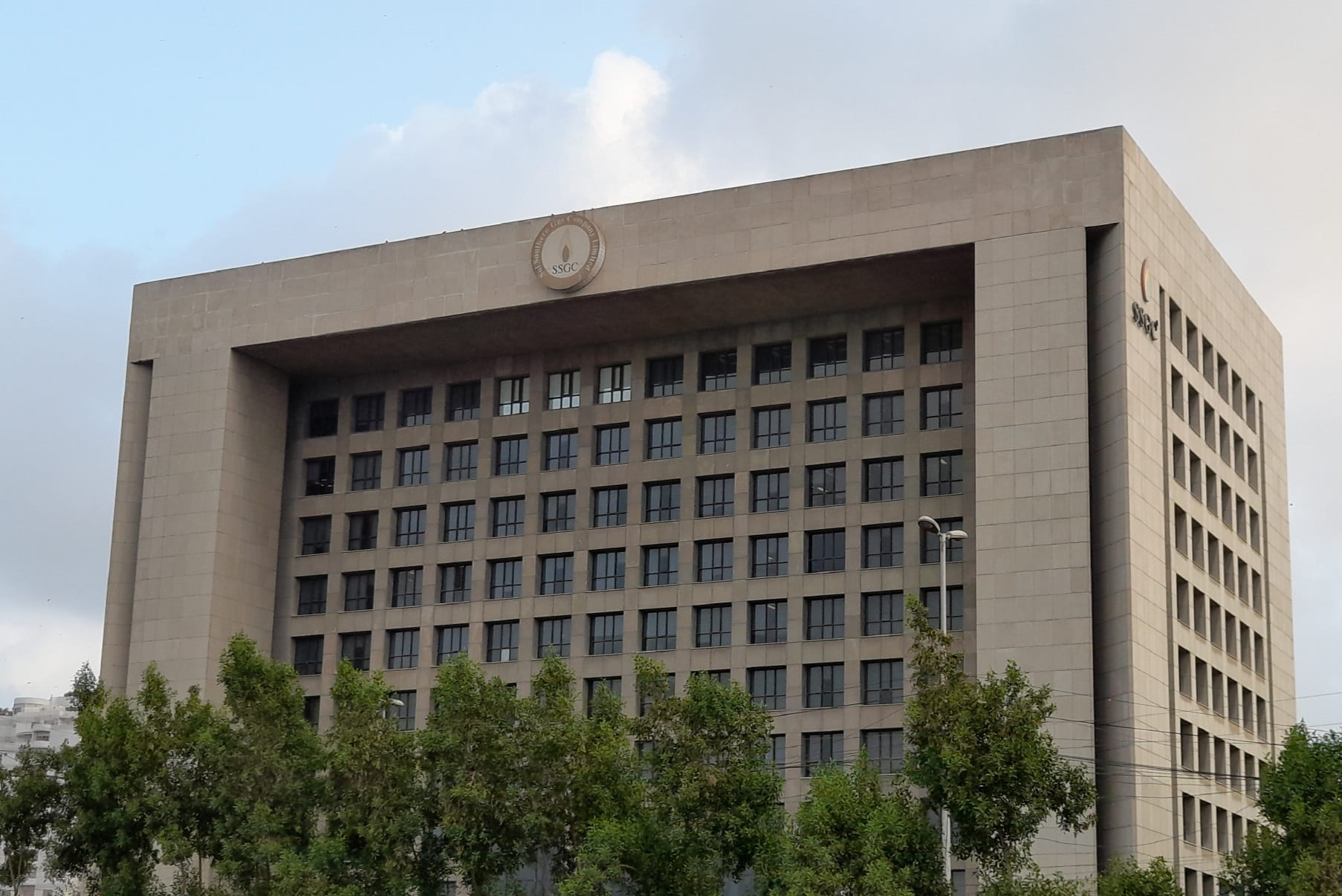
Pakistan’s two Sui gas utilities have asked the Oil and Gas Regulatory Authority (OGRA) to raise the average price they are permitted to charge, in separate petitions filed for the 2026-27 financial year and effective retrospectively from July 1, according to Geo News in the early hours of Thursday. Sui Southern Gas Company (SSGC) has sought an increase of Rs366.75 per million British thermal units (MMBtu), which would take its average prescribed price to Rs2,071.75. Sui Northern Gas Pipelines Limited (SNGPL) has asked for Rs10 more, taking its average prescribed price to Rs1,712.40 from the Rs1,702 it now charges.
Neither figure changes what a household pays this week. The prescribed price is the average rate OGRA determines to cover a utility’s estimated revenue requirement; the category-wise prices printed on a domestic bill are set separately and require government advice and notification. That distinction was exercised in July, when OGRA set SNGPL’s prescribed price at Rs1,718.96 per MMBtu and SSGC’s at Rs1,691.24 for 2026-27, and the government kept consumer gas tariffs unchanged regardless, Geo News reported. The Petroleum Division’s petroleum notifications page directs the public to OGRA for the official daily energy price notifications.
On those published figures the two requests point in opposite directions. SNGPL’s proposal of Rs1,712.40 sits Rs6.56 below the prescribed price OGRA set for it in July, while SSGC’s Rs2,071.75 is Rs380.51 above the prescribed price set for it. That is a reading of the two sets of numbers rather than a published comparison, and OGRA has issued no determination or explanation for either filing.
What SNGPL is asking for, and what imported gas costs
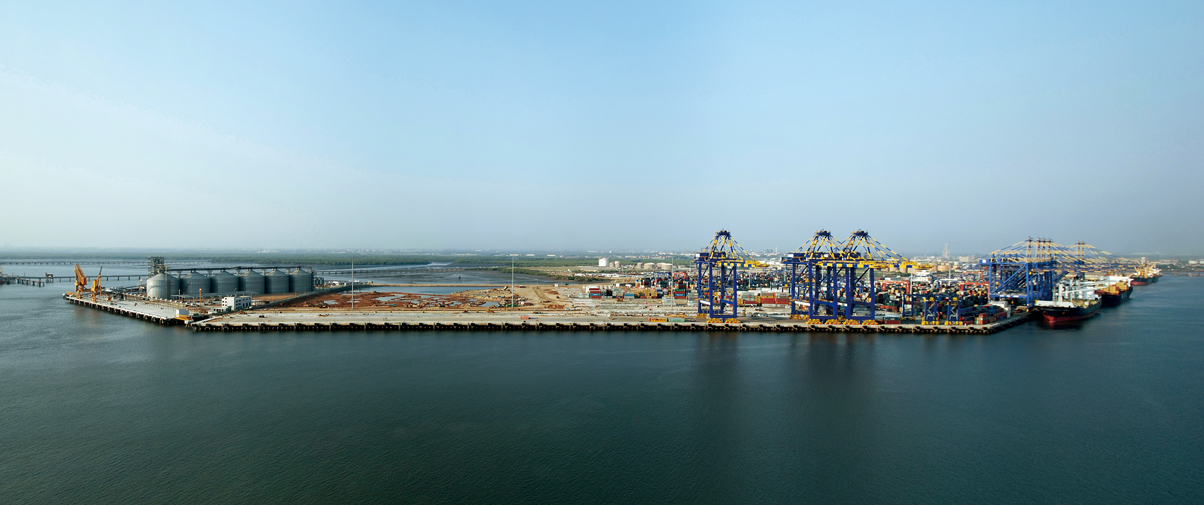
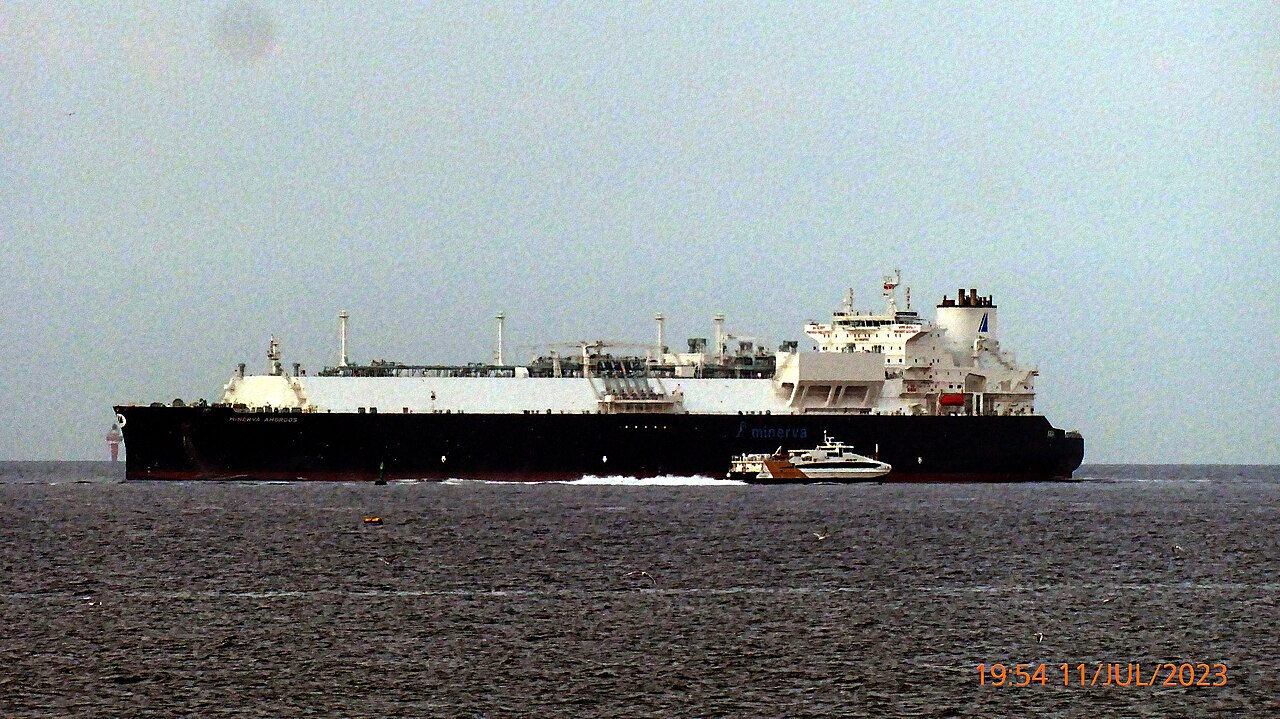
SNGPL’s petition is small in headline terms but rests on a large claim about imported gas. The company has included Rs60.147 billion of liquefied natural gas service costs in its proposed price and estimates the cost of LNG services at Rs471.16 per MMBtu. It told the regulator that limited availability of locally produced gas during winter would require additional arrangements to meet demand, and that 16 LNG cargoes would be needed to maintain supplies. Both utilities cited higher international crude prices as a reason for seeking an increase.
The arithmetic is a function of the import bill. OGRA raised re-gasified LNG prices by up to 34.6 per cent for July in an August notification, after only five LNG cargoes arrived that month, Geo News reported. The government’s winter gas management plan for November 2026 to February 2027 prioritises household consumers while allowing supplies to industry, captive power plants, fertiliser producers and compressed natural gas stations to be curtailed if LNG deliveries fall short. The Petroleum Division has estimated that 24 LNG cargoes would be needed to meet winter demand on the SNGPL network alone, including supplies to households and power generation.
Eight hours a day, and bills that are already contested
Households are already managing on restricted supply. SSGC announced designated winter gas supply timings for domestic consumers, with gas available for breakfast from 6:30am to 9am, lunch from noon to 2:30pm and dinner from 6pm to 9pm, according to The Express Tribune. The company applied the same schedule to Sindh and Balochistan days later. In Hyderabad, residents told the Express Tribune that daily domestic supply had been trimmed by an hour, from nine hours to eight, before winter had arrived, and that they received barely seven and a half hours of gas, with pressure dropping sharply in older neighbourhoods.
The billing complaint came to the fore in the Balochistan Assembly this week. Government and opposition lawmakers jointly protested gas shortages and inflated bills in Quetta, the speaker summoned SSGC’s general manager to appear, and National Party chief Dr Abdul Malik Baloch said Balochistan’s share of national gas production had fallen from 80 per cent to 15 per cent, that LNG supplies from Qatar had stopped, and that gas imports from Iran had been suspended in the name of curbing smuggling, The Express Tribune reported.
Who pays, and what the next steps are
OGRA will hold hearings on the petitions before determining them, and any change in consumer gas prices depends on a subsequent government decision and notification, Geo News reported. The balance behind the requests is the sector’s unpaid liability: gas-sector circular debt rose by Rs344 billion to Rs3.631 trillion by June 30, 2026, on figures the Petroleum Division presented to the National Assembly, Geo News reported.
On the cylinder-gas side of the same household bill, the government is moving in the opposite direction, towards more competition rather than higher regulated prices. The Petroleum Division said on 7 November that the first meeting of an LPG committee under the approved deregulated framework had been held, chaired by the petroleum secretary, with Federal Minister for Petroleum Ali Pervaiz Malik saying indigenous LPG producers would allocate 10 per cent of their output to state-owned marketing companies for hard areas and offer the remaining 90 per cent through transparent auctions in the presence of media.
Parliament is pressing on the same file from another direction. The Senate Standing Committee on Petroleum, meeting at SSGC headquarters, directed the company to submit a detailed report on available gas supplies and overall demand, reviewed delays in new connections and low gas pressure, and sought details of the Inland Freight Equalisation Margin, particularly outstanding recoveries, The Express Tribune reported.
Three things will settle what a household pays this winter: the OGRA determination on the two petitions, the government’s advice on consumer tariffs, and the arrival of LNG cargoes. KhabarWire has tracked the supply side of the same crisis in the three daily cooking windows, Qatar’s LNG force majeure and the cap on LPG auction purchases. The Pakistan Fuel & Energy file follows the price decisions and supply arrangements behind them.