Reporting snapshot · 29 October 2026 (Asia/Karachi). The overflight schedules and the first Taiwanese aircraft crossing Pakistan are documented, but the decision behind them is not: the Civil Aviation Authority issued no notice to airmen, and the Foreign Office has published no answer. The main limitation is that no Pakistani official has said on the record whether a one-China overflight restriction was ever adopted.
What changed on 28 October
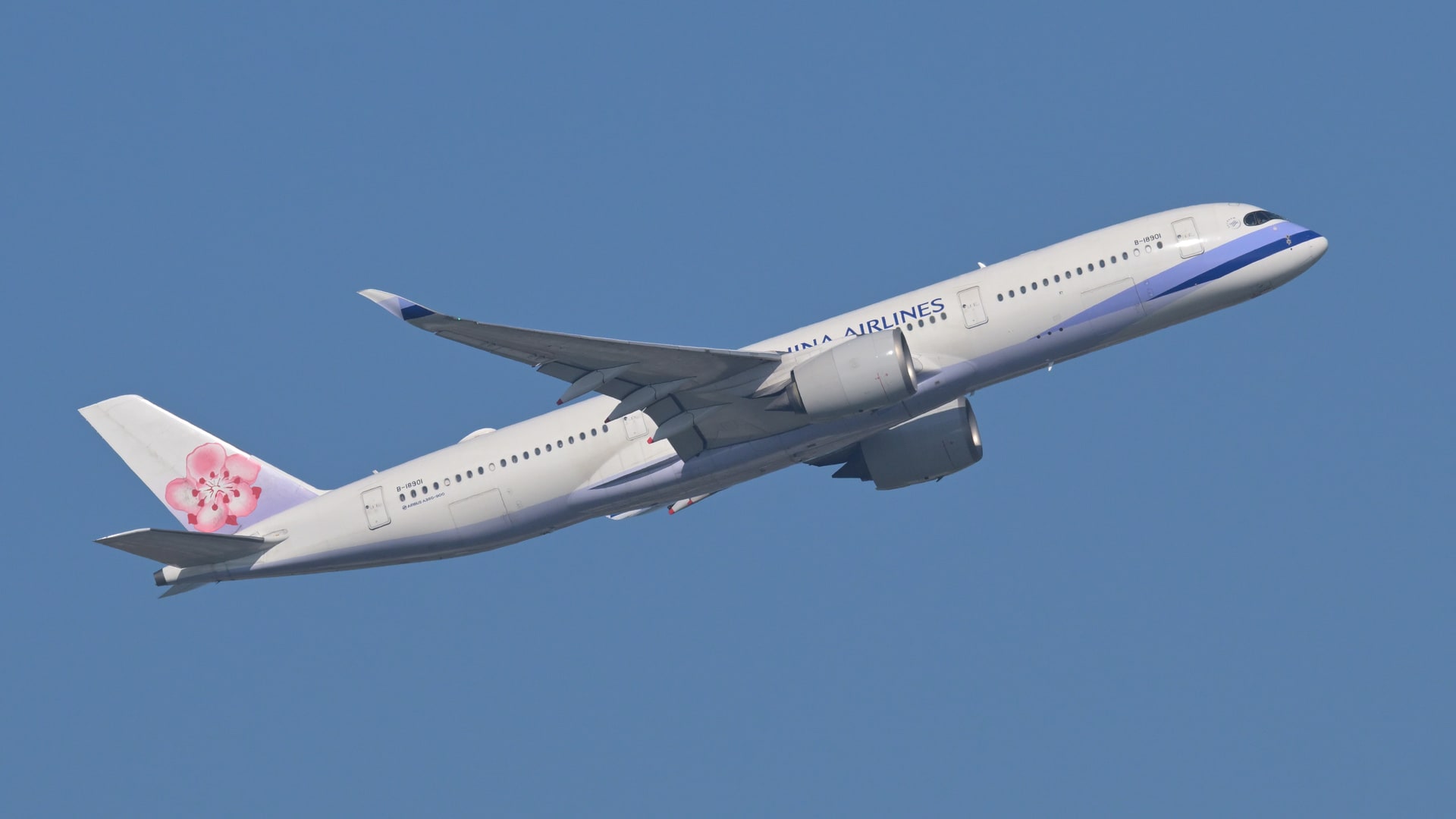
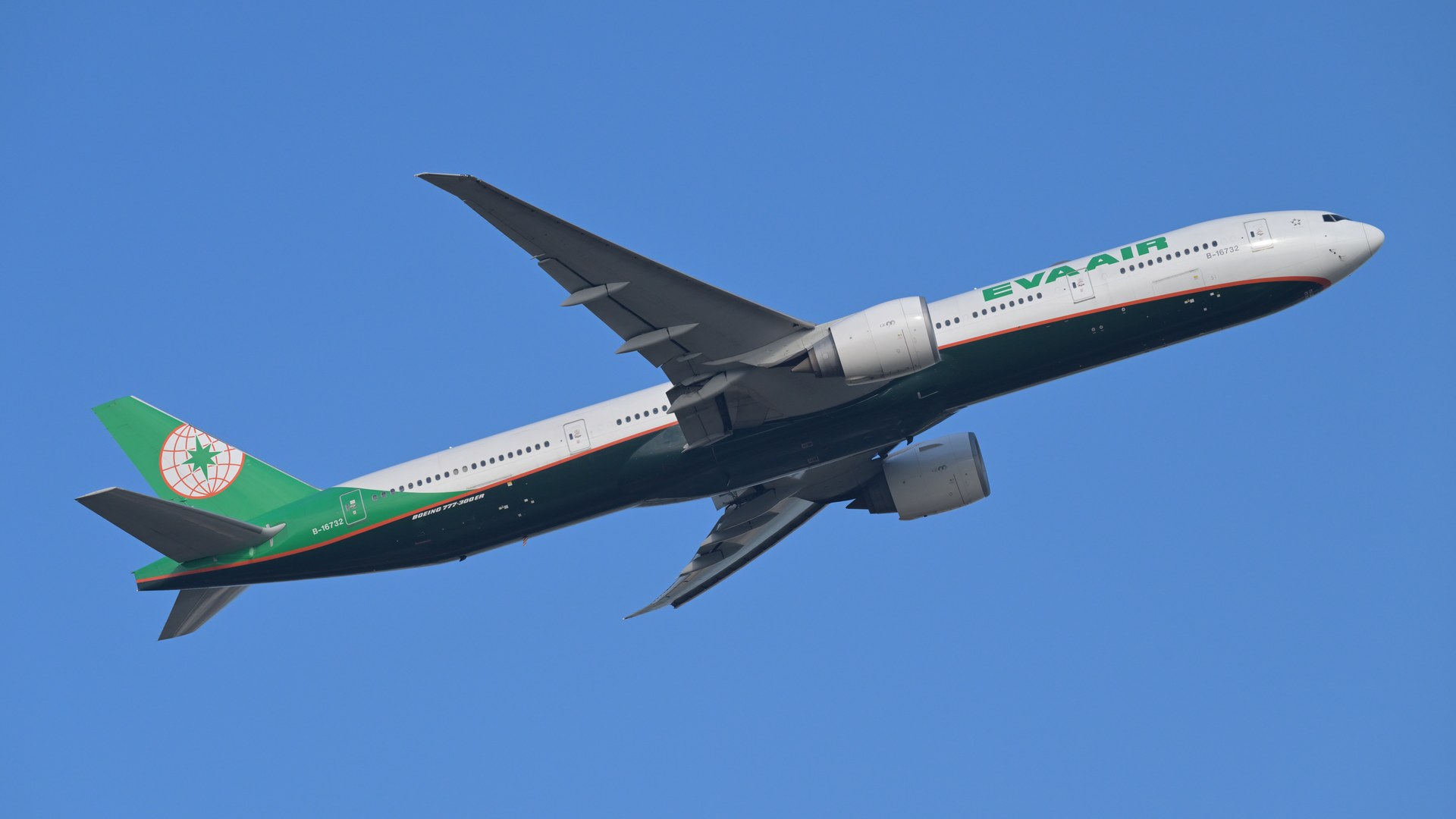
Pakistan’s Civil Aviation Authority issued overflight schedules for EVA Air and China Airlines covering 28 October 2026 to 27 March 2027, hours after the country’s defence and aviation minister said that only mainland Chinese airlines were allowed to fly over Pakistan.
The Associated Press reported that the authority had approved passenger and cargo flights operated by the two Taiwanese carriers from 28 October through 27 March 2027, according to two documents dated that Wednesday. Dawn reported on 29 October that the CAA had issued overflight schedules for China Airlines and EVA Airways covering the same period, and that a diplomatic source said overflight permissions for both airlines had been extended.
The order of events inside one day explains why accounts of the episode differ depending on the hour they pick it up in. Bloomberg reported on 28 October, quoting Defence Minister Khawaja Muhammad Asif, who also holds the aviation portfolio: “The aviation division follows the One China policy — only mainland China is allowed,” and “We have permitted only Chinese airlines to fly over Pakistan.” The Express Tribune carried that report, describing it as the first such step by any country, and the Taipei Times reported that the change came just hours after the minister’s remarks. The approvals are dated the same day. Bloomberg later amended its story to record that overflight rights had been restored, as Dawn reported, and The Straits Times described the change as an abrupt U-turn.
KhabarWire’s earlier report on the 28 October announcement set out the One-China rationale and the Pakistani practice of closing airspace by notice to airmen.
Why the statement and the paperwork disagree
The aviation authority itself does not appear to have acted on the minister’s remarks. A source in the CAA told Dawn that the authority had not issued any notice to airmen announcing a ban on the two Taiwanese carriers. The same report recorded that the CAA official referred the question to the Foreign Office to ascertain whether any policy decision had been taken, and that a diplomatic source denied any such development.
That leaves two documents describing incompatible things. The schedules grant permission for passenger and cargo flights until 27 March 2027; the minister’s remarks describe a standing exclusion. AP noted that the approval documents do not mention an earlier restriction and do not say whether they represent a reversal of one. Pakistan’s support for the One-China policy itself is not in doubt — Pakistan severed official relations with Taiwan in 1951 in support of Beijing’s position, The Express Tribune reported — and that report noted that such a restriction would have been stricter than Beijing’s own, because China still permits Taiwanese carriers to fly over Chinese territory. The uncertainty is narrower and more practical: whether Islamabad had, in aviation terms, closed its airspace to Taiwan’s flag carriers, and on whose instruction.
The first overflights on 29 October
Tracking data from Flightradar24, cited by Bloomberg and reported by Dawn, AP and the Taipei Times, showed that China Airlines and EVA Airways had not flown over Pakistan since the morning of Sunday, 25 October. At least a dozen Asia–Europe services operated by the two carriers had been routed over Russia since then, the Taipei Times reported.
The first Taiwanese commercial aircraft crossed Pakistan on the morning of 29 October once the permits were in place, Bloomberg reported in The Straits Times, which published the account with a Reuters photograph of the overflight. For four days the two carriers’ Europe-bound traffic took a longer northern path; the schedules allow that traffic to return to the route it had used before 25 October, at least until March 2027.
What Taipei said, and what it suspects
Taiwan’s Foreign Ministry condemned Pakistan for “parroting China’s distorted narrative” and for weaponising access to its airspace, Bloomberg reported in The Straits Times. The Taipei Times quoted the ministry’s fuller statement, which said Pakistan was pandering to China, ignoring international realities, severely denigrating Taiwan’s sovereignty with distorted narratives and politicising and weaponising its airspace.
Deputy Foreign Minister Chen Ming-chi said in a Bloomberg TV interview from Taipei on 29 October that Taiwan suspects China was behind Pakistan’s action, and that it “sends a very dangerous message around the world” that Beijing can use the leverage it holds to deny access to airspace. The Straits Times reported that he gave no evidence for the assertion and that the Chinese Foreign Ministry had not responded to a request for comment. Chen said Taipei would work with the United States and other countries, and that all “freedom-loving” countries would be worried by the episode.
Beijing has a track record of pressing partners to close their airspace to Taiwanese carriers. In April, Taiwan’s President Lai Ching-te postponed a visit to Eswatini, Taiwan’s only diplomatic partner in Africa, after Seychelles, Mauritius and Madagascar withdrew overflight permissions; Taiwan blamed Beijing, China denied applying pressure but praised the countries’ decisions, and Lai reached Eswatini in May, AP reported. Bloomberg had described the restriction as unprecedented, noting that no country had previously denied all Taiwanese carriers use of its airspace.
Why it matters for Pakistan
The episode is a test of how far Islamabad will go when Beijing presses it. China is Pakistan’s largest lender, to whom it owes more than US$25 billion, The Straits Times reported, and the two countries have deepened their ties through the Belt and Road Initiative and the China-Pakistan Economic Corridor, The Express Tribune noted.
The commercial logic runs the other way. Dawn noted that China Airlines and EVA Airways operate direct flights between Taiwan and the mainland, and that Taiwanese airlines have used Pakistani airspace for routes to Europe. Pakistani restrictions on Indian-registered aircraft work the same way — by notice to airmen, the instrument KhabarWire described when that closure was extended to 23 March. Closing airspace does not stop the aircraft; it moves them over Russia, and for four days the two carriers’ Asia–Europe services ran on that longer northern path.
Taiwan was on the agenda when Donald Trump and Xi Jinping met in Washington in September, and KhabarWire reported then that Beijing was expected to press for a permanent halt to US arms sales to the island. What is observable now is narrower: a policy statement that no aviation document appears to implement, and permits that a foreign ministry says Pakistan weaponised.
What is still uncertain
Five things are unresolved. First, whether any policy decision was taken at all: the authority says it issued no notice to airmen, a diplomatic source denies that a decision exists, and the Foreign Office has published no answer. Second, whether the 28 October schedules represent a reversal or the continuation of a standing authorisation, since AP noted the documents do not mention an earlier restriction. Third, whether Beijing requested either the statement or the permits: Taiwan’s suspicion is unsupported and China has not commented. Fourth, whether the minister’s remarks described policy or his own view, because he did not respond to Dawn’s query and no ministry has repeated the statement. Fifth, what happens after 27 March 2027, when the schedules end, and whether a one-China overflight rule is ever issued in a form the airspace authority can enforce.