What happened
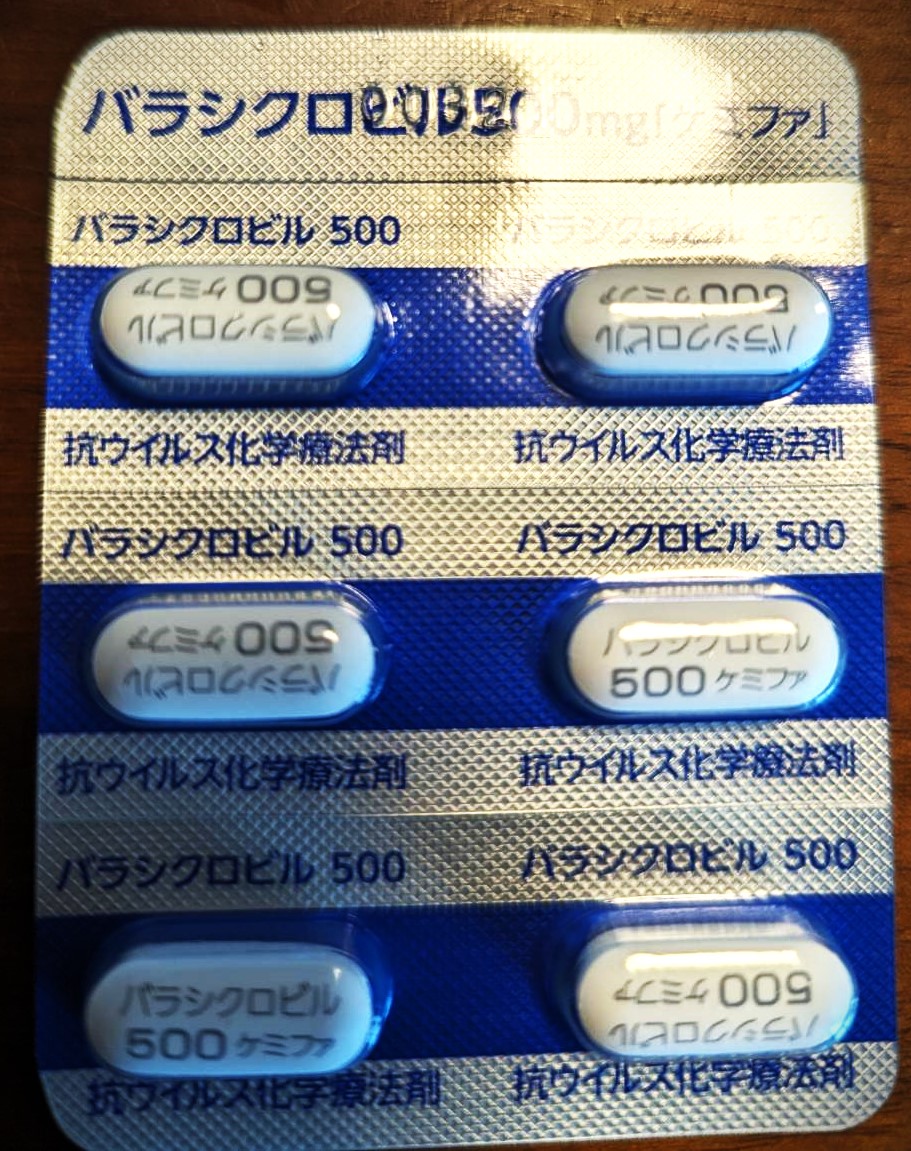
Around 40 newly registered life-saving medicines remain unavailable to patients in Pakistan because the federal government has not approved their maximum retail prices, even though the drugs have been cleared by the Drug Regulatory Authority of Pakistan (DRAP), officials and market sources said.
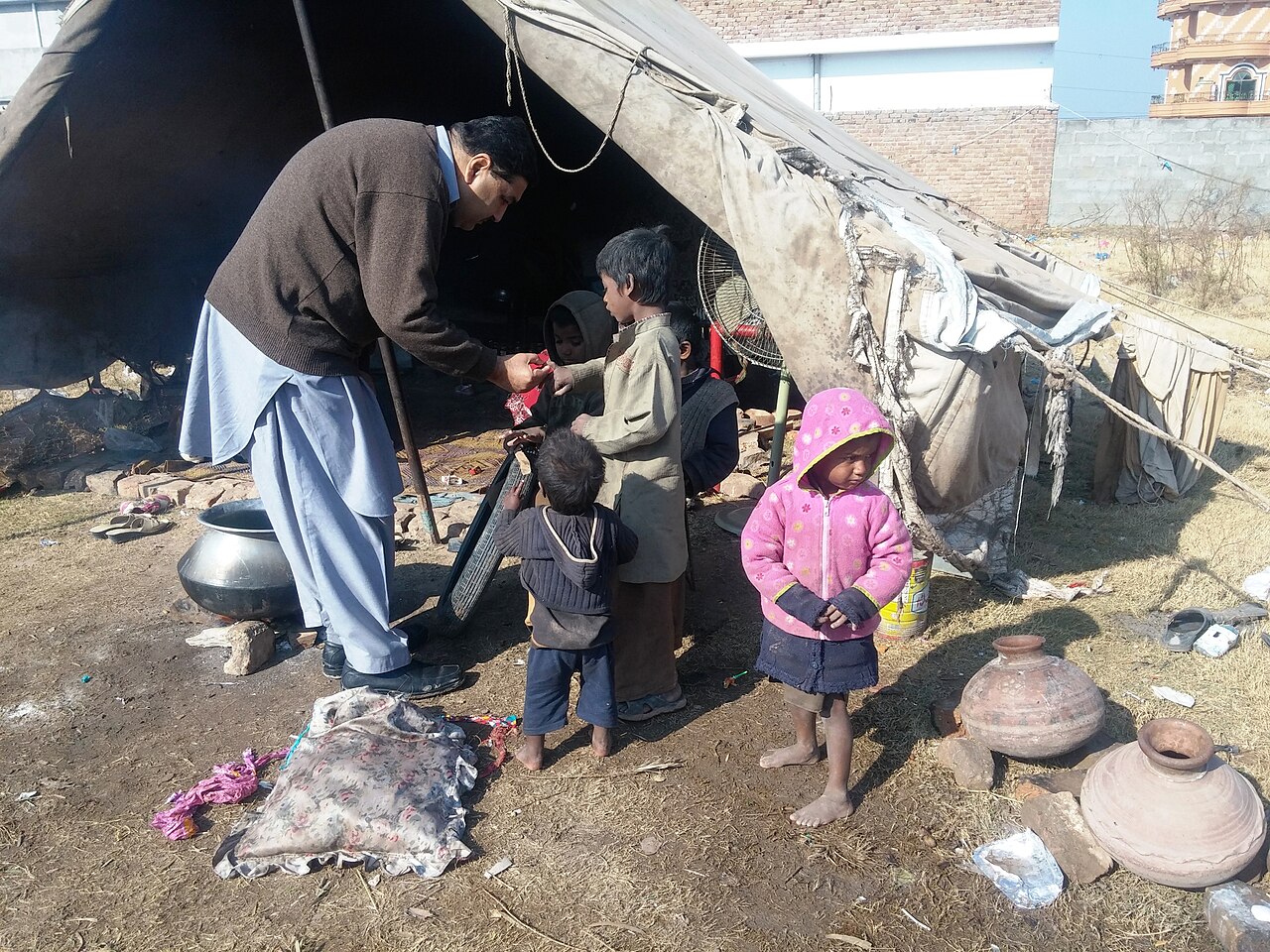
D9 News reported that a young woman being treated for triple-negative breast cancer had been unable to obtain the immunotherapy medicine pembrolizumab despite its registration in Pakistan, because its price had not been notified. The report, originally published by The News, said thousands of patients were turning to costly personal imports or informal channels where there is no guarantee of quality, storage conditions or authenticity.
Which medicines are affected
Pembrolizumab, which is approved internationally for treating more than 20 cancers, is one of the 40 products awaiting a price notification. The pending list also includes the cancer medicines nivolumab, irinotecan and dasatinib.
According to the reports, the list covers Humador insulin for diabetes, Adalimumab for autoimmune diseases, recombinant Factor VIII for haemophilia A, Carbidopa-Levodopa for Parkinson’s disease, Dabigatran and Heparin for preventing blood clots, Methyldopa for hypertension during pregnancy, the broad-spectrum antibiotics Meropenem and Fosfomycin, and Ketamine for anaesthesia, as well as vaccines, radiology contrast agents and electrolyte solutions and other medicines used in intensive care and emergency departments.
Under Pakistan’s drug pricing framework, a newly registered medicine cannot be legally marketed until the federal government notifies its maximum retail price. DRAP says the recommendations were finalised by the Drug Pricing Committee between December 2024 and June 2025 and later endorsed by the DRAP Policy Board before being referred to the federal government.
What the government says
Federal Minister for National Health Services Syed Mustafa Kamal said the government was working to secure approval of the pending medicines and clarified that the issue was not an increase in the prices of medicines already on the market. “These are entirely new life-saving medicines that have been registered but cannot be sold until their prices are approved,” he said.
Kamal said the government had already approved prices for an earlier batch of 35 newly registered medicines, while the Ministry of National Health Services and DRAP were now pursuing approval of the remaining 40 before the Cabinet Committee and the federal cabinet.
The reports said the matter had been considered by the Cabinet Committee, which decided that the ministers for finance and health would brief the prime minister before resubmitting the case. The price approval process is handled by a Cabinet Committee headed by Finance Minister Muhammad Aurangzeb, which was initially made up of the finance, health and commerce ministers and later expanded to include the ministers for housing and works, climate change and environmental coordination, and defence production.
Pakistan Chemists and Druggists Association chairman Abdul Samad Buddani said patients were moving from pillar to post in search of medicines that should already have been available through licensed pharmacies.
Why it matters
The delay means medicines that have passed Pakistan’s scientific registration process still cannot be supplied through legal distribution channels, leaving patients to choose between expensive informal imports and going without treatment. The backlog also affects pharmaceutical companies that cannot book sales on the affected products until prices are notified.
What is still uncertain
The reports did not give a date for the cabinet decision or say whether all 40 prices would be approved together. The figures and the composition of the list are as described by DRAP, the health ministry and the cited reporting.
Sources & reporting notes
This is a summary of published reporting, not independent reporting. Details are as carried by the cited sources, which were reviewed on 20 July 2026.
- D9 News — "Cancer patients suffer as 40 drugs' approvals remain pending"20 July 2026 · The patient case, the list of affected medicines, the minister's remarks and the approval process.
- The News — "Cancer patients suffer as 40 drugs' approval remains pending"20 July 2026 · The original report on the pending price notifications.
- 24NewsHD — "40 life-saving drugs unavailable due to delay in govt's approval"20 July 2026 · The list of medicines and the DRAP pricing timeline.
- MM News — "Gov't delay deprives patients of 40 life-saving drugs"20 July 2026 · The ministry's clarification that the issue concerns initial pricing for new registrations.