Reporting snapshot · 16 October 2026 (Asia/Karachi). The 52nd session of the OIC Council of Foreign Ministers is scheduled for Baghdad on 17-18 October 2026. Pakistan's expected participation and the planned Pakistan-Iran consultations on the sidelines are reported by Iranian state media and by Pakistani outlets; the Pakistani Foreign Office had not published its own statement on the session at the time of writing, and no outcome documents are public.
What is happening
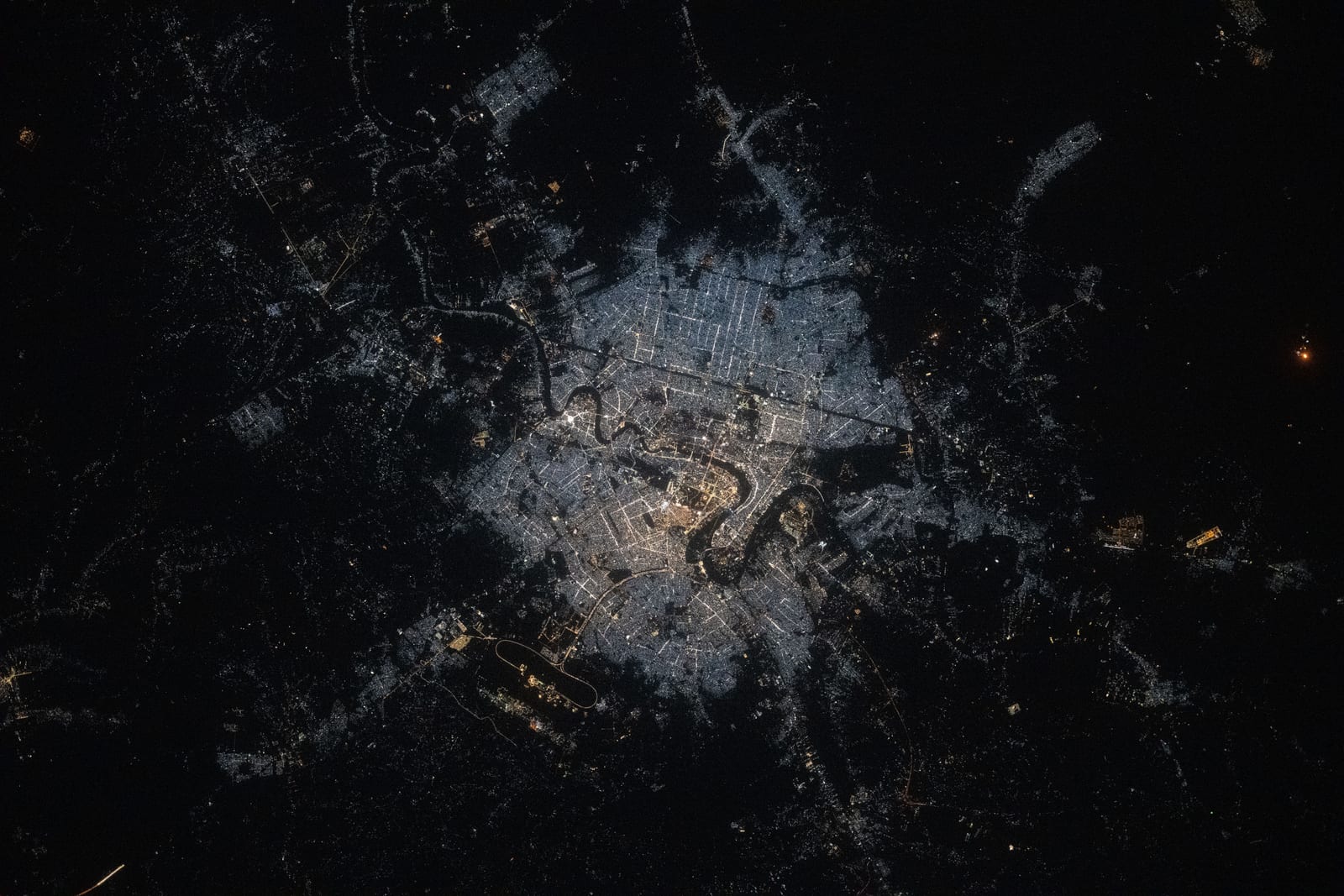
The Organisation of Islamic Cooperation (OIC) will hold the 52nd session of its Council of Foreign Ministers in Baghdad on 17-18 October 2026, the organisation announced, under the theme “Dialogue and Solidarity: Two Essential Pillars for Promoting Peace and Sustainable Development.” Iraq is hosting the session, and its foreign ministry has said the logistical and security preparations are complete.
The OIC Council of Foreign Ministers is the body that sets the organisation’s political direction, and its sessions bring together the foreign ministers of the grouping’s member states. Iran’s Foreign Ministry spokesman, Esmail Baghaei, said Foreign Minister Abbas Araghchi would travel to Baghdad for the session, while Iran’s state news agency IRNA said Araghchi would arrive on Saturday, 17 October.
Pakistan and Iran to consult on the sidelines
Citing IRNA, Pakistani outlets reported that the foreign ministers of Pakistan, Egypt and Türkiye were also expected to attend, and that Pakistan and Iran would hold fresh consultations on regional peace efforts on the sidelines of the Baghdad meeting. The Express Tribune reported that “fresh consultations among key regional players — including Tehran and Islamabad” would take place at the meeting, and Pakistan Today carried the same IRNA-sourced account. Neither report named the Pakistani participants, and the Foreign Office had not published a read-out by the time of writing, so the consultations should be treated as reported rather than confirmed.
For Pakistan, the OIC is a familiar venue for regional diplomacy. Deputy Prime Minister and Foreign Minister Ishaq Dar used the OIC’s Contact Group on Afghanistan in September to press the body to seek verifiable action against militant sanctuaries across the border, as KhabarWire reported. The Baghdad session extends that diplomatic track to a wider set of regional crises, and gives Islamabad another setting in which to sit with Tehran as it tries to keep a mediation channel open.
Iran’s position ahead of Baghdad
Iran’s participation comes amid its continuing confrontation with the United States. Iranian Parliament Speaker Mohammad Bagher Ghalibaf said on Thursday that Washington must face consequences for reneging on commitments, and would have to change its conduct for an agreement acceptable to Tehran, according to IRNA, as carried by Pakistan Today. He rejected relying on either military confrontation alone or diplomacy alone. “The solution is to fight and negotiate at the same time to establish lasting deterrence,” he said, arguing that military gains had to be converted into political outcomes.
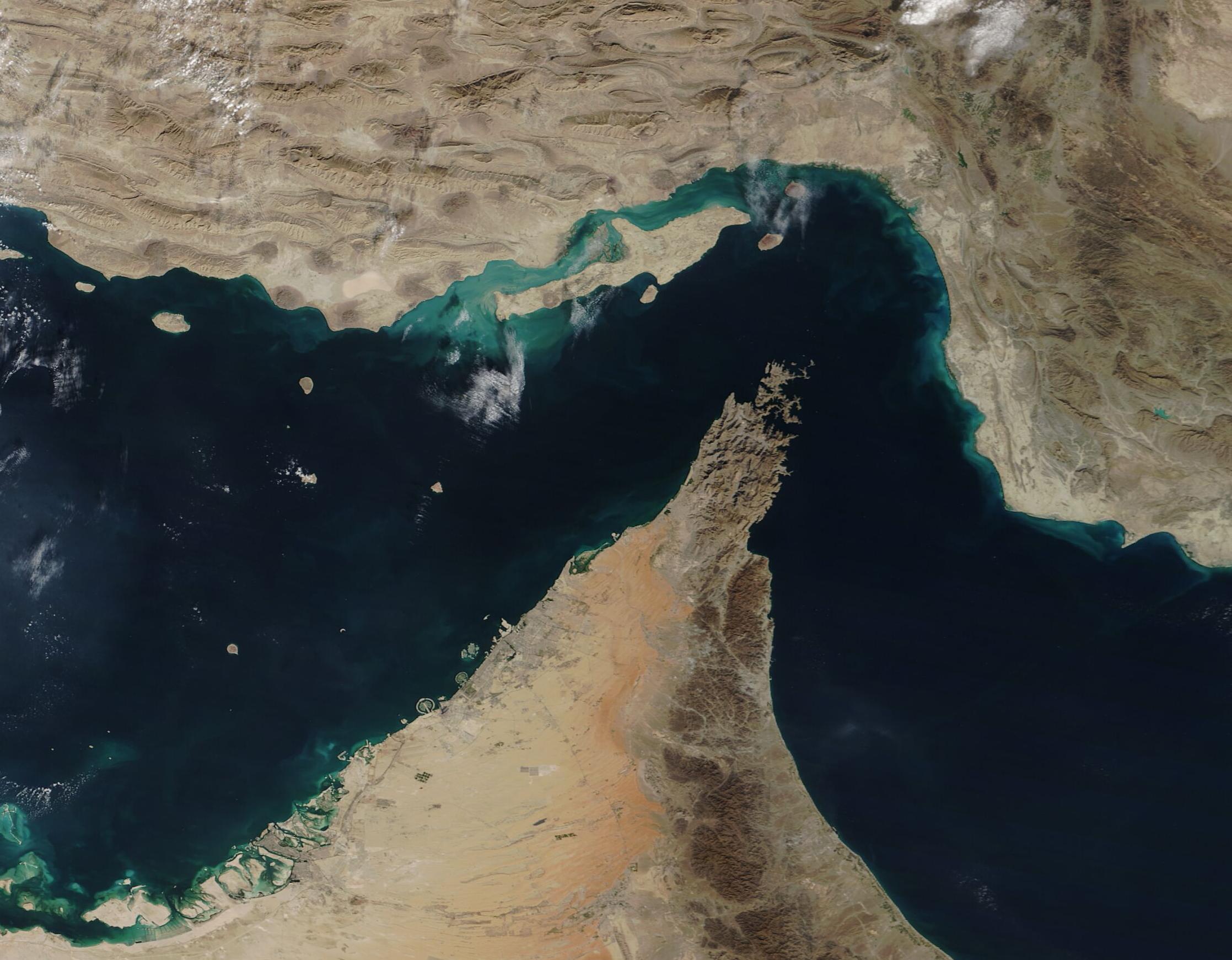
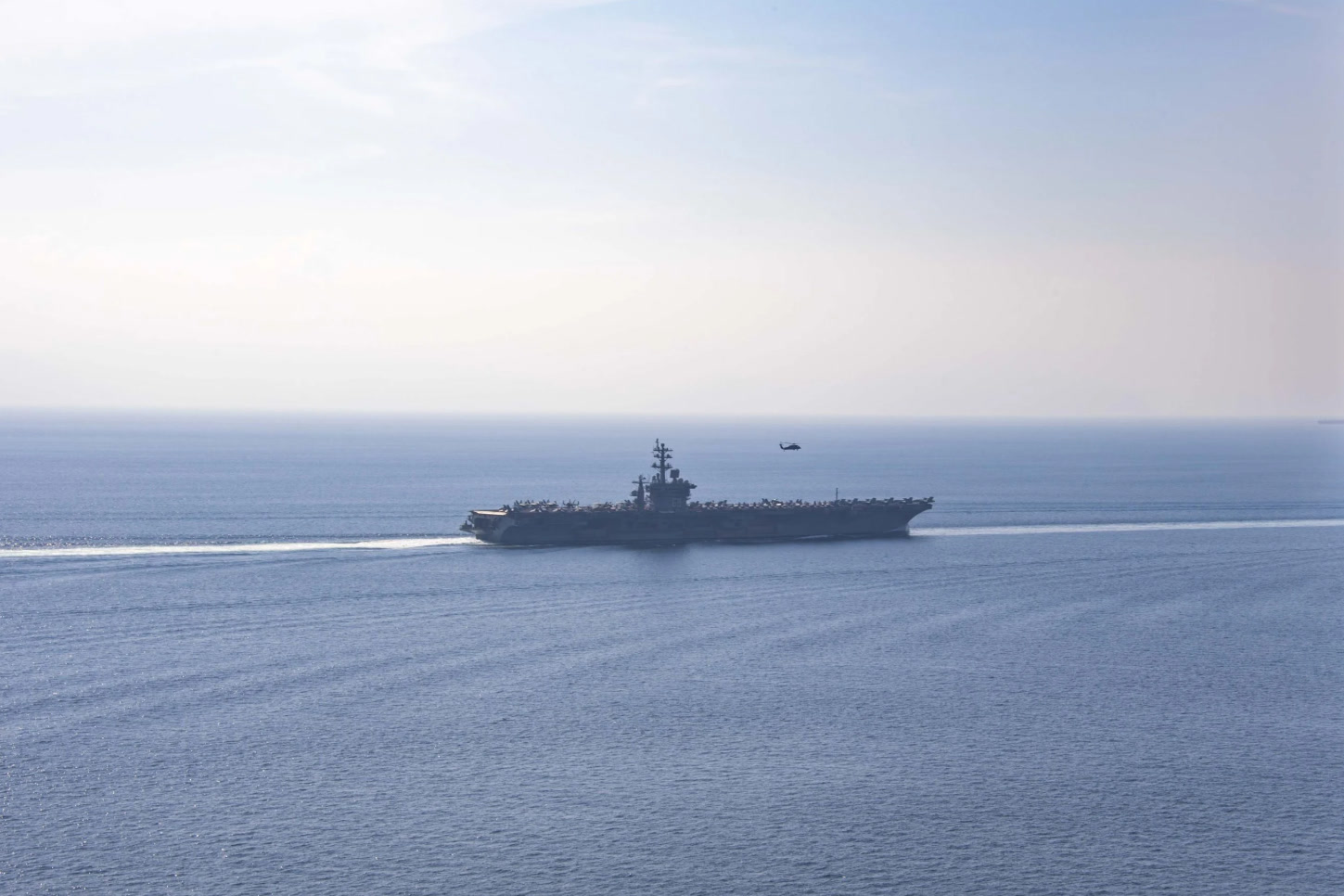
Separately, Rear Admiral Habibollah Sayyari, deputy chief of the Iranian Army for coordination, said the Strait of Hormuz remained closed and that any vessel trying to pass without coordinating with Iranian forces could face consequences, the same report said. Sayyari said the Islamic Revolutionary Guard Corps Navy was operating west of the strait and the regular army east of it, extending its presence north into the Sea of Oman.
Why the Baghdad meeting matters
The Strait of Hormuz is the world’s most important oil chokepoint, and its partial closure since the US-Iran war began has kept global crude prices elevated and disrupted shipping across the Gulf. That bears directly on Pakistan, an energy importer whose administered fuel prices are set against imported crude, and on the Gulf states that host millions of Pakistani workers. KhabarWire has followed the stalled diplomacy around the waterway, including talks aimed at reopening it in September.
The Baghdad session also lands as Pakistan’s regional alignments have shifted. Pakistan is a signatory, with Saudi Arabia and Türkiye, of the Makkah Joint Defence Agreement signed on 7 August 2026, which treats an armed attack on one signatory as an attack on all three. That pact has drawn Islamabad more closely into the Gulf’s security arrangements as the Houthi campaign against Saudi Arabia continues. An OIC session that brings Iran, Türkiye, Egypt and Pakistan into the same forum is one of the few regional settings in which the overlapping energy, security and mediation tracks can be discussed together.
What is still uncertain
Several elements remain open. The Pakistani Foreign Office had not confirmed by name which of its officials would attend, and the IRNA-sourced reports of the Pakistan-Iran consultations have not been independently confirmed by Islamabad or Tehran. The session’s outcome — whether it produces a joint communique, and how it addresses Gaza and the US-Iran war — is not yet known; the OIC had not published a draft agenda or outcome document. Whether the Baghdad meeting moves the Strait of Hormuz towards reopening, or produces a wider de-escalation, will depend on positions that have not yet been made public. KhabarWire will update this article if the session produces a statement or if Pakistan’s Foreign Office issues a read-out.
Sources & reporting notes
This is a synthesis of announcements, official statements and published reporting, not eyewitness coverage. The dates, theme and location of the 52nd OIC Council of Foreign Ministers session are taken from the OIC's own announcement. The expected participation of Pakistan, Egypt and Türkiye, the planned Pakistan-Iran consultations and Iran's positions on the Strait of Hormuz and on negotiations are drawn from The Express Tribune and Pakistan Today, both of which report the Iranian state news agency IRNA; those outlet reports were reviewed on 16 October 2026 (Asia/Karachi). The Pakistan-Iran consultations are reported, not confirmed by either foreign ministry, and no OIC outcome document has been published.
- Primary record — Organisation of Islamic Cooperation: "Baghdad to Host 52nd Session of the Council of Foreign Ministers of the OIC"Published 14 October 2026 · The OIC's announcement that the 52nd session of its Council of Foreign Ministers will be held in Baghdad on 17-18 October 2026 under the theme "Dialogue and Solidarity: Two Essential Pillars for Promoting Peace and Sustainable Development."
- Independent source — The Express Tribune: "Pakistan, Iran FMs to meet in Baghdad"Published 16 October 2026 · The IRNA-sourced account that the foreign ministers of Pakistan, Egypt and Türkiye are expected to attend and that fresh Pakistan-Iran consultations on regional peace will take place on the sidelines of the Baghdad meeting.
- Independent source — Pakistan Today: "Pakistan, Iran to renew peace consultations in Baghdad moot"Published 15 October 2026 · The IRNA-sourced report of the expected participation and consultations, Iranian Parliament Speaker Mohammad Bagher Ghalibaf's remarks on negotiations and deterrence, and Rear Admiral Habibollah Sayyari's statement that the Strait of Hormuz remains closed.

.jpg)