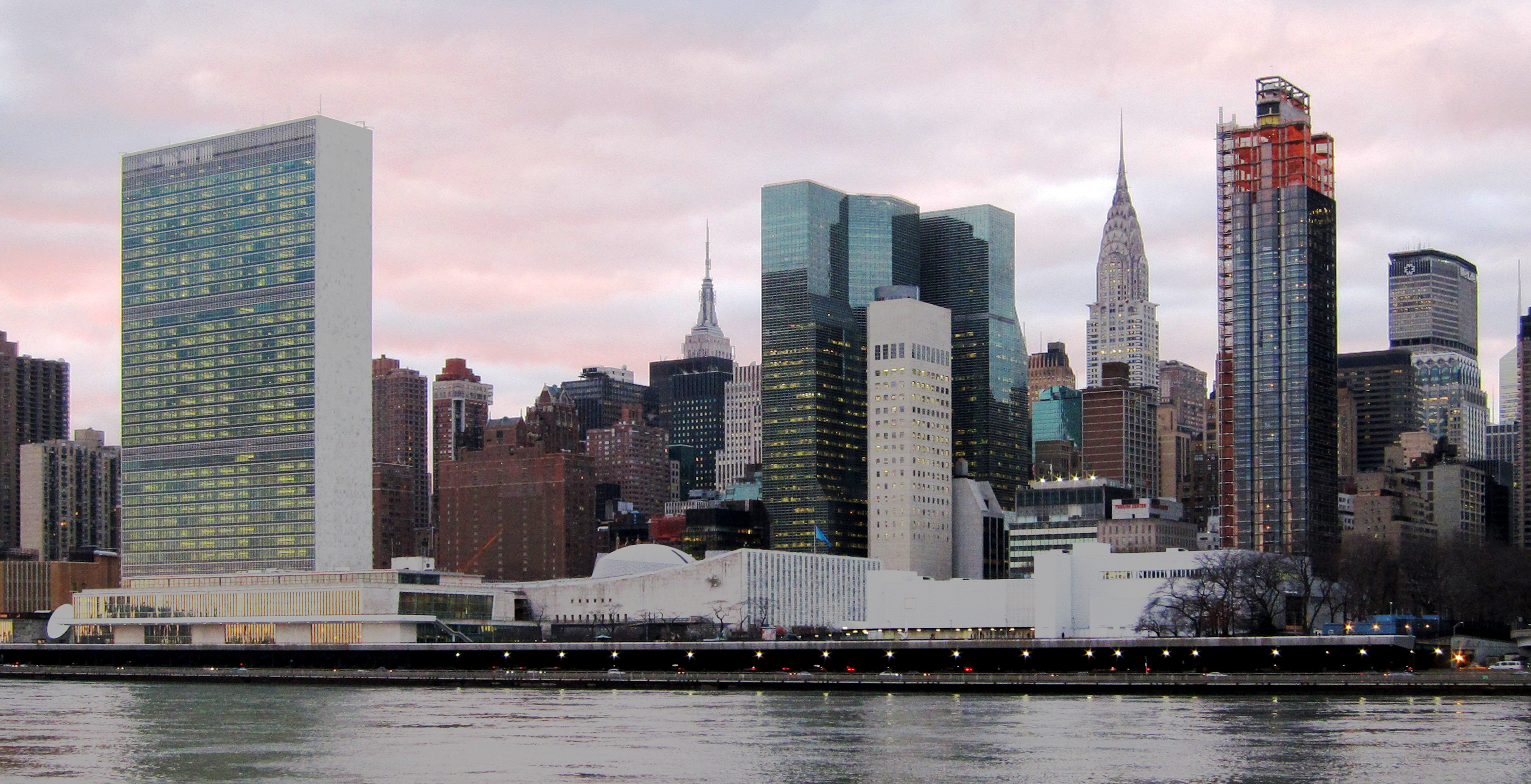
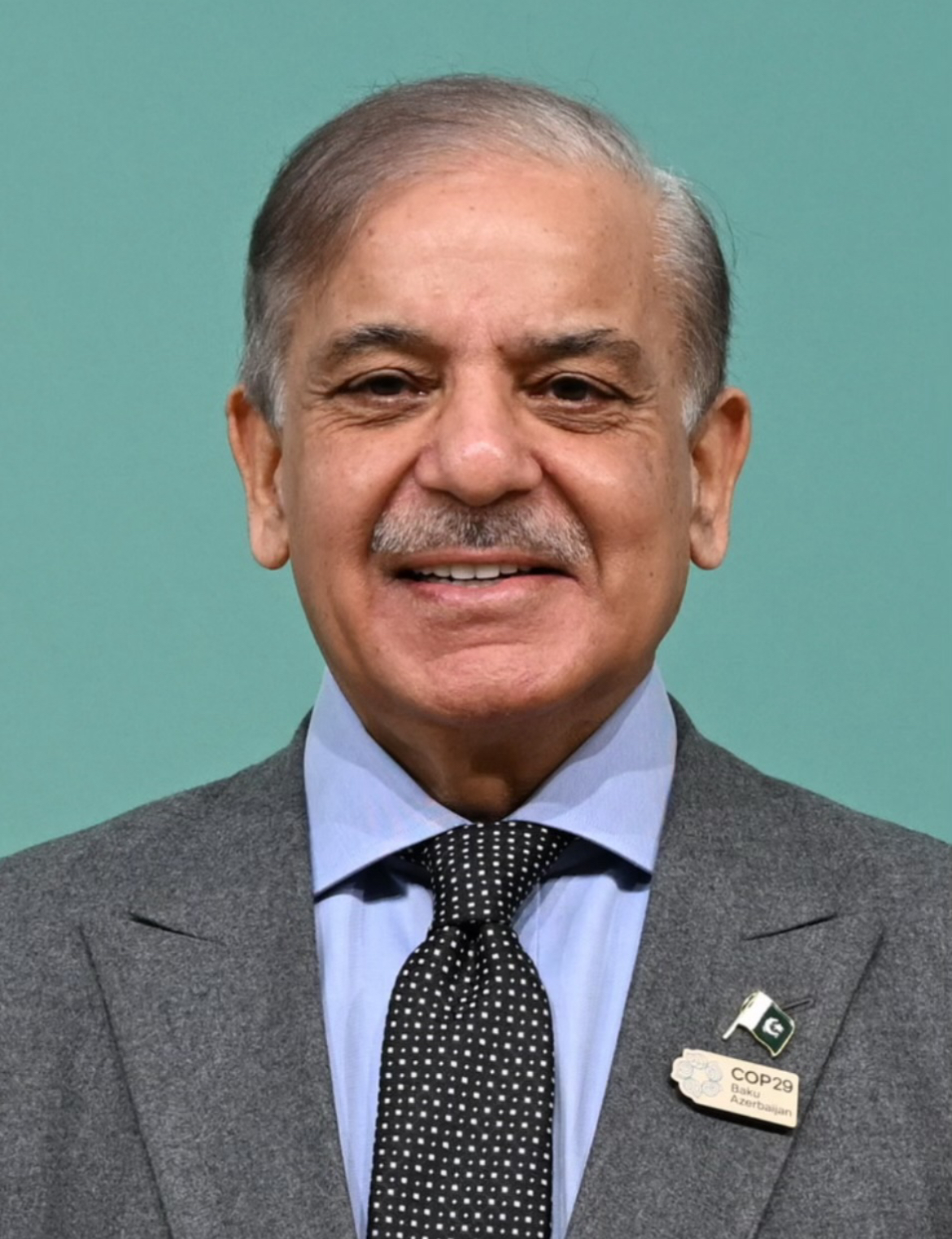
Reporting snapshot · 25 September 2026. Prime Minister Shehbaz Sharif delivered Pakistan's address to the General Debate of the 81st session of the United Nations General Assembly in New York on 25 September 2026. His core warning — that any attempt to stop, impede or divert Pakistan's share of the Indus waters would be treated as an act of war — was carried by UN News, Radio Pakistan, Geo News, Pakistan Today and The Express Tribune. This article is a dated snapshot of that address as reported; it is not a live tracker of the session.
What happened
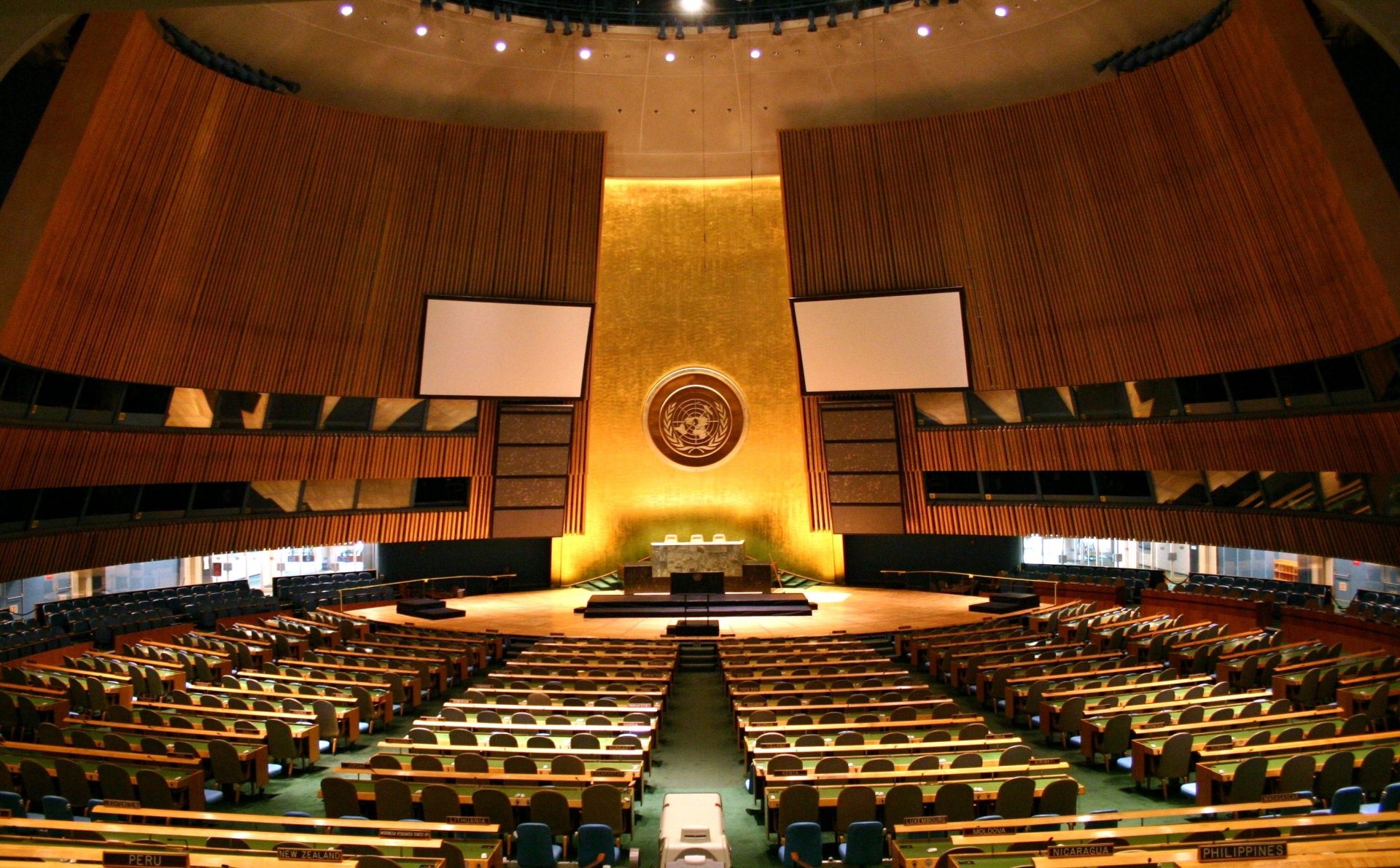
Prime Minister Shehbaz Sharif used Pakistan’s platform at the 81st session of the United Nations General Assembly on 25 September 2026 to deliver his strongest public warning yet over the Indus Waters Treaty: any attempt by India to stop, impede or divert Pakistan’s share of the river waters would be treated as an act of war.
Addressing the General Debate in New York under the session’s theme of restoring trust, the prime minister described the shared waters of the Indus system as the “lifeblood not only for the people of Pakistan, but for the entire region”. He called India’s unilateral decision to hold the treaty in abeyance “without legal basis whatsoever”, and said Pakistan’s position that the 1960 agreement remains valid, binding and fully operative had been vindicated by UN experts and the Court of Arbitration.
“Water must never be weaponized. Rivers should nourish nations, not divide them,” he said, adding that India must “make no mistake” about Pakistan’s resolve on the issue, according to UN News and The Express Tribune.
The address came a year after the May 2025 military confrontation between the two nuclear-armed neighbours, which Pakistan has said ended with a US-brokered ceasefire, and about seventeen months after New Delhi announced it was placing the treaty in abeyance in the wake of the 22 April 2025 Pahalgam attack.
Why the water warning matters
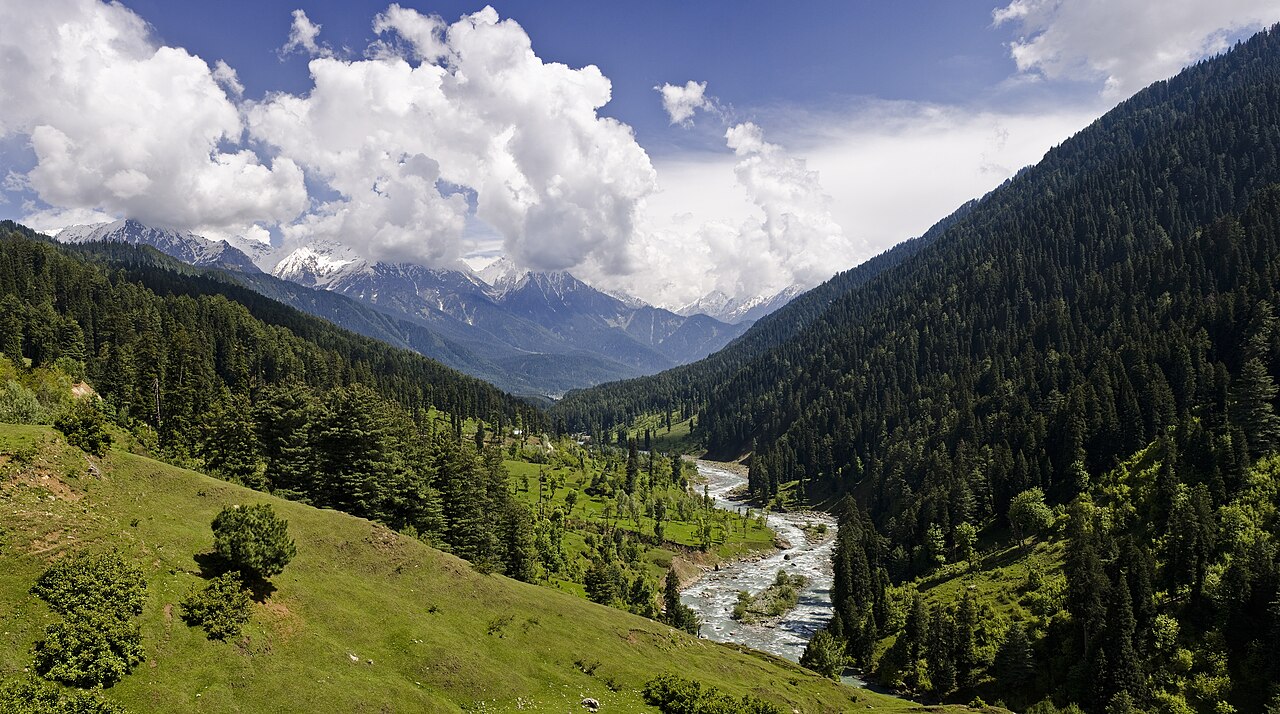
The Indus Waters Treaty, signed in 1960 and brokered by the World Bank, divides the waters of six rivers between India and Pakistan. Since India suspended it in April 2025, Islamabad has repeatedly warned that water could become a tool of coercion. The prime minister’s language at the UNGA — an explicit “act of war” formulation directed at India from the podium of the General Assembly — escalates that messaging to the level of a formal security red line.
The warning is the latest chapter in a long-running dispute that KhabarWire has tracked: Planning Minister Ahsan Iqbal argued in August that India’s abeyance of the treaty had created the first modern case of water being weaponised. The prime minister himself set out the “red line” language on the eve of Independence Day this year. What is new on 25 September is that he carried the same threat to the UN’s highest deliberative body, framing it as a position the international community must recognise.
Middle East, the straits and the Mecca pact
A large part of the address turned on the Middle East. The prime minister said Pakistan had acted swiftly after the outbreak of the regional conflict to bring Washington and Tehran “under one roof” in Islamabad, leading to the signing of the Islamabad Memorandum of Understanding. He praised Chief of Army Staff Field Marshal Syed Asim Munir and Deputy Prime Minister Ishaq Dar for their efforts to create space for diplomacy.
He described the Strait of Hormuz and Bab el-Mandeb as “arteries of the global economy” that must remain open as passages connecting nations rather than becoming “choke points of confrontation”. “These waters must carry the promise of prosperity, not the perils of war,” he said.
The prime minister also condemned recent Houthi attacks against Saudi Arabia, including what he described as an attempted drone attack on Makkah. “Any threat to the safety and sanctity of the Haramain Sharifain is a red line that must never be crossed,” he said, reaffirming Pakistan’s solidarity with Saudi Arabia.
He used the platform to defend the Makkah Joint Defence Agreement among Pakistan, Saudi Arabia and Türkiye, insisting the alliance “is not directed against any country” but represents a collective commitment to regional defence, stability and peace. KhabarWire has covered the planned chiefs-of-staff meeting under the pact.
Kashmir, terrorism and the wider agenda
On South Asia, the prime minister recalled last year’s conflict with India, crediting US President Donald Trump’s “resolute and visionary” intervention with helping prevent a catastrophic confrontation between two nuclear-armed neighbours. He said lasting peace in South Asia required a just and fair solution to the Kashmir dispute, and repeated the phrase that Kashmir “has, and always will be, Pakistan’s jugular vein”.
On terrorism, he said Pakistan had lost nearly 100,000 lives and suffered economic losses exceeding $150 billion, and alleged that groups including the Tehrik-e-Taliban Pakistan and the Balochistan Liberation Army operate from sanctuaries inside Afghanistan. He urged Afghan authorities to take “verifiable, decisive action” to ensure Afghan soil is not used against Pakistan, and called for the fundamental rights of the Afghan people, especially women and girls, to be respected.
He devoted part of the address to Gaza, invoking the deaths of children including Hind Rajab and eight-year-old Wafaa Akila, and reiterated Pakistan’s support for an independent, sovereign, viable and contiguous Palestinian state based on pre-1967 borders with Al-Quds Al-Sharif as its capital. He condemned Israeli actions in Lebanon and Syria and what he called the forcible eviction of Palestinians in the West Bank.
The prime minister also touched on Islamophobia, climate finance, economic reform and UN Security Council reform, restating Pakistan’s motto: “Reform for all, privilege for none.”
What is still uncertain
The address is a statement of position, not a negotiated outcome. India has rejected the Court of Arbitration’s jurisdiction and continues to argue that the treaty cannot function until Pakistan takes what New Delhi calls credible and irreversible steps against cross-border terrorism. Nothing in the UNGA speech changes that deadlock by itself; the practical test will be how both sides behave on the ground over the months ahead.
It is also unclear whether the “act of war” formulation will lead to any new diplomatic process or whether it is largely rhetorical. The speech coincided with a week in which Pakistan’s leaders met counterparts on the UNGA margins, and with talks continuing on the US-Iran conflict that has kept the Strait of Hormuz partially closed. As with all such reporting, this is a dated snapshot: the session and the diplomacy around it are still unfolding.
Sources & reporting notes
This is a synthesis of published reporting and the official record, not eyewitness reporting. Sources were reviewed on 25 September 2026.
- UN News — Pakistan's Sharif warns any diversion of Indus waters will be 'treated as an act of war'25 September 2026 · Primary record of the UNGA address, the water warning, the straits remarks, Kashmir, terrorism and Gaza passages.
- The Express Tribune — PM Shehbaz urges Middle East peace, warns India against weaponizing water at UNGA25 September 2026 · Independent report with extended quotations from the address, including the Mecca pact and Kashmir passages.
- Geo News — Five key takeaways from PM Shehbaz's UNGA speech26 September 2026 · Independent confirmation of the act-of-war warning, the straits message and the terrorism passages.
- Pakistan Today — Shehbaz uses UN address to press Pakistan's case on water, security and Gaza26 September 2026 · Independent summary of the address's themes.
- Radio Pakistan — Any attempt to divert Pakistan's share of waters will be treated as an act of war: PM26 September 2026 · Official account of the prime minister's address.